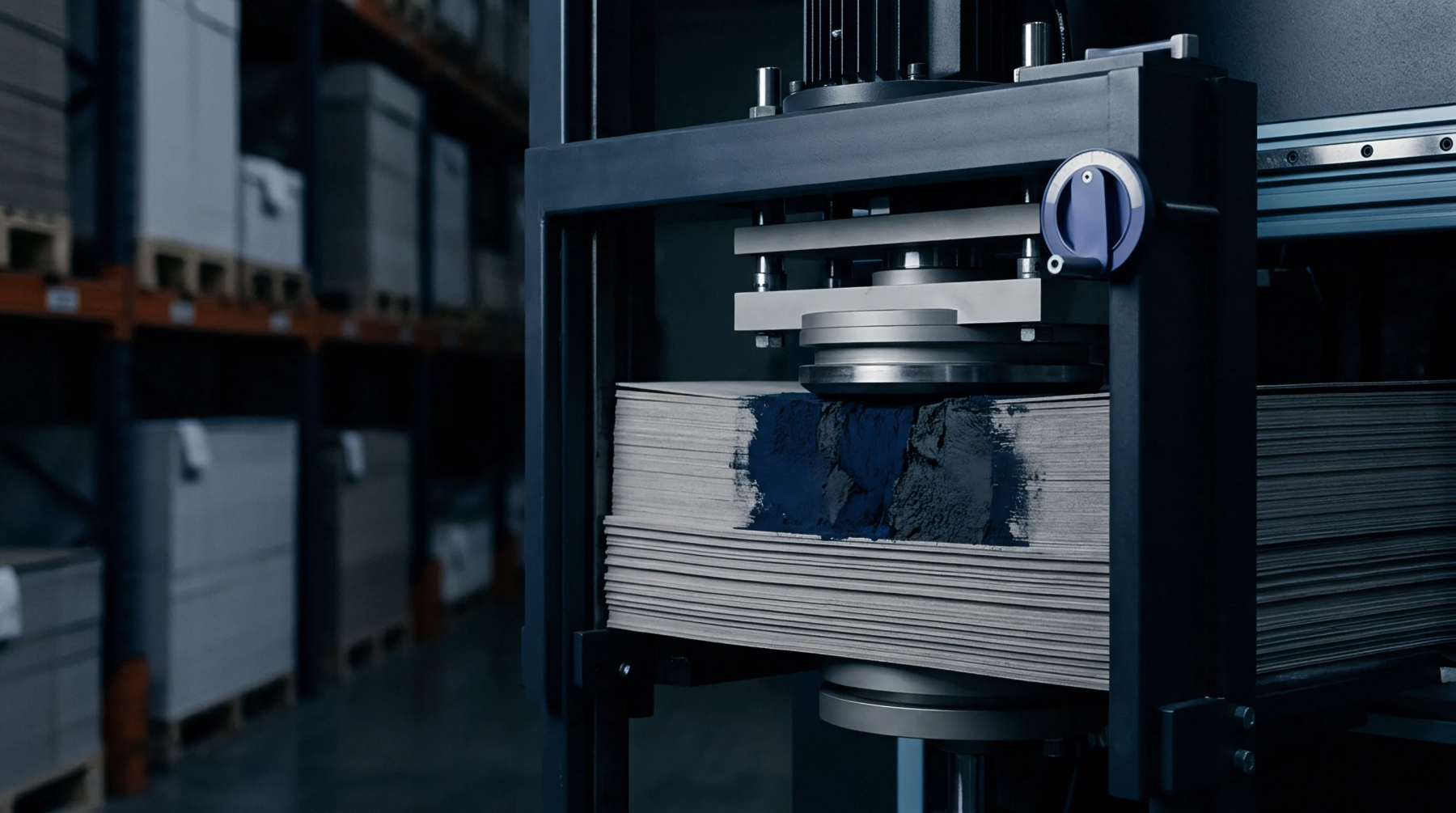
Mechanical Constraint
Contact force across rollers determines the adhesion and uniform coating thickness of adhesive layers on flexible substrates. High speed converting nips regulate the downward pressure exerted by rubber or steel cylinders against a driven drum. Precise regulation of this force prevents air entrapment and prevents intermittent coating failures during continuous production.
Consistent physical interaction between these surfaces ensures that the substrate remains flat and stable as it passes through the application zone.
Operating Parameter
Tension profiles change when substrate thickness varies or when rollers suffer thermal expansion during long shifts. High speed converting nips must compensate for these physical shifts to maintain a target grams per square meter measurement across the entire web width. Operators calibrate load cells to detect minute fluctuations in the linear pressure that trigger automated servo adjustments.
This adjustment prevents excessive crush or insufficient transfer of the functional coating material. Higher velocities require active cooling systems to manage the heat generated by repetitive deformation of the rubber cover. Effective cooling prevents degradation of the roller surface which otherwise leads to uneven material distribution.
Dimensional Influence
Surface hardness and the width of the contact patch define the transfer efficiency of the entire converting assembly. High speed converting nips exhibit a specific footprint that relates directly to the shore hardness of the roller material. A narrow footprint minimizes drag but increases the local stress on the paper or film stock.
Wider footprints offer gentler handling for sensitive materials but require additional force to overcome the increased surface area of contact. Optimization of this contact zone remains the primary method for controlling gauge variation in laminated products. Final quality depends on the synchronization of surface speed with the line speed to eliminate micro slippage during the transition of the web.