Interfacial Chemistry of Carboxylated Latexes on Lignin Rich Mechanical Fiber Surfaces
Tailoring latex carboxylation density and Tg to mechanical surface lignin maximizes interfacial adhesion while cutting binder demand by two dry parts per hundred.
Substrate
Mechanical pulp fibers present a heterogeneous chemical boundary dominated by amorphous polyphenolic polymers and hydrophobic resin acids. Processing wood through thermo-mechanical pulping (TMP) or chemithermo-mechanical pulping (BCTMP) retains twenty-five to thirty-two percent of native wood lignin, with surface analysis showing lignin coverage often reaching forty-five to sixty-five percent of external fiber area. Because refining temperatures exceed the glass transition temperature of native lignin, the polymer flows across cell wall microfibrils while extractives ~ including resin acids, fatty acids, and sterols ~ migrate to the fiber exterior during cooking and mechanical defibration.
Low-energy hydrophobic micro-domains created by resin acids impede wet contact, lowering total surface energy on mechanical pulp fibers from fifty-five millinewtons per metre to thirty-five millinewtons per metre. The polar surface energy component drops sharply on unbleached thermo-mechanical sheets. Surface carboxyl group density originates from native glucuronoxylans, oxidized lignin, and chemical pretreatments like sodium sulfite or hydrogen peroxide; bleached chemithermo-mechanical pulp (BCTMP) thus exhibits higher surface carboxyl content than untreated stone groundwood (SGW), as peroxide bleaching generates aliphatic carboxylic acid groups through aromatic ring cleavage.
Polyphenolic Coverage and Extractive Migration Dynamics
High-pressure refining redistributes wood extractives across external cell wall layers. As middle lamella regions soften at temperatures between one hundred forty and one hundred seventy degrees Celsius, hydrophobic pitch droplets deposit directly onto exposed microfibrils. Extensive surface lignin coverage leaves fewer cellulose hydroxyl groups exposed, resulting in high contact angles during polar liquid surface energy measurements and inhibiting aqueous coating wet-out under high-speed blade application.
Unbleached thermo-mechanical pulp exhibits a polar surface energy component of four millinewtons per metre at twenty-three degrees Celsius and fifty percent relative humidity.
Mechanical pulping also releases water-soluble anionic substances into process streams. This anionic trash consumes wet additives: dissolved oligomeric lignosulfonates, oxidized hemicellulose fractions, and pectic polysaccharides create high cationic demand in the stock chest while dissolved colloidal substances build up at fiber surface interfaces, competing for active adsorption sites during coating.
Surface Charge Profiles and Anionic Dissolved Species
Zeta potential measurements on thermo-mechanical stock suspensions range from minus fifteen to minus forty millivolts across typical operating pH bands. Because carboxyl groups on lignin and hemicellulose ionize completely above pH six, negative surface charge density rises linearly from pH four point five to pH eight point zero. Dissolved electrolytes in process water, specifically calcium and magnesium ions, screen this charge and compress the electrical double layer around the fibers.
| Furnish Type | Bulk Lignin Content (%) | Surface Lignin Coverage (%) | Dispersive Energy (mN/m) | Polar Energy (mN/m) | Cationic Demand (µeq/g) |
|---|---|---|---|---|---|
| Stone Groundwood (SGW) | 28.5 | 42.0 | 38.2 | 8.5 | 45.0 |
| Thermo-mechanical Pulp (TMP) | 29.1 | 54.0 | 39.5 | 5.2 | 68.0 |
| Bleached CTMP (BCTMP) | 26.2 | 38.0 | 36.0 | 14.8 | 112.0 |
| Peroxide Bleached TMP | 27.0 | 48.0 | 37.1 | 11.2 | 95.0 |
Formulating aqueous latex systems without accounting for surface charge density causes binder agglomeration, blade streak defects, and lost reel production.
Latex
Aqueous polymer emulsions modified with unsaturated dicarboxylic and monocarboxylic acids form the primary binder phase in coated paper formulations. Carboxylated styrene-butadiene (XSB) and carboxylated styrene-acrylate (XSA) latexes are synthesized by emulsion copolymerization of main monomers with functional monomers such as acrylic acid (AA), methacrylic acid (MAA), and itaconic acid (IA). Carboxylation levels range from one point five to five percent by weight of total monomer composition.
Because polymer Tg controls film formation, glass transition temperatures for latex binders used in mechanical paper grades are set between minus ten and plus twenty-five degrees Celsius.
The spatial distribution of carboxylic acid groups within latex particles alters emulsion stability and interfacial binding. Monocarboxylic acids like acrylic acid copolymerize rapidly near the aqueous phase, concentrating functional groups at the particle surface shell, whereas dicarboxylic acids like itaconic acid partition heavily into aqueous serum at low pH and embed uniformly throughout the polymer core during later conversion. At alkaline pH values between eight and ten, surface-bound carboxylic acid groups hydrolyze into carboxylate anions, providing electrosteric stabilization.
Monocarboxylic and Dicarboxylic Acid Distribution
Acrylic acid monomers preferentially copolymerize at the particle-water interface during synthesis. When exposed to alkaline coating color preparation conditions, these surface carboxylic groups swell, increasing the effective hydrodynamic radius of the latex spheres by three to eight percent. Embedded carboxylic groups remain un-ionized inside the hydrophobic matrix, contributing to intra-particle chain crosslinking without expanding particle volume.
Latex particle sizes specified for mechanical fiber coatings range from one hundred twenty to one hundred eighty nanometres. While monodisperse particle distributions optimize packing density inside pigment matrices, broader distributions reduce coating color viscosity under high shear rates, improving runnability on modern blade coaters.
Rheological Behavior under Extreme Coating Shear
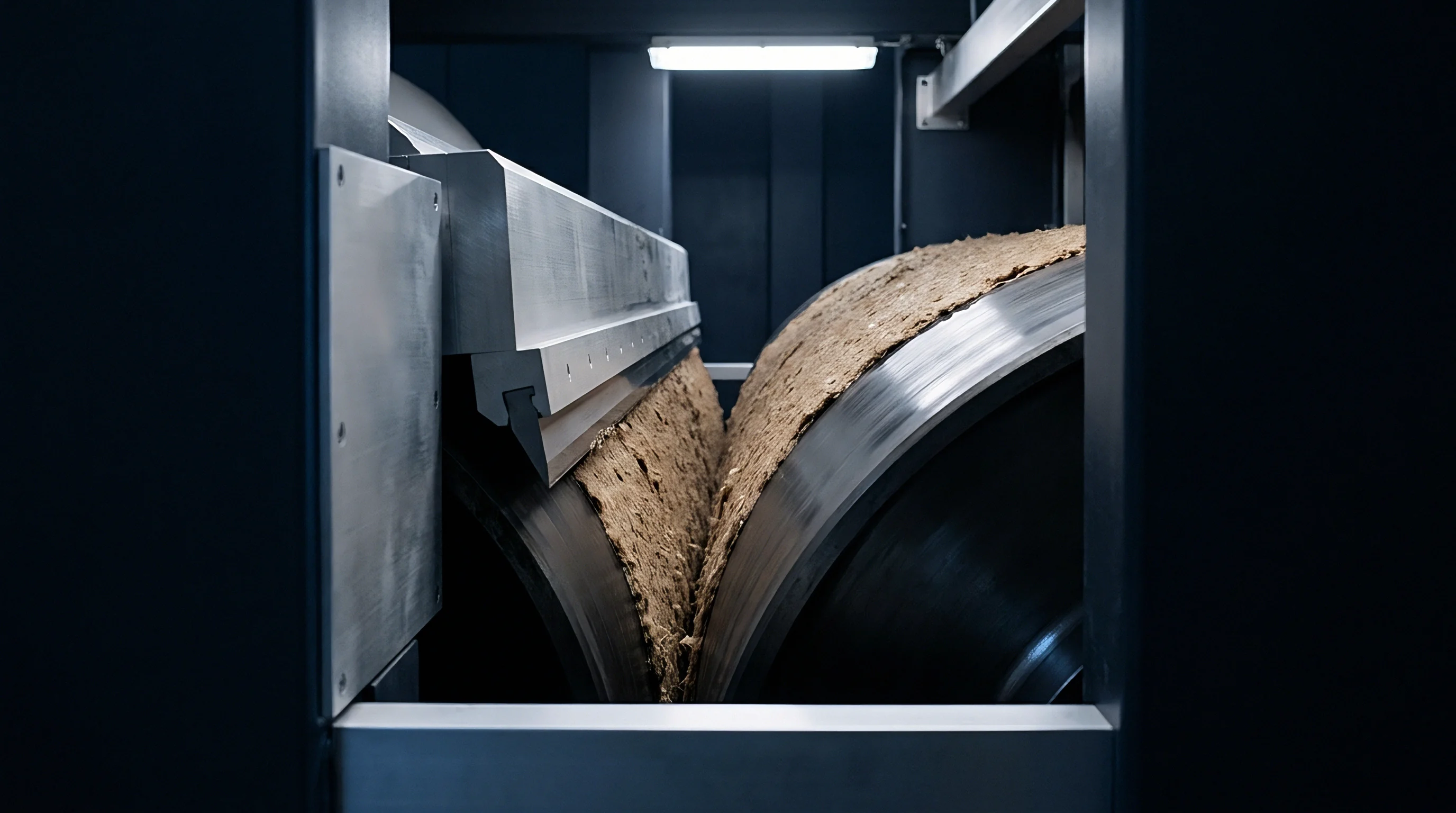
High-speed blade coaters impose shear rates exceeding one million reciprocal seconds inside the nip cavity. Carboxylated latex particles must withstand mechanical shear coagulation while maintaining controlled rheological dewatering; surface carboxyl groups bind water via hydrogen bonding to form a hydration shell that prevents irreversible coalescing under nip pressure. If particles dehydrate, they aggregate into hard grits that scratch the web.
- Steric Collapse Latex particles undergo premature aggregation when water-soluble extractives neutralize boundary surfactants.
- Viscosity Creep Unbound carboxylic acid monomer in the serum phase thickens pigment slips during circulation.
- Micro-Coagulation Divalent ion concentrations force carboxyl groups into insoluble calcium salts before deposition completes.
- Thermal Skinning Low glass transition latexes form premature surface films on hot applicator rolls, causing particle tracking.
Coater blade bleeding often stems from carboxyl group migration inside latex synthesis reactors rather than seasonal variations in raw timber pitch content.
Film
Dewatering of an applied coating drives liquid transport into the underlying fibrous matrix while latex spheres consolidate inside the pigment packing structure. Immediately after nip contact, capillary pressure in mechanical fiber pores pulls water from the wet layer. Immobilization occurs between sixty-two and sixty-eight percent total solids, where particle motion ceases.
Because minimum film formation temperature (MFFT) dictates polymer deformation, air drying hoods must maintain web temperatures above the latex MFFT to permit viscous flow of latex spheres into a continuous polymer network.
Latex particles below their glass transition temperature remain rigid spheres, leaving void spaces and weak interfacial contacts, whereas latexes operating above their MFFT undergo capillary-driven coalescence. Surface tension forces then flatten the particles against mechanical fiber surfaces, wrapping around exposed lignin domains and microfibril clusters.
Capillary Dewatering and Immobilization Thresholds
Pores between mechanical fibers exert suction pressures exceeding two megapascals during initial wet contact, pulling water and soluble latex serum components deep into the base stock. Rapid water loss accelerates pigment particle consolidation at the wet interface; if water drains too quickly, latex particles concentrate at the top of the coating layer, causing severe binder migration defects.
Drying Gradients and Vertical Distribution Profile
Infrared heating units applying five kilowatts per square metre cause rapid evaporation at the outer boundary. Temperature gradients through the coating layer govern particle distribution: as water evaporates from the surface, capillary flow pulls liquid latex spheres toward the heat source. Overly aggressive drying starves the fiber-latex interface of binder polymer, reducing dry pick strength during printing.
Purchasing contracts specified under ISO 3783 require a minimum velocity-viscosity product of twenty-eight newtons per metre to prevent surface pick failure during offset printing.
Comparing two binder latex configurations applied at ten grams per square metre onto an eighty gram per square metre BCTMP base paper illustrates this effect. Latex A exhibits a Tg of plus twenty-two degrees Celsius and an MFFT of twenty-five degrees Celsius, while Latex B features a Tg of plus six degrees Celsius and an MFFT of eight degrees Celsius. In this run, the coating station operates at twelve hundred metres per minute with air foil dryer temperatures set to one hundred sixty degrees Celsius.
| Polymer Chemistry | Glass Transition (°C) | MFFT (°C) | Immobilization Solids (%) | Surface Energy (mN/m) | Dry Pick Strength (m/s) |
|---|---|---|---|---|---|
| Latex A (High Carboxyl XSB) | 22.0 | 25.0 | 64.5 | 42.0 | 1.45 |
| Latex B (Low Carboxyl XSB) | 6.0 | 8.0 | 67.2 | 38.5 | 2.10 |
| Latex C (Mid Carboxyl XSA) | 14.0 | 15.0 | 65.8 | 44.2 | 1.85 |
| Latex D (Acrylonitrile XSB) | 18.0 | 19.0 | 63.0 | 46.1 | 1.92 |
Latex A fails to reach complete polymer coalescence within the two-second drying window, resulting in a porous binder matrix and low IGT pick values. Latex B deforms rapidly into a dense film anchored firmly within mechanical fiber voids. To comply with mill delivery agreements under TAPPI T 489, stiffness variation across paper reels must remain within four percent to prevent creasing during high-speed rewinding.

Interface
Molecular interactions between synthetic polymers and wood cell walls govern the mechanical strength of the consolidated surface layer. Where lignin surface coverage is high, carboxylated latex particles interact with fiber surfaces through secondary chemical bonding and mechanical interlocking. These non-covalent interactions include hydrogen bonding, van der Waals dispersion forces, and hydrophobic interactions, with phenolic hydroxyl groups on guaiacyl and syringyl lignin units acting as strong hydrogen donors to latex carboxylate groups.
Hydrogen bonding occurs when un-ionized carboxylic acid groups on latex particle surfaces align with phenolic hydroxyls on surface lignin. Aromatic rings in styrene monomer units provide dry strength by participating in pi-pi stacking interactions with the aromatic rings of phenylpropane lignin subunits, anchoring latex chains across hydrophobic pitch patches where polar hydrogen bonding cannot form.
Aromatic Stacking and Hydrogen Bonding Networks
Phenolic hydroxyl groups on unbleached fibers form secondary donor-acceptor complexes with carboxylic acid functionalities, with carboxyl-lignin hydrogen bonds showing dissociation energies between fifteen and thirty kilojoules per mole. Elevated drying temperatures promote polymer chain relaxation, allowing carboxyl groups to rotate toward the lignin substrate boundary; raising carboxylic acid content from one point five to three point five percent correspondingly increases interfacial shear strength across consolidated coatings.
Hydrophobic interactions drive styrene-rich latex domains onto pitch deposits while synthetic polymer chains displace weakly bound surface water, reducing interfacial free energy between binder and mechanical pulp fiber.
Divalent Cation Bridging Mechanisms
Calcium carbonate fillers release divalent cations into the aqueous phase during coating color preparation. Dissolved calcium ions (Ca2+) crosslink carboxyl groups by bridging negative charges between latex carboxylate groups and carboxyl groups on oxidized lignin structures, forming heat-stable ionic bonds with energies exceeding forty kilojoules per mole across the interface.
- Measure total cationic demand of mechanical pulp filtrate using polyelectrolyte titration according to SCAN-W 12.
- Adjust base stock pH to six point five using sodium hydroxide to maximize carboxylic acid group ionization without dissolving native hemicelluloses.
- Introduce amphoteric starch at four kilograms per tonne of dry fiber to passivate free resin acid colloidal particles.
- Dosage carboxylated binder emulsion containing three percent itaconic acid into the slip at twenty-two degrees Celsius.
- Calibrate infrared dryer zone temperatures to ensure web solids reach sixty-two percent prior to the first air foil drier nip.
Increasing the aromatic styrene content in carboxylated latexes improves dry pick resistance on mechanical stock while diminishing wet rub endurance.
Whether localized enzymatic oxidation of surface lignin can double carboxyl latex anchoring without accelerating thermal yellowing remains an open question in paper chemistry.

Diagnostics
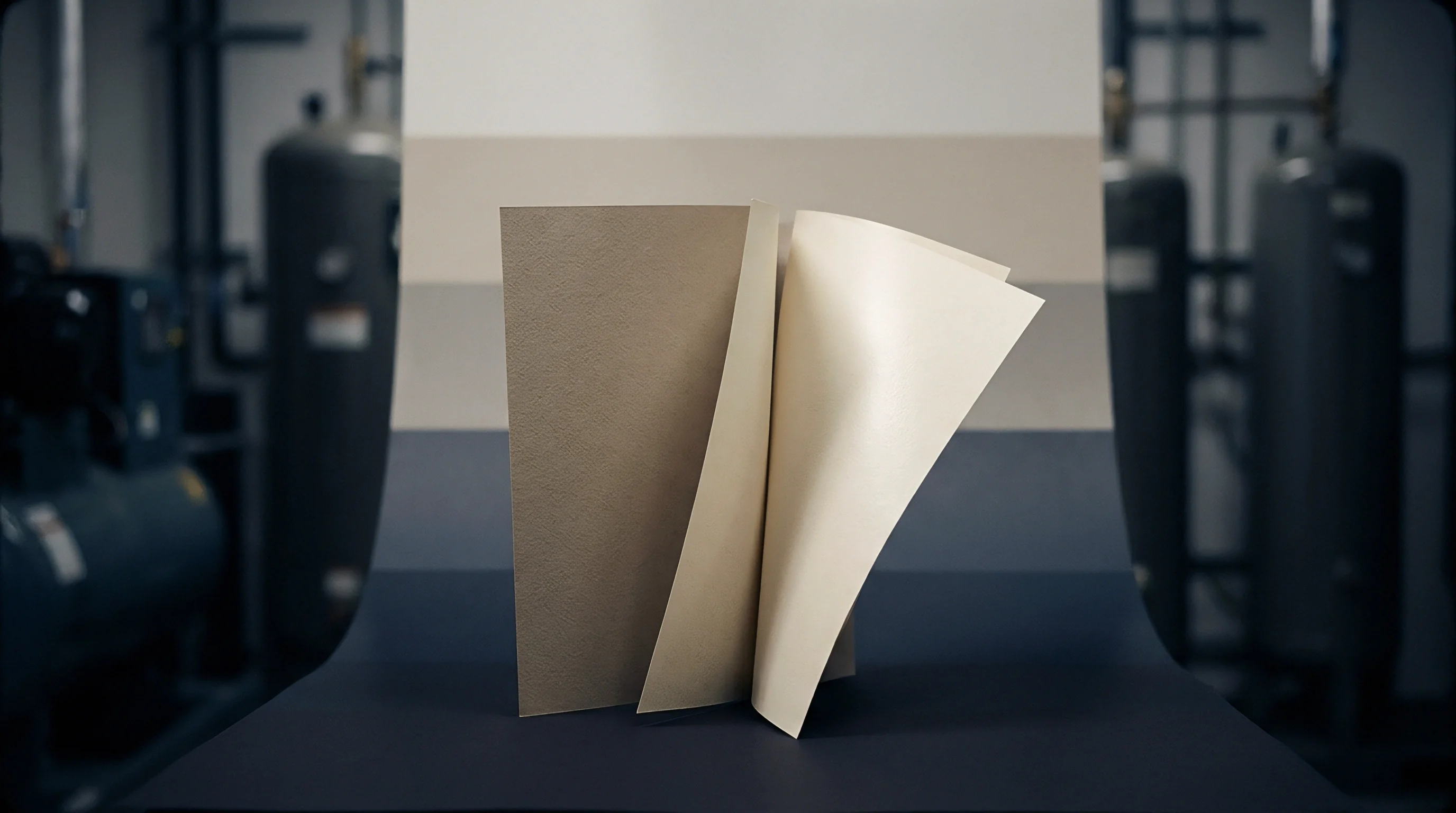
Verifying chemical bonding between coating polymers and mechanical fibers relies on spectroscopic surface probes alongside mechanical pick testing. X-ray photoelectron spectroscopy (XPS) determines elemental oxygen-to-carbon (O/C) ratios on unbonded fiber surfaces ~ where pure cellulose has a theoretical O/C ratio of zero point eight three and pure lignin yields roughly zero point three three ~ and quantifies surface coverage of binders, minerals, and exposed lignin down to a ten-nanometre sampling depth.
Attenuated total reflectance Fourier transform infrared spectroscopy (ATR-FTIR) profiles binder concentration gradients by tracking carbonyl groups from carboxylated latexes at seventeen hundred thirty reciprocal centimetres. Comparing peak intensity ratios between carbonyl bands and aromatic lignin bands at fifteen hundred ten reciprocal centimetres reveals vertical binder migration profiles across coated sheets.
Spectroscopic Profiling and Chemical Surface Mapping
X-ray photoelectron spectroscopy measures carbon-to-oxygen elemental ratios across the outer two nanometres of coated fibers. High-resolution C 1s spectra deconvolute into C1 (C-C/C-H bonds from lignin, pitch, and styrene), C2 (C-O bonds from cellulose), C3 (O-C-O/C=O bonds), and C4 (ester and carboxyl groups), where rising C4 peak intensity directly tracks carboxylated latex accumulation at the surface.
Scanning electron microscopy coupled with energy-dispersive X-ray spectroscopy (SEM-EDS) maps mineral pigment distribution relative to latex films: calcium mapping identifies ground calcium carbonate (GCC) domains, titanium mapping pinpoints opacity modifiers, and digital image processing measures latex uniformity across fiber surface topography.
Mechanical Strength and Ink Tack Resistance
Standard oil testing reels measure the critical velocity at which offset printing ink plucks coating fragments from the sheet surface. The IGT pick test per ISO 3783 applies accelerating speeds with standardized oils of known viscosity, while wet rub tests per ISO 2469 measure coating layer erosion under friction to isolate interfacial failure from water-induced hydrogen bond disruption between carboxyl latexes and lignin.
| Physical Property | Standard Method | Test Conditioning | Baseline Target | Root Cause of Failure |
|---|---|---|---|---|
| Dry Pick Resistance | ISO 3783 / TAPPI T 514 | 23 °C, 50% RH | > 1.8 m/s (Medium Viscosity Oil) | Low Tg binder incomplete coalescence |
| Surface Energy (Polar) | TAPPI T 558 | 23 °C, 50% RH | > 12.0 mN/m | Extractive resin acid migration |
| Wet Rub Endurance | ISO 2469 / TAPPI T 479 | 23 °C, 50% RH | < 15 mg mass loss per 100 cycles | Lack of ionic crosslinking ions |
| Surface Lignin Ratio | XPS C 1s Deconvolution | High Vacuum (< 10⁻⁸ Pa) | O/C ratio > 0.55 post-coating | Excessive binder migration to top |
- Sampling Reel Cores Retain three full-width strips across the drive side, center, and tend side immediately following tambour spooling to check web uniform thickness.
- Atmospheric Conditioning Store test sheets at twenty-three degrees Celsius and fifty percent relative humidity for twenty-four hours before mechanical testing per ISO 187.
- Spectroscopic Screening Run attenuated total reflectance infrared sweeps across low-pick areas to verify local carboxyl concentration profiles.
- Tack Pick Profiling Conduct IGT printing trials using high-viscosity test oils at accelerated speeds to locate the exact delamination energy threshold.
High lignin concentration at mechanical fiber surfaces reduces total polar surface energy and weakens binder anchorage.
A sheet showing uniform latex particle distribution under spectroscopic examination consistently withstands aggressive offset printing tacks without surface picking.
Commerce
Material selections on paper coating lines directly alter unit yield, pressroom spoilage rates, and end-of-life recycling compliance surcharges. Latex binders represent one of the highest cost components in a coating slip, priced between twenty-two hundred and thirty-one hundred Euros per dry tonne; optimizing carboxyl latex addition levels without sacrificing IGT pick resistance yields substantial savings across continuous paper machine runs.
Replacing synthetic latex with oxidized starches lowers raw material costs but increases coating color viscosity and reduces water retention. Because mechanical pulp grades have lower internal bond strength than chemical pulp, the latex binder must provide high surface strength at low coat weights to prevent surface picking during printing conversion.

Binder Dosage Optimization and Landed Sheet Yield
Replacing two percentage points of synthetic latex binder with oxidized corn starch lowers raw coating solids cost while altering performance. Oxidized starch increases water sensitivity and wet rub failure risks on offset presses, and because starch-rich coatings retain water, they require higher drying energy, restricting paper machine speeds.
Coating color yield calculations depend on dry binder density, dry pick targets, and blade trim loss. For a standard ninety gram per square metre coated mechanical publication paper using twelve grams per square metre of coating per side, reducing synthetic binder content from eleven parts to nine parts per hundred parts pigment cuts raw material expense by sixteen Euros per dry tonne of finished paper.

Recyclability Assessment and Deinking Stream Surcharges
European packaging waste directives penalize paper stocks containing non-dispersible synthetic polymers that form sticky deposits during repulping. Recyclability evaluations under PTS-RH 021/97 assess sticky formation during mechanical pulping of recovered paper: carboxylated latex binders with high glass transition temperatures fragment into rigid particles during re-slurrying, separating cleanly via screen fractionation.
Low Tg carboxylated latexes soften under pulping temperatures, forming tacky agglomerates that blind recycling screens and contaminate deinked pulp. Deinking efficiency standards under INGEDE Method 11 penalize synthetic binders that fail to detach from mechanical fibers during flotation, whereas highly carboxylated latexes ionize at alkaline deinking pH values and disperse efficiently into flotation froth without re-depositing on recycled fibers.
A commercial supply contract for five hundred tonnes of lightweight coated (LWC) mechanical magazine paper demonstrates the economic impact of binder optimization. Option A uses ten parts standard XSB latex at twenty-four hundred Euros per dry tonne. Option B uses eight parts high-carboxyl XSA latex at twenty-seven hundred Euros per dry tonne combined with zero point five parts ammonium zirconium carbonate crosslinker at thirty-two hundred Euros per dry tonne.
Option B reduces total dry binder mass per sheet while increasing dry pick strength by twelve percent. Lowering binder weight reduces raw coating slip costs by seven Euros and fifty Cents per tonne of finished paper, generating a total order saving of thirty-seven hundred fifty Euros while eliminating pressroom pick spoilage.
Choosing a carboxylated latex formulation tailored to mechanical fiber surface chemistry lowers binder addition rates by two dry parts while maintaining required offset pick resistance across high-speed commercial printing runs.