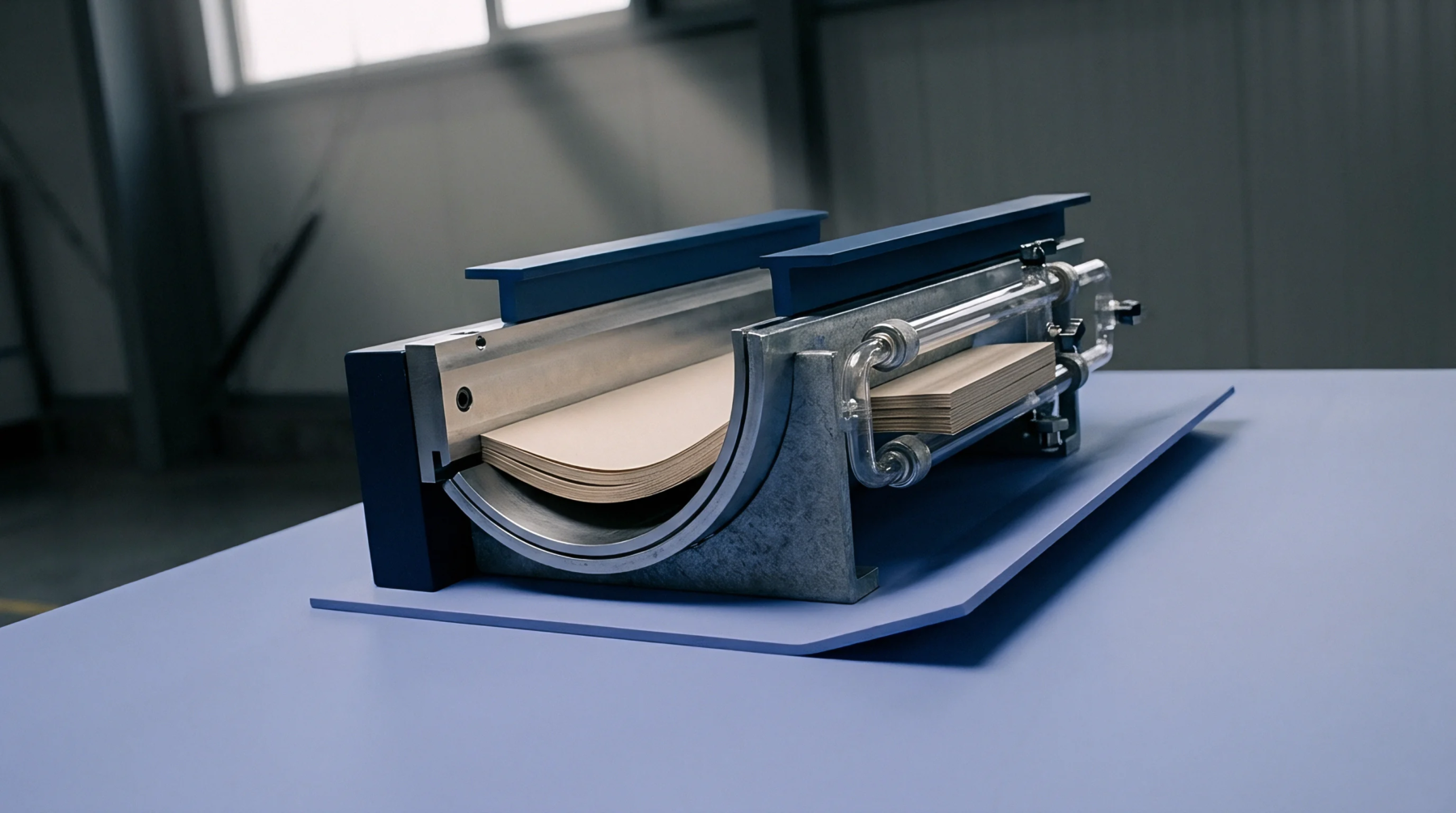
Application Sequence
Metal die thermal transfer equipment performs the transfer of metallic or pigmented films onto substrates through controlled heat and pressure cycles. A foil stamping line operates as a sequential assembly of modules that manage the decoiling, heating, pressing, and rewinding of material across a continuous web. Precision in this configuration dictates the registration accuracy of the graphic elements against the base stock.
Mechanical dwell times must match the conveyor speed to ensure complete bond adhesion without damaging the substrate surface.
Thermal Regulation
Heat transfer efficiency depends on the contact pressure and the temperature gradient applied to the metallic film. The foil stamping line utilizes internal heating elements to maintain the die at specific thermal setpoints while the impression cylinder provides the counter-pressure required for release. Material characteristics determine the operational limits, as heavy cardstocks require higher pressure to achieve crisp edges compared to lightweight papers.
Inconsistent temperature profiles across the die face result in partial transfers or flaking of the metallic layer.
Production Boundary
Throughput capacity depends on the mechanical speed of the transport web and the duration of the impression cycle. A foil stamping line functions within constraints imposed by the substrate deformation limit and the tensile strength of the carrier film. Excessive speed causes inconsistent foil release while insufficient pressure fails to lock the pigment into the surface fibers of the board.
Proper synchronization between the feeder, the stamping station, and the delivery unit ensures that the finished product maintains alignment and structural integrity across the entire run.