Measuring Dynamic Shear Dissipation Rates in Moisture Conditioned Mechanical Furnishes
Dynamic shear dissipation rates in mechanical furnishes rise non-linearly above 12 percent equilibrium moisture content, accelerating packaging box failure.

Fibril
Mechanical pulps retain high lignin contents compared to chemically cooked wood stocks. Standard thermo-mechanical pulp (TMP) and chemithermo-mechanical pulp (CTMP) retains between 25 and 30 percent lignin within the fiber wall matrix. Unrefined stone groundwood (SGW) preserves virtually the complete native chemical composition of raw softwood or hardwood logging bolts.
This high residual lignin alters how energy moves through a wet sheet under dynamic stress. Fiber bonds slip.

Morphological Entanglement in Mechanical Furnishes
Unbleached stone groundwood and thermo-mechanical pulps exhibit distinct structural networks under dynamic mechanical analysis. High yield mechanical fibers carry rigid, intact cell walls with intact middle lamella fragments attached to external surfaces. Mechanical refining generates thin ribbons of peeled outer cell wall material that create dense mechanical entanglements across adjacent fibers.
Storage modulus G’ in dry mechanical handsheets reaches 4.2 to 5.8 Gigapascals under unconstrained axial tension at room temperature. High stiffness persists while water contents stay below the cell wall saturation limit. Fiber stiffness dominates response.
Adsorbed moisture shifts structural response from elastic storage to viscous dissipation. Water molecules penetrate the amorphous hemicellulose matrix first, swelling the spaces between crystalline cellulose microfibrils. Hemicellulose absorbs moisture rapidly up to eight percent total sheet moisture by weight.
Softened lignin shifts response. Above twelve percent total moisture content, water molecules begin plasticizing the amorphous lignin phase within the primary wall and middle lamella remnants. Dynamic loss factor tan delta, defined as the ratio of loss modulus G” to storage modulus G’, increases sharply as moisture conditions rise from standard 50 percent relative humidity to 85 percent relative humidity.
Lignin softening at elevated relative humidity lowers the storage modulus while increasing energy losses under cyclical deformation.
Cyclic shear stresses applied to conditioned mechanical sheets force energy absorption through internal friction mechanisms. Microfibrils slide past each other inside softened cell wall layers, converting input mechanical energy into dissipated thermal energy. Fiber walls deform.
Unrefined groundwood fibers with low microfibril angles experience high longitudinal shear stress along cell wall boundaries during cyclic twisting. Fibrillated thermo-mechanical fibers redistribute local shear stress through external fibril mats, dampening peak force transmission through the bulk sheet thickness.
Fibers subjected to mechanical refining demonstrate varying dissipation rates depending on freeness levels and coarse shive fractions. Unrefined mechanical pulps exhibit early failure under dynamic cyclic shear because rigid shives create stress concentration points within the sheet matrix. Well-refined thermo-mechanical furnishes with Canadian Standard Freeness values below 100 milliliters develop uniform dissipation fields due to high specific surface contact area.
Sizing agents retard uptake. High surface area increases water adsorption capacity, accelerating viscoelastic transitions when relative humidity exceeds ambient laboratory conditions.
- Shive Content Failure ~ Large unrefined fiber bundles create sharp stiffness discontinuities that concentrate dynamic shear stress and initiate micro-cracks under minimal cyclic displacement.
- Fines Fraction Damping ~ Finely divided primary cell wall fragments increase inter-fiber contact area, raising viscous energy dissipation across the network when moist.
- Hemicellulose Plasticization ~ Early water adsorption within amorphous polysaccharides lowers matrix yield stress, causing early irreversible slip at low dynamic strain amplitudes.
- Lignin Glass Transition Shift ~ Moisture uptake depresses the glass transition temperature of native wood lignin from 115 degrees Celsius down toward ambient packaging temperatures.
Refining intensity governs inter-fiber shear transfer across moist networks. Higher energy inputs during mechanical pulping liberate flexible outer fibers while reducing shive concentrations. Flexible fibers conform tightly during web consolidation, creating small inter-fiber void diameters that restrict rapid liquid transport while maximizing hydrogen bond density per unit bulk volume.
Softened matrices lose recovery. Water acts as plasticizer.
When relative humidity fluctuates on converting lines, mechanical stock undergoes localized hygro-mechanical strain. External cyclic shear loads applied during reel winding or laminating interact with internal hygroscopic expansion stresses. Elevated dissipation rates within wet fiber networks reduce sheet stability, causing localized thickness swell and permanent calender collapse.
As a general rule for mill processing, mechanical furnish freeness must drop below 90 milliliters Canadian Standard Freeness to ensure dynamic loss factors stay within predictable bands during humidity variations.

Swell
Water uptake within high-yield mechanical stocks occurs inside amorphous cell wall fractions. Native cellulose microfibrils remain highly crystalline and resistant to direct water molecule penetration. Hemicellulose and amorphous lignin regions house hydroxyl groups that readily form hydrogen bonds with incoming water vapor molecules.
Fiber walls expand. Volumetric expansion proceeds anisotropically, causing transverse cell wall swelling up to fifteen times greater than axial expansion along the fiber axis.
Bound Water Kinetics across Cellulose Fractions
Hygroscopic sorption within plant-based structures shifts from monolayer absorption at low relative humidity to capillary condensation above sixty percent ambient moisture. Monolayer water molecules bind tightly to primary hydroxyl sites, forming structured layers that exhibit limited mobility. Secondary sorption adds loosely bound water layers that increase polymer chain mobility within cell wall matrices.
Dynamic shear dissipation rates remain low during early monolayer sorption because primary hydrogen bonds maintain matrix rigidity. Storage modulus drops rapidly.
Capillary condensation introduces liquid water into cell wall micropores and inter-fiber void structures. Liquid water inside pores acts as a fluid lubricant, reducing friction coefficients between adjacent fiber surfaces under dynamic motion. Moisture alters energy storage.
When moisture levels exceed twelve percent by weight, loss modulus G” reaches peak values relative to declining storage modulus G’. Dynamic strain accelerates yield. Dynamic loss factor measurements captured across incremental moisture steps demonstrate clear non-linear transitions.
| Equilibrium Moisture Content Percent | Test Atmosphere Relative Humidity Percent | Storage Modulus G Prime Megapascals | Loss Modulus G Double Prime Megapascals | Loss Factor Tan Delta Ratio | Dissipation Rate Millijoules Per Cycle |
|---|---|---|---|---|---|
| 4.8 | 20 | 1420 | 56.8 | 0.040 | 0.18 |
| 7.2 | 50 | 1280 | 64.0 | 0.050 | 0.22 |
| 10.5 | 65 | 1050 | 78.8 | 0.075 | 0.31 |
| 14.1 | 80 | 760 | 83.6 | 0.110 | 0.44 |
| 18.5 | 90 | 490 | 73.5 | 0.150 | 0.52 |
| 22.3 | 95 | 310 | 52.7 | 0.170 | 0.48 |
| Methods note: Test parameters established according to ISO 6721-2 dynamic mechanical analysis procedures using torsional rectangular geometry at a constant strain amplitude of 0.05 percent. Test specimens conditioned under ISO 187 atmospheric protocols for 48 hours prior to testing. Dissipation rates calculated from hysteresis loop integration per unit specimen volume. | |||||

Why Does Dissipation Rate Drop above Fiber Saturation?
Beyond complete cell wall saturation, free liquid accumulates inside lumen spaces without altering hydrogen bonding networks. Free water does not contribute to further polymer chain mobility within the lignin-hemicellulose matrix. Storage modulus continues to decline due to bulk volume expansion, but loss modulus stabilizes or decreases slightly.
Hydrodynamic lubrication effects replace polymer friction as the primary physical resistance mechanism during dynamic deformation. Dissipation efficiency drops. Energy dissipation per unit volume levels off because structural softening reduces total stress capacity faster than phase lag increases.
Swelling alters cross-sectional sheet dimensions and changes stress distribution across multi-ply packaging boards. Middle plies containing high fractions of thermo-mechanical pulp swell thicker than outer bleached kraft surface layers. Thickness expansion creates internal transverse shear stresses along ply boundaries during cyclic flexure.
High moisture accelerates failure. Uncontrolled ply delamination occurs when localized shear dissipation rates exceed interfacial bond strength between distinct furnish layers.
Mill suppliers frequently explain that high-yield mechanical stocks naturally lose dynamic shear rigidity under humid conditions due to fundamental wood polymer chemistry. They state that pulp treatments can only delay water vapor diffusion without permanently altering native lignin hygroscopicity.

Torsion
Rotational rheometry and dynamic mechanical analysis apply controlled angular displacements to test specimens. Torsional testing isolates out-of-plane shear modes that operate within packaging structures during converting and handling operations. Specimen geometry requires precise rectangular cutting to prevent edge crush damage along fiber walls.
Board caliper remains constant. Thickness variations across the test area alter calculated shear stress by the third power, amplifying measurement errors.
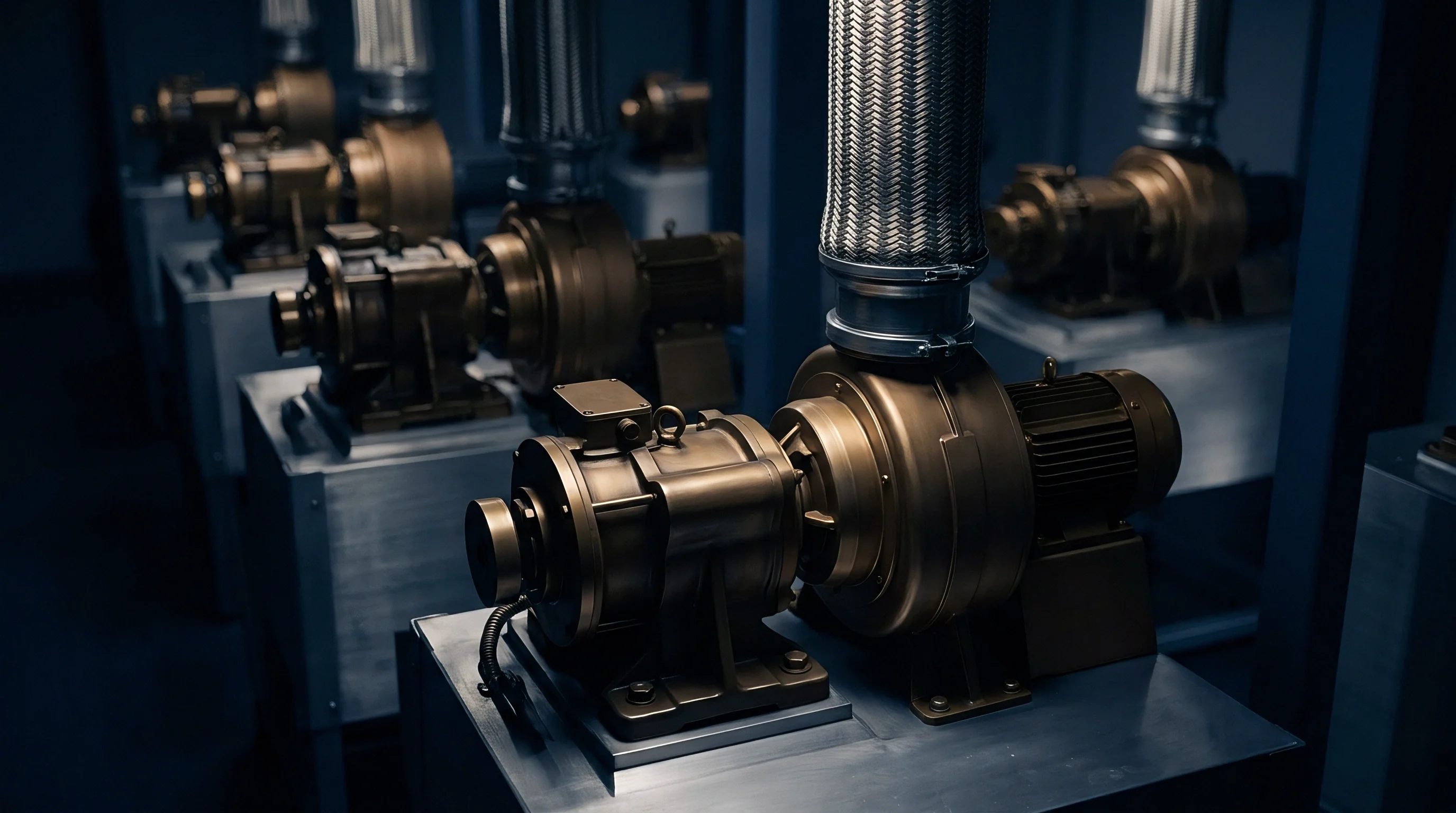
Rheometric Geometries and Shear Rate Calibration
Torsional rectangular fixtures clamp paperboard strips under uniform torque limits to eliminate clamp slippage during cyclic twisting. Axial force controllers maintain zero static normal force to prevent pre-straining the specimen along the longitudinal axis. Oscillatory frequency sweeps spanning from 0.1 Hertz to 100 Hertz map the complete viscoelastic relaxation spectrum of conditioned samples.
Clamp pressure alters damping. Low frequencies capture long-term creep and stress relaxation processes, while high frequencies isolate fast micro-structural elastic responses.
Strain sweeps confirm the limits of linear viscoelastic behavior for moist mechanical substrates. Linear viscoelastic limits for conditioned thermo-mechanical board typically lie below 0.1 percent strain amplitude. Exceeding critical strain thresholds induces irreversible inter-fiber bond destruction and micro-fissuring.
Measured loss factors artificial spike when nonlinear damage mechanisms activate during over-strained testing sweeps. Dynamic shear destroys stiffness.
Conditioning mechanical board at 85 percent relative humidity and 23 degrees Celsius increases tan delta from 0.042 to 0.098 at 10 Hertz.
Standardization requires rigid temperature and humidity control directly inside the rheometer testing chamber. Standard environmental chambers must regulate relative humidity within one percent across long frequency sweeps. Thermal fluctuations shift the water vapor equilibrium inside the paper strip, altering measured dissipation parameters during testing runs.
Machine direction stiffness differs. Tests conducted under fluctuating chamber conditions produce erratic phase lag angles that hide actual material decay curves.
| Standard Designation | Deformation Mode | Specimen Dimensions Length By Width Millimeters | Frequency Range Hertz | Conditioning Parameter ISO TAPPI |
|---|---|---|---|---|
| ISO 6721-2 | Torsional Rectangular | 45 by 10 | 0.1 to 100 | ISO 187 23C 50RH |
| TAPPI T 541 | Z-Direction Tensile Shear | 25.4 diameter circle | 1.0 to 20 | TAPPI T 402 23C 50RH |
| ASTM D5279 | Dynamic Torsional Shear | 50 by 12.5 | 0.01 to 50 | ISO 187 modified humidity |
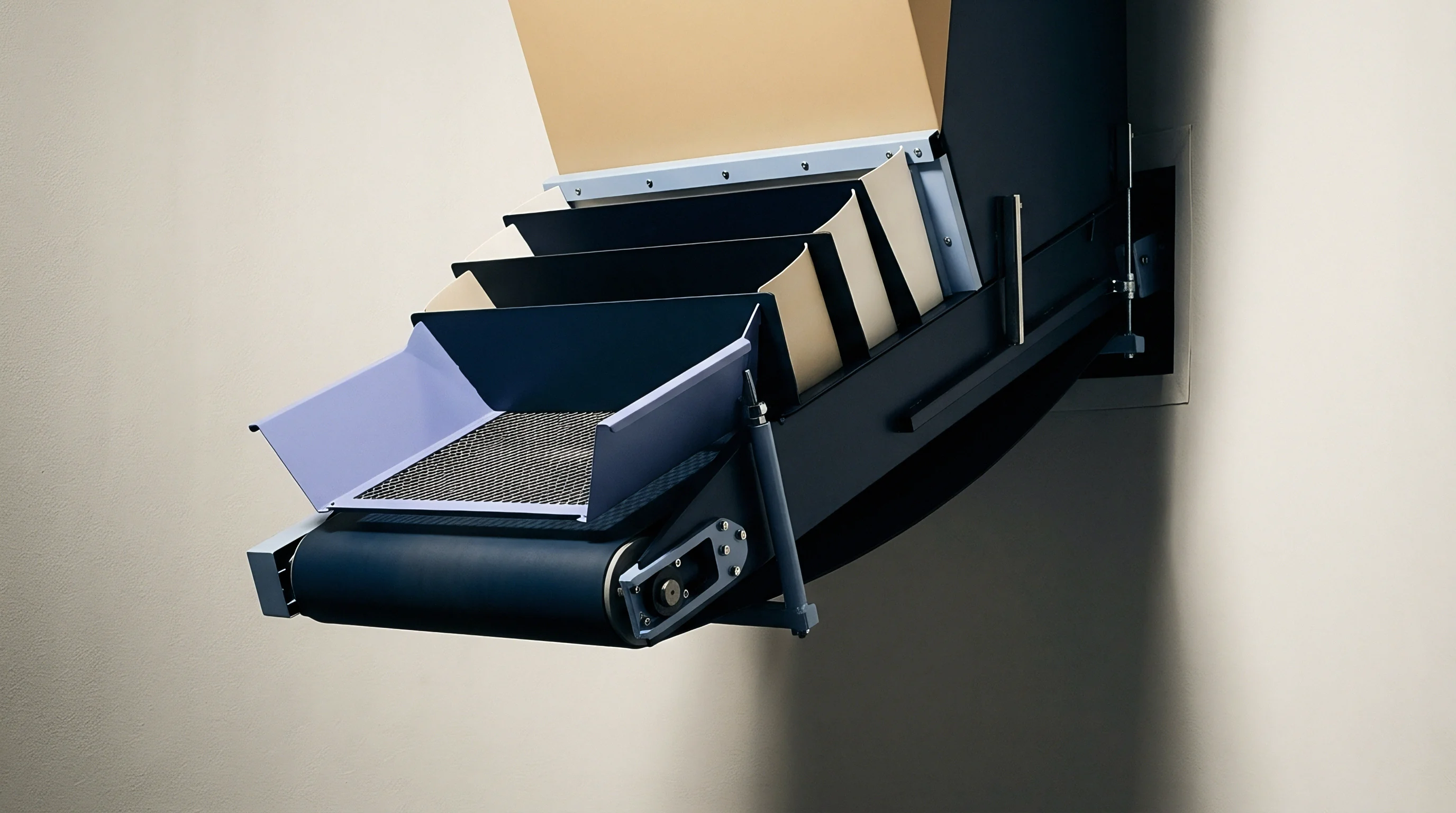
Fixturing Effects and Sample Compliance Corrections
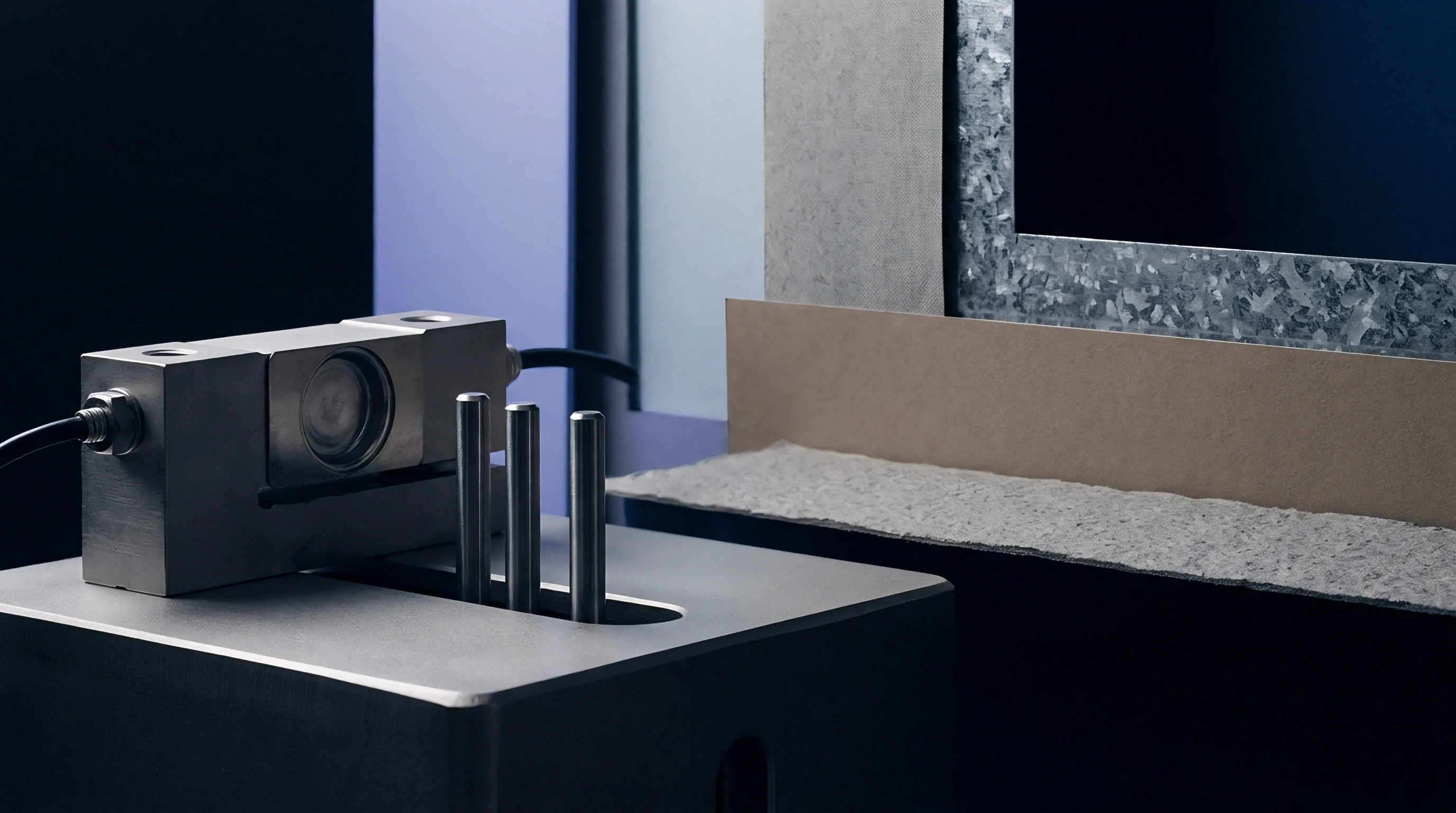
Instrument frame deflection during elevated load sweeps introduces phase angle errors that skew dampening measurements. High stiffness dry board samples generate high torque signals that bend loading arms slightly. Machine compliance calibrations subtract system deformation from raw transducer readings before computing storage and loss moduli values.
Calibration protocols use solid steel calibration bars of known geometric stiffness to establish baseline system compliance curves across applied frequency domains.
Sample clamping forces must adapt to sheet moisture levels. Clamping dry mechanical board with high grip forces prevents sample slip inside serrated jaw faces. Clamping moist, softened paperboard with identical clamp forces crushes the soft surface layers, rupturing internal fiber bonds before testing begins.
Crushed clamp ends generate artificially elevated loss factor readings due to friction inside damaged boundary zones. Lowering clamp torque for moisture-conditioned samples maintains structural integrity inside the active test span. Energy dissipates through friction.
Incorrectly setting clamp torque on moisture-conditioned mechanical board corrupts quality assurance records and allows out-of-specification reels into high-speed converting plants. Converter lines run into severe jam-ups when improperly audited stock buckles under high-speed nip shear loads.

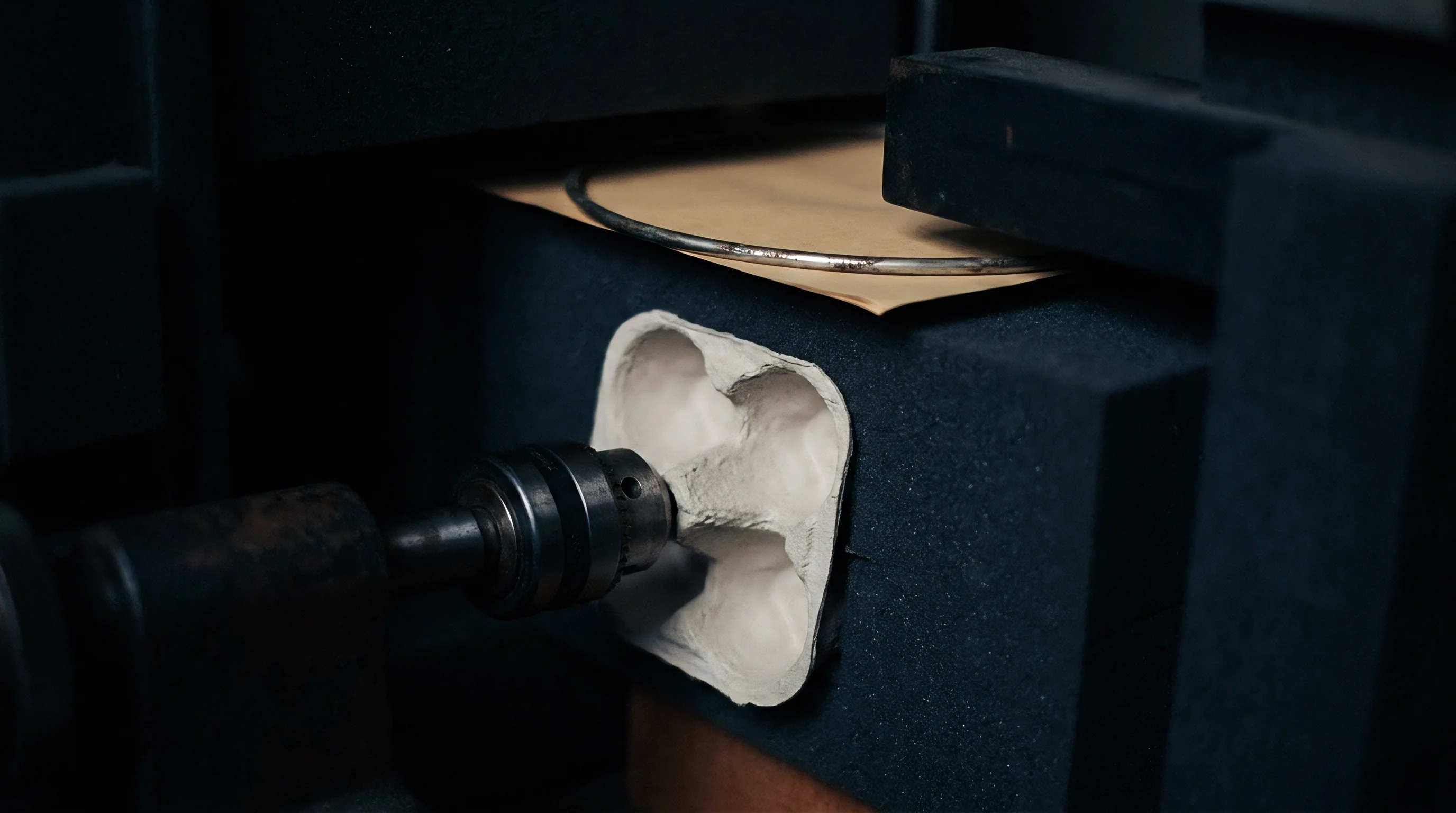
Hysteresis
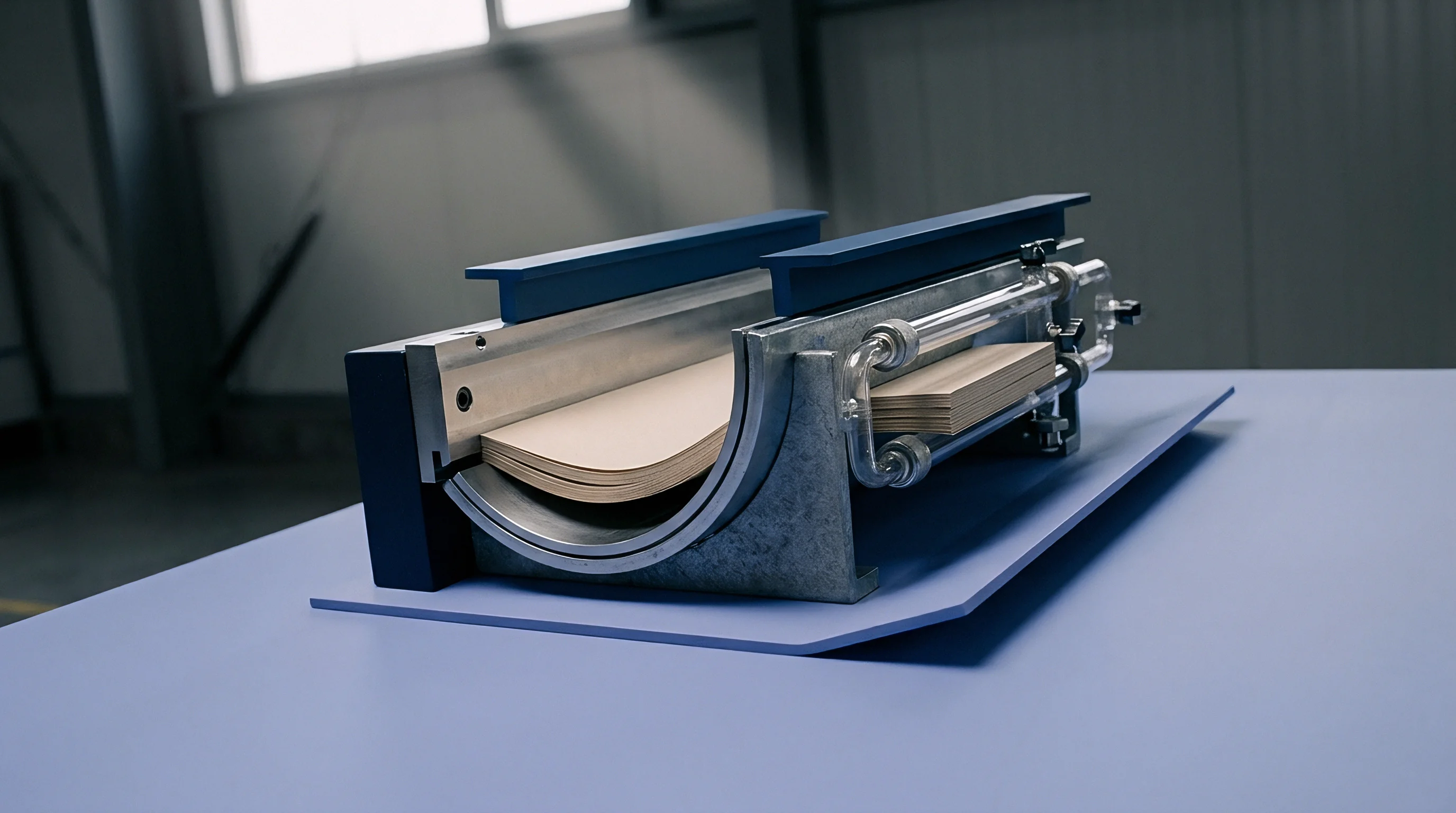
Cyclic loading within conditioned mechanical fiber networks generates energy loss loops during dynamic strain sweeps. Enclosed area inside the shear stress versus shear strain loop represents total mechanical work converted into heat per unit cycle volume. Elastic materials form single line tracks where loading curves match unloading curves exactly.
Viscoelastic mechanical paperboards form broad hysteresis loops that expand in area as relative humidity levels increase.

Energy Loss Mechanisms under Cyclic Loading
Internal damping in wood-derived stocks stems from sliding motion between adjacent cell walls and viscoelastic deformation of amorphous polymers. Intact middle lamella sections in stone groundwood pulps resist deformation until cyclic shear forces exceed static friction thresholds. Micro-slippage along fiber-to-fiber joint contact zones generates steady energy losses without complete bond destruction.
Yield limits shift downwards. Higher moisture levels reduce surface friction coefficients, allowing larger slip distances at identical dynamic shear amplitudes.
Viscoelastic polymer chain movement contributes significantly to energy dissipation at elevated temperatures and moisture levels. Water molecules act as plasticizing spacers between hemicellulose and lignin polymer chains, increasing free volume within amorphous cell wall regions. Polymer segments shift position under applied shear stress, lagging behind incoming load signals.
Phase lag angle delta quantifies this time delay between peak applied stress and peak resulting strain response.
ISO 187 conditioning specifications mandate 23 degrees Celsius and 50 percent relative humidity, penalizing shipments tested outside a two percent tolerance band.
Inter-Fiber Friction and Lignin Plasticization
Adsorbed molecules lower the glass transition temperature of natural binders from over one hundred degrees Celsius down to room temperature. Moisture conditioning to 85 percent relative humidity drops the effective glass transition of water-saturated lignin toward 25 degrees Celsius. Amorphous lignin transitions from a glassy rigid solid into a rubbery plastic state during dynamic mechanical testing.
Glassy matrices store deformation energy elastically, while rubbery matrices dissipate energy through rapid viscous flow. Phase lag widens.
- Precondition mechanical paperboard samples in a desiccator cabinet at ten percent relative humidity for 24 hours to erase prior environmental moisture history.
- Transfer specimens immediately to an environmental conditioning chamber set to target relative humidity levels per ISO 187 protocols for 48 hours.
- Mount conditioned test strips into calibrated torsional rectangular grips using a torque-limiting screwdriver set to 0.45 Newton-meters force.
- Initiate sinusoidal oscillatory shear strain sweeps from 0.01 percent to 0.5 percent strain amplitude at a fixed frequency of 1.0 Hertz.
- Calculate energy dissipation per cycle by integrating the closed area of raw shear stress against engineering shear strain hysteresis loops.
Hysteresis loop shape changes predictably as strain amplitude increases past linear viscoelastic bounds. Symmetrical elliptical loops indicate pure linear viscoelastic response where loss factor remains independent of strain amplitude. Asymmetric or flattened hysteresis loops reveal non-linear structural breakdown, inter-fiber debonding, and plastic yield within the sheet thickness.
Humidity cycles drive fatigue.
Standard purchase contracts for high-yield mechanical packaging boards include strict moisture conditioning clauses based on ISO 187 parameters. These clauses specify that mechanical board failing dynamic shear dissipation limits after 48 hours of standard conditioning entitles the buyer to immediate rejection of the delivered reel lot.

Converting
High-speed packaging machinery exerts combination shear and compression forces on folded carton flaps. Folding operations bend paperboard along pre-creased scorelines at line speeds exceeding 400 cartons per minute. Crease lines experience severe dynamic shear strain across internal plies during rapid 90-degree and 180-degree folding sequences.
Stock performance depends on controlled ply delamination along central mechanical pulp layers.
Creasing Dynamics and Scoreline Delamination
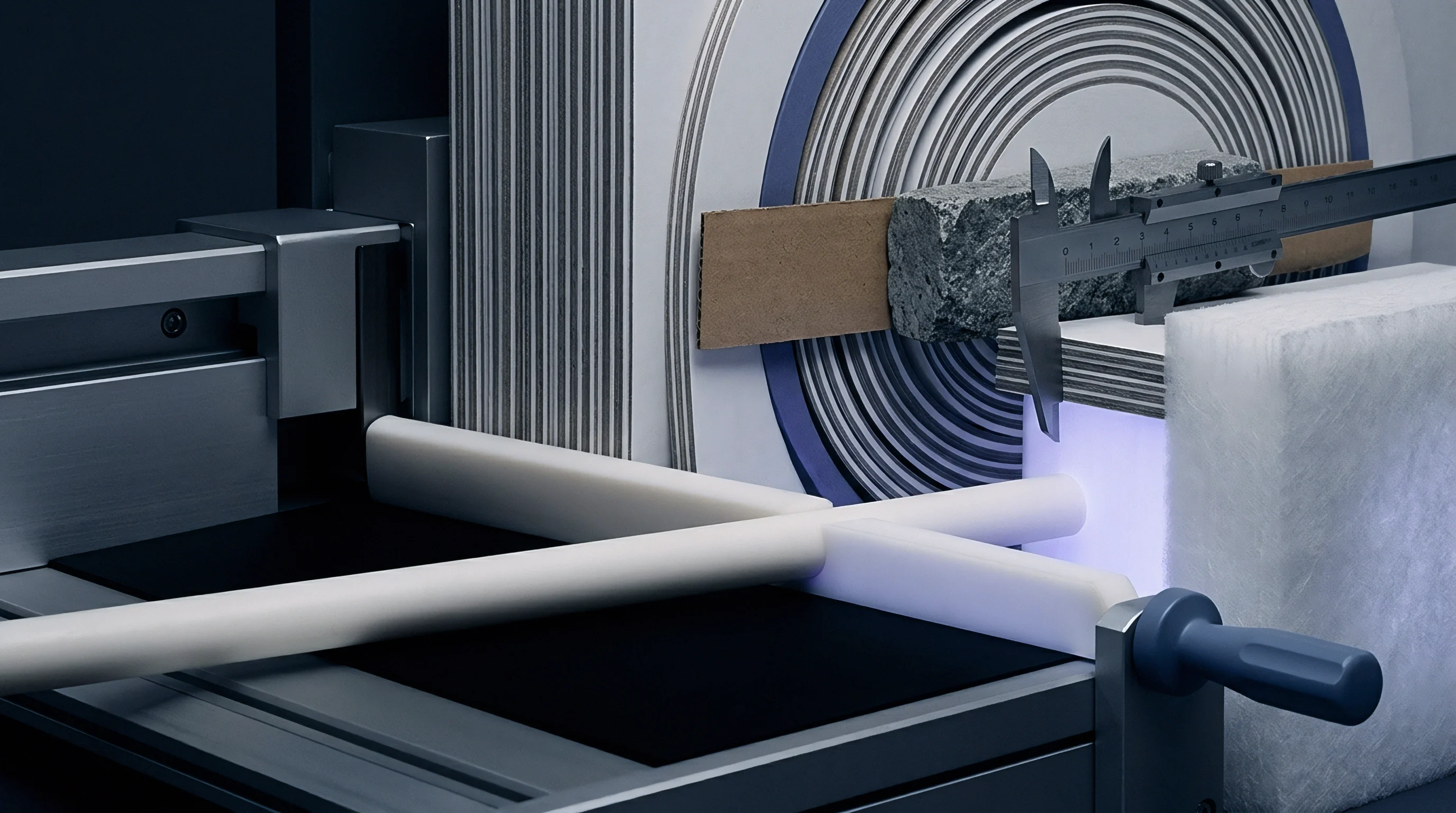
Scoring tools displace internal sheet layers along pre-defined lines to lower bending stiffness prior to folding. Effective creasing forms internal shear cracks within middle mechanical plies while leaving outer kraft liner layers completely intact. Controlled internal delamination allows outer layers to bend cleanly without surface cracking or rupture.
Sizing agents slow water penetration. When mechanical board absorbs excess humidity during storage, dynamic shear dissipation rates within middle plies rise rapidly.
Excessive shear dissipation inside creased zones leads to mushy, poorly defined scorelines. Softened mechanical fibers absorb folding energy without forming clean, localized shear cracks along the score center. Bending resistance increases because energy dissipates diffusely across wide areas instead of concentrating along the creased hinge.
Scorelines crack under compression. Packaging machines experience frequent jam-ups when soft scorelines resist flat folding or bulge outward into automated filling stations.
Calculations comparing thermo-mechanical board formulations demonstrate the operational impact of moisture conditioning on converting line performance. Take a 350 gram per square meter folding boxboard composed of 100 percent thermo-mechanical pulp middle plies compared against a modified furnish containing 70 percent thermo-mechanical pulp and 30 percent bleached softwood kraft pulp. Assume both boards are conditioned from 50 percent relative humidity up to 85 percent relative humidity prior to high-speed creasing and folding.
At standard 50 percent relative humidity, the 100 percent thermo-mechanical pulp board exhibits a storage modulus of 1150 Megapascals and a dynamic loss factor of 0.052. Crease folding requires 42 Millijoules of bending energy per scoreline meter. When conditioned to 85 percent relative humidity, storage modulus drops to 620 Megapascals while loss factor jumps to 0.125.
Bending energy increases to 78 Millijoules per meter due to widespread viscous dissipation across softened lignin matrices. The scoreline broadens by 0.45 millimeters, exceeding automated cartoner tolerance limits.
The modified furnish board containing 30 percent softwood kraft maintains higher structural integrity under elevated humidity. At 85 percent relative humidity, its storage modulus drops to 780 Megapascals while loss factor rises to only 0.088. Bending energy remains controlled at 54 Millijoules per meter, preserving precise scoreline geometry.
Assuming a converting line processing 100,000 cartons per shift with a baseline spoilage cost of 0.12 Euros per failed carton, using the 100 percent mechanical board under high humidity increases carton reject rates from 0.5 percent to 3.8 percent. Spoilage losses surge from 600 Euros to 4,560 Euros per shift.
Nip Shear Behavior in High-Speed Laminators
Passage through pressure rolls imposes high-frequency shear pulses on multi-ply boards. Rotating pressure nips generate localized dynamic shear forces through the sheet caliper within millisecond contact windows. Dry mechanical boards store nip deformation energy elastically, rebounding completely upon exiting the press roll zone.
Moisture-conditioned boards absorb nip energy through viscous shear dissipation, leading to permanent caliper loss and density increases.
- Evaluate Middle Ply Furnish Composition ~ Verify the precise balance of thermo-mechanical pulp and long-fiber kraft pulp to ensure adequate tensile strength under high shear loads.
- Monitor Environmental Storage Limits ~ Track relative humidity within converting plant warehouses to prevent stock moisture uptake beyond target ten percent equilibrium levels.
- Adjust Scoring Tool Clearance Settings ~ Increase creasing matrix depths when processing high-dissipation mechanical board to force sharp internal shear cracking.
- Audit Dynamic Loss Factor Parameters ~ Perform dynamic mechanical shear testing on incoming mill lots to catch batch-to-batch viscoelastic variations before press setup.
Dynamic shear dissipation testing provides clear quantitative data regarding board performance under fast mechanical deformation cycles. How can packaging engineers reliably translate small-scale laboratory dynamic rheology measurements into precise web tension adjustments on commercial wide-format laminating machinery?


Settlement
Commercial disputes regarding box compression failure routinely trace back to unmonitored humidity spikes during transit. Shipping containers cross multiple climate zones, exposing stacked packaging to relative humidity levels exceeding 90 percent for extended durations. Mechanical pulp packages designed for dry ambient storage soften rapidly when ambient humidity climbs.
Box corners buckle under dynamic highway vibration forces when dynamic shear dissipation rates surpass critical thresholds.
Mill Certificate Verification and Batch Variance
Standardized laboratory test reports reflect sheet performance under controlled, static environments that rarely mirror actual supply chain conditions. Mill certificates report basic grammage, ISO brightness, Cobb water absorption, and static cross-direction ring crush test values. Standard ring crush tests measure static compressive failure over several seconds.
Static measurements completely fail to predict how moist mechanical fiber networks perform under repetitive, low-amplitude vibration cycles experienced aboard freight transport vehicles.
Laboratory dynamic mechanical analysis reveals structural degradation long before static strength indicators register compliance failures. A mechanical board sample conditioned to 80 percent relative humidity retains up to 75 percent of its static short-span compression resistance while losing over 50 percent of its dynamic storage modulus under 10 Hertz shear oscillation. Dynamic fatigue causes progressive micro-bond displacement across cell wall networks.
Stacks collapse under sustained dynamic loads far below certified static load limits.
Excessive viscoelastic energy dissipation under dynamic shear predicts box stacking collapse before static compression limits are reached.
Commercial Adjustments and Rejection Tolerances
Purchasers establishing quality criteria specify upper limits for loss factor variations across moisture bands. Specifications mandate that dynamic loss factor tan delta must not exceed 0.095 when tested at 10 Hertz under 75 percent relative humidity conditioning. Board lots exceeding this threshold exhibit excessive creep and structural softening in humid storage warehouses.
Buyers implement price deduction schedules or outright lot rejections when delivery testing demonstrates non-compliant dissipation behavior.
Substrate specifications must account for inherent furnish variations across raw timber sources and mill refining systems. Seasonal softwood variations alter native lignin distribution, shifting baseline viscoelastic performance across production runs. Establishing rigorous goods-in testing protocols using dynamic mechanical shear analysis protects downstream converting operations from unexpected structural failures.
Technical buyers audit mill certificates against independent dynamic test data to ensure landed packaging stock maintains required structural performance under transit conditions.
Contractual settlement terms resolve financial liabilities arising from stock failure during high-humidity transit legs. Rejection claims rely on verified test dossier records documenting that delivered mechanical board failed dynamic shear dissipation requirements under standard ISO 187 conditioning protocols.