Fibre Equilibrium
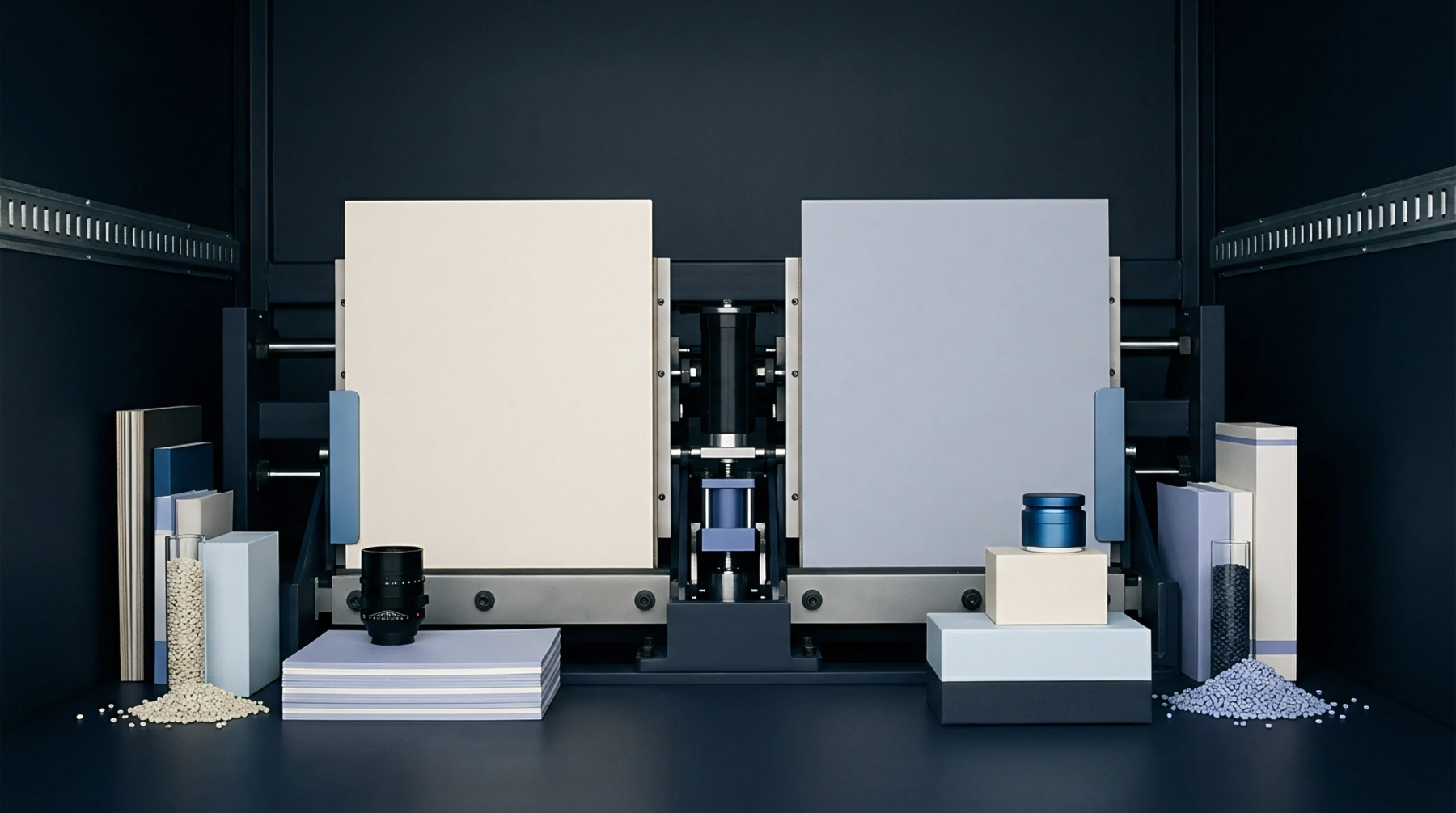
Equilibration within a controlled atmospheric chamber aligns the internal water content of cellulose sheets with the surrounding air humidity. Moisture conditioning prevents dimensional instability during subsequent high speed printing operations by bringing paper stock to a state where gains or losses of water molecules cease. Precise control of the relative humidity and ambient temperature inside the climate room allows a mill to settle the moisture profile of each load.
Deviations from the target percentage cause curling or edge wave on the press, which stops the continuous feed of a converter. Proper adjustment ensures the substrate remains flat as it moves through the intake rollers of a web fed machine.
Operational Variance
Variations in ambient factory conditions necessitate a buffer period before unwrapping raw materials for production. Cold sheets brought into a warm room suffer from condensation on the surface as the temperature difference forces water from the air to collect on the paper. Allowing the skids to rest until reaching thermal and hygroscopic stability mitigates the risk of blocking or ink transfer failures.
This period depends on the size of the stack and the delta between the transport environment and the shop floor.
Performance Benchmark
Production quality relies upon the ability of the material to maintain structural integrity across fluctuating facility environments. Moisture conditioning acts as the bridge between raw mill output and the rigid requirements of finished packaging lines. Paper that reaches the conversion stage with uniform internal hydration provides a stable foundation for adhesives, coatings and mechanical creasing.
Stable water content limits the degree of stress in the cellulose structure. Final success in printing and folding depends on this state of homogeneity.