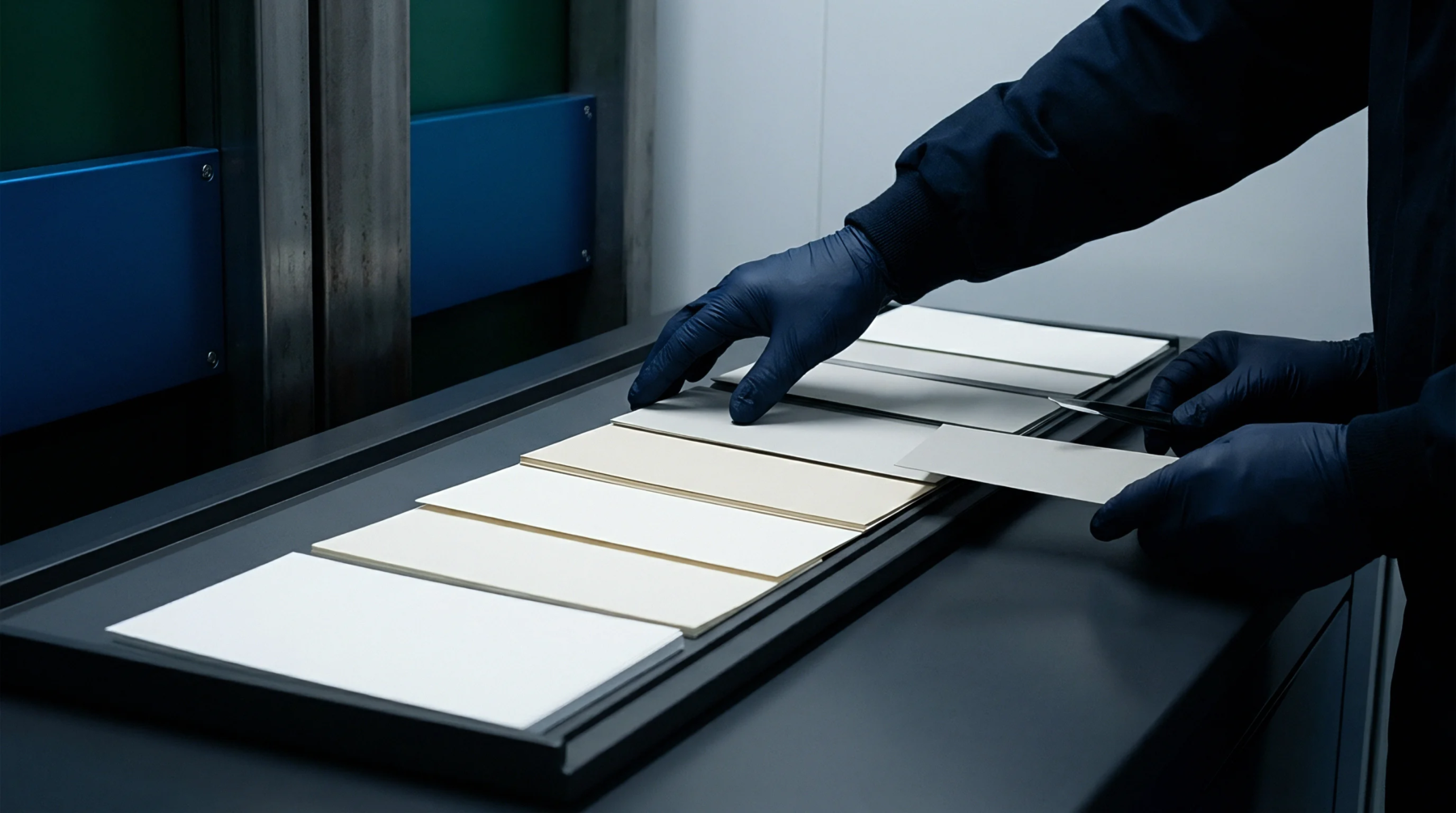
Viscosity Change
Gradual increase in fluid resistance over time in a multi-component adhesive or coating system indicates the progress of the internal curing reaction. For converter operators, pot life viscosity drift defines the usable window before the mixture becomes too thick for uniform application. The drift represents the transition of the resin from a liquid monomeric state to a partially polymerized network.
If the drift exceeds the limits of the application equipment, the coating becomes uneven.
Chemical Progression
Chemical progression of the reaction between the binder components proceeds continuously from the moment the catalyst is introduced. In a typical laminating adhesive, pot life viscosity drift accelerates as the polymer chain length grows. The rate of the drift is highly dependent on ambient temperature, meaning that warmer print room conditions compress the available working time.
Operators track this property to determine the necessity of adhesive replenishment. This monitoring ensures that the bond strength remains consistent throughout the production run.
Operational Impact
Control of gravure and flexographic coating heads requires a stable fluid viscosity to maintain coat weight accuracy. When pot life viscosity drift is neglected, the applied dry film weight becomes irregular, leading to poor barrier performance and increased drying times. This problem is avoided by using automatic solvent dosing systems that maintain the target viscosity.