Resistance Profile
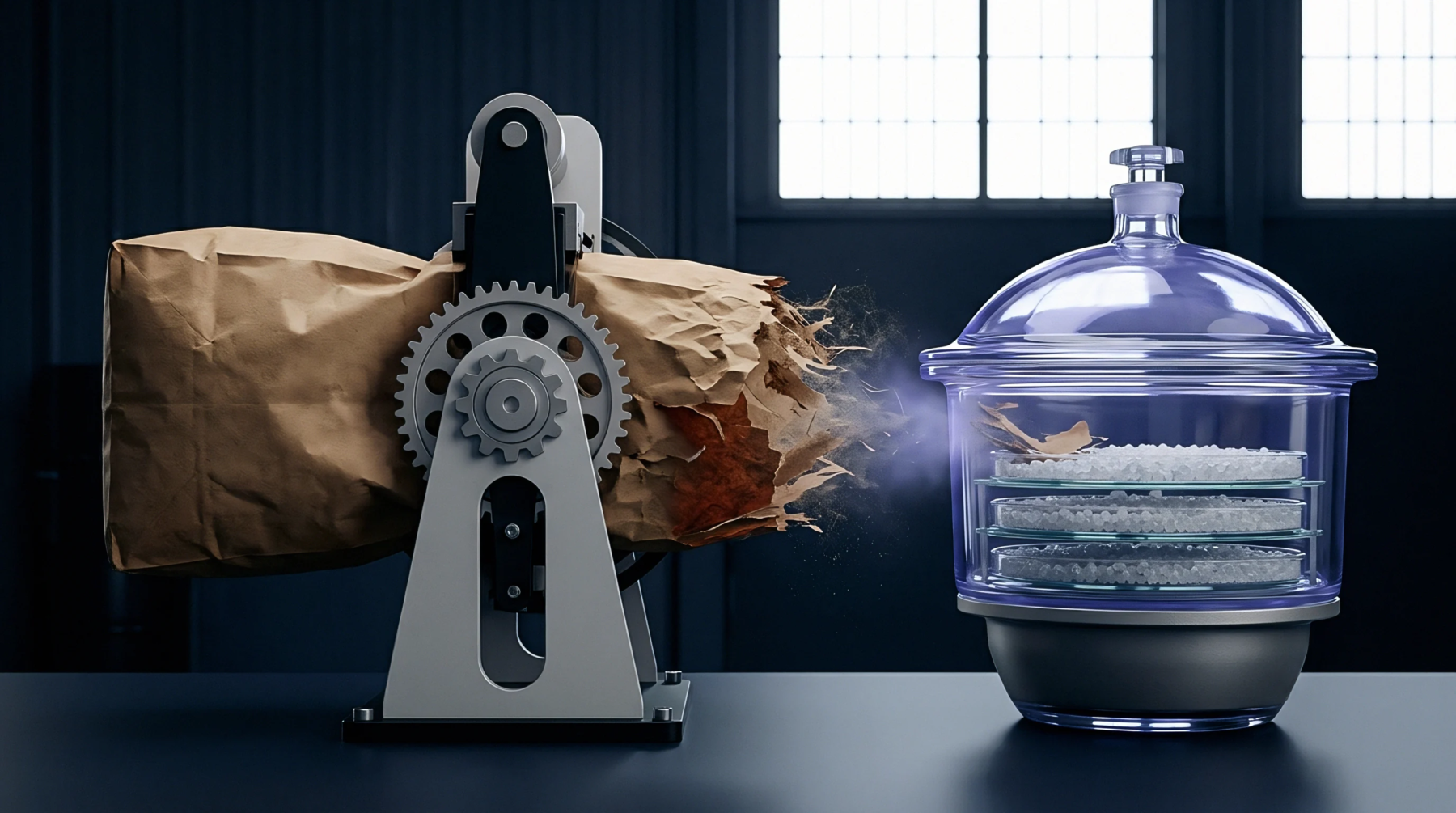
Laboratory measurement of the crush resistance of a fluted strip of paperboard determines the potential structural strength of corrugated fiberboard before it undergoes the corrugating process. This evaluation method, known as the concora medium test, applies a compressive force to a laboratory-fluted specimen until failure occurs. Standardized procedures dictate the conditioning of the sample to ensure uniform moisture content before testing begins.
Fluting Evaluation
Producers of containerboard rely on this value to predict how well the finished medium will withstand the physical forces of the corrugating rolls and subsequent handling. The concora medium test provides a benchmark for evaluating different furnishes, particularly those with high recycled fiber content, where fiber length and bonding strength vary. Lower test values usually indicate a high risk of flute crushing during conversion or subsequent storage, which leads to weaker boxes.
Mill operators use these findings to modify refining parameters or to change the proportion of virgin softwood pulp in the mix.
Process Utility
Compacting force is applied at a constant rate until the fluted structure collapses under the load. Mechanical roll deformation must replicate actual factory conditions to yield useful data. By monitoring this property, mills adjust their starch application rates or fiber refining intensity to meet the performance targets required by box manufacturers.