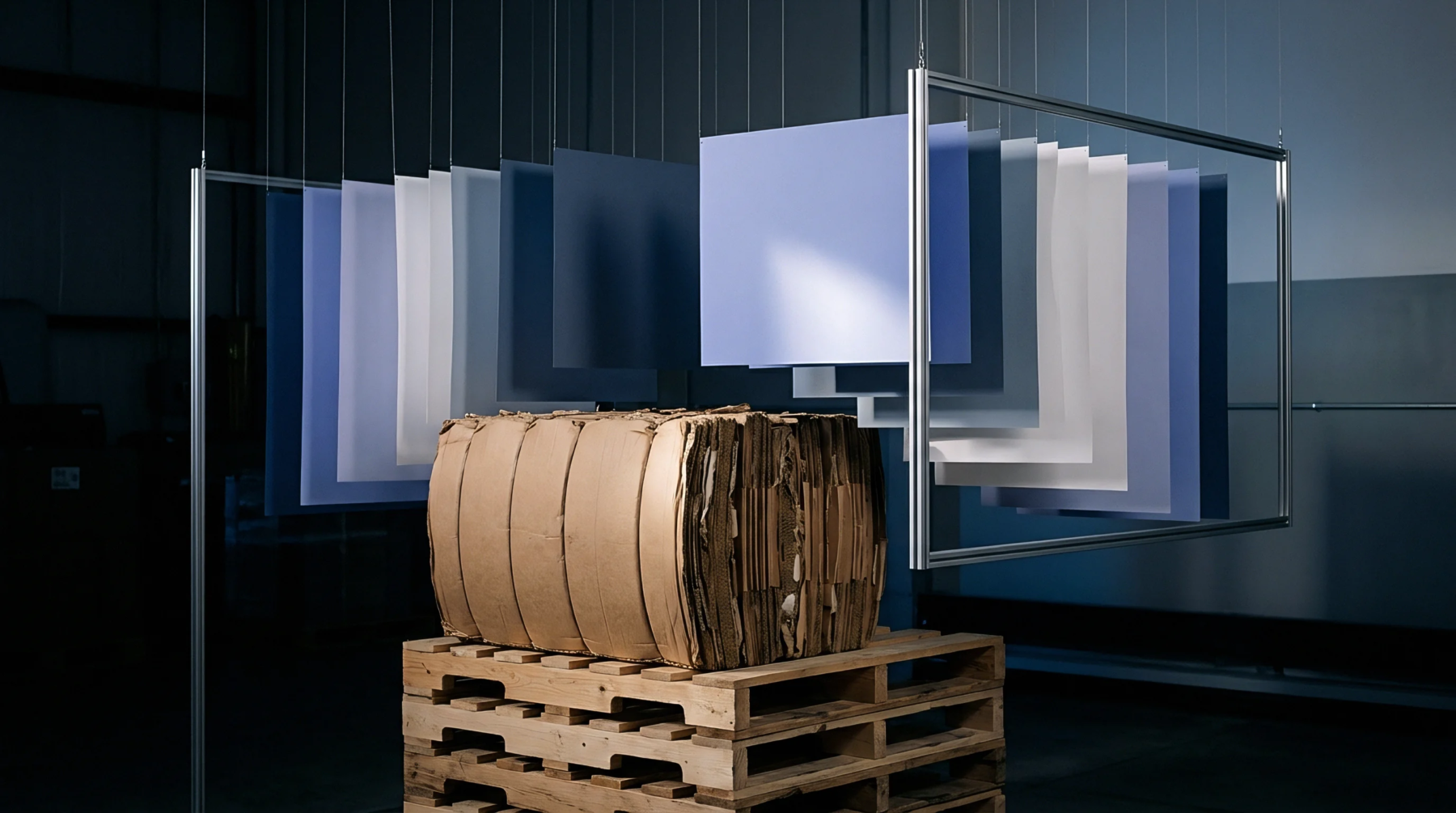
Recycled Fiber Board Hygro Expansion Mechanics
Recycled fibers exhibit steep cross-direction hygro-expansion due to hornification; contracts must bind dimensional strain across relative humidity bands.
Recycled fibers exhibit steep cross-direction hygro-expansion due to hornification; contracts must bind dimensional strain across relative humidity bands.
Dynamic relative humidity cycling accelerates mechanosorptive creep in recycled containerboard, causing structural stack failure below static load limits.
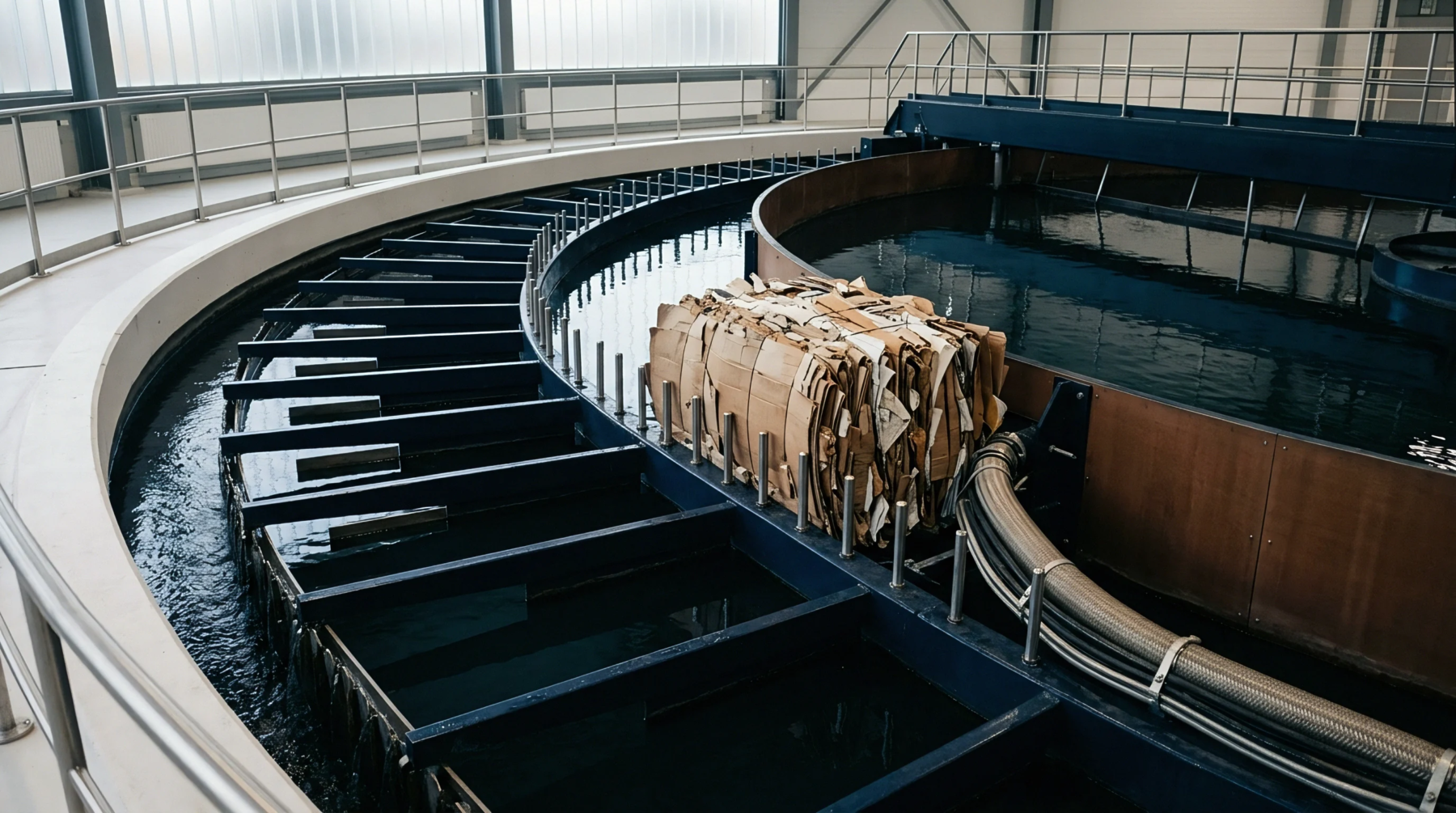
Recycled containerboard loses up to sixty percent of compression strength under moisture cycling due to mechanosorptive creep in shortened secondary fibers.
Low thermal gradients trigger capillary condensation in small recycled furnish pores, disrupting hydrogen bonds and weakening packaging without direct water contact.
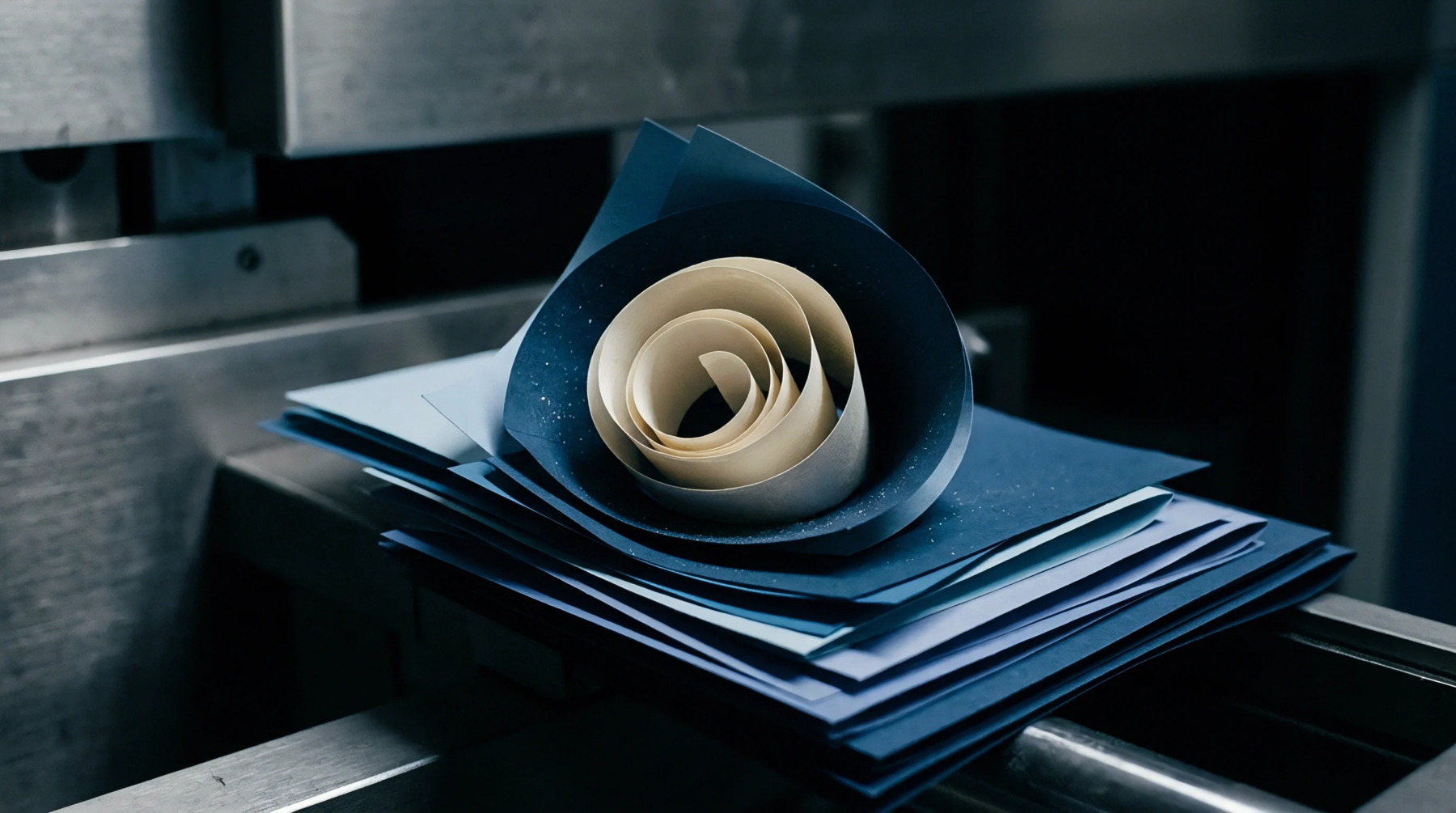
Subzero equilibrium in recycled containerboard takes up to 35 days at -18C, shifting equilibrium moisture by 2.4% higher than virgin kraft grades.

Containerboard contract index lag calculations align invoice pricing with published benchmarks using defined lookback windows and deadband triggers.
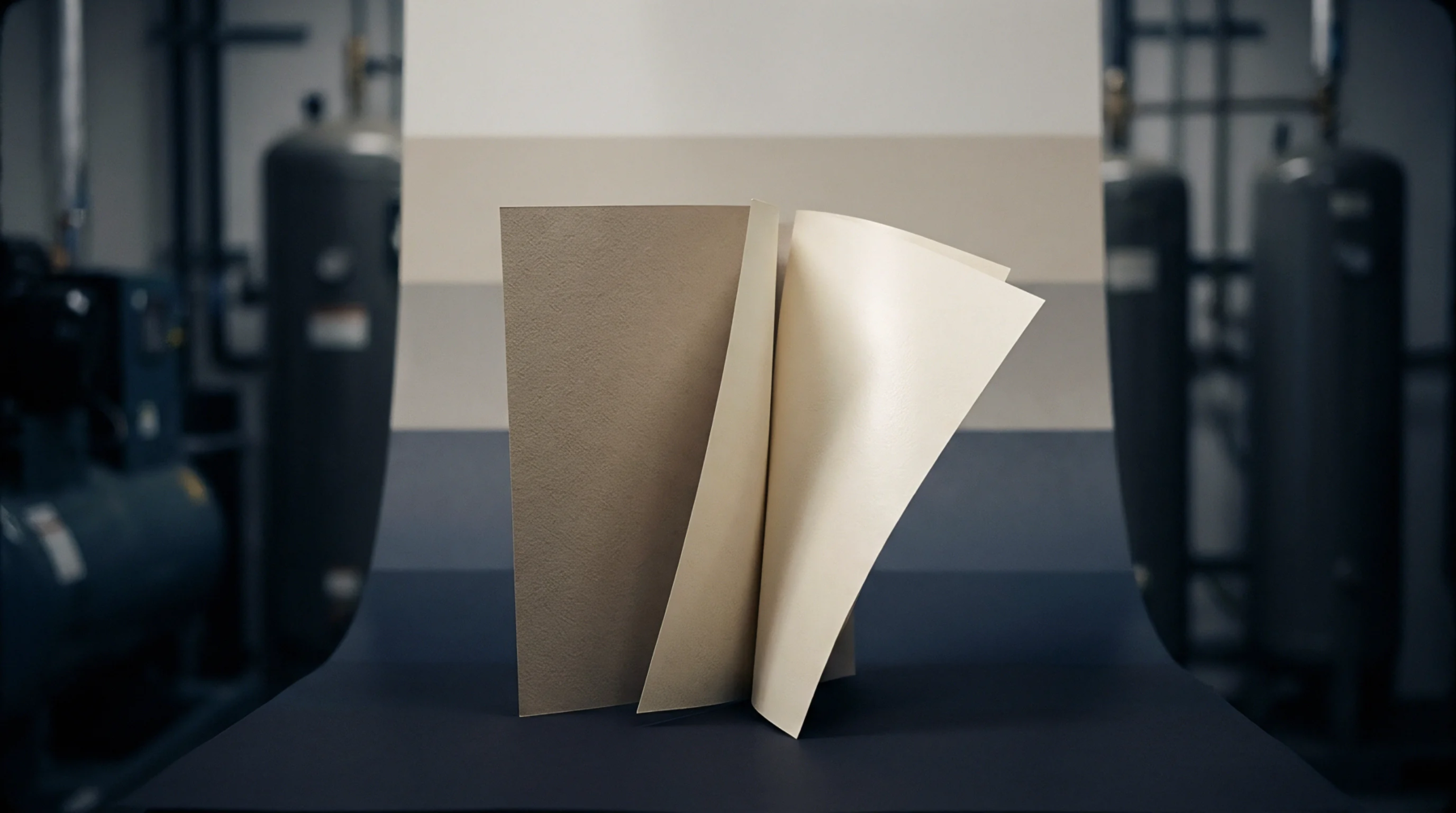
Recycled containerboard loses stiffness when hornified fibers slip under shear, which buyers offset with higher grammage or starch addition.
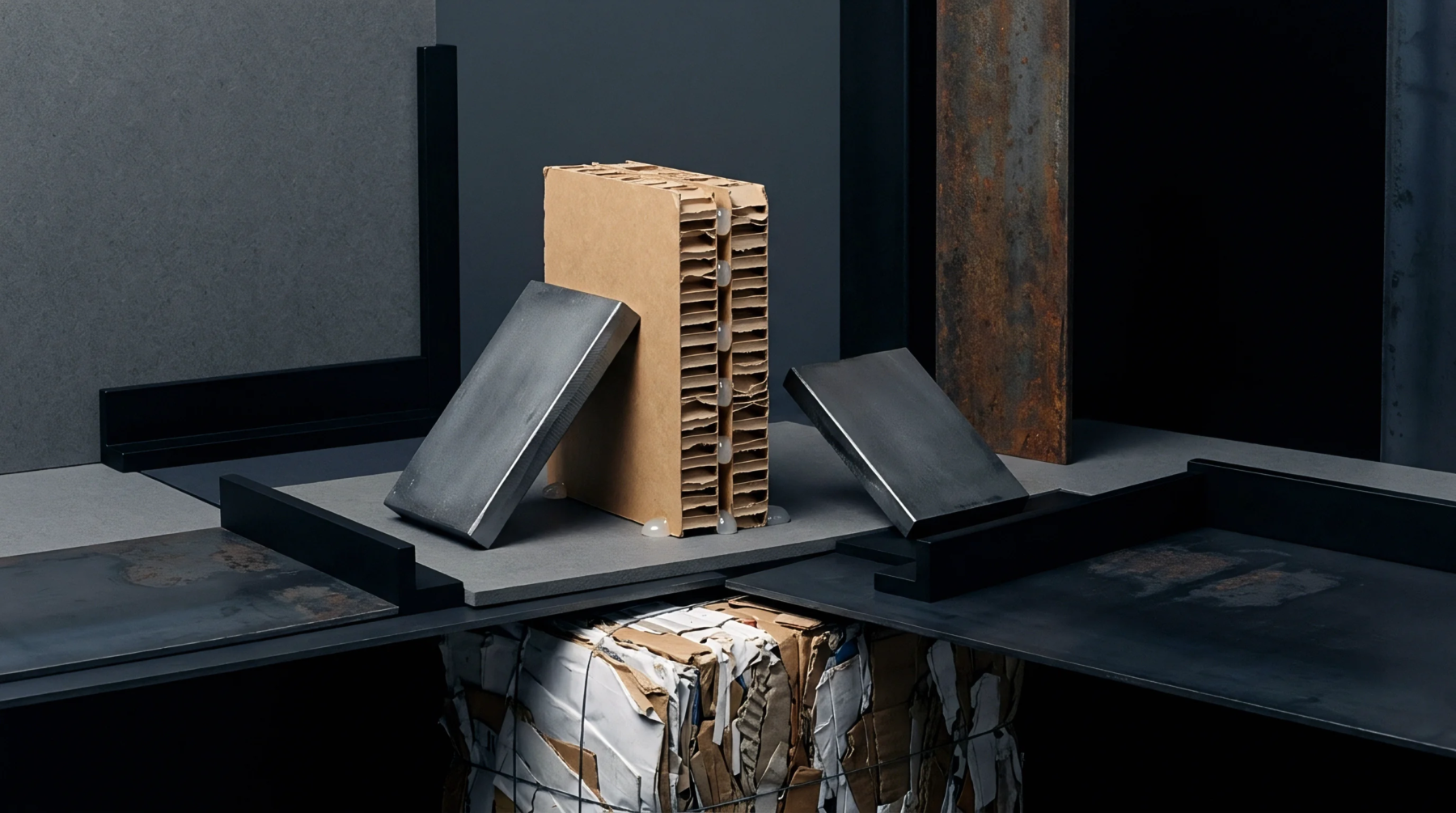
Packaging paper claiming waste exemption under deforestation rules faces border detention whenever furnish blends contain unmapped virgin reinforcement pulp.

Automated ISO 14021 ERP ingestion maps raw mill fiber payloads directly into production bills of materials to secure compliant post-consumer packaging claims.

Recycled containerboard loses up to 45% compression strength under constant 85% RH; specify ISO 2233 derated SCT metrics to prevent static stack collapse.
Expertise is a utility, not a secret. sentiention™ publishes its working knowledge as open reference: intelligence layer covering the materials it sources, the markets it enters, and the reference that serves both.