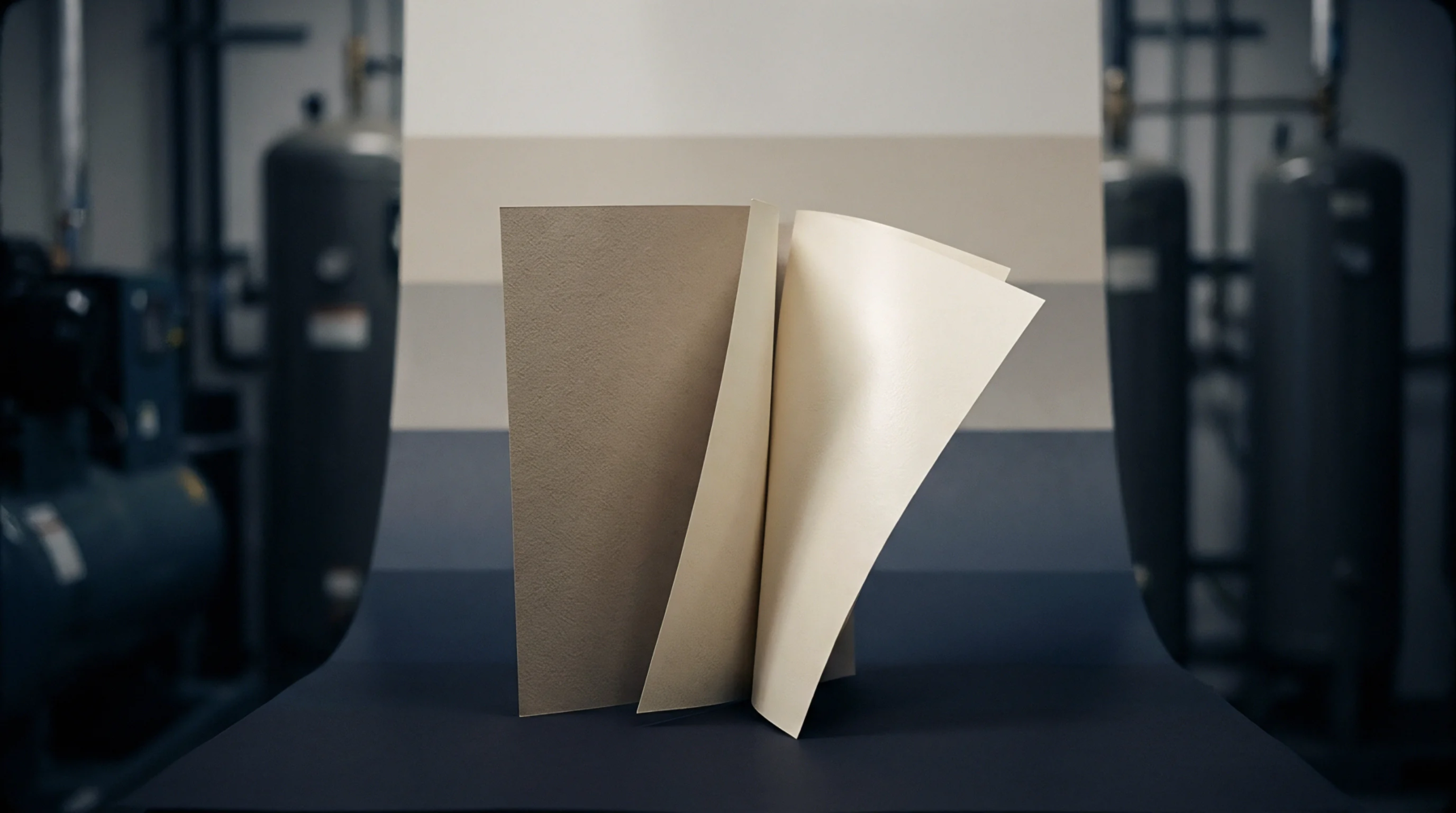
Thickness Degradation
Reduction in structural sheet thickness through mechanical compression during printing, die cutting, scoring and folding establishes the metric known as converting caliper loss. The parameter isolates the permanent reduction in board thickness caused by mechanical nip contact from the uncompressed caliper measured at the mill outfeed. Downstream conversion steps apply concentrated normal forces across the flute profile or solid board structure.
That deformation directly curtails structural rigidity without altering basis weight or raw fibre chemistry.
Structural Impact
Permanent deformation of internal corrugation or fibrous cell walls impairs flexural stiffness and edge crush values across the entire converted layout. Printers and converters monitor converting caliper loss because the vertical load-bearing capacity of an assembled container falls disproportionately with minor flute crush. A flexographic printing station, for example, applies nip interference between the printing cylinder and the backing roll to achieve ink transfer, which frequently collapses flute tips if plate durometer or mounting tape compressibility is miscalculated.
Rotary die cutters and scoring wheels similarly depress the substrate past its elastic recovery point to form functional hinge lines. Excessive machine nip pressure converts the arched flute into a flattened geometry, permanently degrading top-to-bottom compression resistance. Compensating for such strength loss by purchasing higher basis weight liners increases raw material expense while leaving the underlying converting defect unaddressed.
Flatbed die cutters distribute cutting forces across a larger surface area than rotary cylinders, yielding lower thickness degradation during scoring.
Machine Interference
Setting parallel tolerances on feed rolls, pull collars, transfer belts and impression cylinders defines the boundary for acceptable substrate degradation. Converting caliper loss stops applying once dynamic mechanical contact ends and packaging loads shift entirely to static equilibrium or atmospheric creeping mechanisms. Regular gauge calibration across pull rolls prevents localized pinch lines that cause premature box failure in automated packing lines.