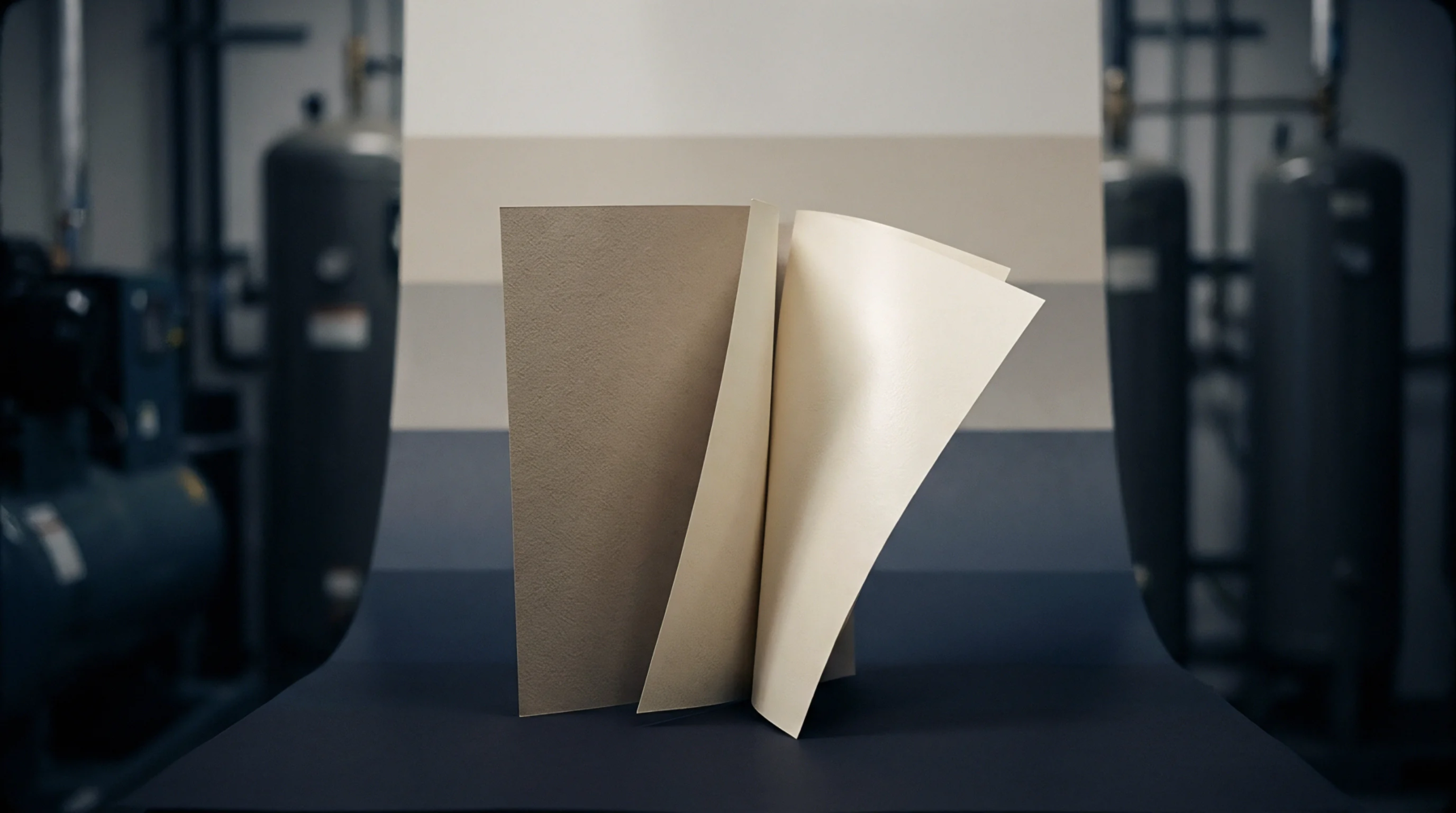
Fluting Unit
Continuous production machinery that flutes corrugating medium using heat and pressure before applying starch adhesive to bond it to a flat linerboard forms the single facer. The assembly produces single-face corrugated board, the foundational two-layer substrate used in double-backer plants or conversion lines for protective packaging. Corrugating rolls, pressure mechanisms and adhesive application systems are housed within this single integrated frame.
The machine must convert rigid, flat paper into precise geometric arches without fracturing the web.
Forming Dynamics
The corrugating medium passes through preconditioning steam showers and heated rolls to increase web plasticity before entering the nip between two intermeshing corrugating rolls. These heated rolls feature precise flute profiles that form the sinusoidal corrugations under high temperature and mechanical load. Vacuum or positive air pressure chambers hold the newly formed flutes securely against the corrugating roll tips as the web advances toward the glue applicator.
An applicator roll applies a controlled film of starch adhesive exclusively to the exposed flute tips, using a meter roll to regulate film thickness. The flat linerboard, preheated on an independent drum, enters the bonding zone where a pressure roll or an extended pressure belt drives the liner against the starch-coated flute tips. Belt-type pressure systems reduce peak nip stress and distribute consolidation force over a longer distance, preventing flute tip fracturing on lightweight papers.
Modern single facers employ cassette roll systems, allowing machine crews to swap out corrugating rolls to change flute profiles within minutes. Operating temperatures above 175 degrees Celsius gel the starch carrier rapidly, forming a green bond that stabilizes the structure before web discharge.
Processing Limit
Web discharge onto the bridge conveyor marks the operational handoff point for this machine component. The single facer stops governing substrate production once the single-face web leaves its outfeed belts and accumulates on the bridge toward the double backer.