Transverse Retraction
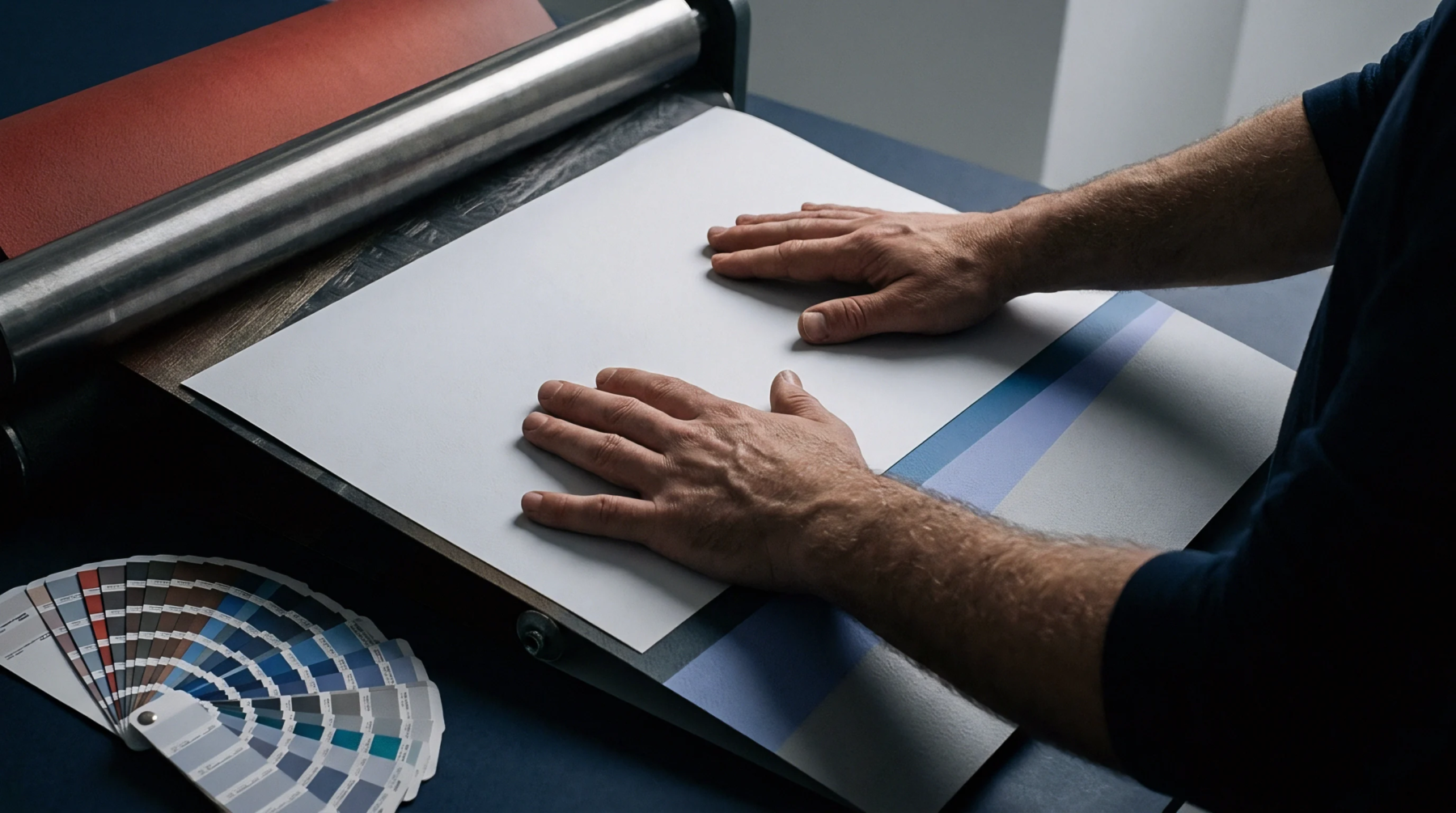
Dimensional reduction perpendicular to the machine run represents a permanent physical contraction that occurs when moisture leaves a cellulosic web during drying. Cross direction shrinkage forces a paperboard sheet inward from its untrimmed deckle edges as constrained fibres pull tight across the web width. Caliper uniformity suffers severely when uneven tension profiles across the dryer section allow local zones to pull inward faster than the surrounding matrix.
Precision converting operations demand exact width profiles because lateral movement ruins later register accuracy during multi station flexographic printing.
Warp Generation
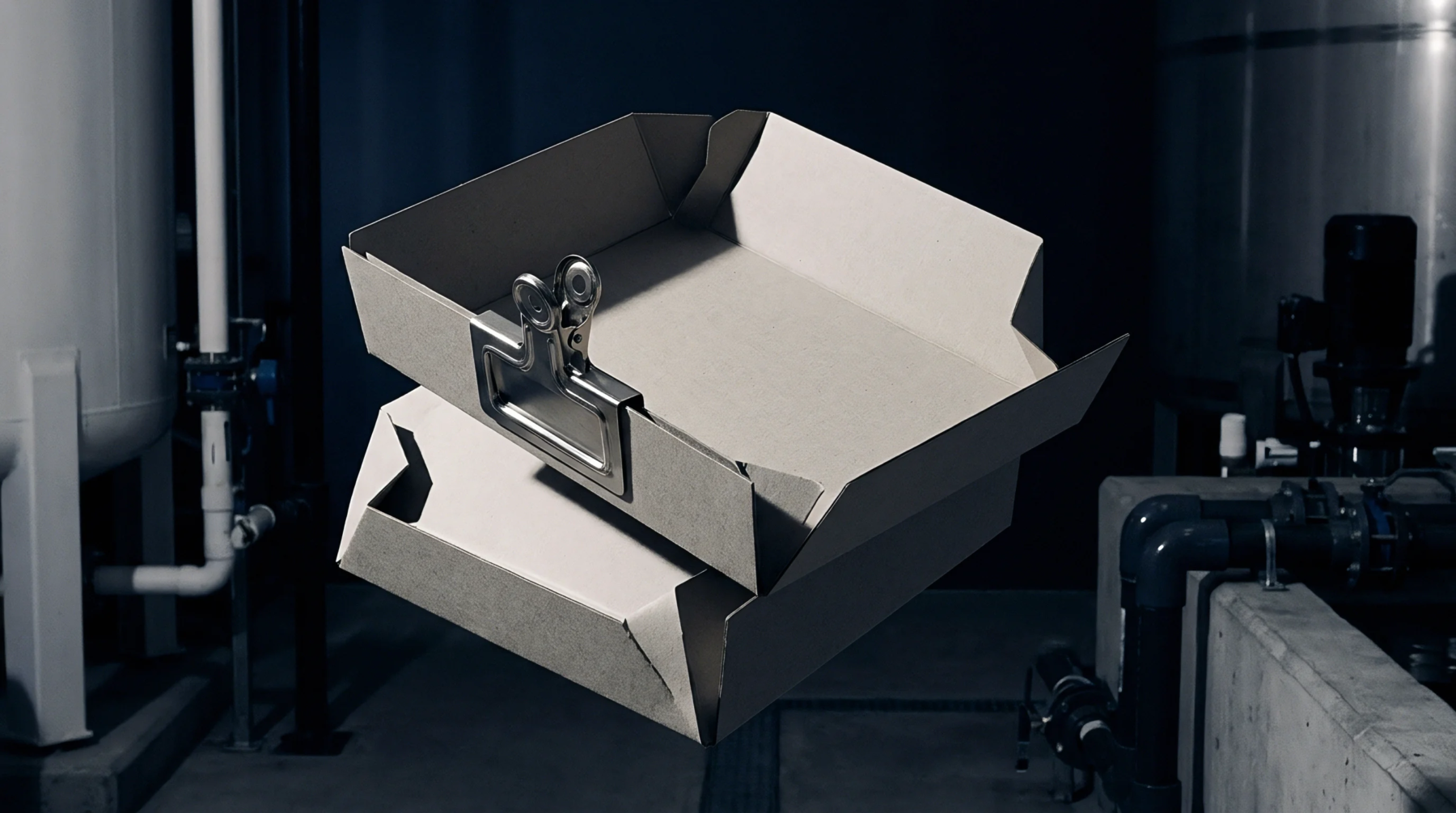
Dimensional instability inside a flat sheet creates severe mechanical stress imbalances that twist paperboard cartons during folding and gluing. Cross direction shrinkage sets up asymmetrical internal forces when moisture gradients differ between the top and bottom linerboards of a corrugated medium. Uneven cooling rates across chilled drying cylinders accelerate local curl formations along the weak axis of aligned cellulose molecules.
Converters counteract these lateral pulling forces by applying controlled moisture rehydration to the reverse side of the web prior to die cutting.
Calendering Distortion
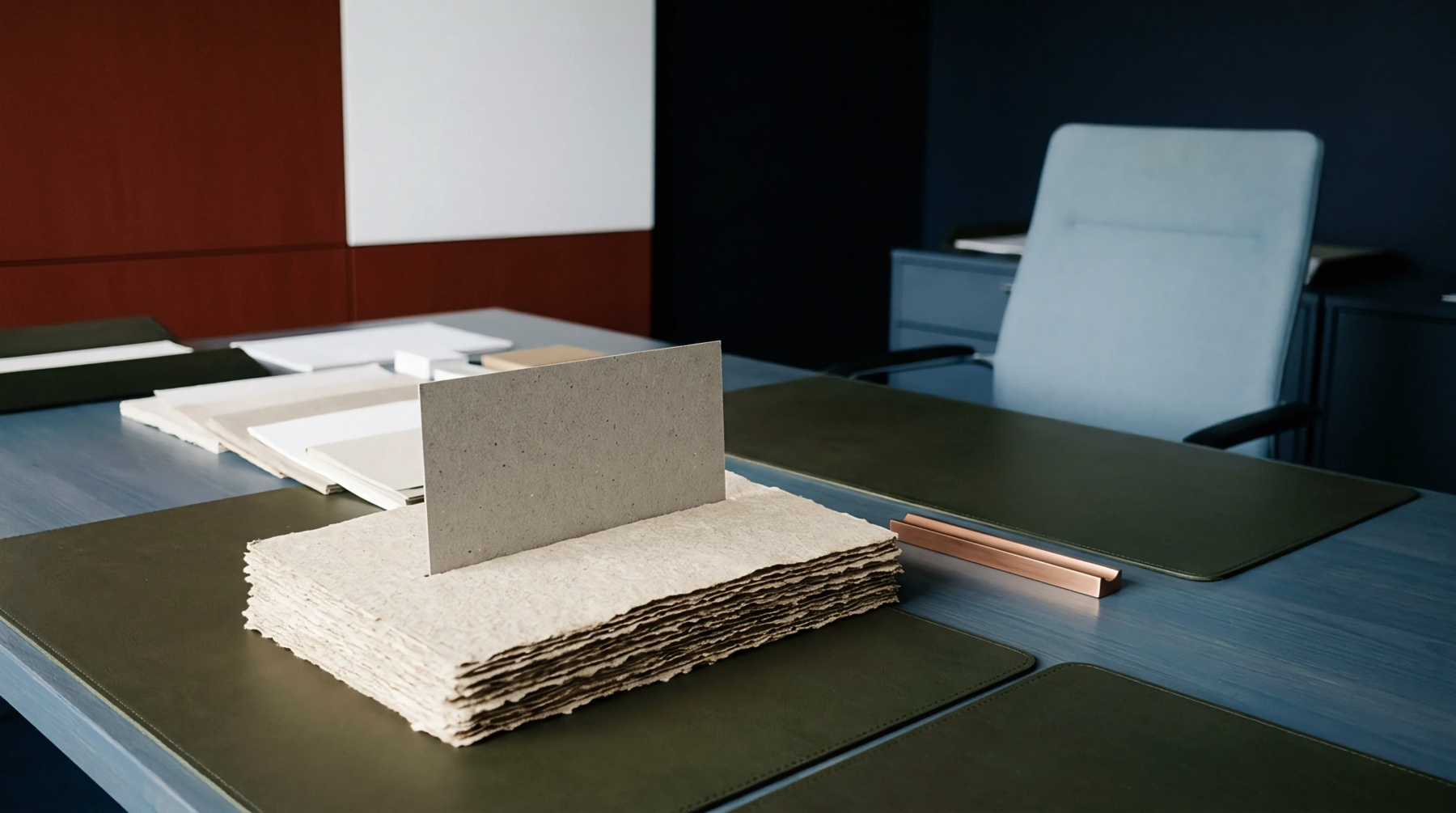
Surface smoothing rolls exert heavy compressive forces that alter thickness profiles across the entire width of a paperboard web. Cross direction shrinkage interacts directly with nip pressure variations to cause localized caliper drops near the outer edges of jumbo reels. Heavy mineral coatings applied prior to final finishing restrict moisture release unevenly and aggravate lateral pulling distortions inside supercalender nips.
Operators maintain strict cross profile moisture tolerances to ensure finished packaging substrates remain flat enough for high speed high quality lithographic printing presses.