Folding Grade Basis
Multiple layers of bleached chemical pulp form a high stiffness paperboard composition that provides structural rigidity for heavy consumer packaging. Rigid mechanical properties define fbb as a multi-ply substrate produced on a cylinder or multi-fourdrinier machine where outer layers consist of bleached virgin fibres. Strength arises from the middle layer containing mechanical pulp which increases bulk without adding excess weight.
Converting operations like scoring and folding require this specific layered construction to resist cracking along the creases while maintaining outer surface smoothness for high quality ink transfer. Paper mills calibrate the moisture content and surface sizing of fbb to ensure dimensional stability during rapid die cutting processes. Converters prefer this material for frozen food cartons and pharmaceutical boxes because it handles complex geometric shapes without delamination or structural failure under sustained load.
Physical Strength
High grammage performance governs the selection of this board when weight bearing capacity overrides visual finish in secondary transport units. Crease depth and fiber orientation determine the performance of fbb during the assembly of a box or display. Mill output stays consistent if the ratio of mechanical to chemical pulp remains balanced across the sheet cross section.
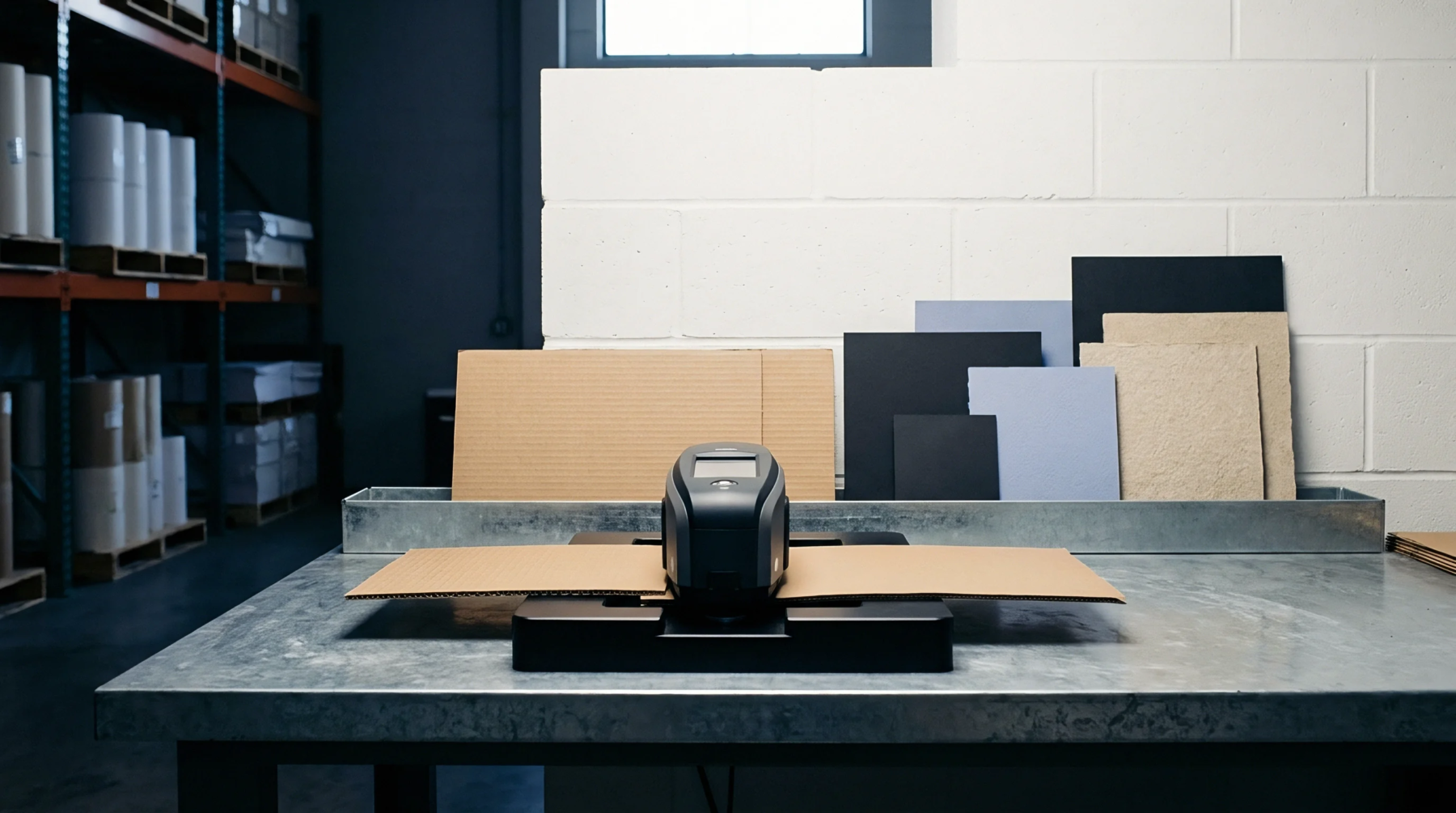
Engineers measure the bending resistance of fbb using standard force testing equipment that applies pressure at a fixed angle to simulate carton erection. Excess stiffness results in fracture at the score lines while inadequate resistance causes the finished package to bulge or collapse. Precise control over the thickness of the individual layers ensures the material withstands the mechanical stress of automated filling lines.
Market Application
Luxury retail cartons demand the high brightness and print reception offered by this bleached outer layer design. Printers select fbb to produce complex graphics on a surface that holds ink dots in place without excessive bleeding or show through. Brands rely on the consistency of fbb to maintain shelf appeal across international supply chains where humidity fluctuates.
Secondary converting steps like foil stamping and embossing apply stress to the fibers and only a substrate with this specific composition maintains structural integrity through the entire cycle. Quality control processes confirm that fbb remains the standard for folding cartons requiring high mechanical performance and aesthetic finish.