Predicting Dynamic Springback Strain in High Bulk Recycled Cartonboard under Multistage Hot Foil Embossing
Compensating male punch penetration depth by thirty percent balances viscoelastic fiber recovery across recycled cartonboard platen tooling passes.

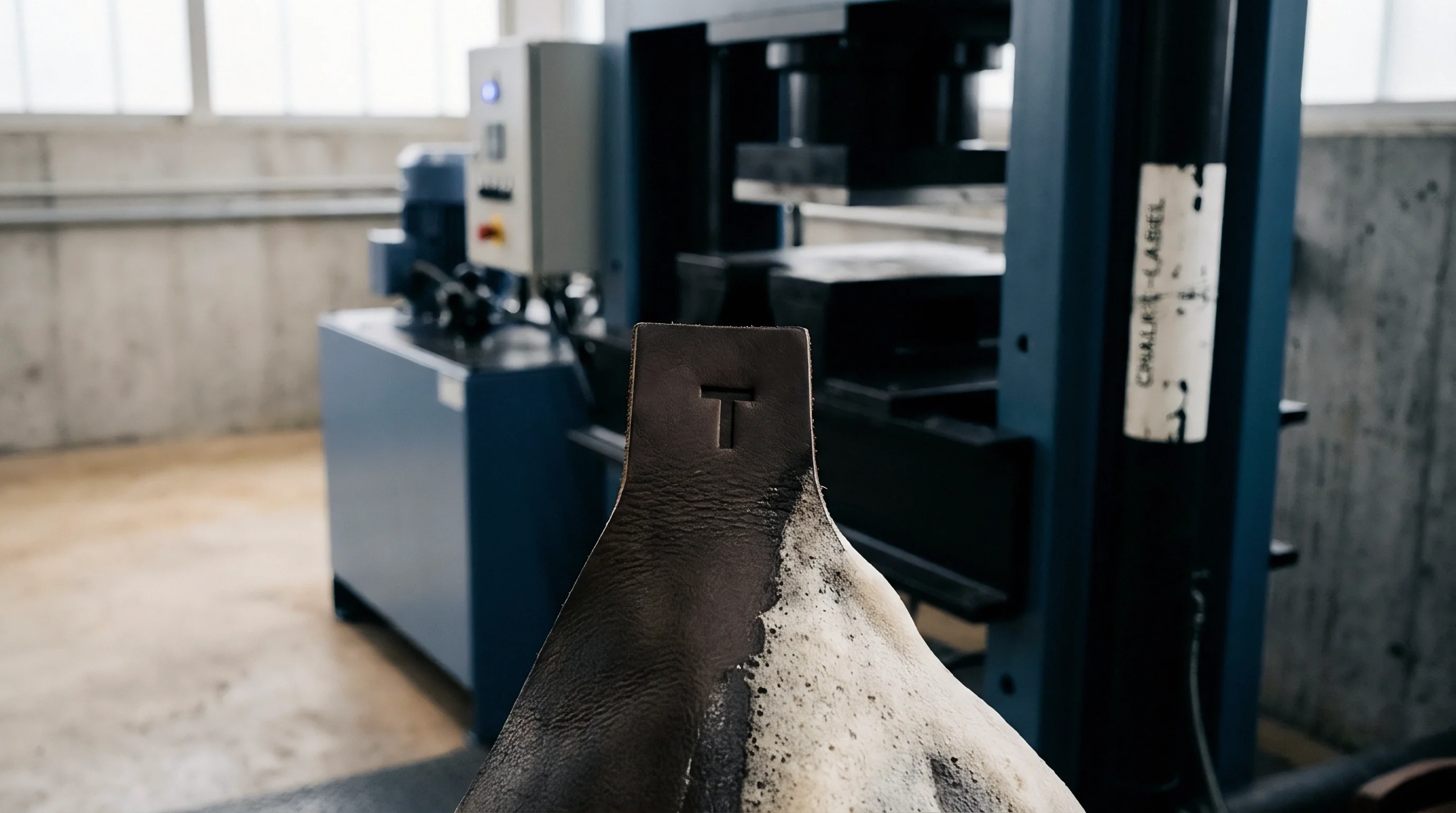
Stock
Recovered secondary cellulose fibers behave with marked rigidity during the initial stamping stroke. Virgin chemical pulp fibers retain flexible tubular geometries capable of plastic deformation without cross-sectional collapse. Recycled furnish consists primarily of recovered mixed office waste, old corrugated containers, and de-inked pulp, where repeated drying cycles induce irreversible hornification.
This internal closure of the pore structure inside individual fiber walls reduces inter-fiber bonding potential. Converters specifying white lined chipboard or high bulk recycled folding boxboard encounter low density structures engineered with mechanical bulking agents or stratified plies of groundwood and thermomechanical pulp. These bulk-generating layers preserve sheet stiffness at low basis weights.
The resulting matrix contains substantial air volume and discontinuous inter-fiber hydrogen bonds.
When the heated platen descends, mechanical stress distributes unevenly across the stratified sheet layers. Virgin bleached sulfate boards compress elastically before exhibiting uniform plastic flow along the die bevel. High bulk recycled boards experience localized micro-buckling of individual fiber walls.
Compressive force rapidly crushes the porous under-plies while leaving the clay-coated top liner intact until tensile limits are exceeded. The thickness reduction during embossing permanently alters the material density profile. The platen pressure holds steady.
Sheet thickness drops fifteen percent.
A thirty percent increase in sheet bulk raises mechanical thickness loss to forty-four percent under a stamping pressure of twenty-five megapascals.
Standard cartonboard converters often assume that board caliper directly correlates with available embossing depth. High bulk recycled structures refute this assumption through asymmetric collapse. A board with a bulk value of 1.6 cubic centimeters per gram compacts under high localized tooling pressure into a dense core with an effective bulk below 1.1 cubic centimeters per gram.
This densification is spatially non-uniform, concentrating immediately beneath the relief peaks of the brass die while leaving adjacent areas uncompressed.

Fiber Hornification and Caliper Loss
Repeated wetting and drying cycles strip the cellulose cell wall of swelling capacity. During the recycling process, microfibrils within the secondary wall agglomerate, reducing the specific surface area available for hydrogen bonding upon re-wetting and subsequent pressing. Papermakers compensate for this loss of tensile network strength by incorporating cationic starches and synthetic sizing agents.
These chemical additives stiffen the fiber network without restoring the natural elasticity of virgin pulp. The resulting sheet exhibits high flexural rigidity at zero strain, followed by brittle fracture under acute shear.
In high bulk recycled cartonboard, the middle plies carry low-cost mechanical screenings or de-inked fiber with high freeness. This furnish choice preserves structural thickness at minimum raw material cost. Die penetration forces these brittle fibers into compaction patterns that rupture existing chemical bonds between layers.
The sheet loses its internal z-directional integrity long before reaching maximum die depth.

Pore Collapse under Mechanical Compression
Platen impact drives immediate volumetric reduction across the multi-ply cartonboard web. The open interstitial spaces between unbonded recycled fibers collapse under nominal stamping pressures ranging from twenty to forty-five megapascals. This pore collapse creates an irreversible reduction in sheet volume, altering local thermal conductivity and moisture distribution during the impression stroke.
Virgin fibers deform by flattening their hollow lumens while maintaining bond contact points. Recycled fibers slip past one another, generating internal micro-shears that fail to reform bonds upon pressure release.
| Substrate Grade | Grammage Grams Per Square Meter | Caliper Microns | Structural Bulk Cubic Centimeters Per Gram | Tensile Stiffness Index Kilonewton Meters Per Gram | Internal Bond Strength Joules Per Square Meter |
|---|---|---|---|---|---|
| Solid Bleached Sulfate Virgin | 300 | 360 | 1.20 | 8.4 | 210 |
| Folding Boxboard Mechanical Middle | 300 | 450 | 1.50 | 7.2 | 165 |
| White Lined Chipboard Recycled Medium | 320 | 448 | 1.40 | 5.8 | 130 |
| High Bulk Recycled Testliner Middle | 310 | 496 | 1.60 | 4.9 | 95 |
| Test data recorded according to ISO 534 for thickness and ISO 16260 for internal bond strength. | |||||
The mechanical response of the recycled sheet dictates how effectively the board accepts detailed tooling contours. Lower internal bond values in recycled substrates lead to internal delamination under sharp relief profiles. High bulk grades maximize yield for brand owners by producing more packaging units per metric ton of raw material.
The trade-off appears immediately on the stamping press, where the substrate lacks the cohesive internal matrix needed to preserve crisp geometric definition.

Failure Modes in Short Fiber Networks
Recycled furnish exhibits localized structural discontinuities when subjected to sharp tooling radii. The shorter average fiber length of recovered cellulose, typically under 1.2 millimeters compared to 2.8 millimeters for virgin softwood kraft, limits the material’s capacity to redistribute localized tensile stresses across the emboss shoulder. Micro-cracking develops at the transition between flat board and raised image relief.
- Delamination shear cracking appears along the interface between the top clay coating and the recycled under-liner when die draft angles fall below seventy-five degrees.
- Porous lumen crushing destroys structural recovery potential in mechanical middle plies, resulting in permanent localized caliper starvation around stamped perimeters. This localized starvation degrades score-line integrity during subsequent folding passes.
- Coating flaking develops when the rigid mineral pigment layer separates from the flexible carrier foil due to differential elastic extension under the die tip.
- Transverse fiber cleavage occurs in regions of acute embossing relief where tensile elongation exceeds the two percent strain limit typical of short-fiber recovered pulp.
When converters challenge these structural defects, paperboard representatives routinely argue that the mill delivered the agreed caliper and grammage, leaving the converter responsible for matching die clearance and platen temperature to the unique behavior of recovered fiber.

Heat
Thermal energy enters the sheet surface through direct conductive contact with the brass stamping die. Die face temperatures for metallic hot stamping foils operate between one hundred and five and one hundred and thirty-five degrees Celsius. In multistage stamping operations, where foil transfer coincides with multi-level embossing, the sheet experiences a rapid thermal transient.
Heat transfers across the polyester carrier film, through the aluminum and release layers, and penetrates the cartonboard top coating. The dwell time under typical flatbed platen production speeds ranges from thirty-five to one hundred and twenty milliseconds.
Thermal conductivity in cartonboard depends on substrate density, fiber alignment, and moisture content. Low density, high bulk recycled cartonboard possesses low thermal diffusivity. The high volume of trapped air acts as an insulating barrier, slowing heat transfer from the heated die face into the inner plies of the board.
The top surface heats rapidly while the core remains cool. The foil carrier film releases. Moisture flashes at high temperatures.
Specification limits under ISO 187 condition tolerances penalize ambient moisture variance exceeding two percent with immediate die register rejection.
This steep thermal gradient within the sheet cross-section creates an internal mismatch in material behavior. The hot upper layer softens under pressure, while the cooler middle plies undergo brittle mechanical compression without reaching their plasticization threshold. When the die lifts, the cool inner fibers retain high elastic energy, driving immediate upward recovery that deforms the newly set surface profile.

Thermal Conduction through Stratified Furnish
Board bulk directly throttles temperature propagation from the face liner into the inner plies. The thermal conductivity of compressed cellulose fibers measures roughly 0.25 watts per meter-kelvin, whereas trapped air pockets measure approximately 0.026 watts per meter-kelvin. A high bulk board containing thirty-five percent internal void volume by volume delays core heating by several tens of milliseconds relative to a solid bleached board.
In high-speed platen presses running six thousand sheets per hour, dwell time is insufficient for heat to reach the center plies.
The resulting temperature profile across the board caliper creates a mechanical shear plane. The surface layer, heated above one hundred degrees Celsius, conforms to the micro-texture of the stamping die. The middle plies, lingering between forty and sixty degrees Celsius, experience pure mechanical strain without thermal relaxation.
These unheated fibers remain in a state of high elastic stress throughout the stamping cycle.

Lignin Softening and Glass Transition Window
Amorphous wood polymers undergo plasticization as the local platen dwell elevates the internal sheet gradient above eighty-five degrees Celsius. Recycled cartonboard contains variable proportions of lignin, hemicellulose, and cellulose, depending on the ratio of recovered mechanical groundwood to chemical pulp. Lignin possesses a glass transition temperature ranging from one hundred and twenty to one hundred and fifty degrees Celsius under dry conditions.
Moisture acts as an efficient plasticizer, lowering the glass transition point of lignin to between seventy and ninety degrees Celsius at typical equilibrium moisture contents of seven percent.
When the stamping tool applies heat and pressure, lignin passes from a glassy, brittle state into a rubbery, viscous state. This transition allows individual fibers to slip, reorient, and bond in new structural configurations without catastrophic wall fracture. If platen contact ends before the board reaches this glass transition temperature, the fiber network undergoes purely elastic deformation.
Cold platens produce dull foil. Tooling wear alters relief geometry.
Internal Moisture Flash Dynamics
Water trapped within the recycled web vaporizes rapidly during platen dwell intervals exceeding eighty milliseconds. Cartonboard conditioned at standard room environment holds six to eight percent moisture by weight. Contact with a tooling die at one hundred and twenty degrees Celsius creates a rapid phase change, turning liquid water into pressurized steam within the porous core.
This internal vapor pressure seeks release paths through the edges of the sheet or through localized fissures in the surface coating.
In high bulk recycled substrates, the open pore structure permits steam migration along the horizontal plane of the sheet. If the top coating seals the surface under platen pressure, the internal vapor pressure can reach several atmospheres, causing micro-explosions within weak recycled plies upon pressure release. This steam-induced blister delamination destroys the sharp borders of the embossed relief.
The press bed cools. The brass tool expands thermally.
Whether prolonged die contact can plasticize the core of a high bulk recycled board without vaporizing internal moisture to the point of core delamination remains an open question on the production floor.

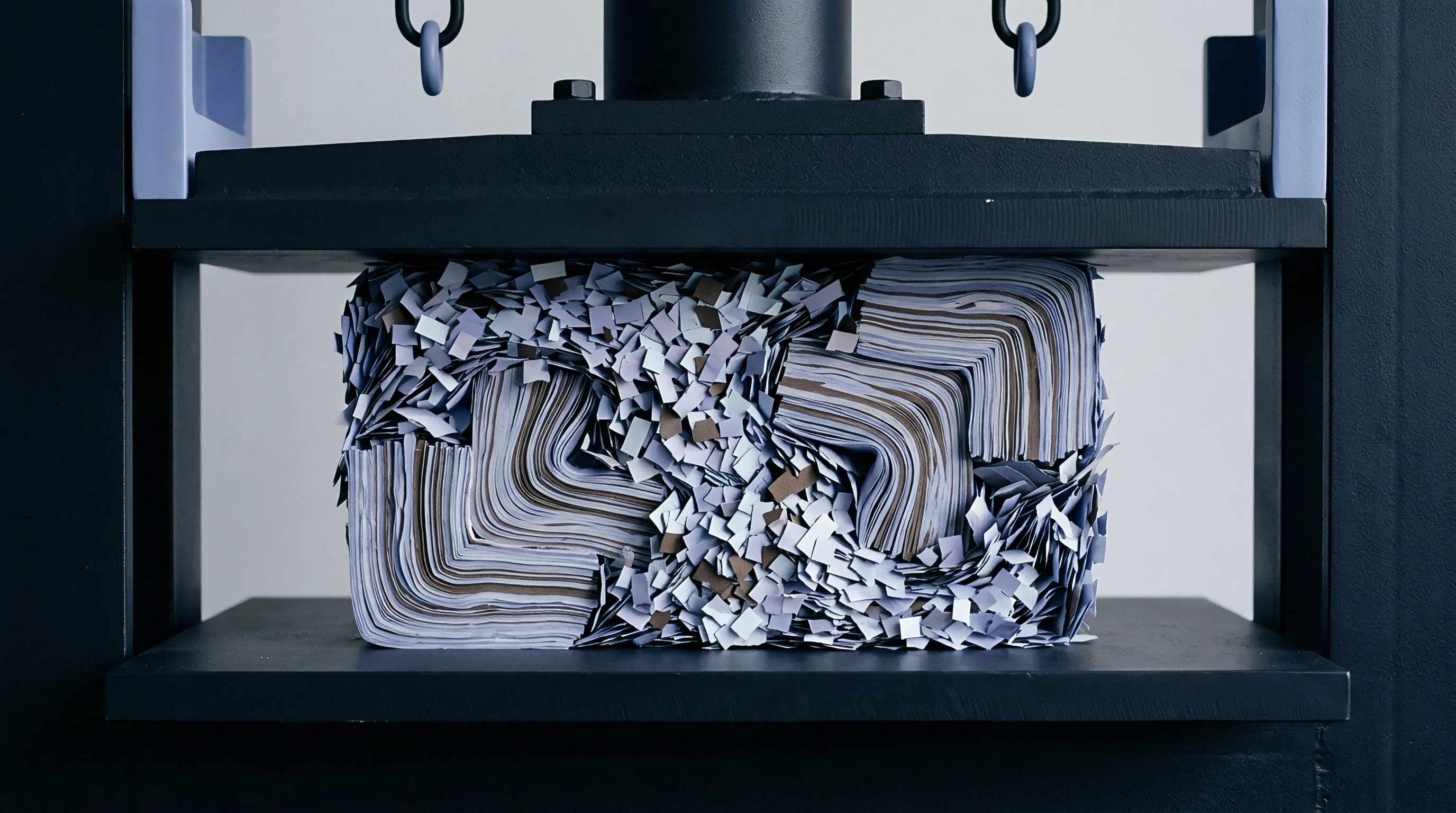
Recovery
Elastic rebound begins immediately upon the mechanical retraction of the heated embossing tool. This instantaneous response represents the elastic component of total deformation, where stored strain energy within unsoftened fiber lumens and bent microfibrils drives the board back toward its original caliper. The recovery process does not end with the opening of the press.
Over subsequent seconds, minutes, and days, cartonboard undergoes delayed time-dependent viscoelastic recovery, commonly termed springback strain. Springback erodes final emboss relief. Die penetration sets final depth.
In high bulk recycled cartonboard, springback strain exhibits higher magnitude and greater variability than in virgin fiber boards. The lack of uniform fiber-to-fiber bonding and the incomplete thermal plasticization of the core furnish leave a substantial reservoir of unrelaxed elastic stress. The final relief height measured forty-eight hours post-stamping often drops to half the nominal depth cut into the brass die.
Converters unable to predict this relaxation pattern produce finished cartons with muted, flat decorative elements that fail brand quality audits.
Dwell time governs immediate elastic recovery while die temperature dictates long-term viscous setting.
Quantifying this time-dependent deformation requires analyzing both the instantaneous elastic recovery and the extended viscoelastic creep. High-speed video profilometry demonstrates that up to seventy percent of total springback occurs within the first two hundred milliseconds following die separation. The remaining thirty percent takes place slowly as the sheet re-absorbs atmospheric moisture and relieves internal shear stresses.

Viscoelastic Decay in Multistage Tooling
Subsequent stamping impressions strike material already subjected to irreversible structural reorganization. In multistage hot foil embossing, an initial pass may apply overall background texture or blind debossing, followed by a second pass that applies hot stamping foil over a raised profile. The first pass crushes the high bulk core and establishes a residual stress field.
When the second tool strikes the pre-stressed area, the board no longer behaves like an uncompacted recycled sheet.
The effective compressive modulus of the pre-stamped board increases by forty to sixty percent due to prior pore collapse. This densified zone resists further plastic deformation, redirecting stamping pressure laterally into adjacent unembossed zones. The result is unwanted sheet waviness and severe register distortion between the foiled image and the underlying printed graphics.
| Substrate Classification | Die Temperature Celsius | Dwell Time Milliseconds | Nominal Die Depth Microns | Immediate Relief Depth Microns | Forty-Eight Hour Relief Depth Microns | Springback Strain Ratio Percentage |
|---|---|---|---|---|---|---|
| Solid Bleached Sulfate Virgin 300gsm | 110 | 50 | 200 | 178 | 165 | 17.5 |
| Solid Bleached Sulfate Virgin 300gsm | 130 | 100 | 200 | 192 | 184 | 8.0 |
| Folding Boxboard Mechanical Middle 300gsm | 110 | 50 | 200 | 162 | 140 | 30.0 |
| Folding Boxboard Mechanical Middle 300gsm | 130 | 100 | 200 | 180 | 168 | 16.0 |
| High Bulk Recycled Board 320gsm | 110 | 50 | 200 | 145 | 112 | 44.0 |
| High Bulk Recycled Board 320gsm | 130 | 100 | 200 | 168 | 146 | 27.0 |
The data demonstrates that elevated die temperature and extended dwell time significantly suppress springback strain across all grades. High bulk recycled cartonboard exhibits nearly double the springback strain of virgin board under identical production settings. Increasing die temperature to one hundred and thirty degrees Celsius helps mitigate relief loss, but thermal limits on foil release layers prevent operating at higher temperatures without causing foil scorching or edge feathering.
Constitutive Formulation for Residual Strains
Analytical prediction of post-emboss relief depth relies on modified Kelvin-Voigt arrangements in series with plastic elements. Total strain under compression combines instantaneous elastic strain, delayed viscoelastic strain, and unrecoverable plastic strain. In high bulk recycled fibers, the plastic component depends on the degree of localized cell wall fracture and thermal plasticization achieved during contact.
The springback strain ratio, defined as the loss of relief height divided by the maximum tool displacement, follows an exponential decay function governed by material relaxation time. Relaxation time decreases as sheet temperature approaches the glass transition point of wet lignin. Because recycled fibers possess irregular lengths and varied chemical composition, the relaxation spectrum spans several orders of magnitude.
The springback strain equation takes the form: epsilon springback equals epsilon elastic plus epsilon viscoelastic multiplied by an exponential time decay factor. Creep slows after forty-eight hours.

Empirical Springback Strain Measurements
Laser profilometry captures the physical vertical relaxation profile of the embossed cartonboard over forty-eight hours. Initial scans conducted within ten seconds of platen ejection reveal rapid dimensional decay along the steep perimeter walls of the embossed design. The crown of the emboss retains its shape while the sidewalls recede, turning sharp ninety-degree angles into sloped eighty-degree profiles.
- Furnish density verification establishes the baseline void ratio of the uncompressed sheet using mercury intrusion porosimetry or cross-sectional optical microscopy before setting press stroke parameters.
- Thermal dwell validation determines the minimum contact time necessary to elevate the inner ply temperature past the eighty-five-degree Celsius glass transition threshold without inducing surface scorching.
- Profilometric clearance calibration monitors the vertical relief drop at standard intervals of one hour, twenty-four hours, and forty-eight hours post-stamping to derive accurate compensation coefficients.
- Moisture equilibration tracking records environmental humidity regain to separate physical fiber swelling from pure viscoelastic stress relaxation.
Ignoring this springback trajectory produces shallow, indistinct embossing that fails consumer shelf impact criteria and forces expensive re-engraving of tooling dies after initial production runs collapse.

Die
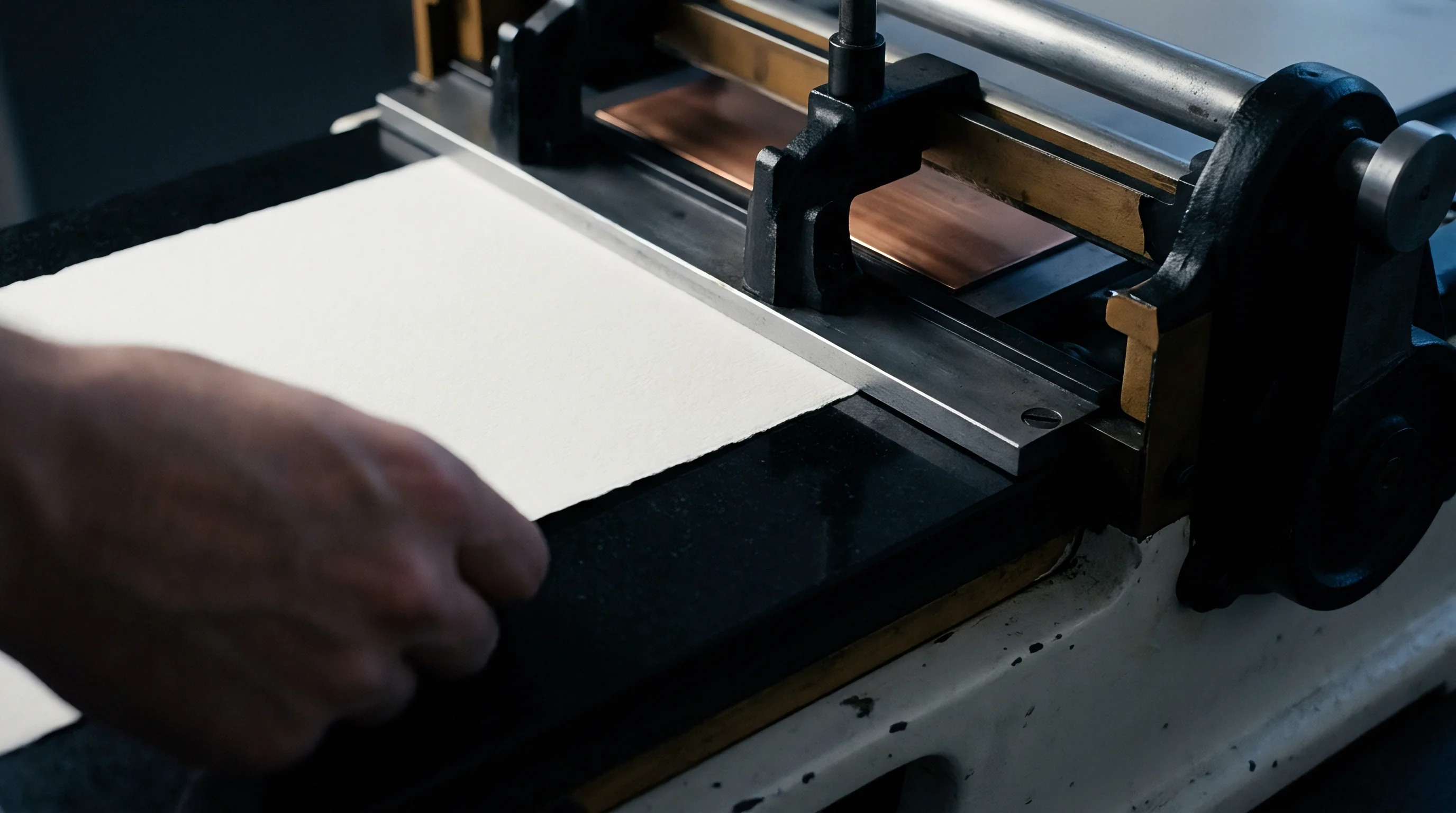
Engraved brass stamping tools define the final geometric boundaries of the finished foil impression. CNC milling machines cut relief profiles directly into hardened brass billets, maintaining machining tolerances within five microns. In multistage embossing, the brass female die operates against a matching male counterforce plate mounted to the lower platen bed.
Counterforce materials vary from poured liquid epoxy resins and glass-reinforced Pertinax to pre-cast polyurethane matrices. The counterforce forces the cartonboard into the female cavities, stretching the sheet beyond its yield point to impart three-dimensional form.
Processing high bulk recycled cartonboard requires substantial alterations to traditional die geometry. Standard tooling cut for virgin solid bleached board uses a female cavity depth matching target design height, with counterforce clearance equal to one board caliper. When applied to high bulk recycled board, this standard setup yields catastrophic failures.
The porous recycled core crushes completely under the counterforce, while the stiff, unheated lower surface tears along the female cavity edges. The male punch penetrates deep. Recycled plies resist uniform elongation.
Modern die manufacturers implement differential clearance geometry to handle recycled substrates. Relief sidewall angles, traditionally cut at sixty to seventy degrees, widen to seventy-five or eighty degrees. This wider draft angle reduces shear stress on the brittle surface coating, allowing fibers to bend gradually rather than fracture along a sharp knife-edge.
Polyurethane counters absorb tool vibration.

Counterforce Topography and Punch Clearance
Mated male matrix surfaces maintain precise vertical and horizontal offsets to prevent shearing the brittle recycled fibers. Counterforce clearance must account for the local densification behavior of the sheet. In non-image areas, the gap between male and female tools equals the uncompressed board thickness.
In fully embossed image zones, the gap narrows to match the compressed board density, which can measure forty percent less than the initial caliper.
Machined Pertinax counters provide superior dimensional stability over long production runs compared to poured epoxy resins. Pertinax retains its profile under repeated thermal and mechanical cycling, preventing localized wear that distorts embossing register. For intricate multi-level designs on high bulk board, polyurethane counterfaces with a Shore D hardness between seventy and eighty-five deliver optimal pressure redistribution, cushioning the brittle recycled core while maintaining sharp edge definition.

Multistage Registration and Sequential Compaction
Nested graphic elements executed across consecutive passes introduce compounding positional errors. Hot stamping foil must register accurately over embossed borders. If the foil applies in a separate second pass after blind embossing, the sheet shrinkage induced by the thermal drying of the first pass throws register out by up to 0.5 millimeters across a standard 1020-millimeter press sheet.
High bulk recycled boards experience high hygro-thermal dimensional movement due to their open internal structure.
Simultaneous single-pass combination tooling integrates the foil application and the relief embossing into a single stroke. The foil adhesive activates under platen heat while the male counter pushes the foil and board into the female die. This unified action eliminates register drift between the foil edge and the embossed shoulder.
It demands high precision in die depth compensation, because the foil must adhere cleanly to steep vertical walls without tearing under localized tensile elongation.
Shift Drift across High Impression Counts
Thermal expansion of the press bed alters the mechanical penetration stroke during extended production shifts. A large-format automatic platen press running continuously over eight hours absorbs heat from the stamping plates, elevating the temperature of the machine frame by fifteen to twenty-five degrees Celsius. This thermal growth expands the mechanical toggle system, increasing the effective platen pressure by several megapascals over the course of a shift.
Register drifts across the run.
- Platen zone thermal balancing stabilizes all heating zones across the press bed to within two degrees Celsius of target operating temperature before mounting counterforces.
- Counterforce shore check verifies that the male counter matrix maintains uniform hardness and exhibits no surface pitting or edge deformation after the first five hundred run-in impressions.
- Dynamic kiss touch calibration sets initial die contact pressure to the minimum level required for clean foil release before incrementally advancing impression tonnage to form relief contours.
- Mid-shift profilometry inspection pulls sample sheets at four-hour intervals to verify that post-stamping relief depth remains within fifteen microns of the approved make-ready reference sheet.
Experienced press operators recognize that a die set running flawlessly on cold morning startup will cut and tear recycled cartonboard by mid-afternoon unless impression tonnage is systematically backed off as the machine frame expands.

Allowance
Die makers incorporate predetermined dimensional offsets into the computer-aided tooling file. These dimensional allowances compensate directly for the predicted viscoelastic springback strain of the selected cartonboard grade. For high bulk recycled boards exhibiting springback strain ratios between thirty and forty-five percent, the CNC milling file intentionally cuts female cavity depths deeper than the final target relief specified on the client packaging drawing.
A packaging drawing requiring a finished relief height of one hundred and fifty microns requires a die cut to two hundred and twenty microns when running high bulk recycled furnish.
This dimensional compensation cannot apply uniformly across all design elements. Broad embossed planes experience greater springback than tight, intricate typographic details, because open areas lack the structural constraint provided by adjacent uncompressed board. Tooling designers utilize variable depth profiling, cutting flat surfaces twenty-five percent deeper than sharp ridges on the same brass plate.
Tooling adjustments made for virgin cartonboard fail completely when transferred to high bulk recycled grades.
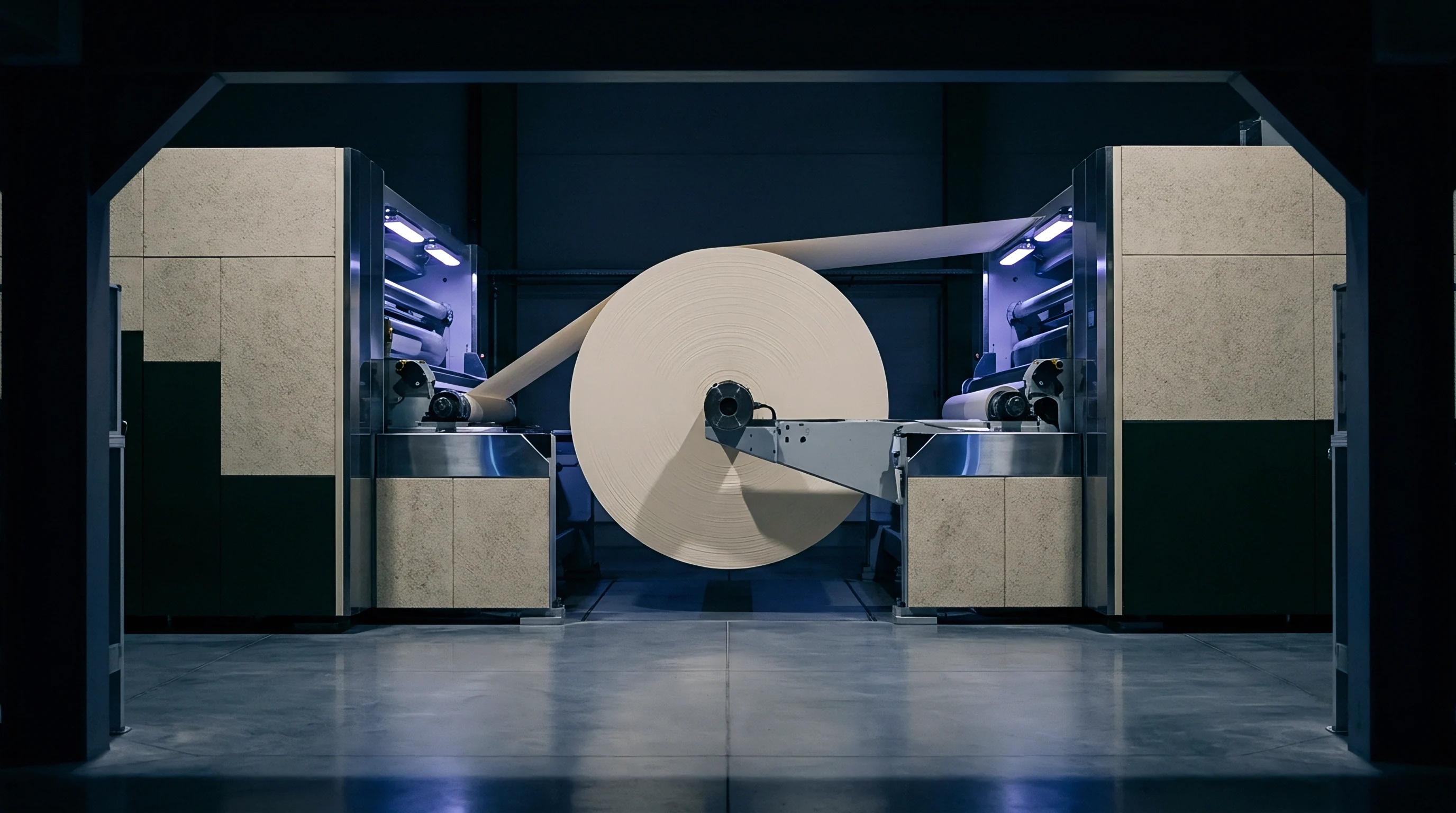
Dimensional Compensation in Tool Geometry
Punch stroke depths receive intentional elevation over nominal carton blueprint targets. Counterforce profiles must likewise compensate for the springback differential. Male punches cut for high bulk recycled boards require steeper apex radii to force the core fibers past their yield point.
While a virgin board requires a punch height equal to ninety percent of female cavity depth, a high bulk recycled board demands a punch height reaching one hundred and ten percent of female depth, effectively squeezing the compressed core beyond its normal limits to permanently deform the stubborn elastic fibers.
Draft angles receive corresponding adjustments. Increasing the draft angle from seventy to eighty degrees expands the lateral support zone along the emboss shoulder, stabilizing the vertical relief against subsequent collapse during package distribution and stacking. These geometric modifications reduce foil tearing while preventing unsightly cracking of the brittle clay coating along sharp creases.
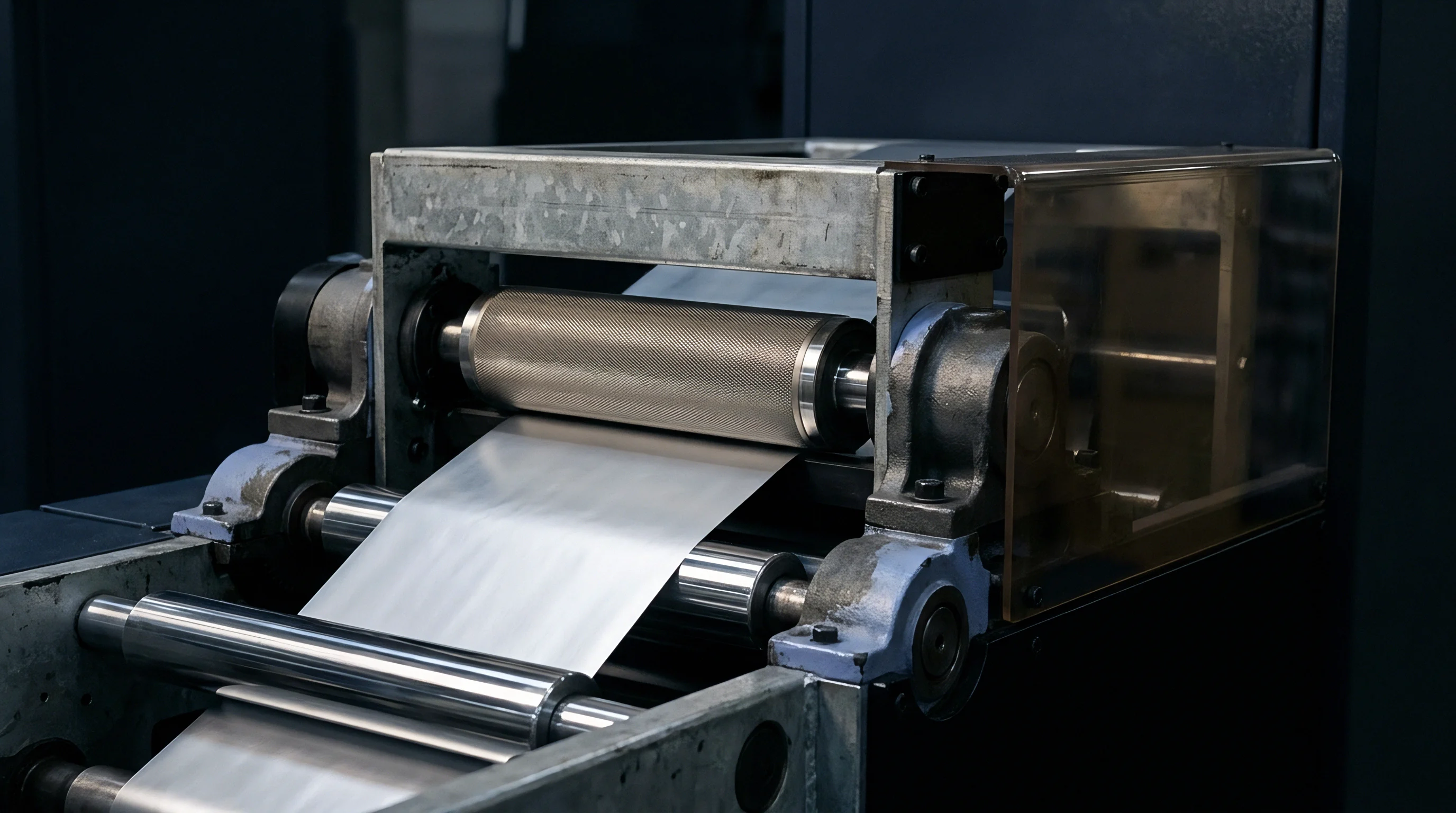
Spoilage Rates across Stamped Quantities
Production waste accumulates disproportionately on high-bulk recycled runs during make-ready and thermal stabilization. Achieving clean foil release combined with stable dimensional embossing requires extended dialing-in of platen temperature, mechanical tonnage, and foil feed tension. Make-ready sheets generate high waste.
Running waste on recycled boards exceeds virgin board spoilage due to substrate thickness variations and inconsistent internal bond strength across the paperboard reel.
| Cost Component | Solid Bleached Sulfate Virgin 300gsm | High Bulk Recycled Board 320gsm | Variance Percentage Impact |
|---|---|---|---|
| Raw Substrate Cost Per Thousand Sheets Euros | 145.00 | 112.00 | -22.8 |
| Tooling Set With Springback Allowance Euros | 650.00 | 820.00 | +26.2 |
| Make-Ready Spoilage Sheets Count | 250 | 450 | +80.0 |
| Running Waste Spoilage Rate Percentage | 2.5 | 5.8 | +132.0 |
| Platen Press Run Speed Sheets Per Hour | 5500 | 4200 | -23.6 |
| Net Unit Cost Per Finished Carton Euros | 0.245 | 0.238 | -2.9 |
The economic ledger reveals that while raw substrate cost drops by twenty-two percent when switching to high bulk recycled board, the net finished unit savings shrink to under three percent. Higher tooling expenses for compensated brass dies, increased make-ready sheet consumption, elevated running waste, and slower machine running speeds consume most of the raw material savings. On run lengths below ten thousand cartons, the higher die investment and setup waste completely wipe out the substrate cost advantage.
Recyclability Levies and Scrap Balance
Extended producer responsibility schemes calculate packaging taxes based on the net weight of applied metallic foil layers. In major European markets, packaging regulations penalize cartons where hot stamping foil covers more than sixty percent of the printable surface area, classifying the finished unit as non-recyclable composite packaging. Even beneath this threshold, heavy foil coverage on high bulk recycled board creates repulping challenges during fiber recovery.
During hydropulping, the crushed, resin-stiffened embossed zones resist fiber separation. Insoluble flakes of hot stamping foil carrier lacquers fragment into fine micro-particles that pass through standard mill screens, contaminating the recovered pulp slurry. Brand owners pursuing sustainable packaging must balance the visual appeal of multistage hot foil embossing against modulated eco-modulation fees that penalize heavy surface finishing.
Under the standardized terms of the European cartonboard trade customs standard clause 8.3, dimensional variations resulting from ambient atmospheric moisture shifts or substrate viscoelastic recovery remain outside mill liability unless explicitly guaranteed through a bilateral technical delivery agreement.