Mechanical Compaction
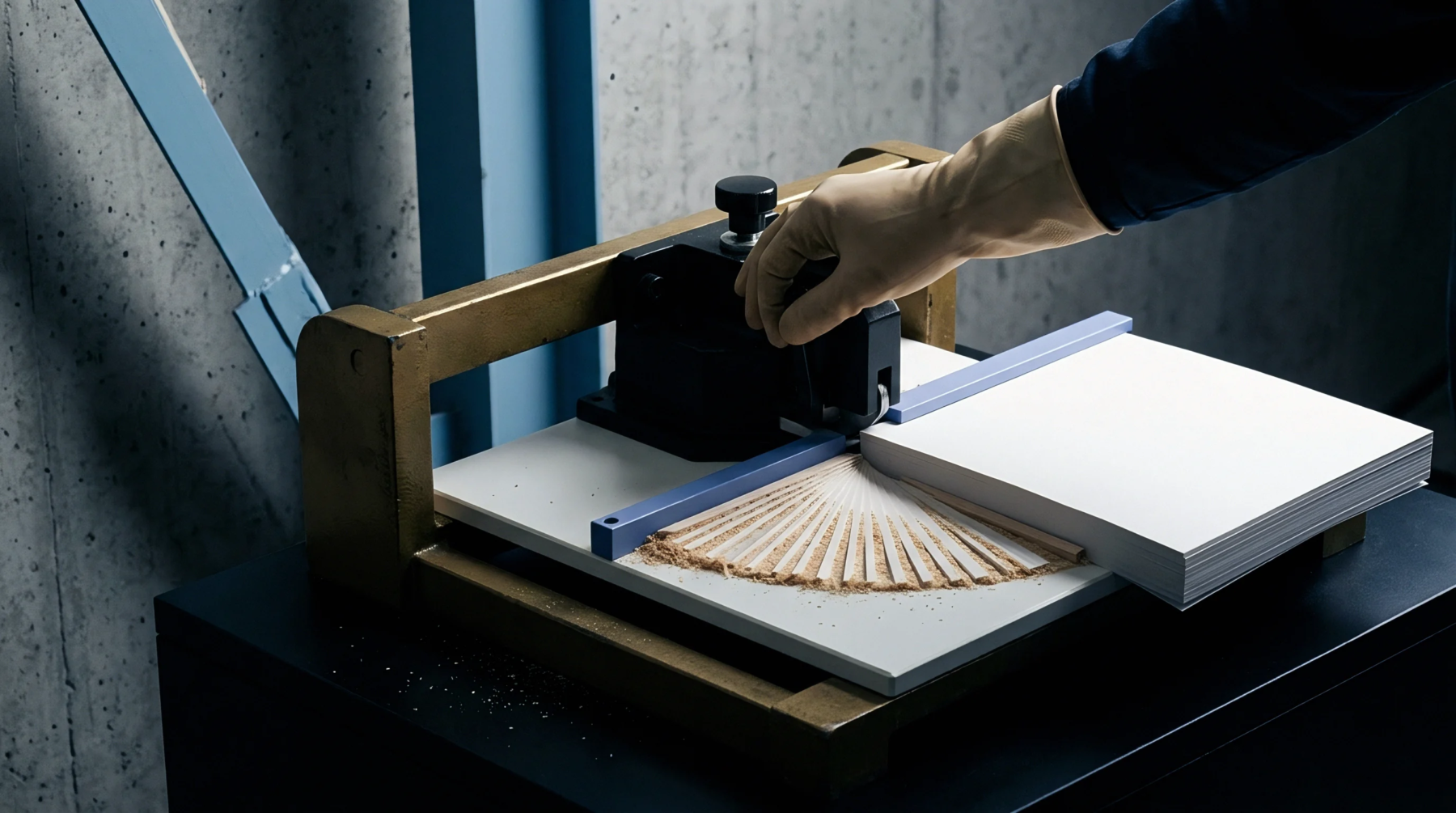
Hydraulic pressure applied through a wide flexible belt creates the shoe press to consolidate paper fibres during the dewatering stage of production. This device functions by extending the nip length compared to traditional roll presses where two rigid cylinders meet at a single line. The extended contact zone allows water to escape the sheet without crushing the wet web.
Longer residence time under load improves densification and smoothness across the entire width of the machine. Controlled pressure profiles adjust the bulk and porosity of the final stock.
Load Distribution
Uniformity of pressure across the web relies on multiple hydraulic pistons acting against a concave stationary beam. These pistons regulate the force profile to correct moisture streaks or basis weight variations that occur after the forming section. Proper calibration of the loading actuators ensures that the pressure curve matches the specific requirements of the paper grade.
Operators monitor the displacement of the shoe to maintain the desired caliper. Fluctuations in hydraulic fluid temperature change the viscosity and alter the performance of the press nip.
Operational Performance
High nip loads generated by this configuration result in superior fibre bonding and sheet strength characteristics. Increasing the dewatering capacity at this early stage reduces the energy consumption required for subsequent thermal drying. Mills obtain higher production speeds by managing the balance between sheet dryness and physical properties such as opacity and tensile strength.
Improved moisture profile control prevents irregular winding and promotes consistent print quality on the finished roll. Efficient water removal from the web determines the throughput limit of the machine.