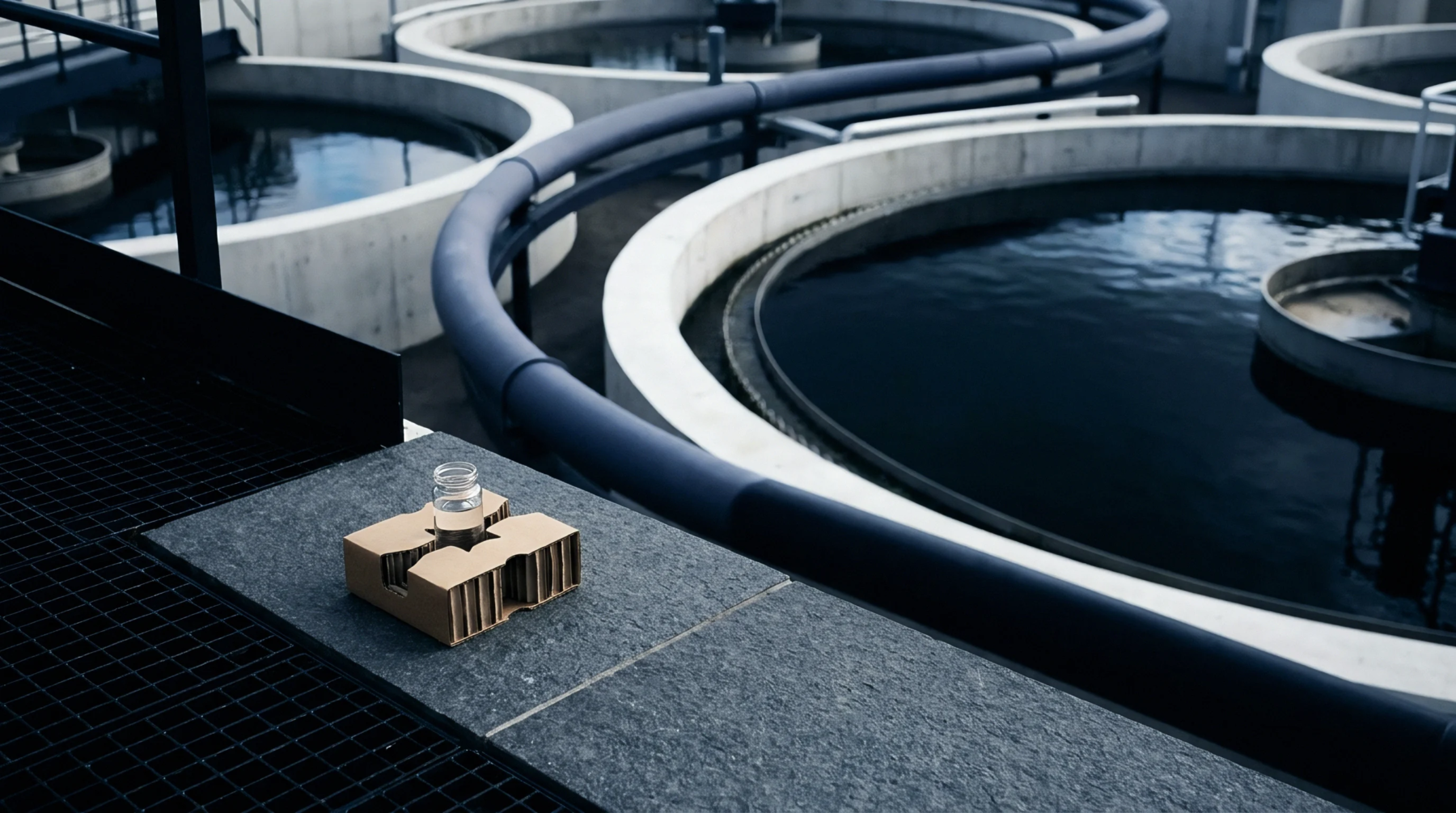
Closed Loop White Water Equilibrium Control and Synthetic Additive Accumulation Mechanics
Closing white water loops concentrates non-retained synthetic additives and chloropropanols, degrading board strength and threatening food contact compliance.
Closing white water loops concentrates non-retained synthetic additives and chloropropanols, degrading board strength and threatening food contact compliance.
Optimize wet end charge to slight negative potential and verify dynamic retention with TAPPI T 261 to secure mechanical strength and chemical compliance.
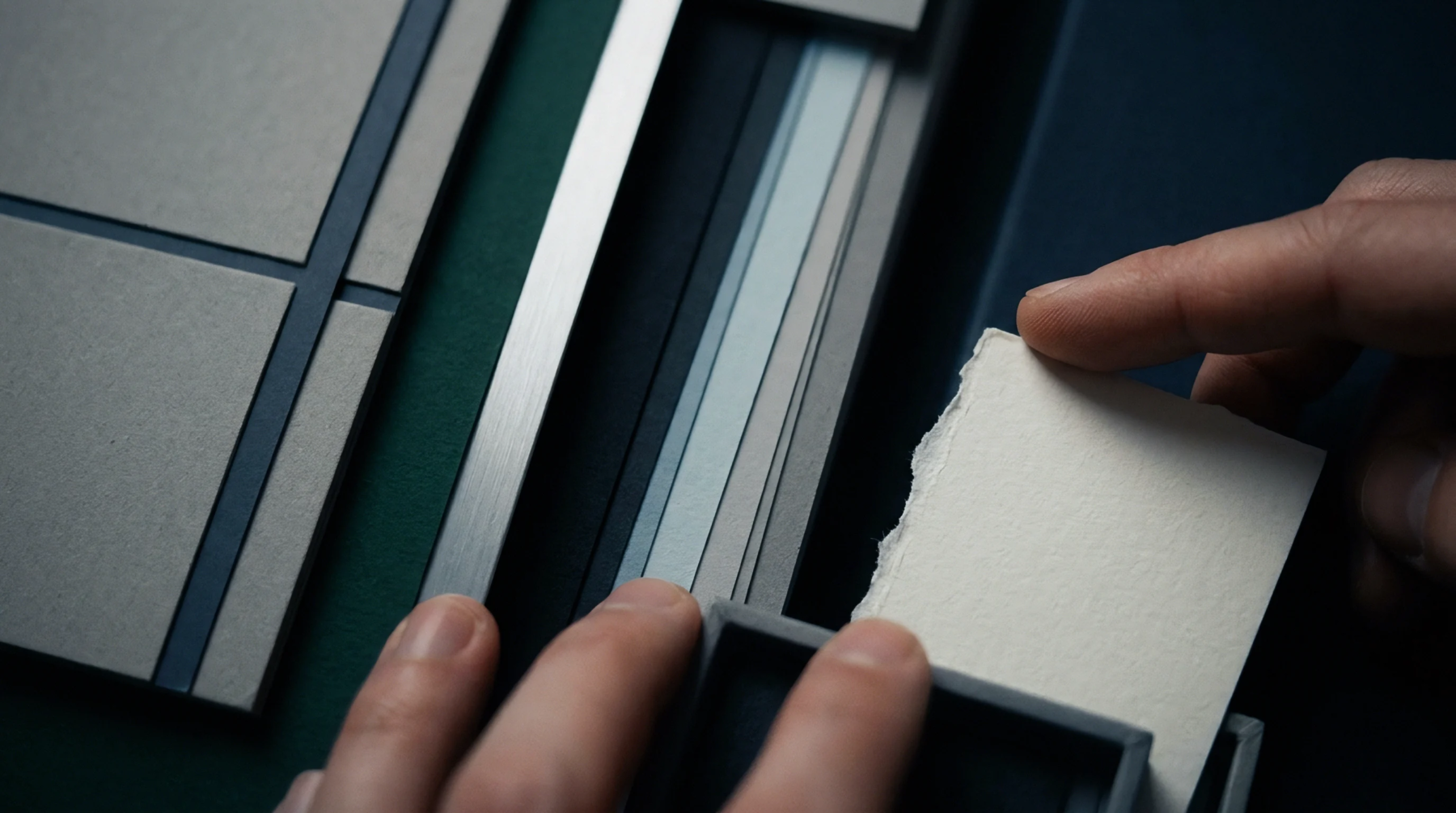
Monomer ratios with glass transition temperatures between 10 °C and 25 °C balance shear stability, film formation, and Cobb water resistance on high-yield pulp.

Quantifying micro-stickies and organic load in closed-loop board circuits requires combined TOC analysis and hydrophobic deposition testing to prevent deposit failures.
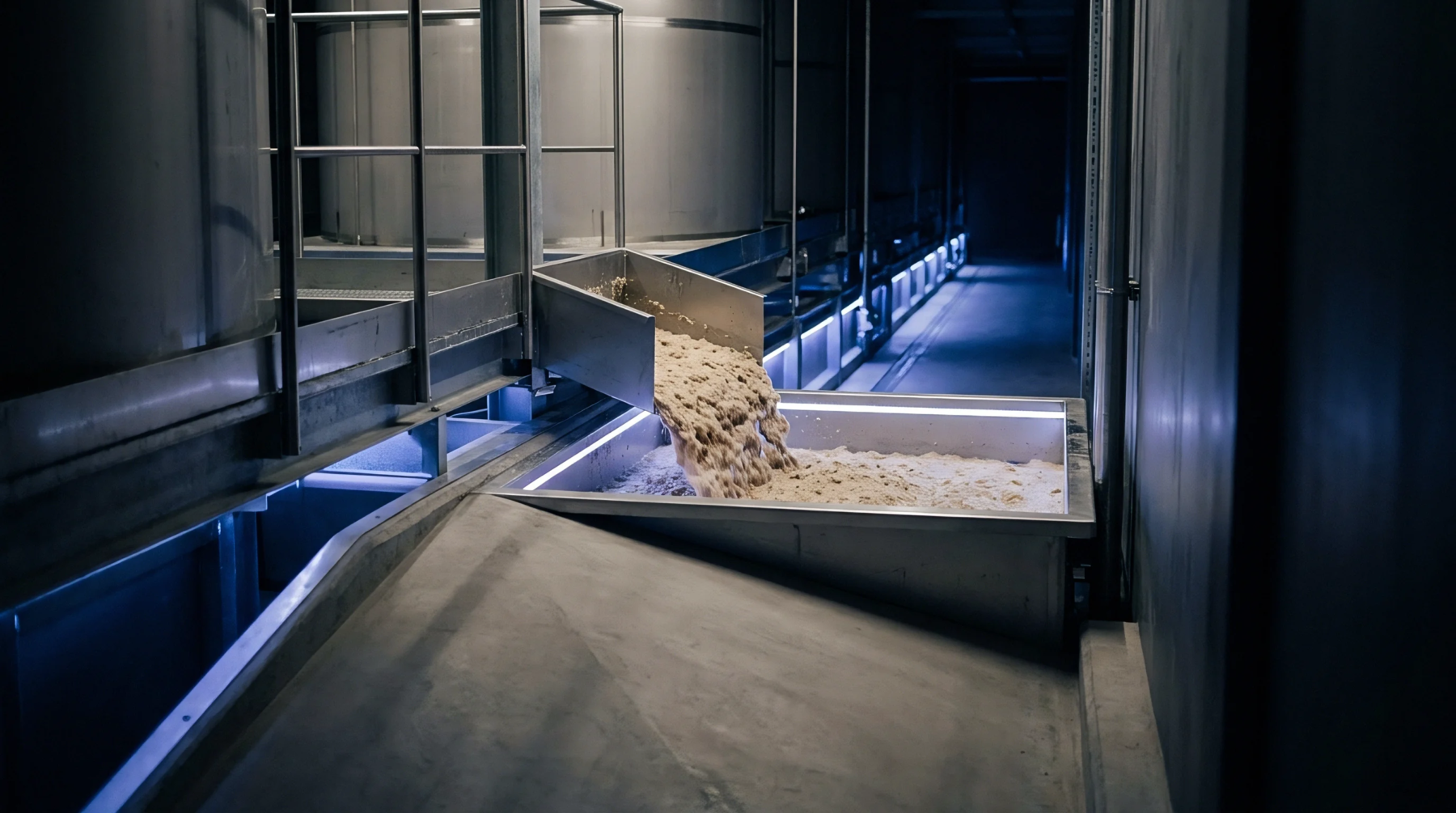
Alkyl ketene dimer hydrolysis in alkaline hardwood stock converts active sizing wax into unreactive dialkyl ketone, raising chemical costs and felt deposits.
Expertise is a utility, not a secret. sentiention™ publishes its working knowledge as open reference: intelligence layer covering the materials it sources, the markets it enters, and the reference that serves both.