Alkyl Ketene Dimer Wet End Hydrolysis in Alkaline Hardwood Furnish
Alkyl ketene dimer hydrolysis in alkaline hardwood stock converts active sizing wax into unreactive dialkyl ketone, raising chemical costs and felt deposits.
Mechanism
Alkaline papermaking with alkyl ketene dimer relies on a covalent esterification reaction between the four-membered lactone ring of the size molecule and hydroxyl groups on cellulose microfibrils. In short-fibre hardwood furnishes, wet-end conditions set up direct thermodynamic competition between this fibre-bonding pathway and reaction with water in the stock slurry. Pure alkyl ketene dimer is a hydrophobic wax made from fatty acid chlorides, such as stearoyl or palmitoyl chloride, and emulsified with cationic starch and synthetic polymers into stable droplets measuring 0.5 to 2.0 micrometres.
These positively charged emulsion particles deposit onto negatively charged wood fibres in the headbox stream before sheet formation.

Lactone Ring Opening Dynamics
Reactivity stems from high ring strain inherent to the four-membered oxetane-2-one structure. At elevated temperatures across the dryer section, cellulosic hydroxyl groups attack the carbonyl carbon of the lactone ring, forming a beta-keto ester linkage anchored to the fibre wall. Hydrolysis occurs when a hydroxyl ion or neutral water molecule attacks that same carbonyl carbon while the particle is still suspended in the water phase of the wet end, prior to sheet drainage and thermal curing.
Unreacted size particles carried into the press felt alter press fabric capillary structure and degrade water removal efficiency.
During stock transit, water outnumbers cellulose hydroxyl concentrations by several orders of magnitude. Sizing retention onto hardwood fines determines how much active chemical actually reaches the press section. High-surface-area fines, abundant in short-fibre hardwood pulp, adsorb a disproportionate share of the emulsion, concentrating reactive chemistry on material prone to heavy drainage loss.
BETA-Keto Acid Decarboxylation
Hydrolysis initially forms an unstable beta-keto acid intermediate, which rapidly undergoes spontaneous thermal decarboxylation, releasing carbon dioxide gas and leaving an unreactive dialkyl ketone. Without the functional lactone ring, dialkyl ketones cannot form covalent bonds with pulp fibres. The resulting ketone acts as a free hydrophobic wax that migrates through the sheet web during pressing and drying without imparting permanent water resistance.
Retention aids shorten wet-end dwell times and reduce the volume of hydrolysis products formed in headbox piping. Headbox temperatures above 50 degrees Celsius, common in closed-loop water systems using alkaline calcium carbonate fillers, accelerate oxetane ring cleavage long before the sheet enters the dryer section. Between pH 7.8 and 8.4, hydrolysis rates double for every 8 to 10 degrees Celsius rise in wet-end stock temperature.
Effective emulsion particle stabilization prevents water from penetrating the core of the wax droplet during storage and pumping. Solid wax cores resist rapid hydrolysis at ambient wet-end temperatures, whereas liquid or poorly emulsified wax fractions expose active lactone rings to immediate hydroxyl attack in the stock chest.

Hydrolysis
Alkaline hardwood furnishes containing eucalyptus, birch, or maple pulps show distinct wet-end chemistry compared to softwood furnishes. Higher carboxyl contents, elevated hemicellulose levels, and substantial fines fractions demand tailored retention and sizing strategies. Hydrolysis kinetics in these stock systems depend directly on pH, alkalinity, stock temperature, retention time, and particle charge dynamics.

Wet End Kinetic Factors
Lactone ring hydrolysis follows pseudo-first-order kinetics relative to hydroxyl ion concentration in the water phase. As stock pH shifts from neutral 7.0 to alkaline 8.3, the rate constant for size degradation increases dramatically. Hardwood lines running precipitated calcium carbonate filler systems maintain wet-end pH levels between 7.8 and 8.5, creating an environment where hydrolysis competes aggressively with fibre adsorption.
| Stock pH | Temperature (°C) | Wet End Dwell Time (min) | Hydrolysis Rate Constant k (h⁻¹) | Sizing Loss Potential (%) |
|---|---|---|---|---|
| 7.2 | 40 | 12 | 0.042 | 3.1 |
| 7.8 | 45 | 15 | 0.118 | 8.4 |
| 8.2 | 50 | 18 | 0.295 | 18.2 |
| 8.5 | 55 | 22 | 0.610 | 31.5 |
| 8.8 | 60 | 25 | 1.150 | 48.0 |
Bicarbonate alkalinity buffers stock pH while supplying weak nucleophiles that participate in secondary degradation pathways. Accumulated dissolved solids in closed whitewater circuits raise ionic strength, destabilizing the protective cationic starch shell surrounding the size droplets. Agglomerated sizing wax exposes a larger surface area to hydrolytic cleavage while failing to distribute evenly across short hardwood fibres.
An increase in wet end stock temperature from 45 °C to 55 °C under ISO 187 conditioning doubles the rate of ketone formation in closed-loop whitewater circuits.
Hardwood Fines Interactions
Chemical pulping and refining of eucalyptus and birch generate large quantities of ray parenchyma cells and vessel elements. These morphological components make up the hardwood fines fraction, which possesses a high specific surface area ranging from 8 to 15 square metres per gram. Sizing emulsion droplets adsorb rapidly onto fines because of their high charge density.
When poor wet-end retention permits fines to pass through the forming fabric into the whitewater loop, the attached size emulsion experiences prolonged exposure to alkaline conditions.
- Hydrolytic Sizing Decay reduces final sheet water resistance, measured by ISO 535 Cobb tests, because active lactone functionality is consumed prior to thermal curing.
- Wax Deposit Accumulation fills press felts and blinds wires, leading to frequent sheet breaks and pick-outs in the press section.
- Size Migration Instability promotes non-uniform hydrophobic distribution across the sheet caliper, resulting in double-sided printing defects and variable offset ink pickup.
- Friction Coefficient Reduction decreases static and kinetic friction on the finished web, causing reel slipping, telescoping, and converting line instability.
Recirculated whitewater carries hydrolyzed dialkyl ketone wax back to the headbox approach piping. Lacking ionic charge, the accumulated ketone wax cannot attach electrostatically to anionic wood fibres without retention aid intervention. It deposits on machine surfaces or forms suspended tacky agglomerates alongside hardwood pitch and extractives.
Although emulsion degradation is sometimes attributed to improper storage temperatures or shear damage in mill pumps rather than wet-end reactivity, chemical analysis of headbox deposits reveals that over eighty percent of extracted wax content consists of dialkyl ketone formed directly within the wet end loop.

Fibre
Hardwood fibre morphology directly shapes physical interactions with hydrophobic sizing agents. Bleached hardwood kraft pulps feature average fibre lengths between 0.7 and 1.2 millimetres, contrasting with softwood kraft fibres that exceed 2.5 millimetres. Having more individual fibres per gram of paper increases the total surface area requiring hydrophobic coverage to achieve target liquid penetration resistance.
What Drives Ketone Accumulation during Hardwood Sizing?
High specific surface area requires higher chemical additions to achieve uniform coverage across the fibre matrix. However, increasing the dosage of alkyl ketene dimer to offset low retention automatically raises the concentration of unattached chemical species in the aqueous phase. Unattached emulsion particles remain in contact with alkaline whitewater, accelerating conversion into hydrolysate products.
Refining hardwood furnish opens internal microfibrils, creating extra hydroxyl bonding sites while releasing microscopic cell wall fragments into the stock chest. Excessive refining increases stock drainage resistance, extending residence time in the forming zone and giving size more opportunity to hydrolyze under alkaline conditions before the sheet reaches the press section.
Hemicellulose and Extractives Influence
Hardwood furnishes carry substantial amounts of xylan hemicellulose, containing glucuronic acid side chains that contribute significantly to the total anionic charge of the pulp slurry. Anionic trash, including dissolved hemicellulose fragments and residual fatty acid soaps, neutralizes the cationic charge of sizing emulsion additives. Charge neutralization causes premature emulsion breakdown, leading to bulk wax precipitation before uniform fibre adsorption occurs.
Hardwood pitch components, particularly neutral extractives such as sterol esters, triglycerides, and fatty alcohols, interact synergistically with dialkyl ketone hydrolysates. These organic compounds blend into tacky, low-melting-point mixtures that adhere to wire meshes, felt fibres, and dryer cans. Calcium ions from dissolved calcium carbonate filler exacerbate pitch precipitation by bridging anionic fatty acids and hydrolyzed size molecules.
Neglecting chemical charge optimization across the hardwood furnish leads to systemic sizing loss, requiring costly off-machine surface sizing corrections or outright rejection of finished paper rolls that fail moisture barrier specifications.

Deposit
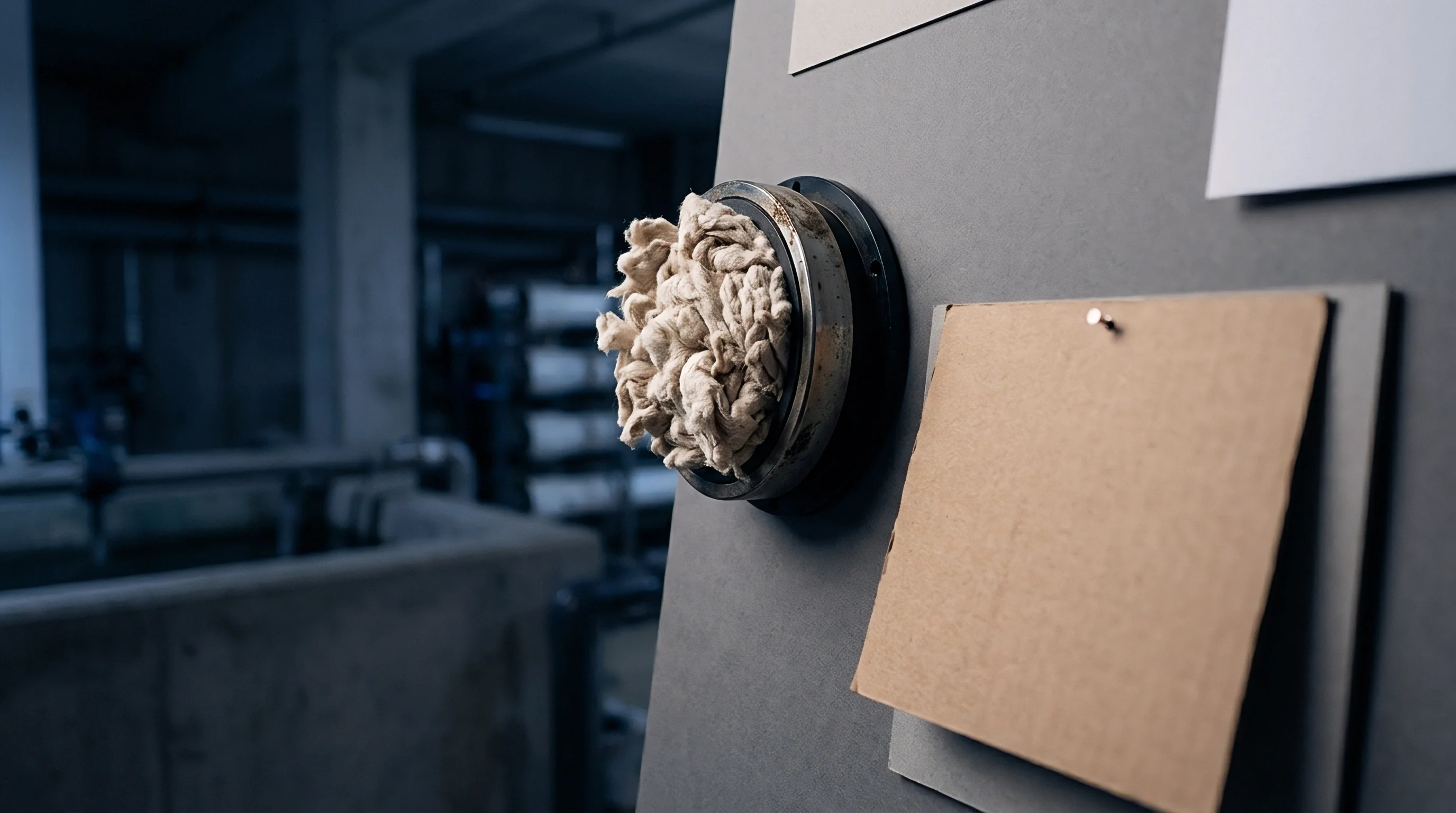
Hydrolyzed alkyl ketene dimer is a primary component of hydrophobic wet-end deposits in alkaline paper mills running hardwood furnishes. Dialkyl ketone wax melts between 45 and 70 degrees Celsius, matching the operational thermal range of press sections and early dryer groups. As the wet web passes through press nips, liquid and semi-solid wax fractions transfer onto press felts, clogging permeable void spaces.

Press Fabric Contamination Mechanics
Press felt contamination reduces vacuum dewatering capacity and causes uneven moisture profiles across the paper machine width. Ketone deposits collect inside felt capillaries, trapping hardwood fines, calcium carbonate particles, and residual cationic starch. The resulting felt filling forces operators to run high press nip pressures, which crushes the hardwood sheet structure and reduces bulk.
Deposits on forming wires alter local drainage hydraulics, creating pinholes and thin spots in the sheet. In early dryer sections, warm synthetic wax transfers from the paper surface onto iron dryer cylinders, creating sticky spots that tear the wet sheet web during open draws. Sheet picking leaves hydrophobic defects on the paper surface that impair ink acceptance during offset printing.
Mitigation and Cleaning Frameworks
Preventing deposit formation requires controlling wet-end retention, stabilizing sizing emulsions, and implementing targeted chemical deposit control programs. Passivating wire and felt materials using non-ionic surfactant showers reduces the adhesion of tacky ketone particles to machine clothing.
- Retention System Optimization balances micropolymer and cationic coagulant additions to achieve total wet end retention above eighty-five percent and fines retention above seventy percent.
- Charge Neutralization Monitoring regulates wet end cationic demand using streaming current detectors to prevent emulsion coagulation caused by excess anionic trash.
- Temperature Management limits headbox stock temperatures to below fifty degrees Celsius whenever process conditions permit, restricting hydrolysis rate constants.
- Targeted Passivation Chemistry applies continuous low-dose polyamine or non-ionic dispersant treatments directly to press felts to prevent hydrophobic wax agglomeration.
Inclusion of cationic retention aids maintaining total headbox retention above 88 percent suppresses dialkyl ketone accumulation in closed whitewater circuits under TAPPI T 1214 conditions.
The exact threshold at which accumulated dialkyl ketone forces an unscheduled machine washdown varies depending on machine speed, felt design, and filler content.

Control
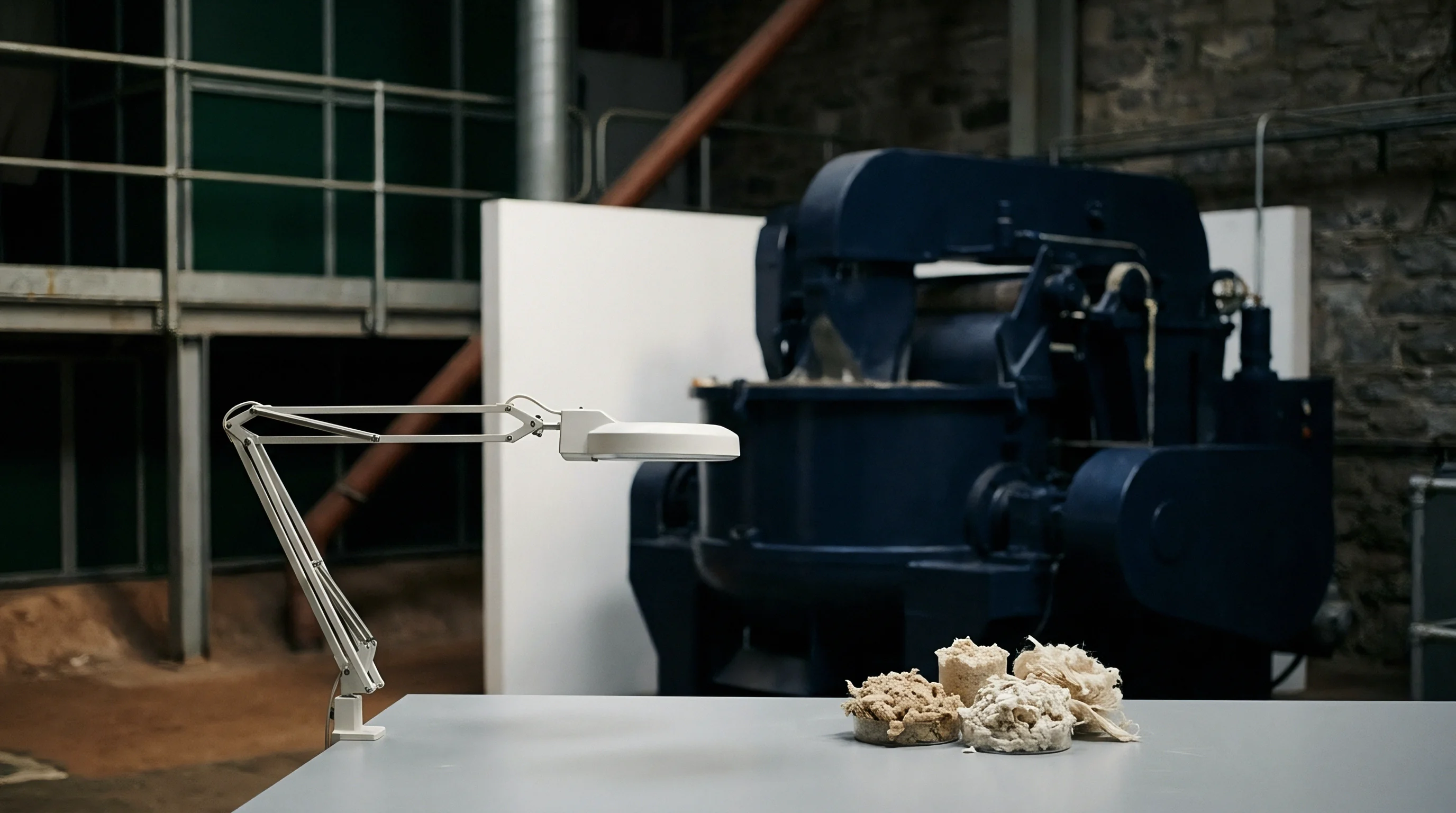
Accurate measurement of active alkyl ketene dimer versus hydrolyzed ketone fractions enables precise control over wet-end chemical additions. Standard gas chromatography and infrared spectroscopy techniques differentiate between active lactone rings and unreactive ketone species present in paper samples and process water streams.
Analytical Solvent Extraction Protocol
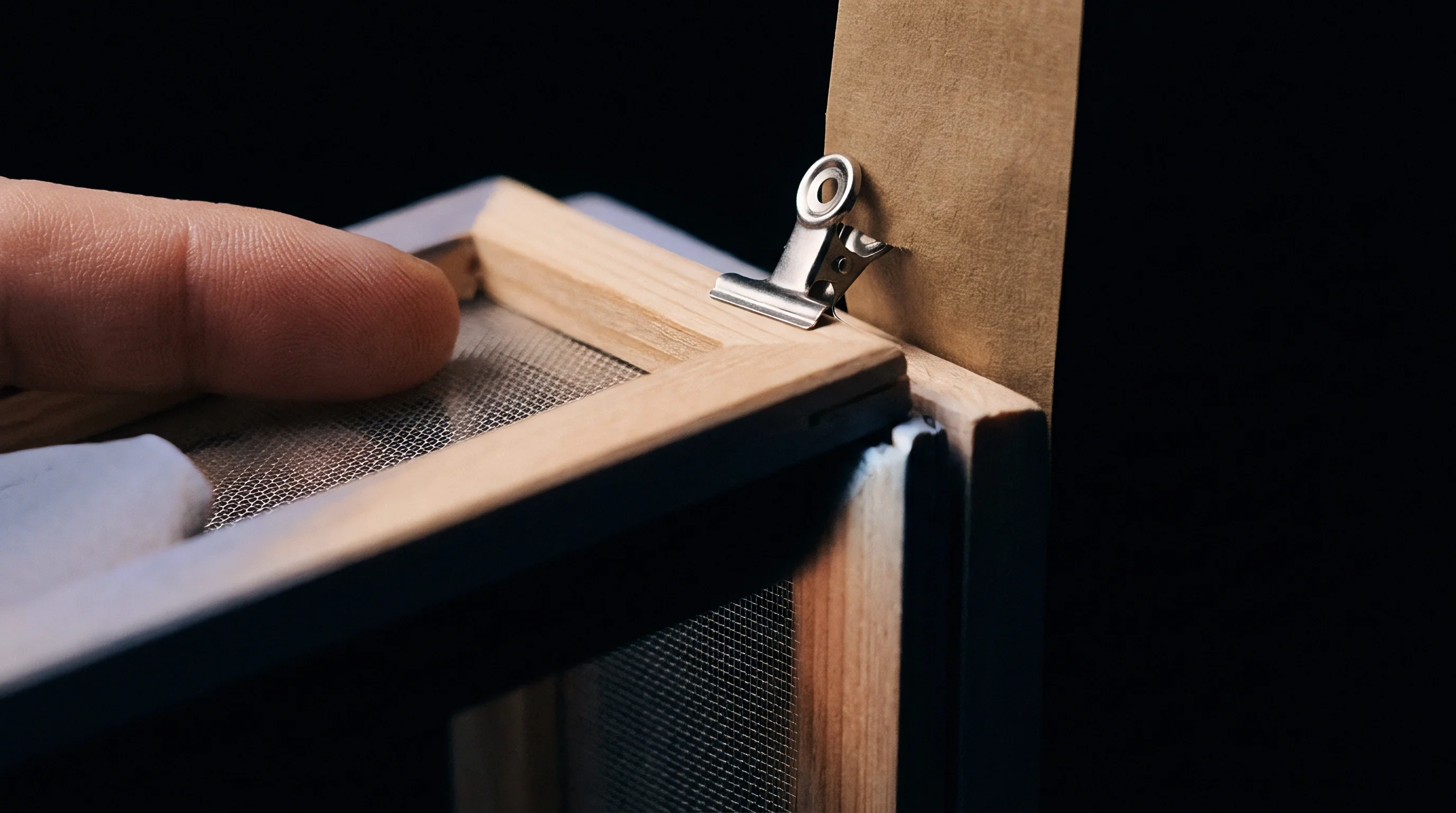
Determining total size content involves solvent extraction of the paper sheet using chloroform or supercritical carbon dioxide. Extractables contain unreacted lactone, dialkyl ketone, and covalently bound ester species. Liquid chromatography separates active size from hydrolysate, allowing quantification of the hydrolysis percentage occurring across the machine.
Fourier-transform infrared spectroscopy analyzes the specific absorption band at 1850 cm⁻¹, characteristic of the lactone carbonyl group, against the 1700 cm⁻¹ absorption band associated with ketone carbonyl groups. The ratio between these peaks quantifies the degree of functional sizing chemistry remaining on the fibre surface following dryer curing.
Dryer Curing Optimization
Alkyl ketene dimer requires heat to melt, spread across fibre surfaces, and react with cellulosic hydroxyl groups. Paper machine dryer profiles must supply sufficient thermal energy while the sheet retains critical moisture levels to facilitate molecular mobility. Thermal curing schedules that heat the sheet too early, while moisture content remains above fifteen percent, drive accelerated wet web hydrolysis rather than covalent bonding.
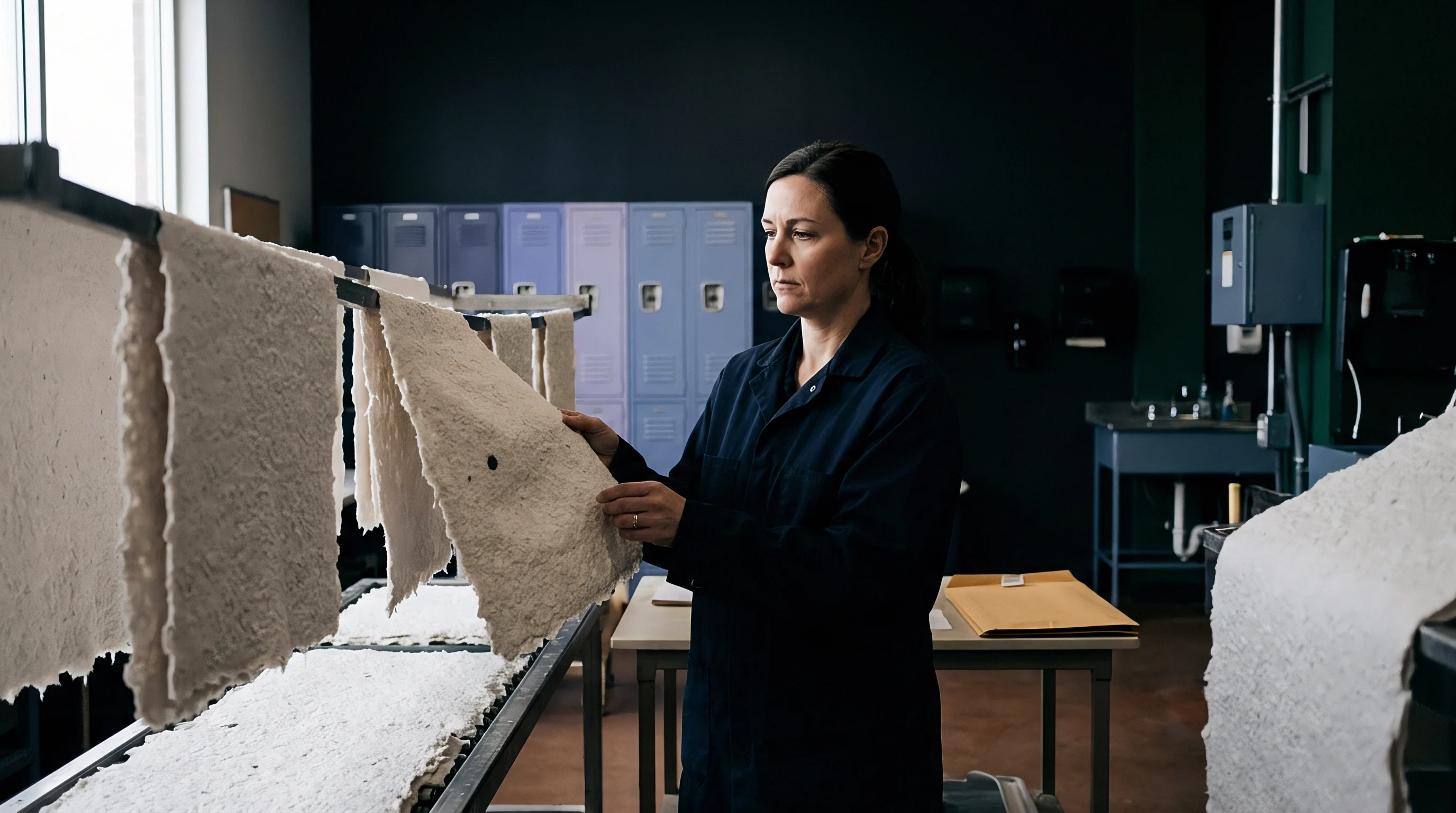
Paper mills verify compliance using standard test procedures that specify liquid penetration resistance following conditioning. TAPPI T 441 specifies the Cobb water absorption test, measuring water uptake over controlled duration periods, typically 60 or 120 seconds. Low Cobb numbers reflect high sizing efficiency, whereas elevated Cobb values indicate low size retention or high hydrolysis fractions.
- Cut representative paper specimens measuring 125 millimetres square from the reel web, avoiding hand contact with test zones.
- Weigh each conditioned specimen on an analytical balance to an accuracy of 0.001 grams under ISO 187 standard atmosphere conditions.
- Clamp the specimen securely into the standard Cobb test apparatus ring, ensuring a watertight seal against the rubber mat.
- Pour 100 millilitres of distilled water conditioned to 23 degrees Celsius into the test cylinder over the paper surface.
- Expose the sheet surface to water for 50 seconds before rapidly pouring off the liquid volume.
- Blot excess surface water precisely at 60 seconds using standardized blotting paper and a 10-kilogram steel couch roller.
- Reweigh the moist specimen immediately and calculate absorbed water mass in grams per square metre.
Supply agreements for paper machine sizing additives routinely state that chemical efficiency guarantees become null and void if wet end system pH exceeds 8.2 or headbox temperatures remain above 52 degrees Celsius for longer than four consecutive hours.
Outlay
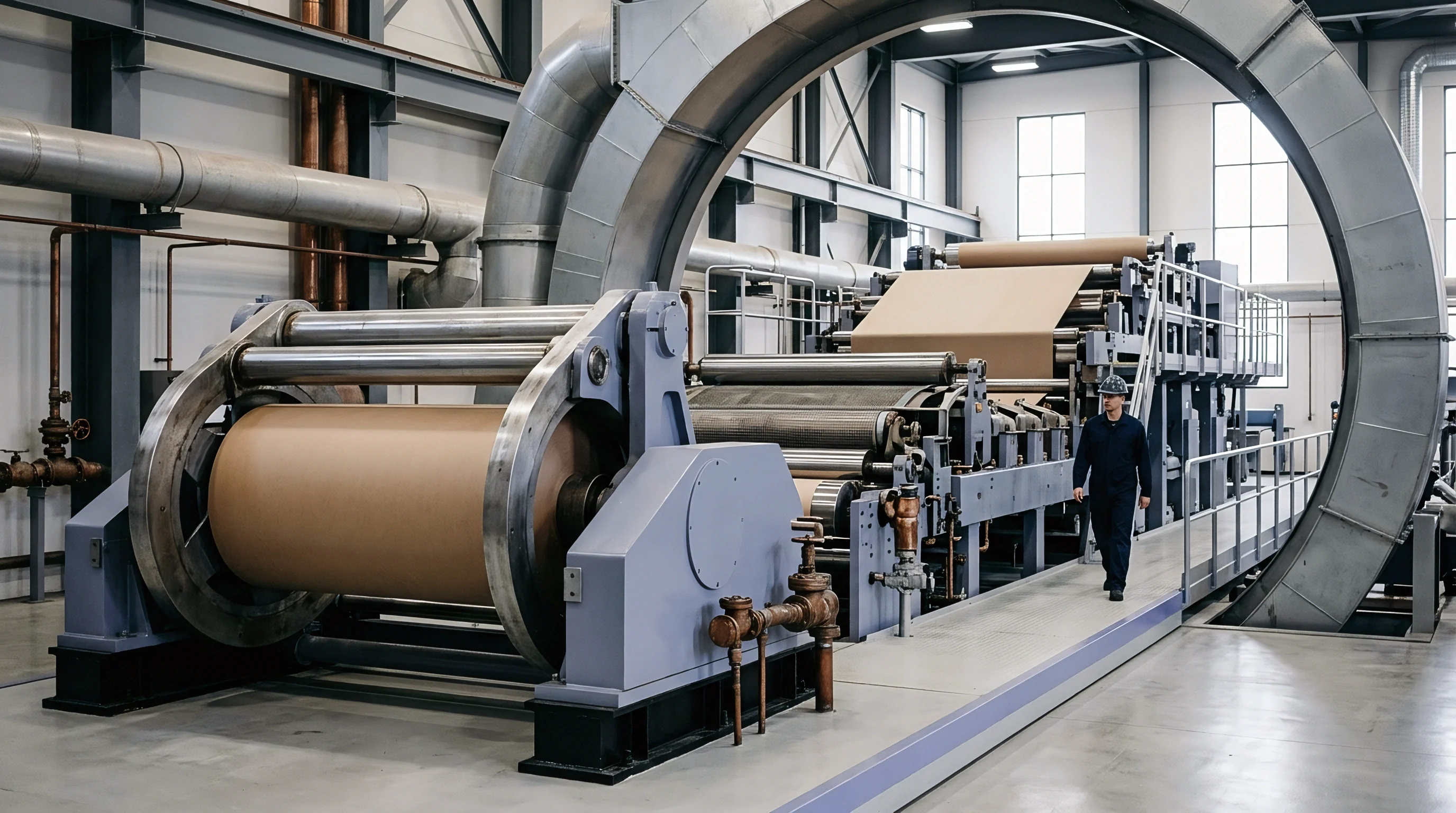
Size loss through wet-end hydrolysis directly impacts paper mill manufacturing economics. Alkyl ketene dimer emulsions represent a substantial chemical cost per tonne of finished hardwood paper. Consuming active chemical species through side hydrolysis reactions forces mills to over-dose sizing additives to maintain technical paper performance specifications.
Chemical Consumption Economics
Over-dosing sizing agents increases chemical expenditure while accelerating press felt contamination, machine downtime, and converting losses. A mill consuming 2.5 kilograms of active sizing emulsion per tonne of hardwood paper at an active content cost of 3.20 Euros per kilogram incurs an initial sizing chemical outlay of 8.00 Euros per tonne.
| Hydrolysis Loss Rate (%) | Sizing Emulsion Dosage (kg/t) | Direct Sizing Cost (€/t) | Surface Size Compensation (€/t) | Net Added Cost (€/t) |
|---|---|---|---|---|
| 5.0 | 1.50 | 4.80 | 0.00 | 0.00 |
| 15.0 | 1.80 | 5.76 | 0.45 | 1.41 |
| 25.0 | 2.15 | 6.88 | 1.10 | 3.18 |
| 35.0 | 2.60 | 8.32 | 1.95 | 5.47 |
| 50.0 | 3.40 | 10.88 | 3.20 | 9.28 |
When wet-end hydrolysis consumes 35 percent of active size prior to sheet drying, the effective sizing dose drops significantly. To meet target ISO 535 Cobb values below 25 grams per square metre, technical personnel must increase emulsion feed rates to 3.4 kilograms per tonne. This operational adjustment raises direct chemical outlay by 2.88 Euros per tonne produced.
Running hardwood wet ends at pH 8.3 with 30 percent hydrolysis increases annual sizing chemical outlay by 288,000 Euros on a 100,000-tonne machine line.

Yield and Converting Cost Corrections
Hydrolysis forces secondary chemical interventions. Mills compensate for poor wet-end sizing by increasing surface sizing applications at the size press using modified starches, styrene acrylic esters, or synthetic surface sizing agents. Surface size additions increase operational drying energy costs, adding between 1.20 and 3.50 Euros per tonne in steam consumption to evaporate additional water applied at the size press.
Sheet friction degradation caused by dialkyl ketone migration creates downstream converting losses. High ketone content lowers the static coefficient of friction below 0.40, causing paper rolls to slip during high-speed winding and corrugating operations. Slitting waste, edge alignment errors, and stack instability in converting plants add significant indirect costs that dwarf the initial price of wet-end chemical additives.
Optimizing wet-end retention systems, controlling whitewater temperature loops, and adjusting wet-end pH down to 7.5 to 7.8 minimizes hydrolytic degradation pathways. These process adjustments protect active size molecules, stabilize paper machine runnability, reduce press felt wash frequencies, and secure targeted sheet water resistance at minimal landed chemical cost across alkaline hardwood paper manufacturing operations.