Molecular Identification
Analytical techniques that utilize the absorption of infrared light reveal the chemical composition of unknown substances on a paper surface. The fourier transform infrared spectroscopy method identifies organic compounds such as adhesives, coatings or contaminants by their unique molecular vibrations. It is a standard tool for forensic analysis in the packaging industry.
Detection Capability
A beam of infrared radiation passes through or reflects off the sample and the resulting spectrum is compared to a library of known substances. Different functional groups in the chemicals absorb specific wavelengths which creates a fingerprint for the material. This allows for the identification of polymers or additives that are present even in trace amounts.
Surface Assessment
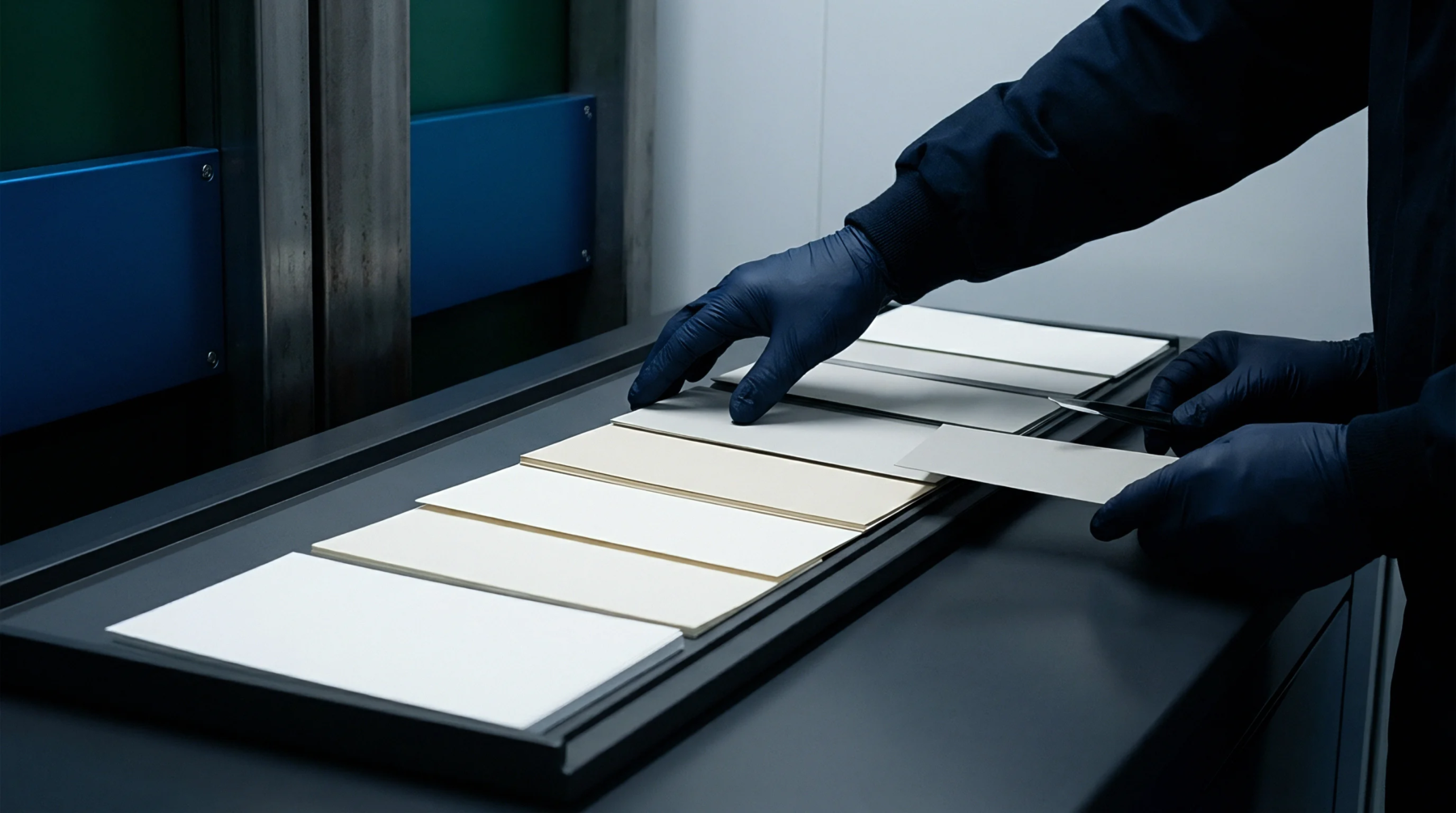
Identifying the cause of bonding failures or spotting issues on a printed sheet often involves scanning the affected area for foreign residues. Because fourier transform infrared spectroscopy can isolate the signals from individual components, it helps to determine whether a problem originated from the paper mill or the conversion process. The technique is particularly useful for verifying the presence of silicone or wax which can interfere with the adhesion of inks.
Results are obtained quickly and provide a clear chemical basis for solving production quality disputes.