Micro-Sticky Coalescence Dynamics in High-Temperature Industrial Papermaking Systems
Elevated wet-end temperatures alter micro-sticky glass transition dynamics, driving colloidal coalescence that demands strict chemical passivation and verified migration limits.
Melt

Glass Transition Dynamics of Recycled Synthetic Polymers
Micro-stickies originate from hydrophobic synthetic organic components present in recovered paper streams. These contaminants, primarily composed of polyvinyl acetate, styrene-butadiene rubber, polyacrylates, ethylene-vinyl acetate, and hot-melt resins, enter the pulping circuit as dispersed particles below 100 micrometers in size. At ambient processing temperatures, these polymers remain relatively rigid, dispersed suspended solids.
Industrial papermaking circuits operating at elevated temperatures above 50°C alter this physical state completely. As process water temperatures cross the glass transition temperature of these synthetic polymers, the amorphous regions within the contaminants shift from a glassy solid to a flexible, rubbery state. This thermodynamic state change dramatically increases polymer chain mobility and viscoelastic tackiness.
Thermal acceleration in closed water circuits exacerbates polymer softening. Modern high-efficiency mills reuse process water extensively to reduce freshwater intake, raising white water loop temperatures into the range of 55°C to 68°C. Under these thermal conditions, the tackiness threshold of acrylate and vinyl acetate copolymers is surpassed continuously. Micro-stickies that would otherwise pass harmlessly through mechanical fine screening screens begin to exhibit extreme surface energy driven affinity for one another and for machine surfaces.
Softened micro-particles undergo micro-coalescence upon collision, forming colloidal aggregates that resist standard mechanical separation.
Increasing system temperature above the glass transition of dispersed acrylic resins converts non-tacky colloidal solids into aggressive viscoelastic foulants.
The chemical composition of the recycled furnish dictates the specific temperature at which micro-sticky coalescence accelerates. Packaging grades relying heavily on old corrugated containers contain substantial concentrations of soft hot-melt adhesives with glass transition temperatures as low as 35°C to 45°C. Deinked pulp circuits supplying graphic or tissue grades exhibit higher proportions of acrylate pressure-sensitive adhesive fragments, which maintain high tack across a broad thermal band from 20°C to 80°C. Hydrophobic tackifiers and wax additives further depress the effective glass transition point, shifting the onset of coalescence to lower thermal thresholds.
The thermodynamic behavior of synthetic adhesives in water circuits follows polymer-solvent phase equilibrium mechanics. Water acts as a mild plasticizer for hydroxyl-bearing adhesive fractions, swelling the polymer matrix and lowering its effective softening point. Elevated temperature reduces water viscosity, increasing particle collision frequency under hydrodynamic flow while simultaneously decreasing the shear stress required to deform softening polymer particles.
Micro-stickies present at concentrations below 5 milligrams per liter at 40°C regularly destabilize when the system temperature rises to 60°C, producing macro-sticky agglomerates exceeding 100 micrometers within minutes of thermal exposure.
| Polymer Class | Glass Transition Temperature Range (°C) | Tack Onset Temperature (°C) | Hansen Solubility Parameter (MPa^0.5) | Dominant Source Furnish |
|---|---|---|---|---|
| Polyvinyl Acetate (PVAc) | 30 to 45 | 38 | 19.1 to 20.2 | Coated board, converting glues |
| Styrene-Butadiene Rubber (SBR) | -55 to -10 | 15 | 16.5 to 17.5 | Coating binders, offset inks |
| Ethylene-Vinyl Acetate (EVA) | -25 to 15 | 40 | 17.0 to 18.6 | Hot-melt packaging adhesives |
| Polybutyl Acrylate (PBA) | -54 to -40 | 10 | 17.8 to 18.5 | Pressure-sensitive labels |
| Polyethylene Waxes | 80 to 110 | 85 | 15.8 to 16.3 | Corrugating waxes, moisture barriers |
Viscoelastic Shift under Hydrodynamic Shear
Mechanical shear forces generated by pumps, agitators, and pressure screens modify particle collision physics inside the wet end. High shear forces split larger suspended macro-stickies into microscopic fragments, temporarily increasing particle surface area. At high process temperatures, these newly created micro-sticky surfaces possess unpassivated, high-energy interfacial regions.
When shear forces diminish in low-velocity zones such as headbox approach piping, storage chests, and wire pit channels, these high-energy micro-particles undergo rapid thermodynamic re-coalescence.
Surface charge dynamics govern the kinetic stability of these dispersed particles. Unpassivated micro-stickies typically carry a slight net negative zeta potential due to adsorbed anionic surfactants or carboxylated monomer fractions. High conductivity in closed loop water systems, often exceeding 3000 microsiemens per centimeter, compresses the electrical double layer surrounding the particles.
Double-layer compression reduces electrostatic repulsion between micro-stickies, enabling Van der Waals attractive forces to dominate whenever thermal energy overcomes the steric barrier of adsorbed water molecules.
Failure to control micro-sticky coalescence at the softening stage leads directly to uncontrollable press felt blinding, forming fabric deposition, continuous sheet holes, and unscheduled machine washouts that degrade mill yield.

Drift

Interfacial Surface Energy and Colloidal Agglomeration
Colloidal stability within paper mill process water depends on the balance between attractive dispersion forces and repulsive electrostatic or steric barriers. Micro-stickies belong to the class of hydrophobic organic foulants that exhibit high surface free energy when suspended in polar aqueous media. To minimize total interfacial free energy, suspended micro-particles naturally migrate toward hydrophobic interfaces, including air bubbles, synthetic machine fabrics, and adjacent sticky particles.
Higher temperatures accelerate this thermodynamic drive toward phase separation and area reduction.
Process water chemistry changes alter colloidal stability over time. Surfactants extracted from recycled paper, wood extractives, and defoamer formulations adsorb at the micro-sticky water interface, creating a temporary steric barrier. Modern washing and flotation deinking stages strip these soluble surfactants from the fiber suspension, exposing raw adhesive surfaces.
The removal of stabilizing surface-active agents causes an immediate shift in particle interfacial energy, triggering rapid aggregation of previously stable colloidal particles.
At process conductivity levels exceeding 4000 microsiemens per centimeter, ionic charge screening negates electrostatic repulsive barriers between colloidal adhesives.
Polymeric passivation agents arrest coalescence by altering the surface energetic profile of suspended particles. Non-ionic synthetic polymers, modified starches, and talc particles adsorb onto the sticky surface, presenting a hydrophilic layer to the surrounding aqueous phase. Steric stabilization prevents organic particle cores from contacting one another during hydrodynamic collisions.
Passivation efficiency relies on continuous polymer cover across the particle surface, requiring precise chemical dosing tied to real-time micro-sticky surface area loading.
Mechanical shear field variations cause localized desorption of passivating chemistries. In high-shear zones near headbox nozzles or refiner plates, extreme velocity gradients strip weakly bound steric polymers from the micro-sticky interface. Stripped particles re-enter low-shear regions with active adhesive sites exposed, initiating accelerated secondary agglomeration that yields dense macro-sticky aggregates resistant to chemical redispersal.
- Thermal Energy Driven Softening increases polymer matrix mobility, transforming rigid microscopic particles into tacky liquid droplets capable of coalescing upon hydrodynamic impact.
- Electrostatic Double-Layer Compression occurs as dissolved inorganic salts accumulate in closed water circuits, neutralizing protective particle surface charges.
- Steric Barrier Desorption happens when localized mechanical shear forces overcome the physical adsorption enthalpy of polymeric passivating surfactants.
- Hydrophobic Bubble Entrapment carries unpassivated micro-stickies to the liquid surface in flotation units and white water storage tanks, forming concentrated sticky-rich foam layers.
Surface Charge Neutralization Thresholds
Anionic trash accumulation in closed loop paper mills consumes cationic retention and fixative chemicals before those additives can interact with micro-stickies. Highly charged cationic polymers such as polyDADMAC or polyamines are added to neutralize negative surface charges on micro-sticky particles, forming compact micro-flocs capable of co-flocculating with fiber fines. Excessive cationic dosing flips particle zeta potential from negative to positive, causing charge reversal that re-disperses micro-stickies into colloidal suspension where they escape retention and concentrate in white water loops.
Optimal retention of passivated micro-stickies onto pulp fibers occurs within a narrow cationic charge range. Fiber surfaces carry negative surface charges, creating an electrostatic driving force for the attachment of weakly cationic or passivated micro-stickies. Chemical addition programs maintaining wet-end charge near neutrality prevent both charge-induced re-dispersion and over-coalescence, ensuring micro-stickies exit the mill circuit bound safely within the finished paper sheet.
As a rule of thumb, maintaining process water conductivity below the charge-screening threshold prevents sudden colloidal collapse of passivated micro-stickies.

Extract
Laboratory Quantification and Extraction Protocols
Accurate measurement of micro-sticky concentration requires clean separation of colloidal suspended organic matter from fiber, fines, and dissolved inorganic salts. Gravimetric solvent extraction provides a total mass value for non-polar contaminants but fails to distinguish harmless wood waxes from aggressive synthetic adhesives. Modern analytical schemes combine physical screening, solvent extraction, and thermal characterization to quantify particle size distribution alongside chemical identity.
Standard laboratory protocol isolates micro-stickies by passing wet-end pulp samples through a 150-micrometer slotted screen to remove macro-stickies, followed by filtrate collection through a 25-micrometer mesh. The material passing through the screen represents the colloidal micro-sticky fraction. Solvent extraction of this filtrate using dichloromethane or methyl tert-butyl ether isolates hydrophobic organic compounds.
Evaporation under dry nitrogen yields a residual organic mass that is analyzed via Gas Chromatography-Mass Spectrometry or Fourier Transform Infrared Spectroscopy to identify specific polymer families.
- Filter the pulp slurry through a 150-micrometer laboratory screen to remove macro-sticky solids and large fiber fragments.
- Collect the filtrate and pass it through a pre-weighed 1-micrometer glass fiber filter under controlled vacuum to isolate colloidal solids.
- Dry the glass fiber filter membrane at 105°C for two hours and record the total suspended dry mass.
- Extract the dried membrane with dichloromethane in a Soxhlet apparatus for four hours to isolate hydrophobic synthetic polymers.
- Evaporate the solvent phase under a stream of nitrogen gas and weigh the gravimetric sticky residue.
- Analyze the residual organic mass using micro-attenuated total reflectance infrared spectroscopy to assign chemical polymer classes.

Are Gravimetric Extraction Methods Sufficient for Low Molecular Weight Micro-Stickies?
Gravimetric methods miss low molecular weight volatile fractions lost during thermal drying steps, underestimating total organic contaminant loading by up to 25 percent in heavily recycled furnish streams. High-performance liquid chromatography coupled with evaporative light scattering detection captures these volatile monomeric and oligomeric fractions directly from water samples without high-temperature drying. Advanced gel permeation chromatography further separates the extracted polymer residue by molecular weight distribution, isolating high molecular weight adhesive binders from low molecular weight tackifiers.
Compliance declarations relying solely on solvent extractable totals fail to establish the migration safety of recycled paper packaging under European Commission Regulation 1935/2004.
Chemical additive suppliers often state that chemical dispersion completely eliminates micro-sticky operational risks from the paper mill. This statement masks the physical reality that chemical dispersants merely reduce particle size below visible thresholds without removing the synthetic polymers from the water circuit. Dispersed micro-stickies accumulate in closed water systems until thermal, chemical, or mechanical shocks precipitate sudden, widespread deposit formation across machine fabrics.
Quantification of micro-sticky tackiness utilizes depositability tests on synthetic collectors. Hydrophobic surfaces, such as polyethylene film or stainless steel blades, are submerged into heated filtrate samples under controlled agitation for set time intervals. The mass of organic material deposited onto the collector surface provides a direct index of potential machine deposition risk, capturing particle tackiness rather than chemical mass alone.

Deposit
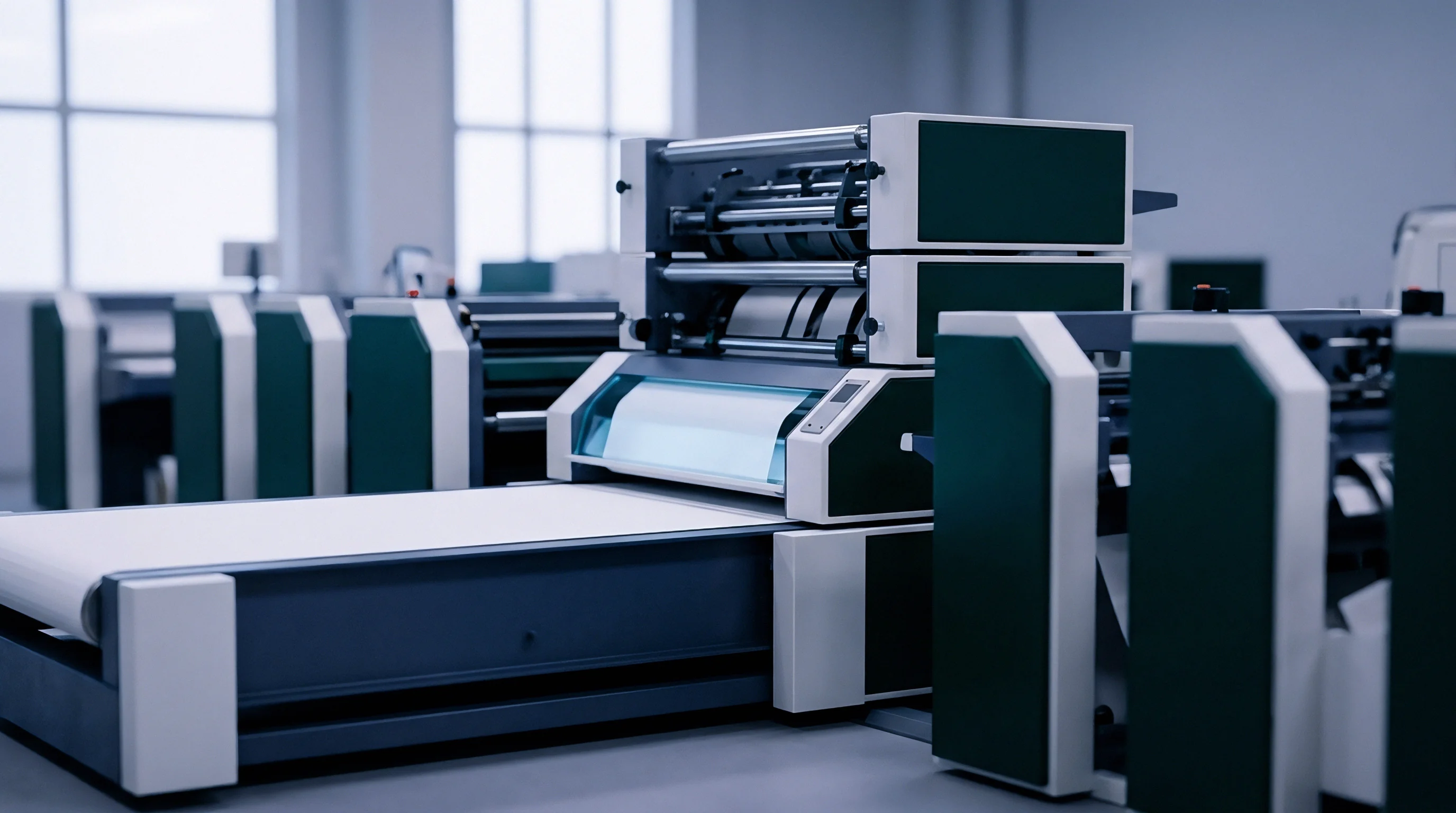
Forming Fabric and Press Felt Fouling Mechanics
Fouling on wet-end fabrics proceeds through progressive particle deposition steps. Unpassivated micro-stickies suspended in headbox slurry migrate toward forming fabric monofilaments under vacuum dewatering forces. At fabric junctions and knuckles, localized hydrodynamic shear concentrates sticky particles, overcoming thermal dispersion barriers.
Micro-particles adhere to polyethylene terephthalate filaments, creating sticky anchor sites that collect further suspended particles, papermaking fines, and mineral fillers.
Press felts experience severe deposition due to combined high pressure, elevated temperature, and mechanical nip compression. Water removal in press nips forces micro-stickies deep into the polyamide felt structure. Elevated temperatures inside the press nip lower sticky viscosity, allowing softened polymers to flow around felt fibers.
As the felt leaves the nip and cools, the polymer hardens, locking inside the void space. Blended felt voids reduce water permeability, causing sheet crushing, moisture profile variations, and premature felt replacement.
| Circuit Temperature (°C) | Mean Particle Diameter (μm) | Deposition Rate on PET Wire (mg/m²·h) | Felt Void Volume Reduction Rate (%/100h) | Dominant Coalescence Mode |
|---|---|---|---|---|
| 40 to 45 | 8 to 15 | 12 to 25 | 1.5 | Stable colloidal dispersion |
| 48 to 53 | 18 to 35 | 45 to 85 | 4.2 | Shear-induced micro-coalescence |
| 55 to 62 | 40 to 95 | 180 to 320 | 11.8 | Thermally accelerated phase separation |
| 65 to 72 | 110 to 280 | 550 to 980 | 28.5 | Massive agglomeration and macro-deposition |

Dryer Section Transfer and Sheet Quality Defects
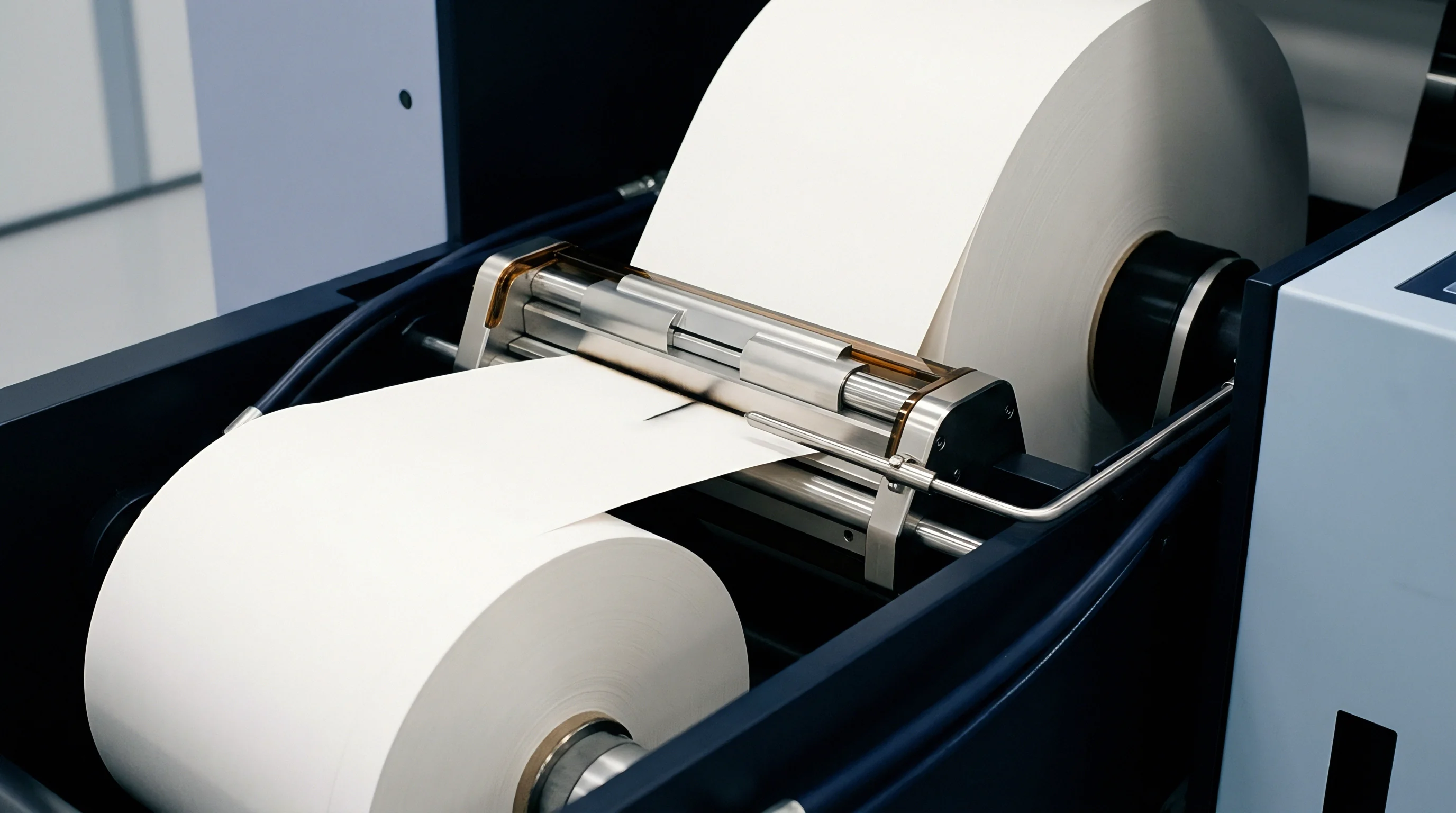
Micro-stickies surviving press section dewatering enter the dryer section embedded within the wet paper web. Thermal energy transferred from dryer cylinders rapidly heats the sheet, driving moisture evaporation while elevating web temperature above 80°C. Synthetic contaminants melt completely, flowing to the web surface along moisture evaporation gradients. Sticky polymers transfer onto hot cast-iron dryer cylinder surfaces, forming thin hydrophobic films that degrade thermal transfer efficiency.
Accumulated dryer cylinder deposits pick fibers from subsequent paper webs, producing sheet picking, surface picking dust, and pinhole voids. When cylinder deposits grow excessively large, thermal expansion and doctor blade pressure detach the deposit, transferring it back into the paper sheet as a dense translucent spot. These spots cause web breaks during high-speed converting, off-line coating, or rotogravure printing operations.
What structural modifications inside press felts delay sticky entrapment during high-temperature press operations?
Purity
Food Contact Compliance and Chemical Migration Risks
Paper packaging manufactured from recycled fibers containing micro-stickies carries inherent chemical compliance liabilities when intended for direct food contact. Polymeric adhesives, pressure-sensitive labels, and hot-melt resins introduce low molecular weight compounds, synthetic plasticizers, resin acids, and degradation products into the finished paper matrix. Under European Union Regulation 1935/2004, materials must not transfer constituents to food in quantities that endanger human health or bring about an unacceptable change in food composition.
German BfR Recommendation XXXVI regulates paper and board for food contact, setting explicit purity requirements and substance restrictions. Synthetic polymers present in micro-stickies often contain residual unreacted monomers, such as butyl acrylate, styrene, and vinyl acetate, along with functional additives like primary antioxidants and slip agents. Migration testing using food simulants demonstrates that elevated temperatures during paper drying or post-packaging conversion drive low molecular weight sticky fractions through the fibrous network into fatty and dry food products.
The European Union Packaging and Packaging Waste Regulation imposes mandatory recyclability performance grades and strict substance limits on packaging placed on the market. Recycled packaging containing unpassivated micro-stickies risks failing recyclability assessment standard EN 13430 if contaminant levels impede pulp yield during re-pulping cycles. Chemical dispersants used to manage micro-stickies in the mill must themselves appear on positive lists for food contact additives to avoid creating secondary migration non-conformities.
| Chemical Substance | CAS Identifier | BfR XXXVI Limit / Requirement | Specific Migration Limit (SML) | Primary Analytical Test Method |
|---|---|---|---|---|
| Styrene Monomer | 100-42-5 | 0.05% in finished paper | Not detectable (DL = 0.01 mg/kg) | Headspace GC-MS |
| Vinyl Acetate Monomer | 108-05-4 | 0.10% in finished paper | 12 mg/kg food simulant | Headspace GC-FID |
| Dibutyl Phthalate (DBP) | 84-74-2 | Prohibited in paper packaging | 0.3 mg/kg food simulant | Solvent extraction GC-MS |
| Mineral Oil Hydrocarbons (MOSH) | N/A – Complex Mixture | Saturated carbon evaluation | 9 mg/kg food simulant | |
| Bisphenol A (BPA) | 80-05-7 | Prohibited in thermal papers | 0.04 mg/kg food simulant | LC-MS/MS |
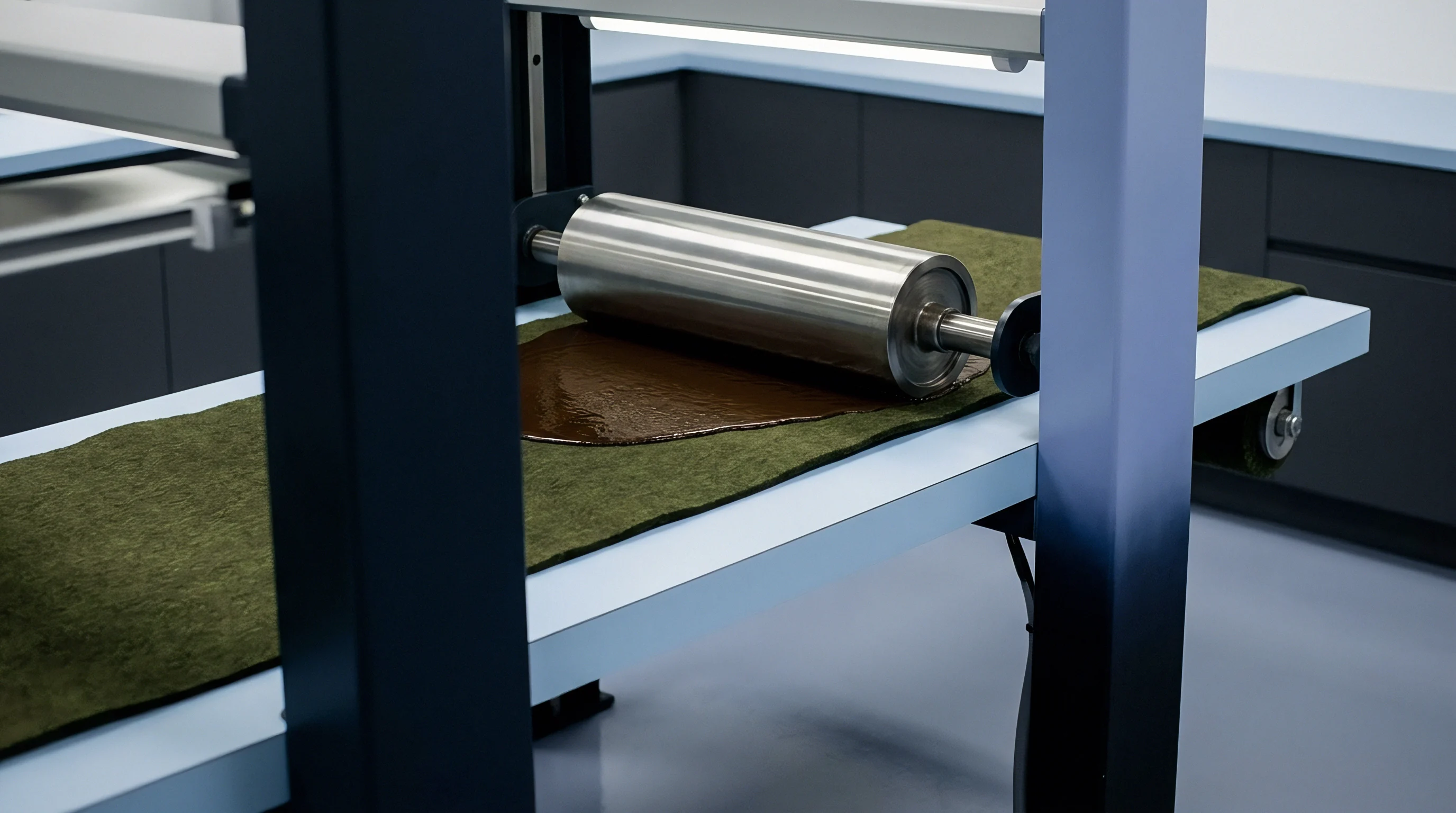
Chain of Custody and Declaration Verification
Traceability documents supporting food contact compliance must connect specific paper batches to their underlying fiber sourcing and chemical additive dossiers. Certificates of compliance issued by paper mills carry strict boundaries of applicability, specifying tested food simulants, contact durations, temperature limits, and surface-to-volume ratios. A passing test report for dry food contact at ambient temperature provides zero legal protection for a converter placing greaseproof hot-fill packaging onto the market.
Non-intentionally added substances (NIAS) represent a significant legal hazard in recycled paper grades containing micro-stickies. Thermal breakdown of synthetic adhesives during high-temperature papermaking generates oligomeric species, oxidation products, and reaction fragments that do not appear on additive chemical inventories. Compliance documentation must include toxicological risk assessments for identified NIAS compounds exceeding a screening threshold of 10 parts per billion in food contact simulants.
- Documented Positive List Verification establishes that all wet-end passivation polymers, fixatives, and dispersants are explicitly permitted under BfR XXXVI or FDA 176.170 specifications.
- Screening for Non-Intentionally Added Substances identifies thermal degradation products originating from synthetic adhesive polymers subjected to high dryer temperatures.
- Batch Specific Migration Protocols define exact simulant compositions, contact times, and exposure temperatures matching the intended end-use package configuration.
- Chain of Custody Scope Verification ensures certificate scope lines explicitly include the specific mill machine, basis weight range, and finished packaging grade shipped.
Under standard commercial supply terms, a supplier declaration stating general compliance with food contact frameworks leaves the packaging buyer fully exposed to border rejections if specific migration limits are breached during secondary laboratory verification.

Redress

Contractual Specification and Liability Allocation
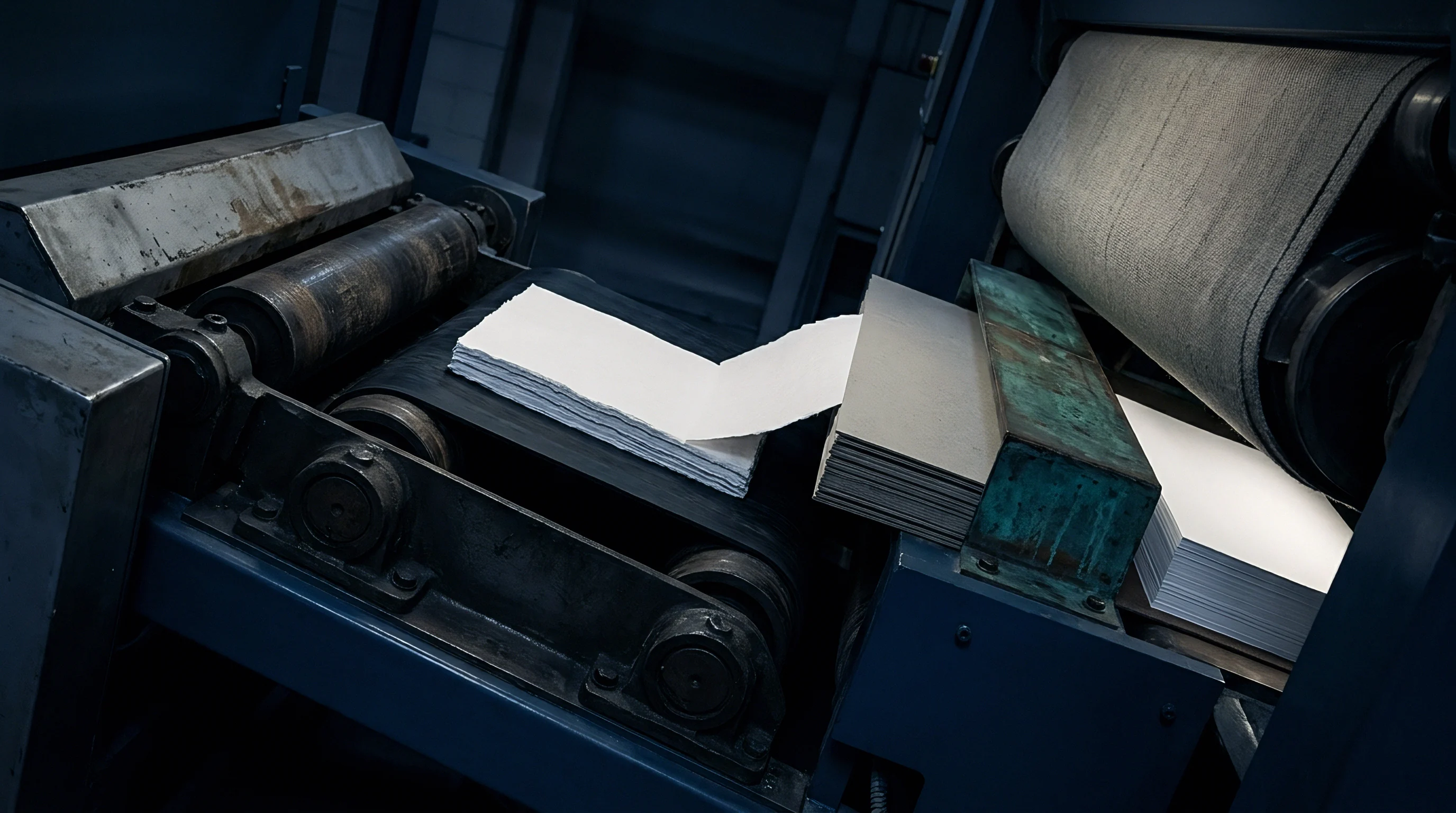
Commercial paper purchasing contracts must incorporate quantitative contaminant specifications to protect buyers from operational down-time and non-compliant finished packaging. Standard sales terms defining paper quality through basic physical metrics like basis weight, burst strength, and moisture content fail to address micro-sticky contamination levels. Contracts covering recycled containerboard and boxboard grades require precise numeric thresholds for solvent extractable organic content, depositable sticky mass, and maximum permitted micro-sticky particle counts per unit area.
When a converting plant experiences web breaks, printing defects, or laminating failures caused by micro-sticky spots, proving material non-conformity requires immediate sample preservation and standardized forensic testing. Retained mill paper rolls from the affected production lot must undergo micro-FTIR mapping to verify that embedded contaminants match deposits found on converting equipment. Clear contractual language defining sample collection protocols, independent accredited lab arbitration, and claim notification timelines prevents protracted commercial disputes over lot rejections.
Liability allocation clauses must address downstream costs resulting from micro-sticky defects, extending beyond simple reel replacement value. Unscheduled converting line downtime, ruined printing plates, scrapped laminated inventory, and customer recall costs compound rapidly when non-compliant board enters high-speed packaging operations. Purchase orders carrying explicit warranty clauses for mechanical runnability and food contact compliance shift financial exposure back to the paper mill, ensuring financial recovery when hidden micro-sticky contamination triggers batch rejections at customer converting floors.