
Polyurethane Soft Touch Lamination Film Chemistry for Packaging
Polyurethane soft touch film bonds an aliphatic PUD topcoat to BOPP via thermal tie layers, balancing micro-roughness haptics against stamping adhesion.
Polyurethane soft touch film bonds an aliphatic PUD topcoat to BOPP via thermal tie layers, balancing micro-roughness haptics against stamping adhesion.

Thermodynamic equilibrium models predict micro-sticky phase separation driven by electrolyte saturation and double-layer collapse in closed-loop paper mills.

Chemical fixation using cationic coagulants and bentonite controls micro sticky deposition in closed containerboard mills, reducing total operational costs.
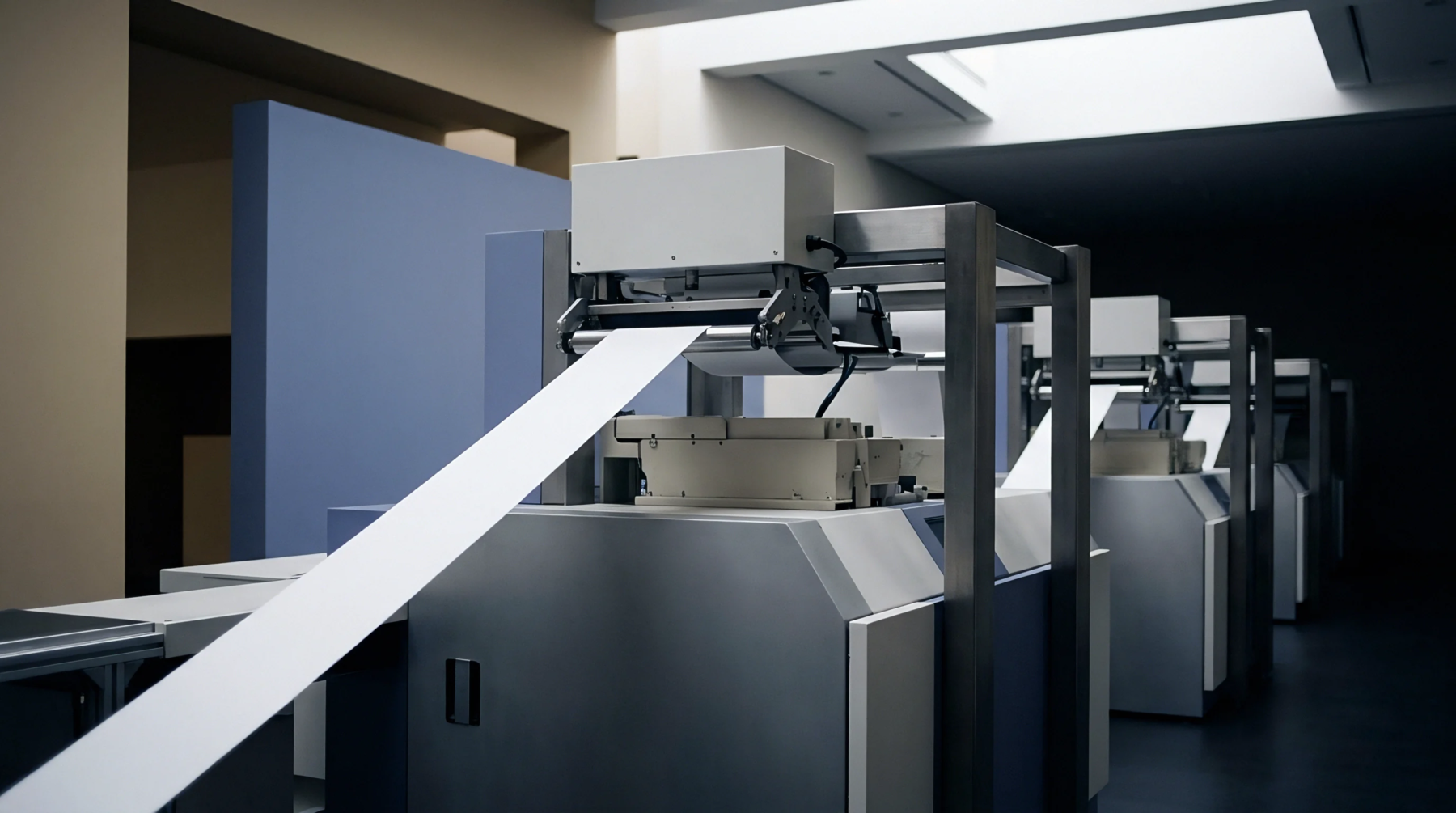
Folder gluers above four hundred meters per minute demand adhesives under fifty millinewtons per meter at twenty milliseconds to stop dry carton joints.

Elevated wet-end temperatures alter micro-sticky glass transition dynamics, driving colloidal coalescence that demands strict chemical passivation and verified migration limits.

Submicron polymer carryover must stay below 150 mg/L in recycled board water loops to prevent felt compaction, bond loss, and converting failures.
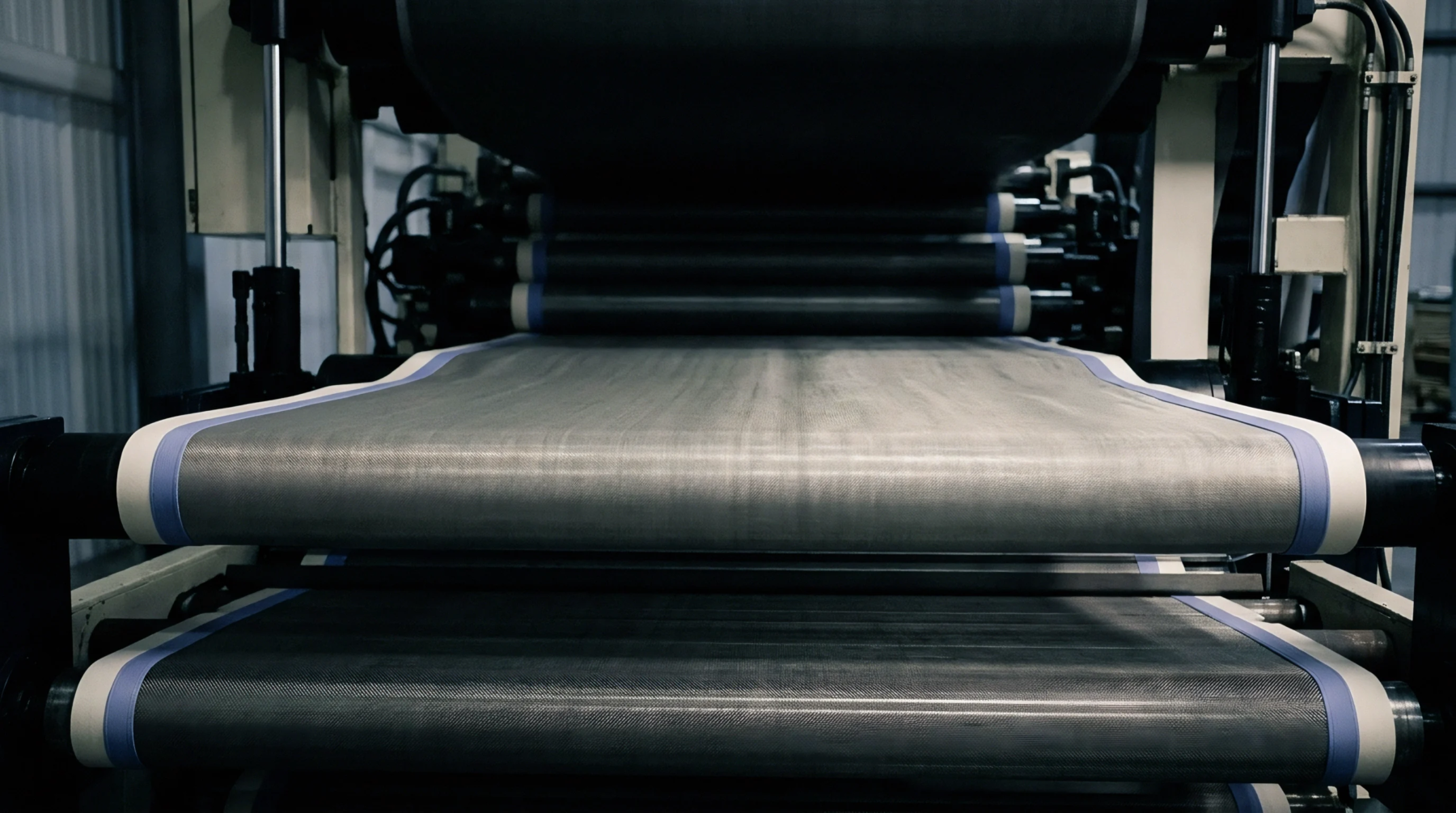
High nip pressures drive polymer matrix shear flow, optimizing mechanical anchoring while risking edge squeeze-out, ink displacement, and board crushing.

Polypropylene lamination delaminates at high crease strain rates because viscoelastic stiffening elevates shear stress beyond interfacial adhesive bond strength.

Dynamic tension on folder-gluers strains polypropylene film across score radii, where excessive speed triggers stress whitening and adhesive shear failure.

Polypropylene lamination crease failure is prevented by expanding female matrix channel width to one point seven times board caliper plus rule thickness.

Matt lamination cracks at the crease because silica matting inclusions reduce film elongation capacity, requiring expanded matrix channels to lower folding strain.
Expertise is a utility, not a secret. sentiention™ publishes its working knowledge as open reference: intelligence layer covering the materials it sources, the markets it enters, and the reference that serves both.