Polyurethane Soft Touch Lamination Film Chemistry for Packaging
Polyurethane soft touch film bonds an aliphatic PUD topcoat to BOPP via thermal tie layers, balancing micro-roughness haptics against stamping adhesion.

Backbone
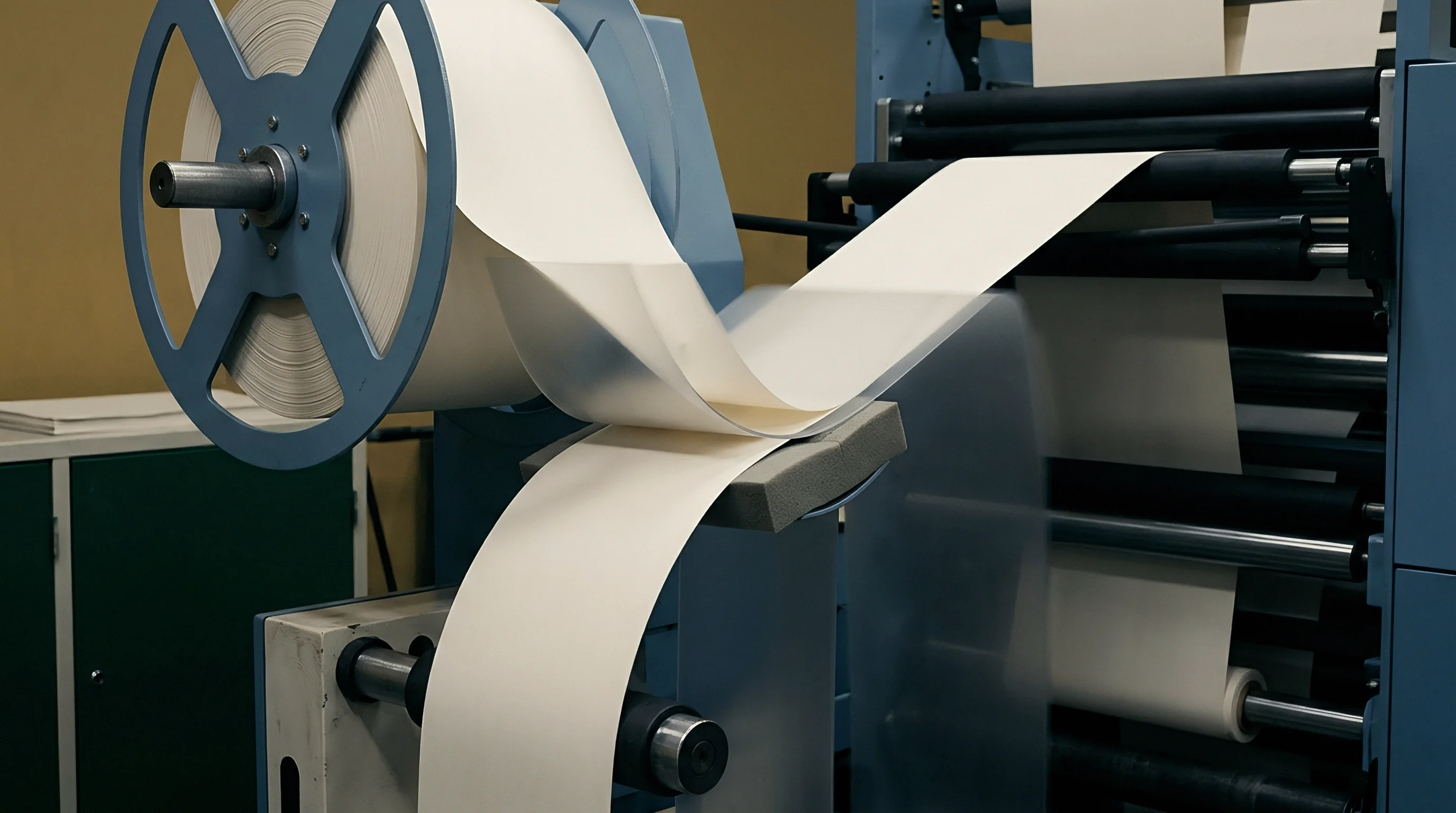
Tactile properties in premium lamination films derive from phase-separated polymer morphology within an aqueous dispersion applied directly to a corona-treated base web. The bulk film consists of a biaxially oriented polypropylene or oriented polyester substrate, typically twelve to eighteen microns thick, carrying a wet-applied polyurethane coating between two and four microns dry coat weight. Micro-phase separation between incompatible polyol and diisocyanate segments governs the haptic response under fingertip contact.
The chemistry pairs long-chain aliphatic polyester or polycarbonate macrodiols with cycloaliphatic diisocyanates, specifically isophorone diisocyanate or dicyclohexylmethane diisocyanate. Aromatic diisocyanates like toluene diisocyanate yellow under ambient ultraviolet radiation and degrade the visual purity of bleached sulfate board. Aliphatic structures maintain clarity across shelf cycles.
Polyether polyols yield high moisture vapor transmission rates that soften under relative humidity swings. Polycarbonate and saturated polyester macrodiols deliver hydrolytic stability, creating soft segments with glass transition temperatures positioned between minus twenty and minus forty degrees Celsius. Hard segments formed from short-chain aliphatic diol chain extenders and diisocyanates possess glass transition temperatures above seventy degrees Celsius.
These hard crystalline domains act as physical crosslinks within the amorphous soft matrix. Fingertips compress the soft segments elastically while the hard domains anchor the network against mechanical creep.
Fingertip shear across the surface registers a dynamic friction coefficient between 0.45 and 0.65 under ASTM D1894 testing conditions.
Surface roughness operates alongside bulk viscoelasticity. Matte effects generated purely by inorganic silica particles create dry, abrasive textures that scuff adjacent sheets inside folding cartons. Polyurethane soft touch coatings obtain their velvet tactile profile through compressible organic polymer beads embedded within the polyurethane binder.
Micronized crosslinked polyurethane or polymethyl methacrylate microspheres, measuring between three and six microns in diameter, project above the resin plane. Light scatters diffusely across these micro-protrusions to drive specular gloss below five gloss units at a sixty-degree measurement angle. The organic beads deform under hand pressure, increasing the true contact area against epidermal ridges without generating adhesive tack.
Phase Morphology Control
Formulators dial tactile drag through the ratio of hard segments to soft segments in the polyurethane prepolymer. Increasing the soft segment content elevates the tactile grip by lowering the indentation modulus of the dry film. Excess soft segment volume promotes surface blocking inside the master roll during warehouse storage at temperatures exceeding thirty-five degrees Celsius.
Hard segment contents above fifty percent by dry resin weight eliminate roll blocking, yet shift the surface touch toward standard matte polypropylene. Polycarbonate diols impart chemical resistance against skin oils, while polyester segments maximize tear strength around carton creases.
Waterborne polyurethane dispersions depend on internal emulsifiers incorporated directly into the polymer chain. Dimethylolpropionic acid introduces carboxylate groups neutralized with triethylamine, dispersing the prepolymer in water without external surfactants. Surfactants migrate toward the air interface during tunnel drying, killing downstream coating anchorage.
Crosslinking the pendant carboxyl groups transforms the thermoplastic dispersion into a thermoset network.
Dry film drying relies on staged convective evaporation tunnels running air temperatures between eighty and one hundred ten degrees Celsius. Water removal forces carboxylated polyurethane particles into close packed lattices, followed by capillary coalescence of particle boundaries. Solvent-free aqueous formulations eliminate volatile organic emissions on coating lines, maintaining compliance with industrial air permits while avoiding residual solvent odors inside luxury secondary packaging.

Nip
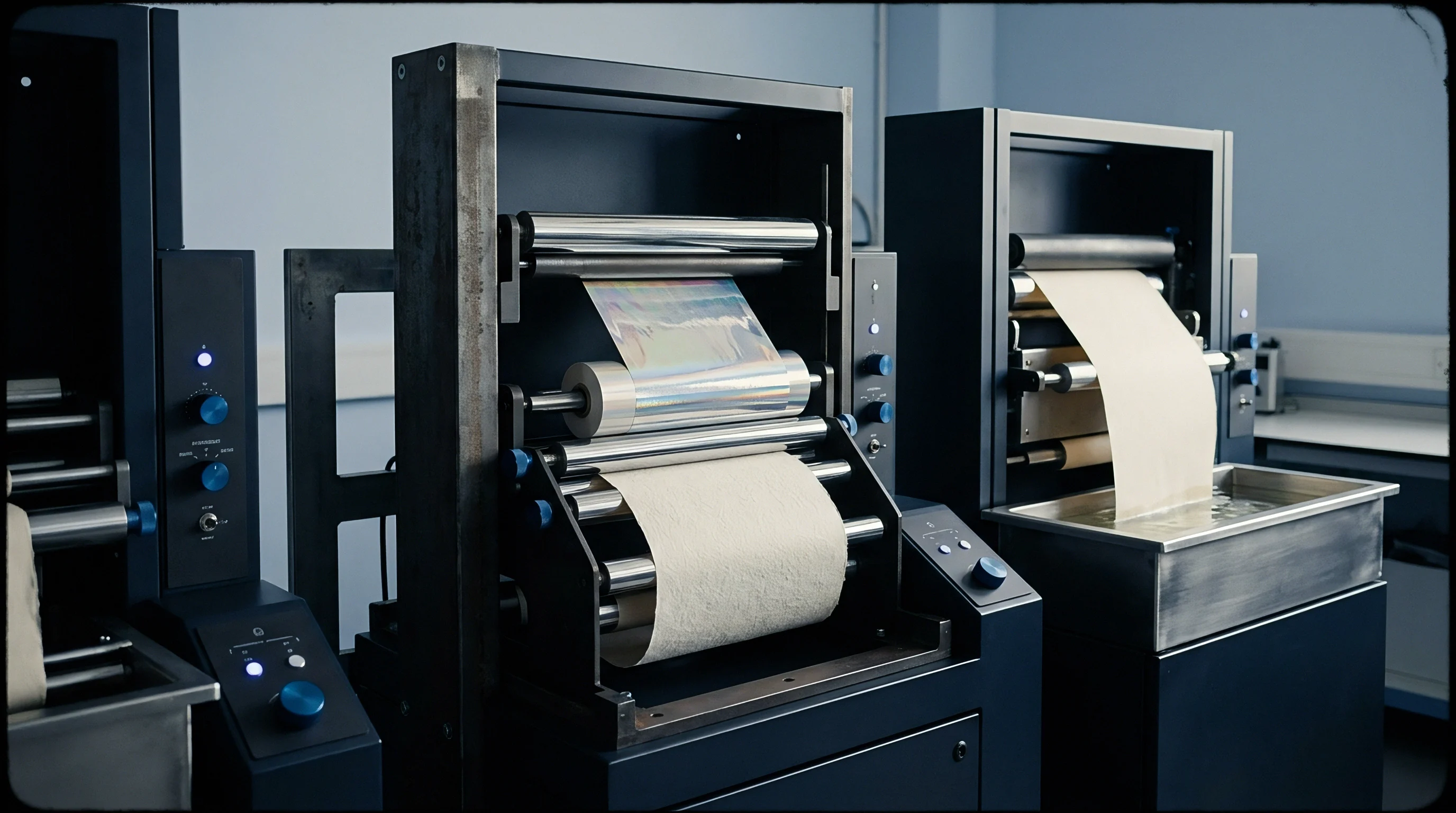
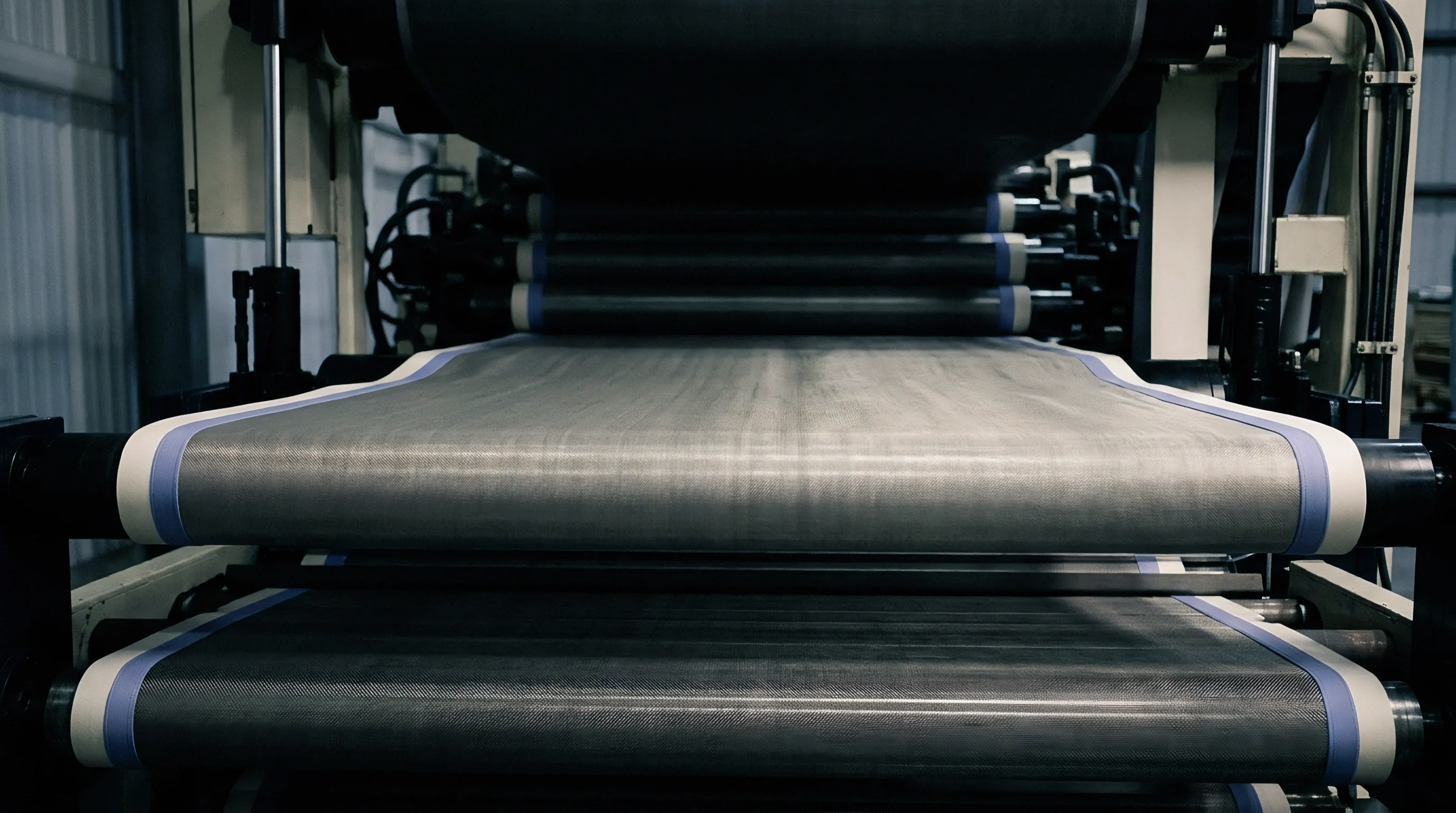
Thermal bonding of polyurethane-coated film to printed paperboard demands balanced heat transfer and hydraulic pressure across a narrow contact dwell. The film structure carries a coextruded or gravure-coated thermal adhesive layer on the side opposite the polyurethane surface. Ethylene vinyl acetate copolymers containing fourteen to nineteen percent vinyl acetate melt cleanly between eighty and ninety degrees Celsius, wetting fibrous board surfaces under line pressure.
Digital toner printing with heavy fuser oil layers calls for ethylene acrylic acid terpolymers. The acrylic acid functionality forms polar bonds with metallic oxides and crosslinked toner resins where standard vinyl acetate layers peel under die tension.
Heat flows from a heated chrome steel cylinder through the film web toward the backing counter-pressure roller. Thermal conductivity through oriented polypropylene is low, measuring roughly 0.12 Watts per meter Kelvin. Line speeds above fifty meters per minute shorten contact dwell below thirty milliseconds, leaving adhesive interfaces below activation thresholds if drum setpoints remain low.
Caliper variations across folding boxboard sheets alter local nip pressures, generating micro-delamination bubbles over dark solid print areas.
| Substrate Grade | Caliper Microns | Nip Temperature Celsius | Hydraulic Pressure Bar | Line Speed Metres Minute |
|---|---|---|---|---|
| Solid Bleached Sulfate | 350 | 102 to 108 | 18 to 22 | 45 to 55 |
| Folding Boxboard | 450 | 108 to 115 | 22 to 26 | 35 to 45 |
| Coated Recycled Board | 400 | 112 to 120 | 24 to 28 | 30 to 40 |
| Cast Coated Board | 300 | 98 to 104 | 16 to 20 | 50 to 60 |
Which Crosslinkers Resist Plasticizer Migration?
Plasticizers embedded in sheetfed lithographic printing inks migrate into lamination adhesives under stack pressure. Mineral oils and aliphatic esters dissolve into the ethylene vinyl acetate tie layer, softening the resin and degrading peel strength over forty-eight hours post-lamination. Polyfunctional aziridine crosslinkers added to the primer coat at one to three weight percent form rigid amine linkages with polyurethane carboxyls, building a dense chemical barrier against solvent penetration.
Aziridines demand strict exhaust venting due to dermal toxicity risks during formulation handling. Water-dispersible aliphatic polyisocyanates offer a safer plant profile, reacting with hydroxyl and urethane groups to forge allophanate networks.
Carbodiimides react selectively with carboxylic acid groups at processing temperatures above one hundred degrees Celsius. The resulting acylurea bonds exhibit high thermal resilience, preventing adhesive flow when carton blanks pass through hot glue application heads during high-speed folding. This chemical stability suppresses adhesive creep along fold radii, keeping cut edges flush throughout automated packing operations.
Tension control prevents board curl across sheet laminators. The polyurethane layer possesses a lower thermal shrinkage coefficient than oriented polypropylene base films. Polypropylene shrinks up to three percent along the machine direction at temperatures above one hundred degrees Celsius.
Excessive web tension stretches the carrier film during nip transit. As the composite exits the nip and cools, the contracting film curves carton blanks toward the laminated face. Maintaining web unwind tension below fifteen Newtons per meter of web width keeps carton blanks flat for automatic folder-gluer feeds.
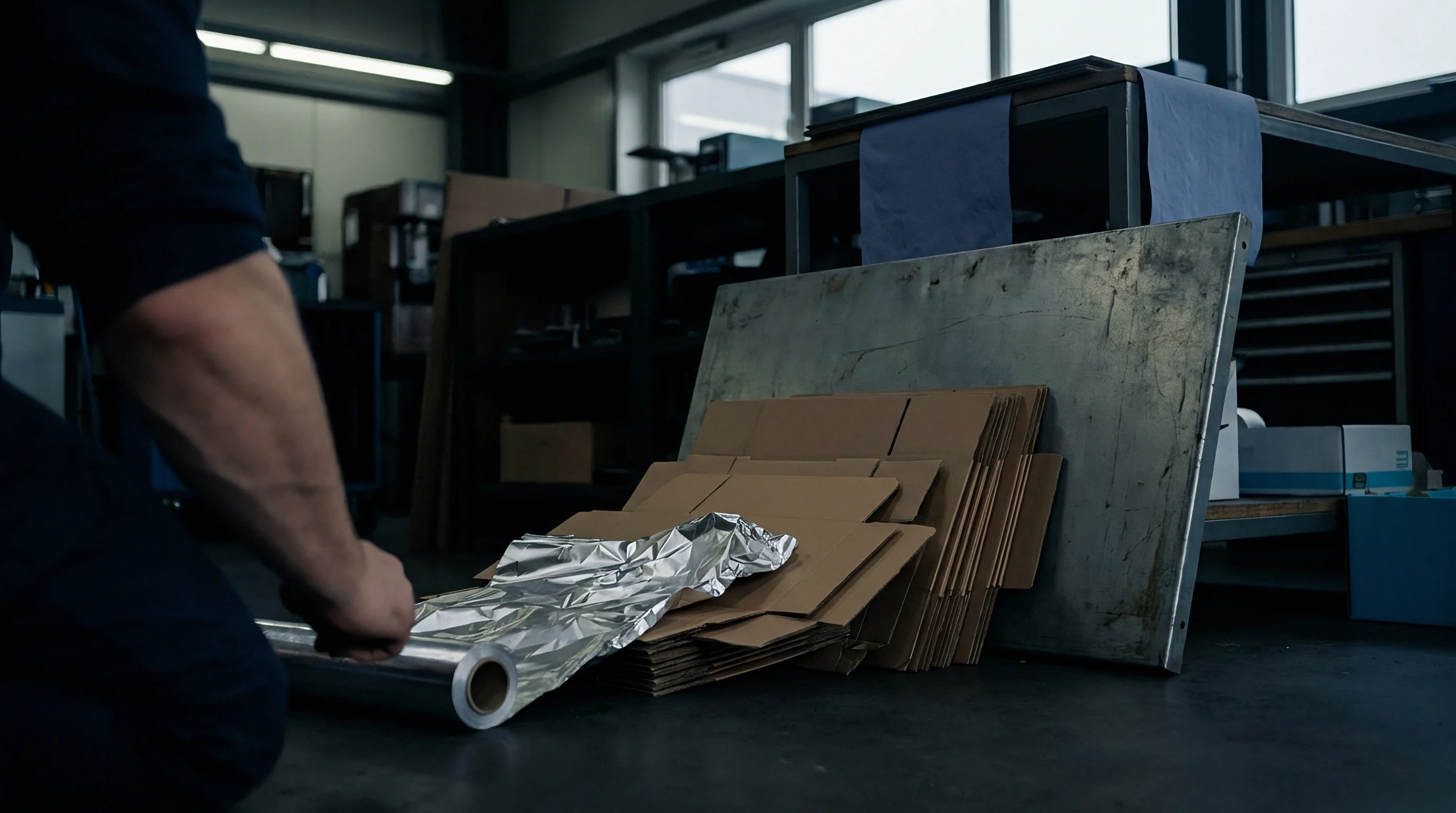
Keep the heated drum clean because dried ink buildup dents the polyurethane surface permanently on every revolution.

Scuff
Surface abrasion breaks the matte uniformity of soft touch coatings through localized burnishing or gouging. Packaging cartons rub together continuously inside corrugated shipping cases during road haulage. Vibration friction polishes raised organic matte beads flat, producing shiny streaks across dark ink fields without penetrating the base film.
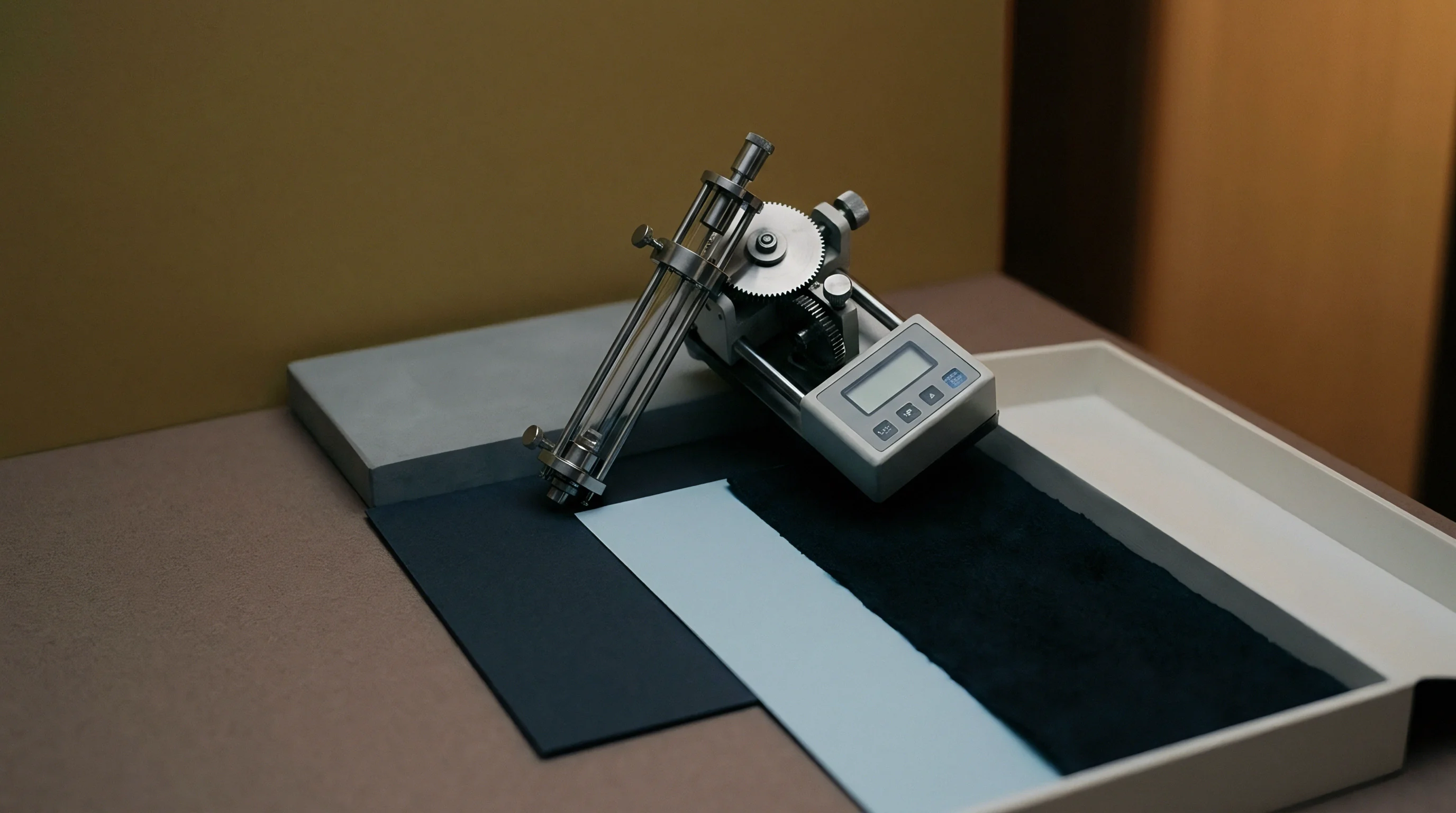
Severe abrasion strips the polyurethane coating entirely, exposing the glossy polypropylene substrate beneath. ASTM D5264 Sutherland rub testing exposes these mechanisms by sweeping a weighted dry receptor across the laminated face under controlled cycles.
Sebum oils from consumer hands accelerate surface degradation. Oleic acid, squalene, and triglycerides penetrate the polyurethane soft segments, triggering polymer plasticization. The softened network swells, reducing the crosslink density and allowing abrasive contact to abrade the coating with low frictional input.
Uncrosslinked polyurethane dispersions fail within fifty double rubs following sebum exposure. Crosslinked networks containing carbodiimide or polyisocyanate bonds restrict fluid absorption, maintaining hardness profiles across extended shelf handling.
Coating swell remains below two percent by weight after twenty-four hours of continuous oleic acid exposure at twenty-three degrees Celsius under ISO 2812 chemical immersion standards.
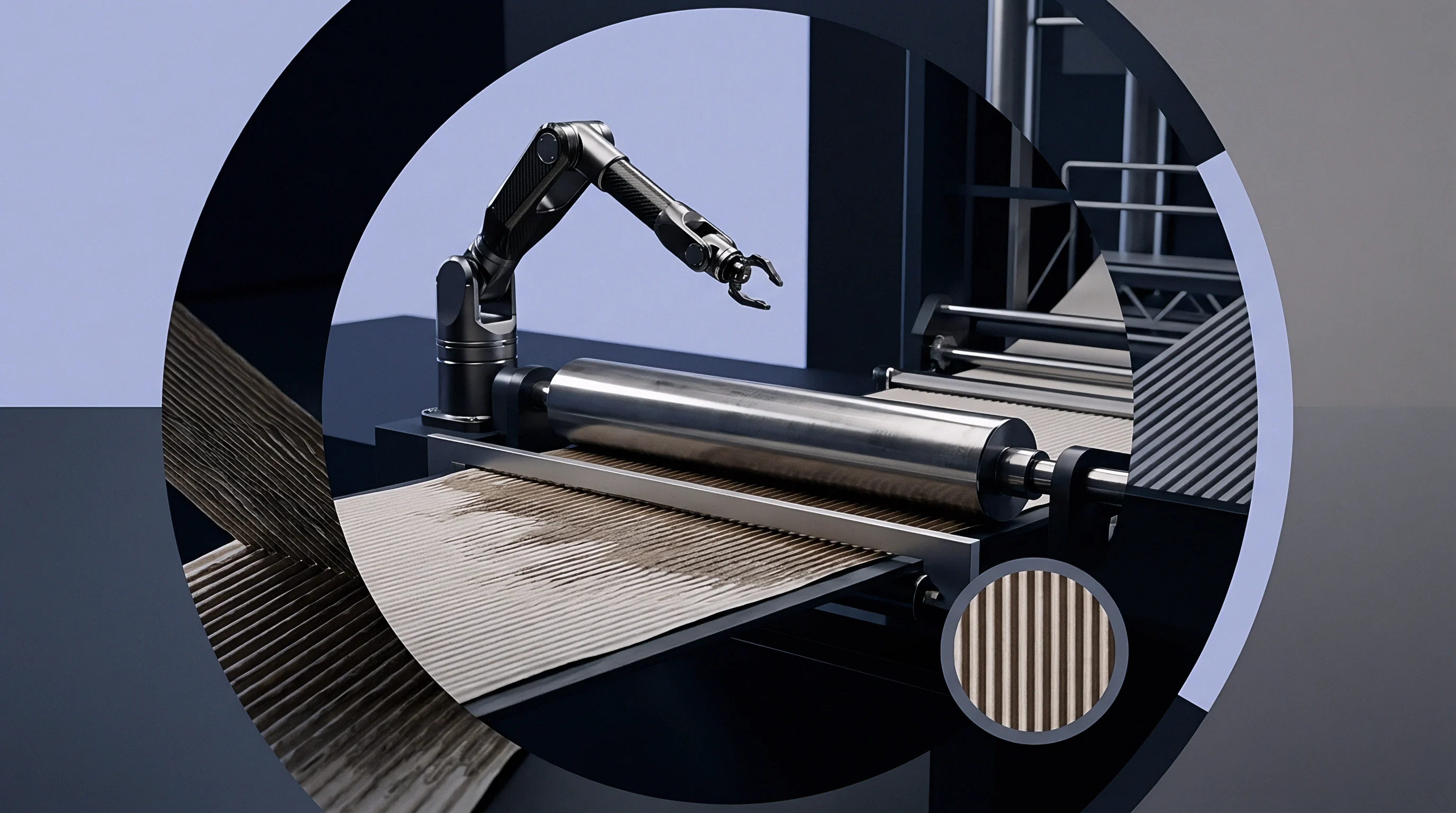
Creasing operations subject the film composite to acute tensile strain along female matrix channels. The paperboard substrate compresses into the groove while the outer film layer elongates across the crease ridge. Standard matte oriented polypropylene splits along the score line when strain exceeds eighteen percent.
Polyurethane soft touch layers elongate past eighty percent without rupture, cushioning the polypropylene core and reducing micro-cracking across carton corners.
What Triggers Score Line Whitening?
Whitening along carton score lines develops through micro-voiding within the adhesive tie layer rather than polyurethane fracture. Deep crease rules depress the paperboard fibers, forcing the film into tight radii. When the laminating nip fails to melt the adhesive completely into the paperboard surface pores, mechanical shear pulls the adhesive film away from the fibers.
The resulting micro-cavities scatter ambient light, creating visible white lines on black packaging graphics.
- Adhesive Delamination occurs when inadequate nip temperatures leave the tie layer partially crystallised, generating reflective separation planes along the creased carton edge.
- Coating Craze follows excessive crosslinker dosages that elevate the surface elastic modulus, creating hairline fissures when the carton folds past ninety degrees.
- Fiber Lift takes place across low surface strength recycled boards, pulling paperboard plies apart under tensile score stresses while the lamination film remains intact.
- Matrix Burnish appears when high die pressures drag dull steel scoring rules across the soft polyurethane face, melting the topcoat via mechanical friction.
Specifying oversized score channels eliminates coating shear, yet loose scoring allows folding lines to wander out of register on packing lines. Carton structural design balances rule depth against board caliper to keep folding forces low. Inadequate tool clearances generate catastrophic visual rejection rates across cosmetics packaging lines.
Stamp
Embellishing soft touch surfaces with hot stamping foils or spot ultraviolet gloss varnishes requires careful management of surface free energy. Untreated polyurethane dispersion coatings exhibit surface energies between thirty and thirty-four dynes per centimeter. Standard ultraviolet curable coatings and hot stamping foil adhesives require surface energies above forty-two dynes per centimeter to wet out smoothly.
Corona discharge treatment oxidizes the top layer, creating polar hydroxyl and carboxyl groups that elevate surface tension up to forty-four dynes per centimeter on coating lines.
Surface energy decays rapidly following corona discharge exposure. Atmospheric moisture, ambient dust, and migrating additives like erucamide slip agents neutralize surface charges. Film stored for three months inside unconditioned warehouses frequently drops below thirty-six dynes per centimeter, rejecting ultraviolet varnishes and producing reticulated fisheye voids.
Offline corona treaters installed on stamping and screen presses restore necessary wetting tensions directly before embellishment runs.
| Embellishment Pass | Dyne Threshold mN per m | Tool Temperature Celsius | Dwell Time Milliseconds | Adhesion Mechanism |
|---|---|---|---|---|
| Hot Foil Stamping | 40 to 44 | 115 to 135 | 80 to 150 | Thermal adhesive penetration |
| Cold Foil Transfer | 38 to 42 | Ambient | 10 to 30 | Radical UV adhesive keying |
| Screen Spot UV Varnish | 42 to 46 | Ambient | Continuous | Intermolecular mechanical anchor |
| Blind Embossing | Not Applicable | 50 to 70 | 100 to 200 | Plastic polymer deformation |
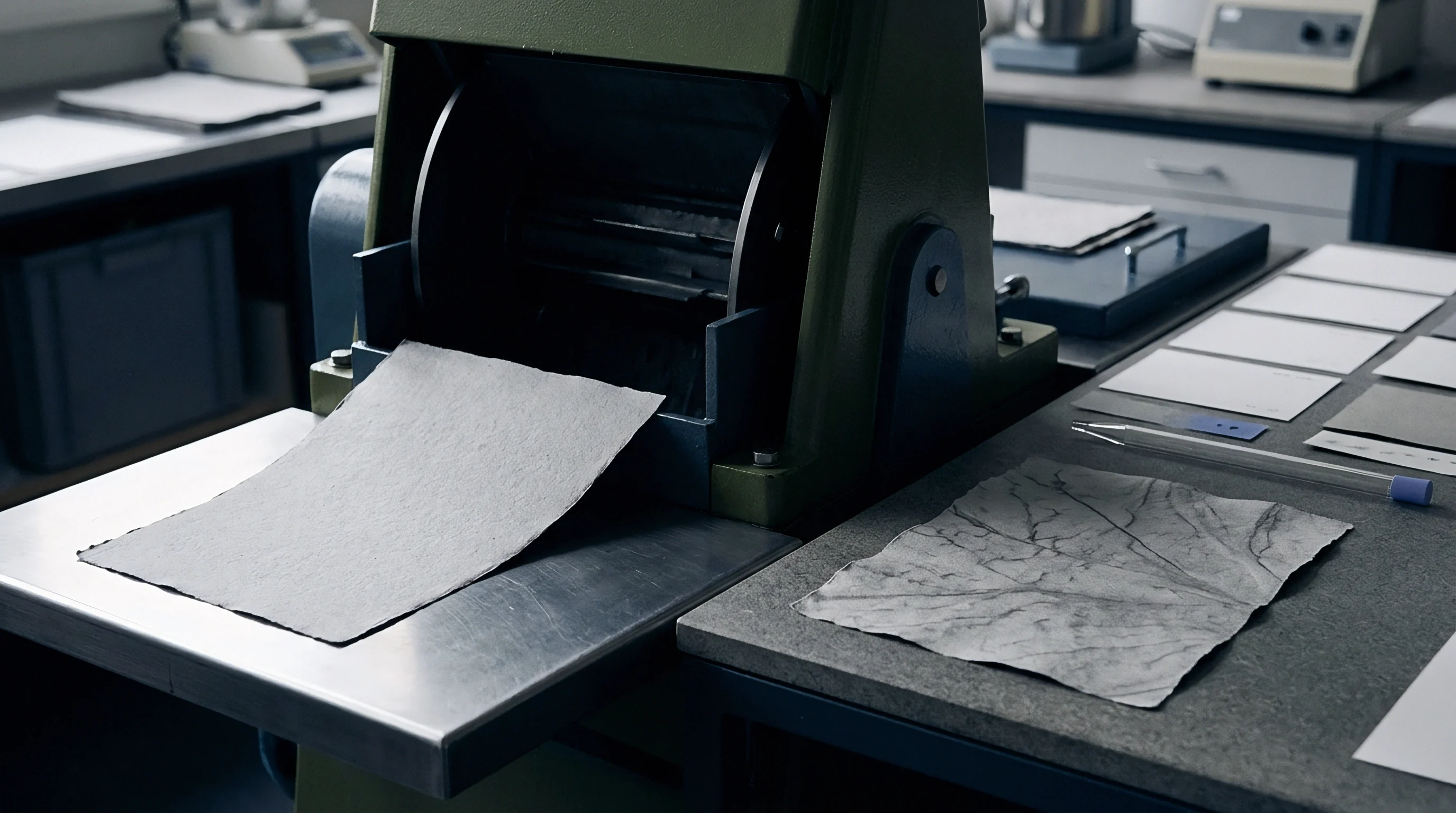
Embellishment Adhesion Protocols
Hot stamping foil selection requires chemistries matched specifically to polyurethane surfaces. Standard foils engineered for gloss OPP carry wax-modified release coats and acrylic sizing designed for bare polypropylene. Stamping these grades onto polyurethane produces edge flaking and poor line sharpness.
Foils engineered for soft touch films incorporate modified polyester or polyurethane-based sizing resins. Under the pressure of heated brass dies, the foil sizing melts and fuses directly into the polyurethane coating, establishing high shear resistance.
Executing spot ultraviolet screen passes demands strict ink film thickness control. Low-viscosity ultraviolet varnishes flood the micro-porous texture of the polyurethane coating, leveling into smooth optical finishes that create dramatic tactile contrast against the matte ground. High photoinitiator loadings ensure deep cure through the varnish film.
Incompletely cured varnish layers leave unreacted monomers at the interface, softening the polyurethane layer and triggering flaking under cross-hatch tape testing.
- Verify web surface energy with calibrated test pens, maintaining minimum thresholds of forty-two millinewtons per meter prior to ink application.
- Adjust stamping die temperature setpoints upward by ten to fifteen degrees Celsius to overcome the thermal insulation of the polyurethane topcoat.
- Extend platen dwell settings on flatbed stamping equipment to ensure complete heat conduction through the foil carrier into the adhesive sizing layer.
- Perform cross-hatch tape testing twenty-four hours after production to verify full adhesive curing and bond consolidation across printed sheets.
The roll vendor claimed the foil flaking originated entirely from pressroom humidity drift during the morning shift.
Fiber
Laminating plastic films onto paperboard changes the recyclability profile of secondary packaging under European packaging directives. Biaxially oriented polypropylene film behaves as a non-soluble barrier during hydropulper processing. Standard paper recycling mills operate pulpers at ambient to moderate water temperatures with mechanical rotor agitation for fifteen to twenty minutes.
The paperboard core disintegrates into dispersed cellulose fibers while the plastic film must detach completely as large, cohesive sheets. These sheets are removed early by coarse pulper screens equipped with five-millimeter holes, avoiding downstream contamination.
Polyurethane coatings complicate screen separation if chemical linkages cross into the paperboard matrix. Water-soluble or repulpable coatings disperse into fine particles. Polyurethane films, by contrast, act as insoluble membranes.
If the thermal adhesive penetrates deep into unbleached fiber plies, the film retains a layer of attached cellulose when separated. Retained fiber reduces overall pulping yields, shunting cellulose into solid waste reject streams destined for thermal incineration or landfill disposal.
| Lamination Specification | Film Caliper Microns | Total Fiber Yield Percent | Coarse Screen Rejects Percent | Macrosticky Content sq mm per kg |
|---|---|---|---|---|
| Standard BOPP Gloss | 12 | 93.5 | 4.2 | 120 |
| Soft Touch PUD on BOPP | 16 | 91.2 | 6.4 | 380 |
| Soft Touch PUD on PET | 15 | 88.4 | 9.1 | 540 |
| Aqueous Dispersion Varnish | 4 | 96.8 | 1.1 | 45 |
Macrosticky Hazards in Pulper Operations
Adhesive layers containing low-melting ethylene vinyl acetate generate tacky agglomerates during hot pulping cycles above forty-five degrees Celsius. Shear forces tear soft polymer films into fragments smaller than two millimeters. These flexible fragments squeeze through slotted screens, entering fine paper machine circuits.
Known as macrostickies, these particles deposit onto forming fabrics, press felts, and heated drying cylinders. The deposits create pinholes in recycled paper webs, causing sheet breaks that halt commercial paper machines.
The CEPI recyclability protocol classifies laminates generating coarse rejects above twenty percent by dry weight as non-recyclable within standard mill installations.
European packaging waste regulations penalize plastic laminated paperboard through eco-modulation fees. Under Extended Producer Responsibility schemes, monolithic paperboard packaging pays base recycling fees per metric ton. Applying a double-sided plastic lamination reclassifies the structure into composite packaging categories, tripling or quadrupling the packaging tax liability.
Single-sided laminated cartons remain acceptable for paper stream collection in many jurisdictions provided the plastic film mass remains below five percent of total packaging weight.
Contract annexes now mandate that laminated structures pass Method EN 13430 laboratory trials with verified fiber discharge yields exceeding eighty-five percent before volume release approval.

Outlay
Specifying soft touch finishes on secondary packaging demands rigorous reconciliation between material expenditures, running line efficiency, and downstream scrap allowances. Thermal polyurethane lamination film commands prices between 0.35 and 0.55 euros per square meter. Standard matte polypropylene film trades between 0.08 and 0.14 euros per square meter.
The price premium reflects multi-layer coating operations, specialized aliphatic diisocyanate inputs, and controlled oven dwell profiles on film manufacturing lines.
Direct material costs tell only half the story on production dockets. Film lamination introduces a separate converting pass carrying machine setup times, running spoilage, and reduced press speeds. The lamination pass incurs hourly operational rates on industrial machinery, while running waste consumes printed board blanks.
Scrap rates climb when sheets pass through subsequent hot foil stamping, die-cutting, and folder-gluer operations. Die-cutting tools must compress dense film composites, accelerating rule wear and demanding frequent re-knifing cycles to prevent ragged score lines.
Inline soft touch dispersion coatings run through standard offset coater towers present an alternative commercial path. Waterborne soft touch varnishes cost between 6.00 and 9.50 euros per kilogram, depositing three to five wet grams per square meter. This inline route eliminates the offline lamination pass entirely, saving machine make-ready hours and slashing production lead times.
Waterborne coatings achieve soft touch haptics yet lack the absolute scratch resistance, chemical barrier performance, and tactile depth provided by crosslinked polyurethane films.

Commercial Specification Checklist
- Haptic Depth Threshold establishes whether marketing tactile targets require the heavy velvet feel of four-micron polyurethane film or the dry satin texture of inline dispersion coatings.
- Downstream Embellishment Yield confirms that post-lamination hot foil stamping scrap allowances account for surface energy decay and localized adhesion test failures.
- Extended Producer Responsibility Surcharges calculates the exact composite material tax liability triggered by adding synthetic film to paperboard fiber balances under national schemes.
- Crease Integrity Tolerance verifies that chosen film thicknesses prevent fiber burst across ninety-degree carton folds without creating score line whitening along dark graphic borders.
Production runs exceeding one hundred thousand folding cartons shift economic equations toward inline coatings. Small to medium production runs between five thousand and thirty thousand cartons absorb the higher square-meter cost of thermal film lamination to avoid lengthy varnish wash-ups, coater adjustments, and variable drying waste. What remains unresolved is whether emerging bio-based polyurethane dispersions can duplicate aliphatic fossil-based performance metrics while satisfying the impending recyclability thresholds established by pan-European packaging accords.