Quantifying Long Term Repulpability Degradation from Synthetic Barrier Dispersion Accumulation in Mill Effluent
Recirculating synthetic dispersion barrier broke accumulates micro-stickies in mill water loops, blading screens and dropping fiber repulping yields over time.

Sump
Closed-loop paper recycling systems recirculate up to ninety-five percent of process water to minimize freshwater withdrawal and thermal loss. While closed circuits improve energy conservation, they trap organic solutes, surfactants, and colloidal polymer fragments released during broke repulping. Effluent loops accumulate unclarified solids.
When mills re-pulp paperboard carrying synthetic aqueous barrier coatings, water-soluble surfactants and dispersed latex particles pass through secondary mechanical clarification sumps. These emulsified polymers re-enter the pulping circuit continuously, elevating background chemical concentrations in process water.
Standard laboratory recyclability evaluations evaluate a single repulping event in clean, tap water. That testing configuration fails to reflect industrial mill reality, where water loops recirculate process fluid up to fifteen cycles before discharge. A single barrier board batch may yield acceptable fiber recovery on a clean lab bench, but the continuous introduction of barrier-coated broke into a closed white water system creates a cumulative degradation profile.
Emulsified synthetic dispersions build up until surfactant thresholds break, triggering catastrophic micro-sticky agglomeration inside mill sumps and process pipework.
Recirculating Process Water and Synthetic Latex Build Up
Aqueous polymer dispersions engineered for grease and moisture vapor resistance fragment during pulping into colloidal particles ranging from 0.2 to 20 micrometers. Anionic surfactants and polymeric protective colloids keep these particles suspended in freshwater conditions. Continuous process water reuse alters the ionic balance of the medium.
Calcium ions from filler pigments like calcium carbonate dissolve into the white water, raising water hardness and electrical conductivity. Surfactants leach into recycling loops.
Rising multivalent cation concentrations shield electrostatic charges on acrylic and styrene-butadiene latex surfaces. Neutralization of the stabilizing charge destabilizes suspended latex droplets. Instead of remaining discrete colloids that wash out with process water, the suspended particles destabilize and form micro-stickies.
These tacky particles adsorb directly onto recycled wood fibers or accumulate in dead-leg areas of process sumps, altering pulp slurry slurry viscosity and drainage behavior.
Accumulation of styrene-butadiene latex exceeding 1.8 percent dry fiber weight in process water drops screen passing yield from 94.2 percent to 81.5 percent during a six-stage water recirculation test.
Mechanisms of White Water Contamination Accumulation
Clarification equipment removes coarse fibers while passing unprecipitated emulsified polymers back into the primary headbox shower system. Primary dissolved air flotation units target suspended solids using cationic flocculants, yet low-molecular-weight dispersion polymers often evade flocculation when surfactant concentrations remain elevated. The unprecipitated latex recirculates back to the hydropulper, meeting incoming raw furnish.
Over multiple pulp batches, the concentration of synthetic solids in white water follows an exponential accumulation curve until a steady-state kinetic balance forms between fiber adsorption, sticky deposition, and discharge losses.
- Process water enters the primary pulper containing accumulated dissolved organic carbon and residual synthetic surfactant chains from prior pulping runs.
- Barrier-coated paperboard furnish breaks down under hydromechanical forces, releasing fresh synthetic polymer fragments alongside fiber bundles into the contaminated process fluid.
- Leached synthetic surfactants interact with dissolved calcium and alum ions, destabilizing colloidal dispersion coatings into tacky sub-micron particles.
- Macro-stickies form as colloidal latex particles agglomerate on agitation impellers and sump walls, trapping fine cellulose fibers within polymer matrices.
- Contaminated white water passes through primary screen plates, carrying non-precipitated micro-stickies directly back to white water storage vessels.
Measuring the accumulation rate requires tracking both total dissolved solids and volatile suspended solids across consecutive water recirculation cycles. When white water total solids exceed 5,000 milligrams per liter, pulp drainage drops by more than thirty percent. Fibers lose swelling ability.
This loss in drainage slows paper machine wire dewateing, forcing operators to decrease machine line speeds or increase steam consumption in the dryer section.
Whether ultrafiltration membranes can economically remove sub-micron acrylate polymers from closed process loops without stripping required wet-end functional additives remains unproven under full mill operating pressure.
Shear
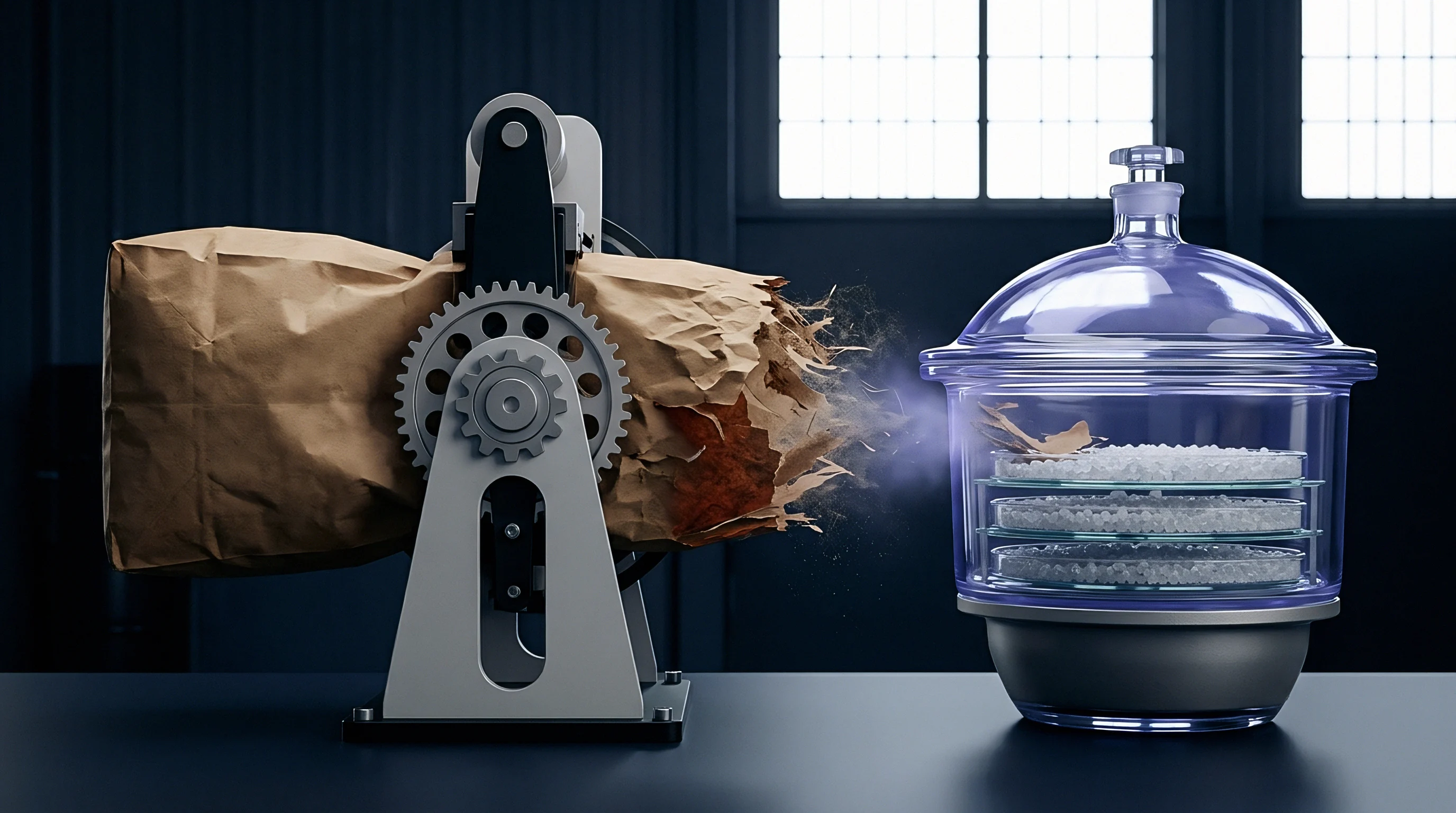
Mechanical deflaking separates wood fibers from aqueous polymer films through intense hydromechanical forces. High-shear rotors create turbulent pressure pulses that rupture fiber-to-fiber hydrogen bonds and peel barrier dispersion coatings from paperboard substrates. The physical mechanical forces break synthetic barrier layers into two distinct debris populations: large insoluble film fragments and finely comminuted colloidal fragments.
Coarse film fragments stay large enough for removal by slotted screens, whereas sub-micron particles pass directly through screen apertures into process water.
The energy input during pulping dictates synthetic film fragmentation behavior. Low-shear pulping at high consistency keeps synthetic coatings in large, sheet-like flakes. High-shear pulping at low consistency disintegrates soft polymers into sticky, ductile particles that stretch and pass through fine slots.
Pitch dispersants fail under shear. Synthetic polymers with low glass transition temperatures soften under mechanical friction, forming pliable micro-stickies that foul paper machine wet-end clothing.
Colloidal Instability under Mechanical Hydrorepulping
Dispersed acrylate polymers rely on anionic surfactants and alkalis to maintain stable suspension in fresh water. High hydromechanical shear forces generated inside batch pulpers strip protective surfactant shells from polymer latex droplets. Exposed hydrophobic polymer surfaces collide under high mixing turbulence.
Driven by thermodynamic surface energy reduction, exposed latex core particles coalesce upon contact.
This mechanical shear-induced coalescence shifts particle size distributions from sub-micron colloidal dispersion toward macro-stickies measuring between 50 and 500 micrometers. These agglomerated particles exhibit extreme tackiness at typical pulping temperatures between 40 and 60 degrees Celsius. Macro-stickies blind fine slotted plates.
The sticky particles adhere to metal screen plates, reducing hydraulic capacity and blinding wire meshes across the dewatering line.
| Polymer Chemistry | Glass Transition Temp (°C) | Particle Size Range (µm) | Screening Rejection Rate (%) | Fiber Yield Loss (%) |
|---|---|---|---|---|
| Styrene-Acrylate Copolymer | 12 to 25 | 0.5 to 120 | 68.4 | 11.2 |
| Ethylene Acrylic Acid (EAA) | 35 to 48 | 5.0 to 450 | 91.8 | 3.5 |
| Polyvinylidene Chloride (PVDC) | -15 to 5 | 0.2 to 45 | 42.1 | 18.7 |
| Polyolefin Dispersion (PO) | 60 to 85 | 50 to 1200 | 96.5 | 1.8 |

Temperature Dependent Film Formation and Sticky Aggregation
Thermal thresholds dictate whether soft synthetic polymers remain suspended or coalesce into macro-tack deposits. Hydrorepulping executed above the glass transition temperature of a barrier coating transforms rigid polymer films into highly viscoelastic fluids. Mechanical shear deforms these warm polymer particles, stretching them into threads that wrap around recycled cellulose fibers.
The combination of thermal softening and hydromechanical shear binds synthetic latex directly to usable fibers, causing significant fiber yield losses during coarse screening.
- Micro-sticky Coalescence occurs when mechanical shear forces overcome electrostatic repulsion, forcing sub-micron latex particles into tacky agglomerates.
- Wet Press Felt Blinding happens as soft, shear-deformed synthetic polymers lodge inside press felt pores, restricting water extraction and causing sheet re-wetting.
- Fiber Hydrogen Bond Interference develops when hydrophobic synthetic polymers coat cellulose fibrils, preventing interfiber bonding and lowering tensile strength.
- Slotted Screen Blading emerges when soft latex particles flatten under hydraulic pressure, squeezing through screen slots before expanding on the accept side.
Controlling hydromechanical shear requires balancing deflaking efficiency against polymer fragmentation. High consistency pulping between 12 and 18 percent solid content generates fiber-on-fiber friction that detaches barrier coatings without creating excess mechanical shear. That operational window minimizes synthetic latex disintegration, leaving barrier materials in large sheets that screen out cleanly without loading white water circuits with colloidal contaminants.
CEPI Recyclability Guidelines classification drops from grade A to grade C when micro-stickies deposition on press felts exceeds fifty milligrams per square meter per hour.
Higher pulp slurry temperatures during hydromechanical deflaking accelerate latex particle softening, transforming emulsified polymers into tacky agglomerates that adhere to paper machine wires.
Filter
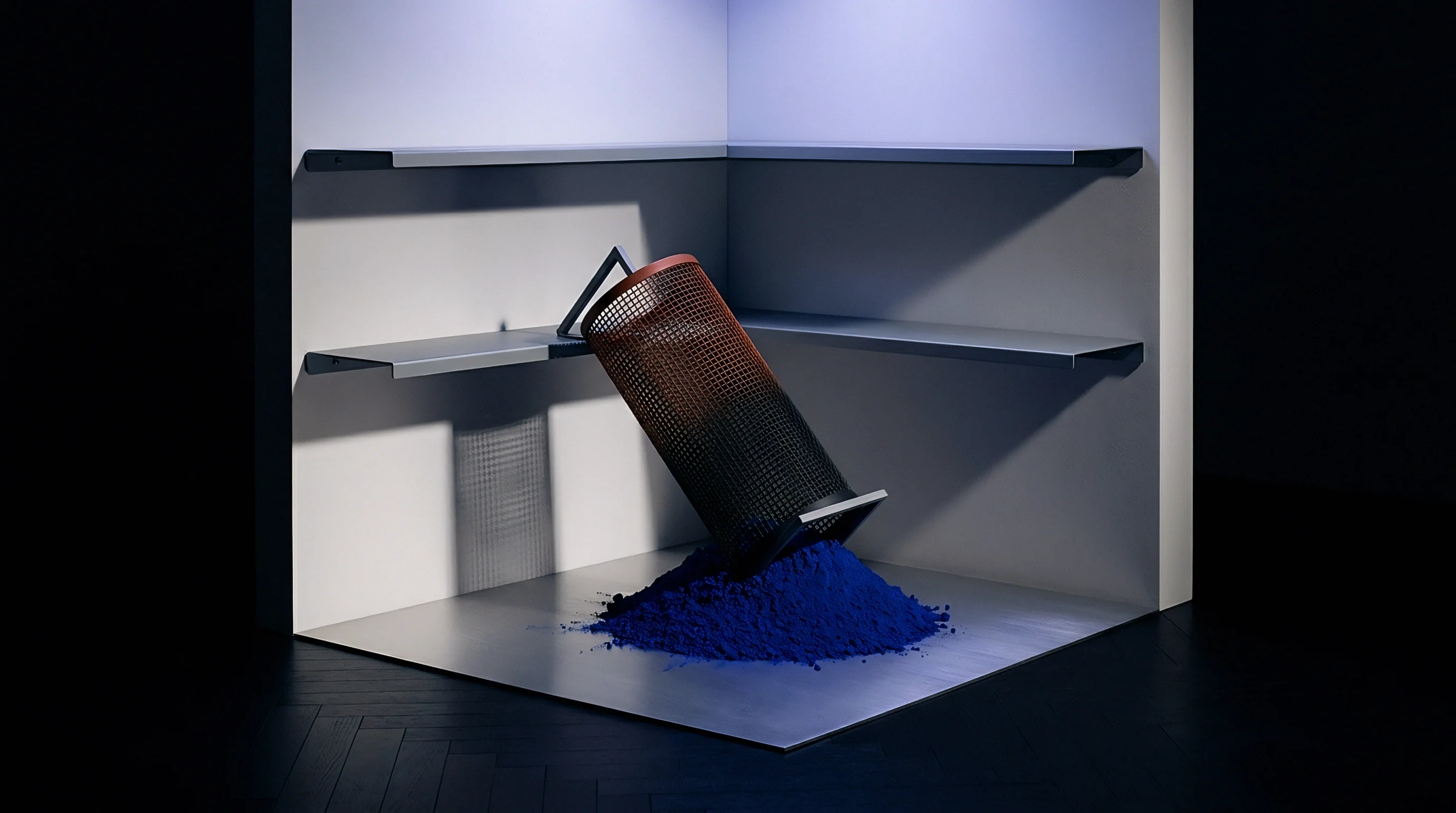
Laboratory evaluation of repulpability relies on screening pulp slurries through slotted plates with standardized apertures. Laboratory Somerville fractionators use 150-micrometer slotted screen plates to separate usable pulp fibers from non-repulpable reject materials. In clean water tests, synthetic dispersion coatings break into discrete flakes that remain on top of the screen plate, allowing clean fiber to pass through smoothly.
Continuous mill operation alters screening efficiency dramatically. As micro-stickies accumulate in process water loops, they collect on screen plate edges, reducing effective slot width. Colloids pass through coarse screens.
The physical blinding of screen slots changes the hydraulic flow profile across the fractionation basket. Clean water prevents screen blinding. When process water recirculates repeatedly, sticky polymer deposits accumulate on the underside of screen plates, capturing clean fibers and incorrectly pushing usable material into the reject stream.
Can Closed White Water Circuits Maintain Acceptable Fiber Separation Rates?
Recycling operations measuring reject rates discover that continuous re-introduction of micro-stickies alters fiber slurry rheology. Micro-stickies attach to fines and short cellulose fibers, forming dense, tacky complexes. These fiber-polymer complexes fail to pass through 150-micrometer screen slots, increasing reject masses substantially over multiple pulping cycles.
Evaluating this performance decay requires simulating water loop closure in laboratory protocols. The laboratory process must re-use filtered accepts water across multiple consecutive repulping batches. Single-pass repulpability protocols miss this accumulation dynamic entirely, recording artificially high fiber yields that cannot be sustained on an industrial mill production floor.
| Evaluation Parameter | Standard Bench Test (Single Pass) | 10-Cycle Recirculation Mill Model | Performance Variance (%) |
|---|---|---|---|
| Screen Passing Fiber Yield (%) | 95.4 | 82.1 | -13.9 |
| Coarse Reject Fraction (%) | 3.1 | 12.8 | +312.9 |
| Micro-stickies Count (particles/g) | 140 | 3,850 | +2,650.0 |
| Chemical Oxygen Demand (mg/L) | 420 | 4,900 | +1,066.7 |
| Pulp Drainage Resistance (Schopper-Riegler °SR) | 18 | 42 | +133.3 |
| Data generated using 15% aqueous styrene-acrylate barrier coated board in furnish over 10 consecutive recycling cycles with 90% water loop closure. | |||
Quantitative Assay of Rejects and Sticky Contamination
Laboratory procedures according to PTS-RH 021/97 or Aticelca 501 determine coarse residue fraction on a 150-micrometer slot. These procedures quantify non-repulpable components by drying and weighing screen rejects. However, standard mass balance assays fail to separate wood fiber trapped by sticky agglomerates from pure polymer coating residue.
Thermogravimetric analysis of rejects provides precise quantification of organic synthetic polymer content versus cellulose fiber mass.
Assume a 100-tonne per day packaging board mill operating a 92 percent closed white water circuit with a total water volume of 1,200 cubic meters. Assume the mill pulps a furnish containing 15 percent aqueous polyacrylate dispersion-coated paperboard carrying a 12 gram per square meter synthetic barrier coating. Mechanical repulping fragments 40 percent of the synthetic coating into sub-150-micrometer colloidal particles that pass through primary screens into process water.
In Cycle 1, the pulping of 15 tonnes of barrier board introduces 180 kilograms of synthetic polymer dispersion into the system. Primary screening rejects 60 percent (108 kg) as film flakes, while 40 percent (72 kg) passes into the 1,200 cubic meter water volume, creating an initial white water concentration of 60 milligrams per liter. After 10 recirculation cycles without purge, accounting for an 8 percent water bleed rate, the background concentration of synthetic colloids in white water rises to 415 milligrams per liter.
Macro-stickies blind fine slotted plates. Micro-stickies deposit onto fibers, causing screen slot blinding. The effective fiber yield drops from an initial 94.5 percent to 83.2 percent due to fiber carryover into the reject stream.
- Recirculation Stage Factor measures the concentration multiplier of dissolved and colloidal substances in white water relative to fresh water input volume.
- Deposition Depletion Assay calculates the rate at which micro-stickies deposit onto wire meshes during vacuum dewatering operations.
- Screen Slot Aperture Verification uses laser metrology to track slot width reduction caused by polymer film buildup during extended production runs.
- Effluent Solids Quantification measures total organic carbon and chemical oxygen demand accumulation in unclarified process water loops.
Laboratory tests miss circuit accumulation. Mill trials reveal true degradation. Yield decay tracks directly with the build-up of colloidal solids in process water.
When synthetic latex accumulation reaches critical saturation, cationic retention aids lose effectiveness, causing fine fibers and micro-stickies to pass uncontrollably into machine effluent loops.
Closing process water loops concentrates unprecipitated synthetic barrier dispersion particles until colloidal shock causes catastrophic deposition on machine wires.
Dispersed barrier chemical vendors regularly state that synthetic polymers disperse completely during pulping, attributing downstream screen blinding entirely to poor mill water clarification.
Audit
Proving compliance with packaging waste directives demands evidence that continuous barrier board reintroduction does not compromise paper machine runnability. Certification bodies issue recyclability declarations based on standard laboratory test reports. However, customs authorities and market surveillance inspectors verify packaging claims against real-world material circularity metrics.
A single-pass laboratory certificate provides no legal defense if recycled paper mills reject shipments of barrier board due to white water contamination.
European packaging regulations enforce strict recyclability performance tiers. Packaging material that impairs industrial recycling processes faces financial penalties under extended producer responsibility eco-modulation schemes. Buyers specifying dispersion-coated paperboard must verify that supplier technical documentation includes multi-cycle repulpability testing covering process water accumulation impacts.
Standardized Recyclability Protocols and Standard Scopes
Testing laboratories issue pass certificates based on single-pass repulping tests using pristine process fluid. Scheme documentation like the CEPI Recyclability Guidelines, PTS-RH 021/97, and Aticelca 501 specify standardized repulping consistency, temperature, and screening parameters. While these standard frameworks establish baseline material disintegrability, their scope excludes white water recirculation effects.
Certificates issued under standard conditions cover only the primary repulpability of pristine paper fibers. The standard test reports explicitly exclude downstream process water impacts, micro-stickies accumulation rates, and effluent clarification burdens. Paper buyers who present single-pass test certificates as proof of full industrial recyclability carry exposure under consumer protection and environmental claim laws.
| Assessment Standard | Repulping Water Quality | Recirculation Cycles Evaluated | Micro-stickies Quantification Method | Industrial Recyclability Applicability |
|---|---|---|---|---|
| CEPI Recyclability Guidelines (2023) | Deionized / Fresh Water | 1 (Single Pass) | Macro-stickies Screen Residue Mass | Baseline Material Disintegration Only |
| PTS-RH 021/97 Category II | Tap Water | 1 (Single Pass) | 150 µm Slot Residue Weight | Standard Paper Mill Furnish Verification |
| Aticelca 501 / UNI 11743 | Standard Fresh Water | 1 (Single Pass) | Adhesion and Sheet Appearance Assay | Commercial Printing and Graphic Grades |
| 4P Recyclability Protocol (Extended) | Recirculated White Water | 5 to 10 Cycles | Image Analysis and TOC Accumulation | Closed-Loop Industrial Mill Operations |
Documentary Gap between Single Sample and Recirculated Water
Standardized test certificates cover material performance under single-use lab water conditions. When paper converters apply synthetic barrier dispersions to packaging board, the resulting product changes the chemical makeup of mill effluent loops. The documentary gap opens when a mill attempts to pulp high volumes of barrier broke, experiencing rapid sticky build-up despite holding valid repulpability pass certificates for the raw paperboard.
Closing this documentary gap requires establishing multi-cycle testing documentation prior to commercial substrate qualification. Buyers must insist that packaging supply contracts specify repulpability limits measured after a minimum of five water recirculation cycles. White water viscosity increases continuously.
- Single Pass Repulpability Certificate establishes initial fiber disintegration capability under ideal laboratory freshwater conditions.
- Water Recirculation Index Assessment measures fiber yield loss and sticky accumulation across ten simulated white water recycling loops.
- Chemical Oxygen Demand Impact Report quantifies organic load contributions to mill effluent treatment facilities per dry tonne of repulped broke.
- Mill Scale Trial Conformance Record documents actual paper machine runnability, wire cleaning frequency, and felt life during high-concentration barrier broke trials.
Freeness drops rapidly under loading. Documenting compliance requires assembling a technical dossier containing both single-pass lab results and multi-cycle process water impact data. Without multi-cycle testing, environmental compliance claims remain vulnerable to legal challenge under green claims legislation.
Single-pass bench repulping tests fail to measure white water accumulation dynamics in closed-loop paper mills.
Under European Standard EN 13430 Clause 4.2.2, a packaging material claim of material recyclability is invalid if the repulping process generates non-separable sticky residues that impair industrial paper machine operational efficiency.

Penalty
Regulatory enforcement under European Union rules restricts non-conforming packaging substrates from entering member states. Importers, brand owners, and packaging converters face financial liabilities if barrier-coated paper packaging causes operational disruption in recycled paper streams. Under eco-modulation rules, packaging grades rated low in recyclability trigger significantly higher Extended Producer Responsibility fees per tonne placed on the market.
In addition to regulatory fees, paper mills increasingly levy effluent treatment surcharges on converting scrap containing synthetic dispersion coatings. When mill effluent treatment plants detect elevated chemical oxygen demand and non-biodegradable synthetic colloids, charges pass directly back to the broke supplier. Micro-stickies clog wet press felts.
Commercial Exposure under Packaging and Packaging Waste Regulation
Article 6 of the Packaging and Packaging Waste Regulation requires packaging to design for recycling at scale by 2030. The regulation establishes strict performance classes based on material recovery rates and processing efficiency. Packaging substrates that yield less than 80 percent usable fiber or generate high sticky residues risk reclassification into lower recyclability performance tiers, drastically increasing market access fees.
Non-compliance with packaging circularity criteria results in border holds and product recalls across EU jurisdictions. Customs authorities enforce compliance by reviewing technical dossiers at entry ports. If technical audit files lack evidence of repulpability under realistic mill water loop conditions, shipments face detention until independent laboratory testing confirms compliance.
Contractual Allocation of Effluent Treatment Costs
Converting contracts incorporating chemical residue indemnity clauses shift wastewater purification surcharges directly to dispersion barrier manufacturers. Paper mills require converters to submit detailed chemical breakdowns of synthetic coatings, including glass transition temperatures, surfactant types, and monomer residual levels. Unintended synthetic latex accumulation in mill process water invalidates supply contracts, exposing converters to machine downtime claims and felt replacement costs.
Contractual risk mitigation demands incorporating precise repulpability specifications into raw material procurement agreements. Specifications must define maximum allowable micro-sticky formation rates, chemical oxygen demand loading limits per tonne, and minimum acceptable fiber yields after ten process water cycles. Relying on vague supplier assertions of repulpability exposes purchasing managers to severe financial claims when industrial recycling loops experience sticky contamination outbreaks.
Failing to account for synthetic barrier dispersion accumulation in mill process water leads to rejected fiber shipments, expensive chemical clarification additives, and customs rejection of non-conforming paper products.