Fiber Recovery
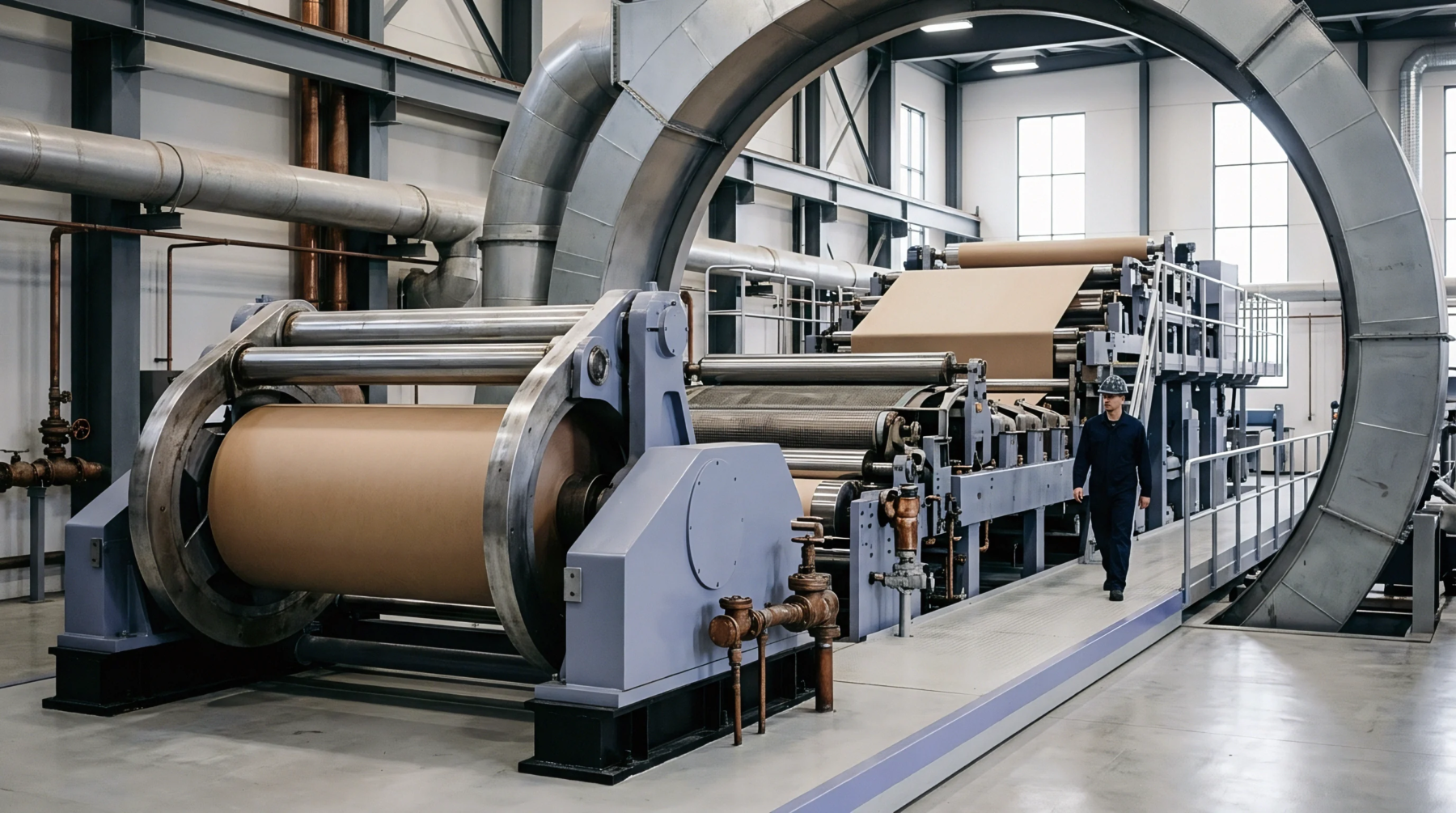
Industrial closed-loop systems reuse process water from the papermaking machine to minimize freshwater intake and recover suspended solids. Mills utilize white water recirculation to return fine fibers and filler particles back to the start of the forming line. This process directs the drainage water from the wire section to the stock preparation area, conserving both water and raw materials.
Solids Accumulation
Water reuse in papermaking leads to a build-up of dissolved organic and inorganic compounds over time. As the system becomes more closed, white water recirculation increases the concentration of calcium ions, starches, and dispersants in the process water. High levels of these dissolved materials can interfere with retention aids, reducing the efficiency of wet-end chemicals and causing foam formation.
This build-up requires mills to install clarification systems, such as dissolved air flotation, to clean the recirculated water without discarding heat or fibers. Such recovery keeps chemical consumption predictable while protecting paperboard properties.
Thermal Conservation
Process temperature maintenance reduces the energy required to dry the finished paperboard web. Retaining the heat of the white water within the machine loop improves pulp drainage on the wire, as warmer water has lower viscosity. This thermal benefit reduces steam consumption in the dryer section, lowering the mill’s overall energy footprint and decreasing carbon emissions per ton of board produced.