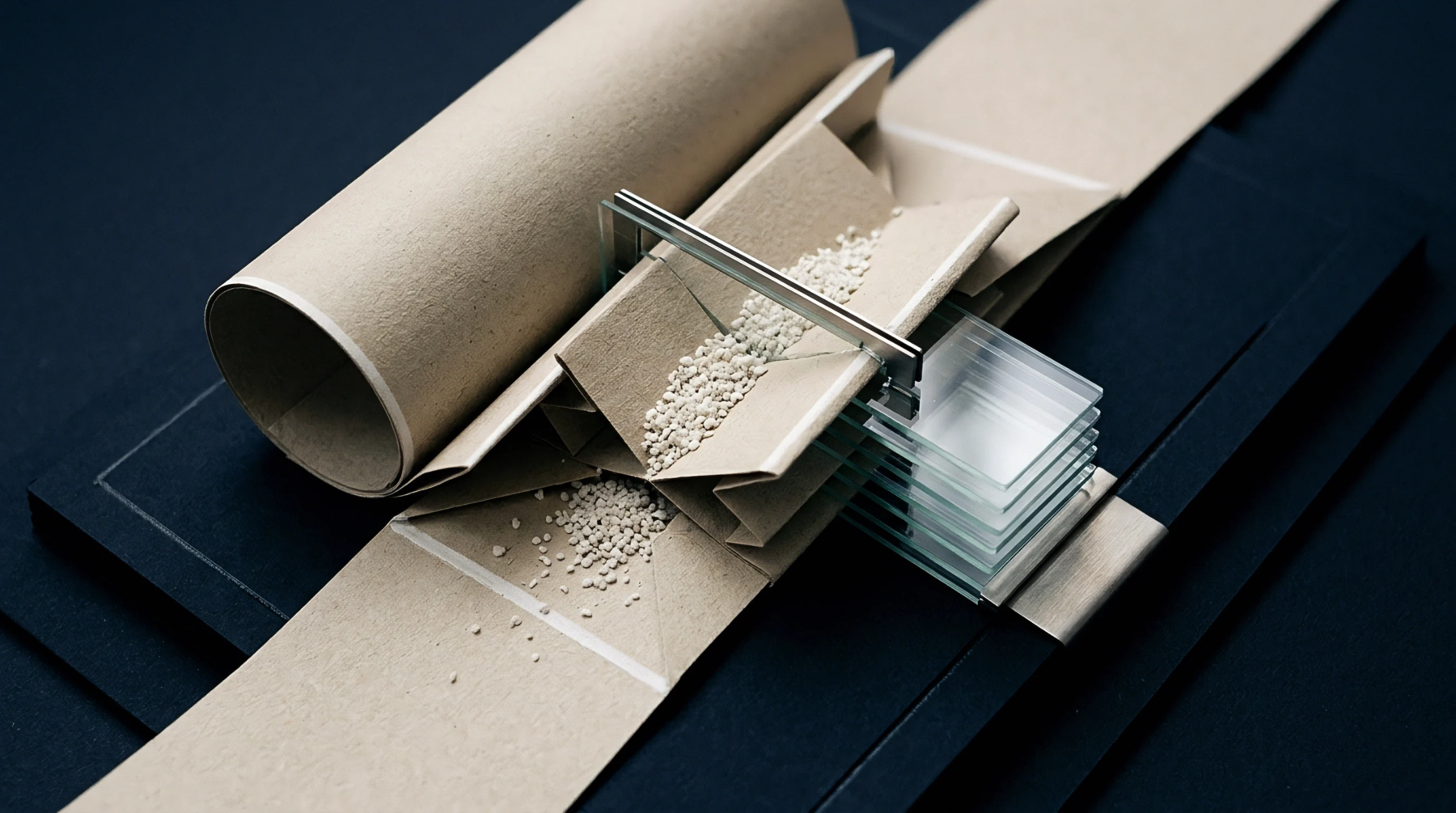
Statistical Process Control Methods for Paperboard Coating Uniformity
Decoupling machine-direction and cross-direction coat weight sensor arrays maintains barrier integrity and limits food contact migration exposure.
Decoupling machine-direction and cross-direction coat weight sensor arrays maintains barrier integrity and limits food contact migration exposure.
Dynamic crease stiffness analysis measures real-time polymer film relaxation during high-speed board folding to prevent barrier fracturing and line jams.
Dynamic fluid transport in lightweight coated sheets shifts from inertial to capillary control within milliseconds, demanding balanced pore throat sizing.
Selecting ductile resin binders with glass transition temperatures below minus five degrees Celsius prevents coating micro-cracking during paperboard crease folding.
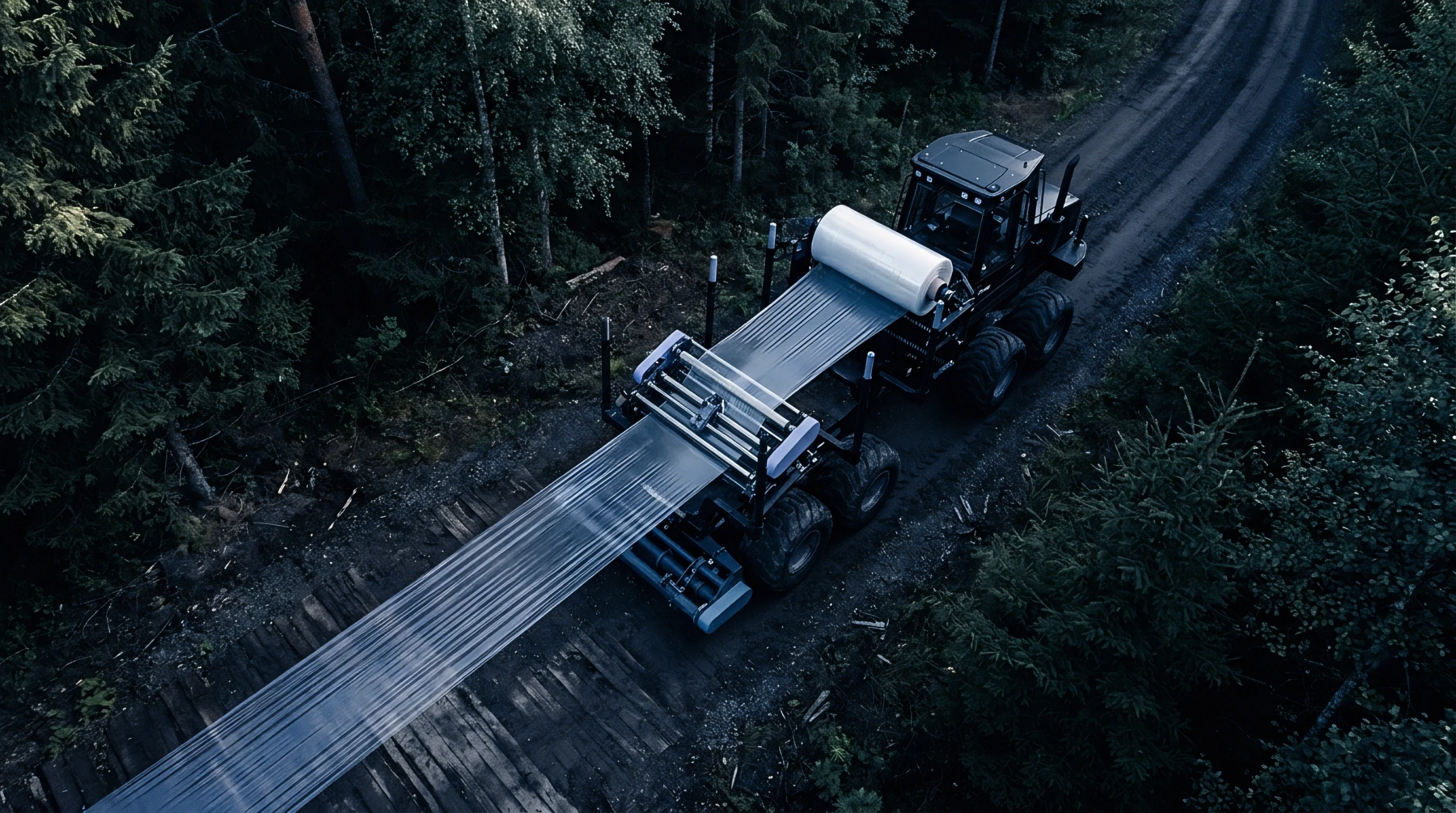
Waterborne dispersion application on folding boxboard requires precise coat weight control, shear-matched viscosity, and staged drying to prevent pinholing.
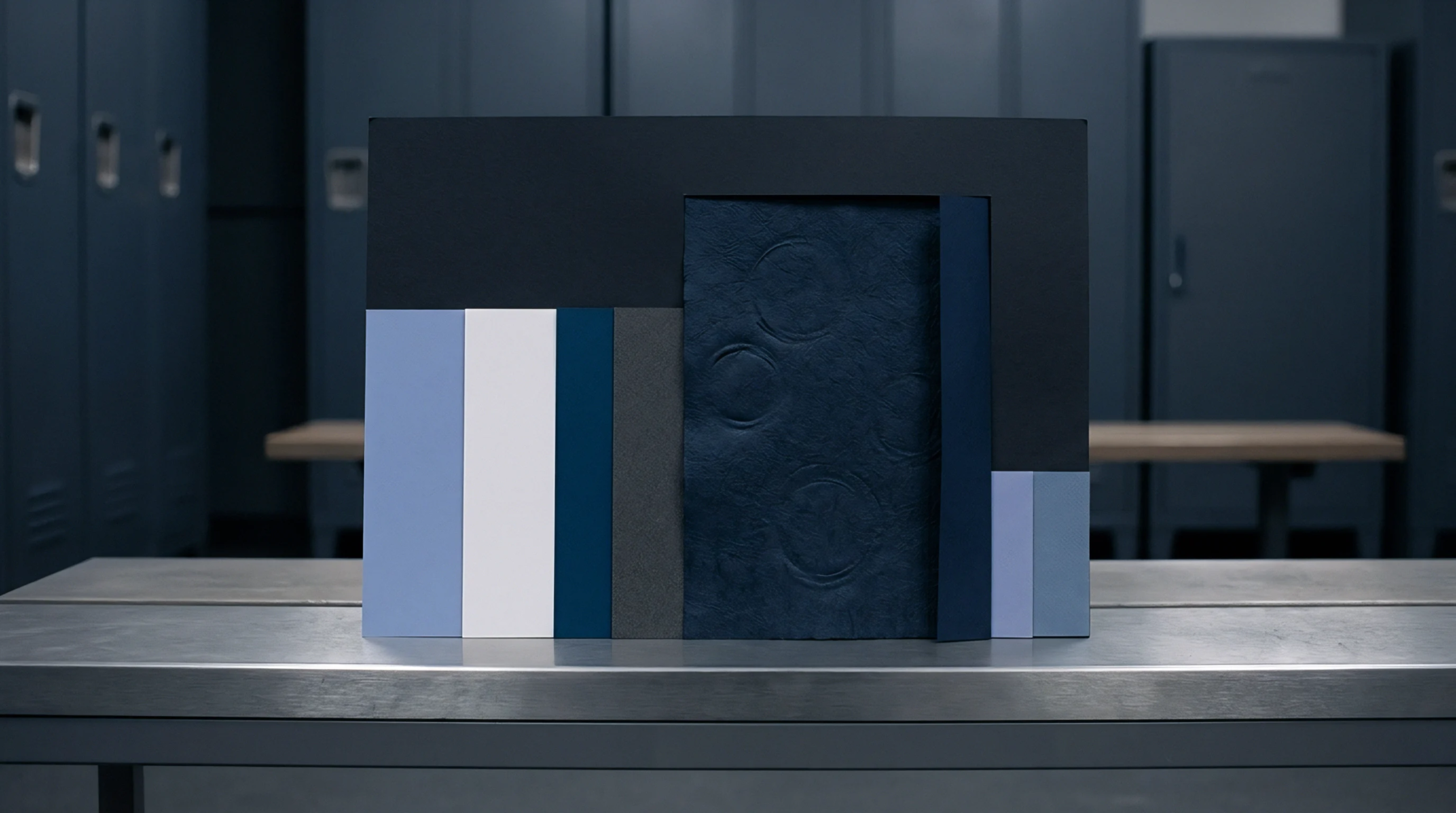
Inline blade coating and soft-nip calendering establish surface uniformity, while targeted finishing passes balance visual embellishment against repulpability.

Water-based dispersion coatings achieve food barrier requirements while maintaining full fiber repulpability and standard mill recovery yields.

Dynamic surface tension decay in lightweight virgin hardwood papers dictates fountain solution uptake and ink setting, requiring strict dynamic contact angle limits in mill purchase specs.

Optimizing creasing rule tip radius and channel geometry enables controlled internal board delamination, eliminating coating cracking and springback jams.

Wide matrix channels and shallow penetration depth prevent polymer micro-fractures in dispersion-coated folding boxboard during creasing.
Expertise is a utility, not a secret. sentiention™ publishes its working knowledge as open reference: intelligence layer covering the materials it sources, the markets it enters, and the reference that serves both.