Analytical Measurement
A chemical parameter determines the total quantity of carbon bound within organic compounds inside an aqueous process stream or industrial pulp mill effluent. In paper manufacturing, total organic carbon acts as a rapid quantitative metric for dissolved wood fractions, residual starches, synthetic sizing agents, and process chemistry losses. The analytical method combusts liquid samples at high temperatures or oxidizes them using ultraviolet persulphate reagents to convert organic molecules into carbon dioxide gas, which is subsequently measured by a non-dispersive infrared detector.
The measurement strictly evaluates carbon element mass and does not quantify inorganic carbon from dissolved carbonates.
Effluent Monitoring
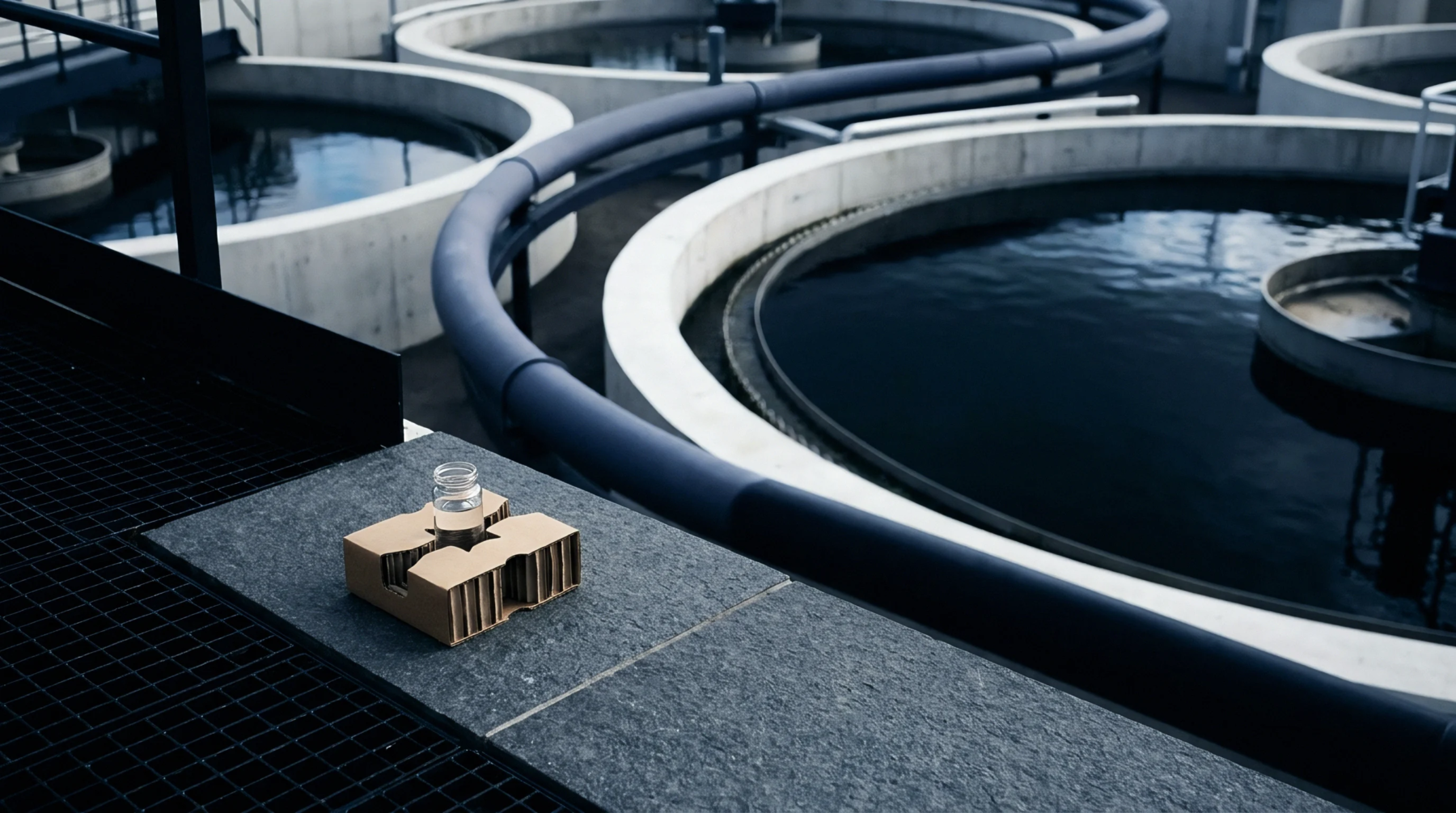
Modern pulp and paper mills operate continuous analytical instruments to verify biological wastewater treatment efficiency prior to environmental discharge. Microbial digestion stages consume dissolved wood sugars and hemicelluloses, driving down carbon concentrations before clean water returns to municipal waterways or local rivers. High organic carbon content in final discharges depletes dissolved oxygen levels in aquatic ecosystems, drawing regulatory scrutiny and financial discharge fines.
Automated online analyzers provide readings within ten minutes, giving treatment operators early warnings of chemical containment breaches or aeration tank disruptions. Biological oxygen demand tests take five days to yield comparable results.
Recycled Pulping
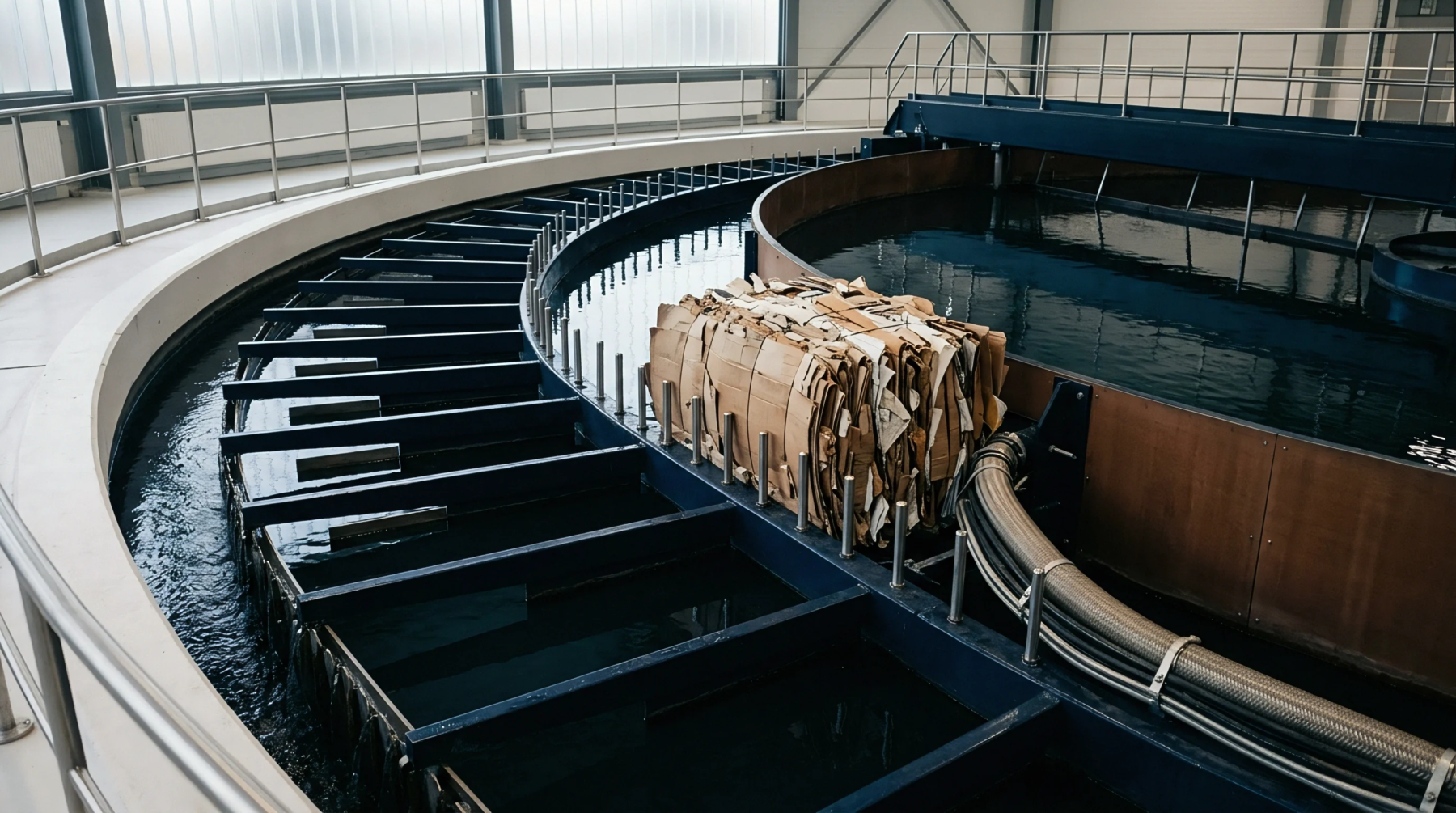
Recycled paperboard facilities experience sudden spikes in dissolved carbon loads during repulping operations. Starches washed from incoming post-consumer corrugated boxes dissolve rapidly in warm repulper waters, raising dissolved organic burdens across the wet end. Organic buildup destabilizes cationic retention programs, consumes process biocides, and induces severe foaming along the forming table.
Anaerobic bacteria ferment these dissolved organic carbons within closed water systems, generating volatile fatty acids that cause odor defects in food packaging boards. Mill operators install clarifying dissolved air flotation units to purge organic carbon aggregates before stock flows toward headbox delivery systems.