Physical Fiber Verification versus Mass Balance Ledger Accounting in Paperboard Procurement
Mass balance ledgers allocate administrative fiber credits across mill networks, but laboratory microscopy governs physical batch compliance at customs borders.


Assay
Microscopic analysis of a 300 gsm folding boxboard sheet reveals an anatomical reality that administrative ledgers routinely bypass. A paperboard sample declared as certified recycled fiber under a chain of custody mass balance credit account often contains entirely virgin bleached kraft pulp under polarized light. The credit system functions as an inventory balancing mechanism across a mill system rather than a physical guarantee of furnish composition.
When a converter buys mass balance material, the invoice carries a legal right to print a certified claim, yet the physical carton running across the gluing line may hold zero percent of the claimed fiber class.
Physical verification examines the actual cellulose structures, lignin residues, and chemical trace signatures embedded in the paper matrix. Standard testing methods isolate anatomical features to categorize fiber genus, pulping process, and recycling history. Mass balance accounting manages paperboard attributes at the corporate ledger level, balancing certified input volumes against output volume declarations over rolling monthly or quarterly accounting periods.
Laboratory fiber analysis determines the tangible contents of the finished sheet while ledger accounting tracks certified intake volumes across the mill network.
Paperboard procurement teams face a widening divide between these two governance modes. Regulatory bodies targeting greenwashing increasingly mandate physical proof of recycled content or deforestation-free origin. Simultaneously, procurement contracts rely on FSC-STD-40-004 or PEFC ST 2002 chain of custody certificates that permit physical decoupling through credit bank accounts.
Understanding where ledger claims end and physical fiber reality begins dictates whether a brand owner survives a customs verification audit or product claim challenge.
Dissecting the paperboard furnish requires separating the plies of multi-ply folding boxboard (FBB) or solid bleached sulfate (SBS) boards. Each ply delivers different mechanical stiffness, bulk, and print smoothness properties, with virgin fiber providing structural stiffness while recycled fibers show collapsed lumens. The physical sheet tells a distinct metallurgical and botanical history that ledger entries cannot alter.


Credit
Ledger Mechanics and Volume Allocation
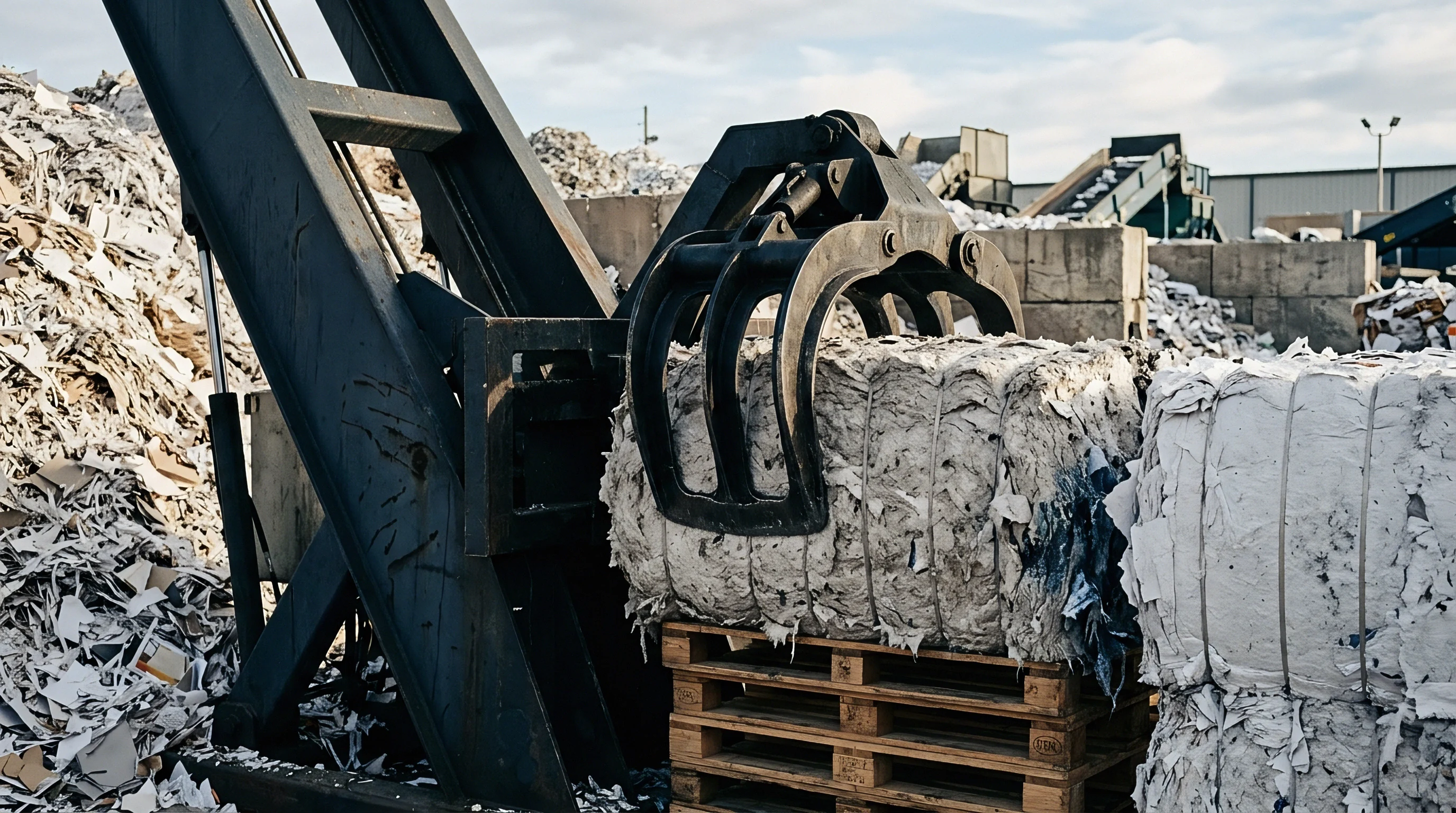
Mass balance systems operate on administrative volume reconciliation. A pulp mill purchases certified roundwood or recovered paper alongside uncertified feedstocks. The inputs enter a common digester or hydrapulper vat, blending fibers into an indistinguishable slurry.
The mill then assigns the total certified input volume to a specific production fraction on paper.
Under FSC and PEFC credit systems, a facility can concentrate all certified volume onto a small run of premium paperboard. A mill processing ten thousand metric tons of pulp containing twenty percent certified wood can legally sell two thousand metric tons of cartonboard carrying a pure credit claim. The remaining eight thousand metric tons enter commerce as uncertified or controlled wood.
The two thousand metric tons carrying the certified invoice credit may physically contain eighty percent uncertified fiber.
| System Model | Physical Segregation | Furnish Batch Match | Credit Banking Window | Permitted Pack Claim |
|---|---|---|---|---|
| Physical Separation | Complete physical silo | Absolute identity preserved | None permitted | Specific Certified Origin |
| Percentage System | No segregation required | Proportional batch average | Rolling period calculation | Percentage Certified Claim |
| Credit System | Zero physical segregation | Decoupled from board sheet | Up to 24 months validity | FSC Mix Credit or PEFC Certified |
The operational gap appears during cross-border supply chain transfers, where converting plants buy paperboard reels from merchant distributors with credit accounts sitting open across multiple calendar quarters. FSC-STD-40-004 Clause 10 allows organizations to maintain credit accounts for up to 24 months, permitting mills to accumulate credits during high-volume commodity production and spend those credits months later on unrelated cartonboard export orders.

Is Mass Balance Accounting Defensible for Packaging Claims?
Regulatory frameworks for packaging declarations increasingly challenge credit banking methods. When a brand prints a recycled content claim on retail packaging, consumer protection agencies evaluate whether that specific pack contains recovered material rather than relying on volumetric substitution under mass balance. Sourcing managers relying strictly on credit entries face vulnerability when physical testing contradicts on-pack marketing.
- Credit account overdraws occur when converting facilities issue certified delivery notes exceeding the valid balance available in their internal mass balance register.
- Species contamination arises when mills blend unverified domestic hardwood pulp into export board lots holding virgin Scandinavian softwood claims.
- Recycled credit washouts happen when mills apply deinked pulp credits from newsprint production lines to offset virgin fiber in high-barrier food packaging boards.
- Temporal mismatching occurs when certificates cover material manufactured twelve months prior to the physical harvest date of the base logs.
Ledger balances create legal claim entitlements without guaranteeing physical batch purity.
Tracking physical fibers through high-speed continuous digesters would paralyze industrial pulp production and double converting costs for commercial packaging grades.


Pulp

Anatomical Identification Standards
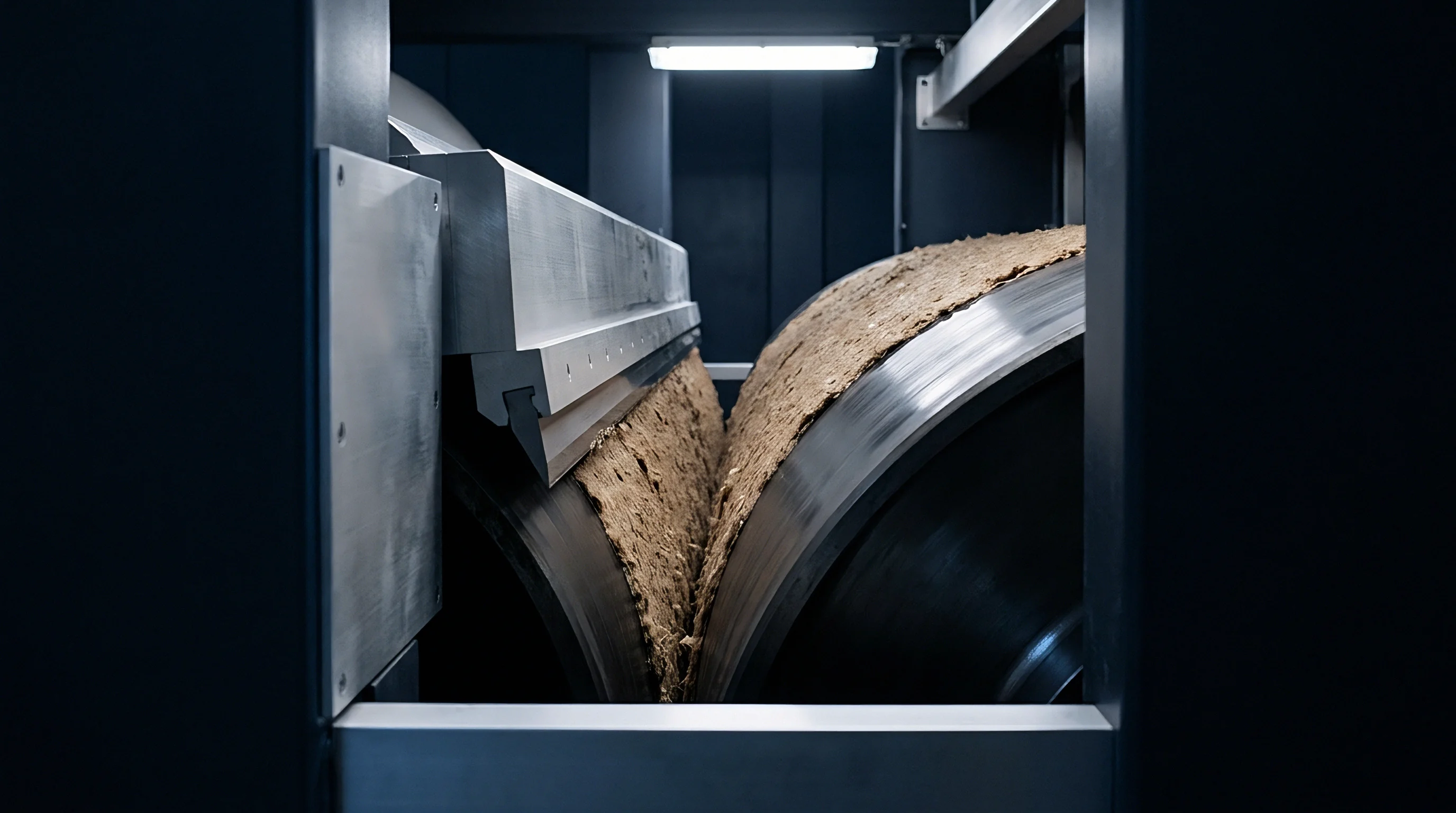
Physical verification of paperboard furnish relies on standardized fiber microscopy and chemical spectrometry. Standard test method TAPPI T401 alongside ISO 9184-1 through 9184-7 defines the preparation, staining, and morphological evaluation of pulp fibers. A laboratory technician defibers the board sample using mild sodium hydroxide solutions, separates individual cellulose strands, and applies specialized chemical stains to reveal botanical and processing traits.
Graff C stain and Herzberg stain react with residual lignin and hemicellulose concentrations on fiber cell walls. Chemical pulps, mechanical groundwood pulps, and semi-chemical pulps turn distinct colors under brightfield illumination. Bleached kraft softwood fibers appear blue-violet, while mechanical groundwood fibers stain bright yellow due to heavy lignin concentrations.
Thick-walled softwood tracheids contrast with hardwood vessel elements that verify chemical pulp, where pitted vessel structures confirm the addition of deciduous species such as birch, eucalyptus, or aspen.
A fifteen-milligram paperboard sample subjected to Herzberg stain under 100x magnification differentiates mechanical groundwood from bleached chemical kraft within forty minutes.
Secondary fiber identification detects mechanical processing damage. Virgin chemical fibers exhibit straight, tubular structures with open lumens. Recycled pulp fibers display collapsed cell walls, micro-compressions, curled ends, and visible hornification caused by repeated wetting and drying cycles during papermaking and converting.
- Specimen disintegration begins by boiling a two-gram board swatch in distilled water with 0.5 percent sodium hydroxide to loosen inter-fiber hydrogen bonds.
- Stain preparation requires dropping standardized Graff C or Selleger reagent across dried fiber fields mounted on optical microscope slides.
- Morphological tallying involves counting at least 400 fiber crossings across horizontal grid lines to calculate species and pulping ratios.
- Spectroscopic cross-check applies pyrolysis gas chromatography to measure synthetic wet-strength resins and latex binder fragments indicative of post-consumer recovery streams.
| Analytical Method | Standard Protocol | Targeted Metric | Detection Limit |
|---|---|---|---|
| Optical Fiber Microscopy | TAPPI T401 / ISO 9184 | Hardwood/Softwood & Pulp Type | 1.0% fiber count |
| Polarized Light Microscopy | ASTM D1030 | Fibrillation & Lumen Collapse | 2.0% furnish volume |
| Stable Isotope Analysis | IRMS / Trace Elemental | Geographic Forest Origin | Regional biome level |
| Pyrolysis-GC/MS | ISO 17228 | Recycled Binders & Micro-contaminants | 50 ppm dry weight |

Physical Degradation and Post-Consumer Markers
Determining the exact percentage of post-consumer recycled fiber versus pre-consumer mill waste remains an analytical challenge. Laboratory tests identify hornified fibers and residual ink flecks down to fifty parts per million. Mineral oil saturated hydrocarbons (MOSH) and mineral oil aromatic hydrocarbons (MOAH) from printing inks serve as secondary markers for recovered newsprint or magazine furnish.
Isotope ratio mass spectrometry (IRMS) measures stable carbon and oxygen isotope ratios in cellulose molecules. These ratios reflect rainfall patterns, latitude, and local climate conditions where the original tree grew. IRMS testing can disprove claims that a cartonboard originates from certified boreal forests if the isotopic signature matches tropical plantations.
Can forensic analytical chemistry establish a universal threshold to separate virgin plantation thinnings from pre-consumer converting waste in multi-ply white lined chipboard?

Penalty
Regulatory Divergence and Greenwashing Enforcement
European and North American regulatory authorities are narrowing the acceptance of mass balance credit claims for packaging content declarations. The EU Packaging and Packaging Waste Regulation (PPWR) alongside the EU Deforestation Regulation (EUDR) establishes strict traceability obligations. EUDR mandates precise geolocation coordinates for every forest plot feeding a production batch, challenging the administrative mixing allowed under traditional credit ledgers.
Green claims directives penalize misleading environmental statements. When a company advertises a carton as containing 50 percent post-consumer recycled fiber based purely on credit transfers, market surveillance authorities can seize retail inventory if lab assays reveal 100 percent virgin furnish. Paperboard buyers face direct financial exposure.
| Framework / Directive | Mass Balance Permitted | Physical Proof Demanded | Verification Requirement |
|---|---|---|---|
| EU Deforestation Regulation | No volumetric credit banking | Batch-to-plot geolocation | Due diligence dossier audit |
| EU PPWR Recycled Targets | Segregated mass balance only | Post-consumer recycled assay | Accredited conformity check |
| FTC Green Guides (US) | Restricted for consumer claims | Physical presence in board | Substantiated test evidence |
| FSC-STD-40-004 CoC | Full credit banking permitted | Not required at batch level | Annual documentary accounting |

Will Mass Balance Survive European Regulatory Scrutiny?
The commercial friction between chain of custody accounting and packaging enforcement centers on the importer of record. When customs officers hold a maritime container of printed folding cartons, certificate printouts from upstream pulp mills carry minimal weight without matching batch production records. Border authorities demand physical documentation, putting the burden of proof directly on the laboratory report.
Delisting by major retail chains represents an immediate commercial consequence. Sourcing organizations that fail to align invoice claims with physical board composition face contract cancellation, forfeiture of customs bond deposits, and statutory fines calculated against enterprise turnover.

Audit

Reconciling Ledgers with Batch Quality Files
Procurement contracts must bridge the structural gap between credit certificates and tangible board shipments. Relying exclusively on an annual FSC or PEFC certificate copy leaves packaging converters exposed during batch disputes. A defensible procurement dossier links the purchase order, delivery note, mill batch roll numbers, and physical test data into a unified qualification record.
Paperboard buyers protect commercial positions by inserting specific testing rights into master supply agreements. The contract language establishes whether a delivery accepts administrative credit balancing or demands physical furnish compliance verified by independent laboratory testing under TAPPI or ISO methods.
Technical purchase specifications require matching supplier ledger claim numbers directly to distinct reel batch production dates.
- Batch traceability validation cross-references mill reel tags against invoice claim lines to eliminate credit banking lag across disparate quarters.
- Independent fiber furnish testing submits random multi-ply swatches to accredited test houses for stained fiber count confirmation prior to converting.
- Chemical marker screening evaluates MOSH/MOAH and optical brightener agent levels on board intended for direct food contact packaging.
- Geolocation link verification checks EUDR due diligence statement reference numbers against physical bill of lading manifests at the port of entry.
Standard packaging agreements incorporate physical verification clauses to allocate liability. Master contract clause 14.3 shifts all customs hold costs, testing fees, and repackaging damages directly to the material vendor whenever laboratory microscopy demonstrates an absence of claimed certified fiber in the delivered board lot.