
Characterizing Softwood Hardwood Ratios in Recycled Folding Boxboard
Determining softwood and hardwood fiber ratios across plies ensures bending stiffness and score integrity in recycled folding boxboard specifications.
Determining softwood and hardwood fiber ratios across plies ensures bending stiffness and score integrity in recycled folding boxboard specifications.

Reconciling microscopic fiber analysis with declared geolocation requires converting anatomical counts to gravimetric mass to verify taxa against origin flora.

Verifying packaging fiber origin and food contact compliance demands audited chain of custody invoices paired with batch specific migration analytical reports.

Credit systems manage paper volumes administratively, whereas lab assays verify physical fibers; commercial files must not conflate book claims with physical stock.
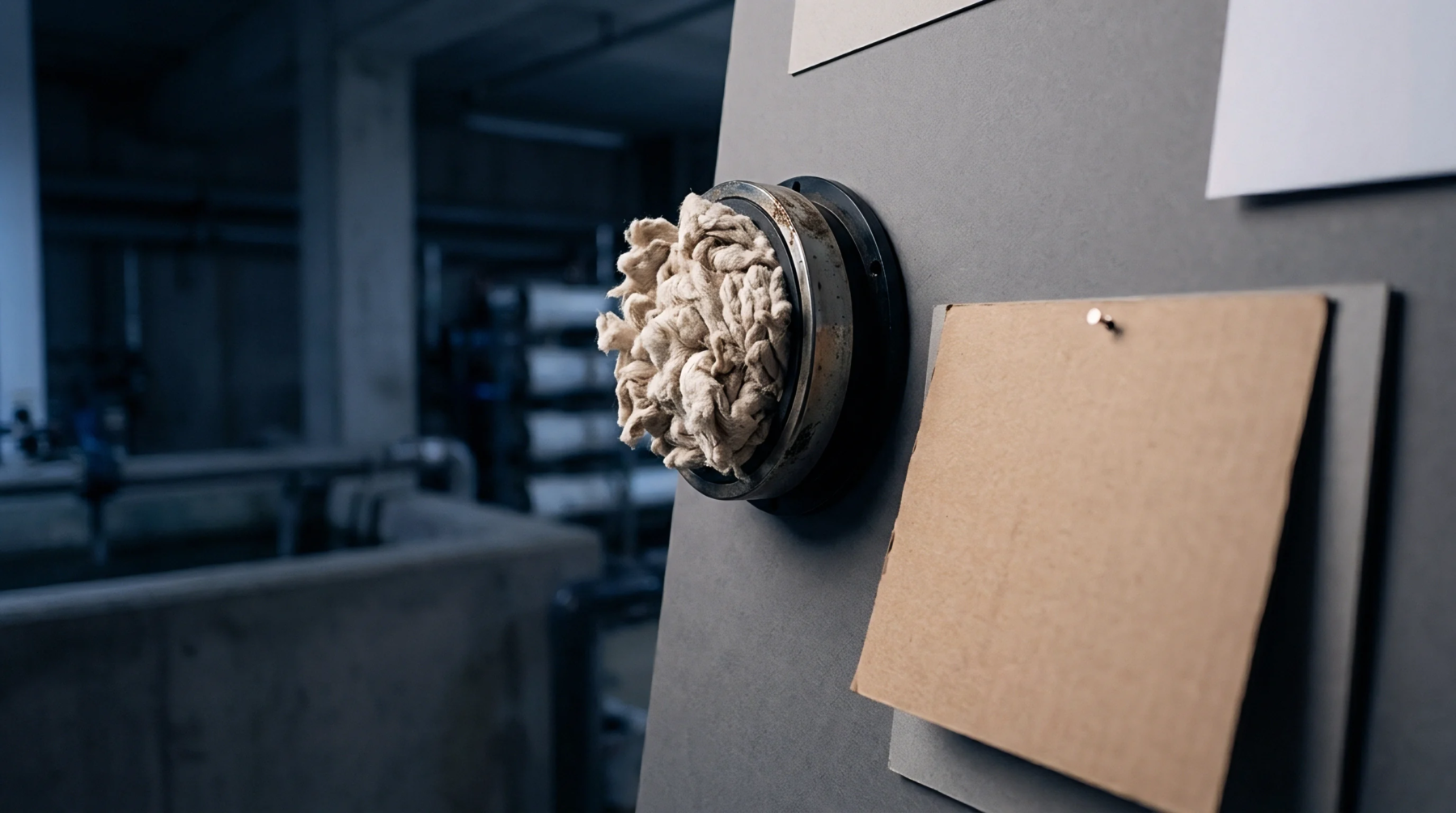
Optical fiber morphology analysis verifies virgin softwood content by quantifying tracheid bordered pits, Graff C colorimetry, and lumen collapse ratios.

Softwood pulp ratio in structural packaging is verified by staining and optical counting under ISO 9184 to secure compression strength and customs compliance.

Chain of custody verification requires active certificate registry checks, line-item invoice claim validation, and complete layer furnish audit across every web.

Goods-in paperboard profiling combines rapid chemical staining, split-temperature ashing, and layer delamination to expose deceptive furnish substitution.

Validate foreign packaging files by checking invoice claim strings on scheme registers, testing fiber furnish by microscopy, and screening barrier extraction.

Reconciling EUDR mandates with recycled pulp requires proof of pure post-consumer waste or plot coordinates for all virgin fibers in the furnish.

Regulatory customs enforcement inspects physical fiber biology, rendering multi-site mass-balance certificate claims legally invalid for cross-border declarations.
Paperboard recycled claims require matching chain of custody certificates, mass balance ledger reconciliation, and certified converter invoices.

Cross-referencing mass spectrometry isotopes and fiber cell anatomy against geolocation coordinates validates imported packaging EUDR deforestation declarations.
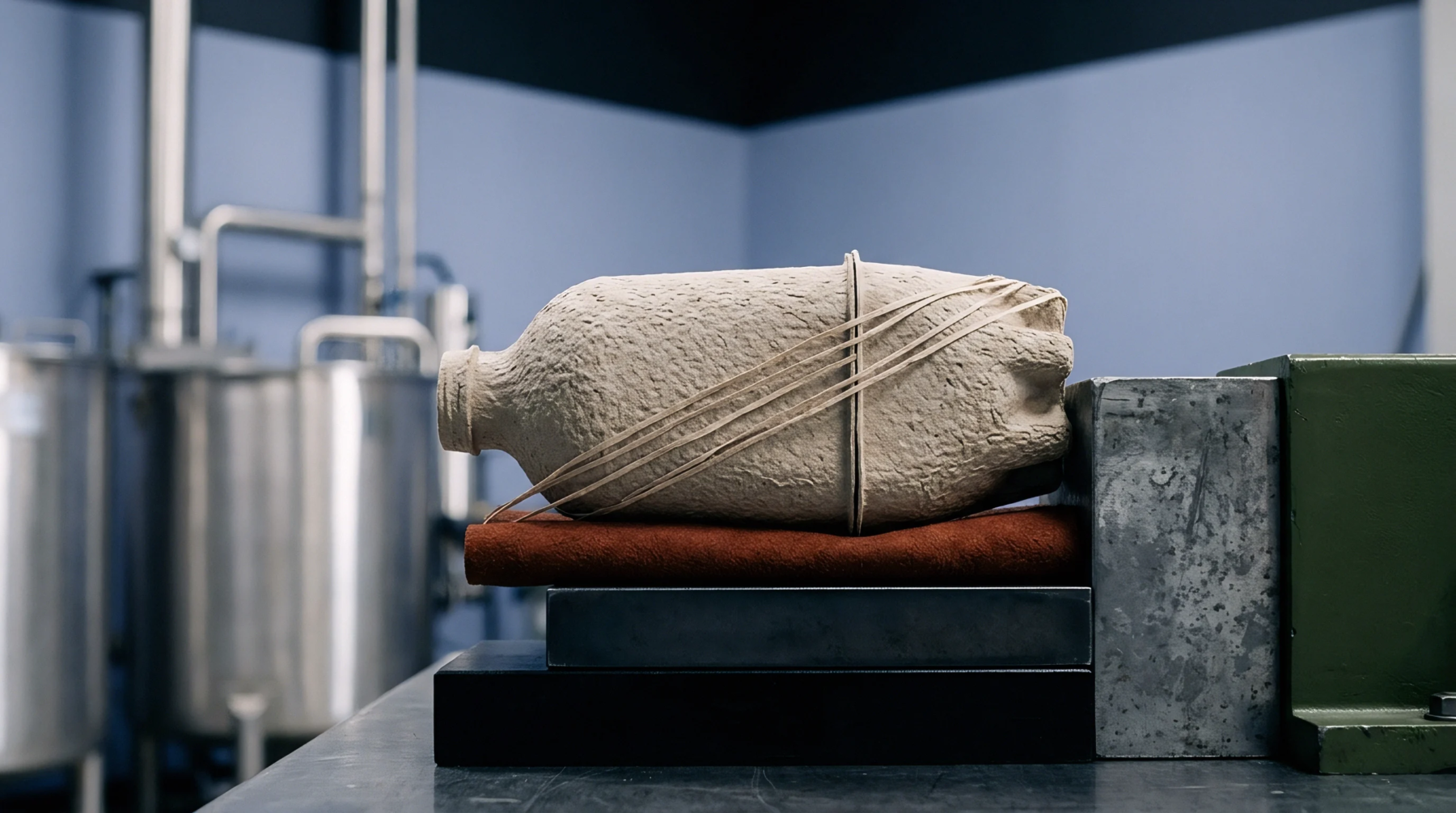
Mass balance ledgers allocate administrative fiber credits across mill networks, but laboratory microscopy governs physical batch compliance at customs borders.

Paperboard credit systems balance financial ledgers rather than physical fibers, requiring buyers to separate administrative certificates from batch fiber testing.

Paperboard fiber ratio auditing requires pairing ISO 9184 Graff C microscopic stain counts with EN 16995 chemical marker testing and mass-balance credit ledgers
Expertise is a utility, not a secret. sentiention™ publishes its working knowledge as open reference: intelligence layer covering the materials it sources, the markets it enters, and the reference that serves both.