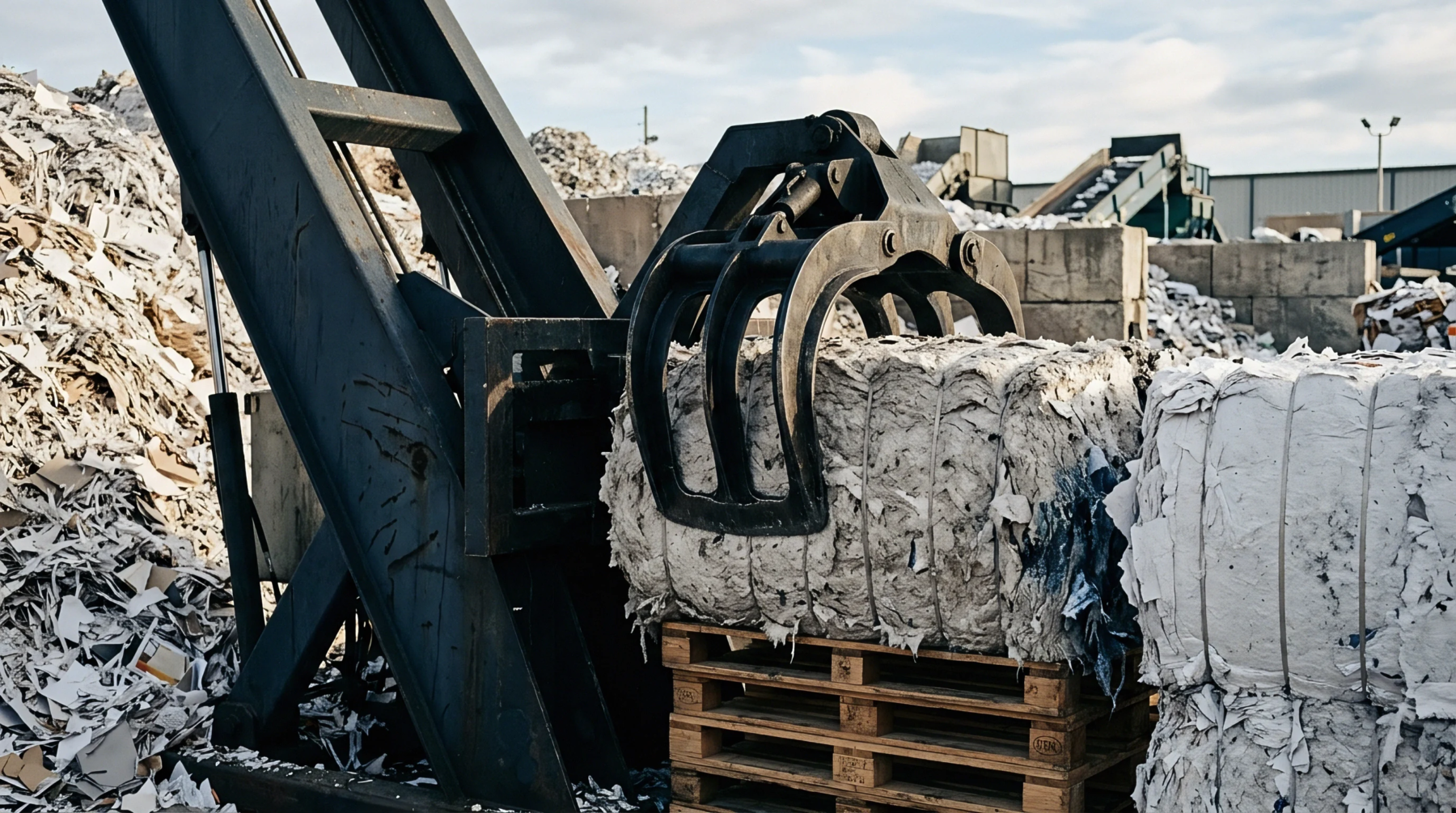
Secondary Fiber Furnish Performance Factors under Variable Relative Humidity Standards
Secondary fiber furnishes lose up to 45 percent of compressive strength under high humidity due to hornification and moisture-induced inter-fiber bond cleavage.
Secondary fiber furnishes lose up to 45 percent of compressive strength under high humidity due to hornification and moisture-induced inter-fiber bond cleavage.
Dynamic multi-phase transport modeling sets hard recycled fiber blending limits and barrier performance criteria to prevent food-contact migration failures.

Steady-state cup tests understate cellulosic moisture ingress; modeling requires concentration-dependent diffusivity and isotherms to prevent cargo collapse.
Dynamic vapor sorption parameterization identifies the water activity threshold where microfibril coatings swell, plasticize, and forfeit barrier performance.
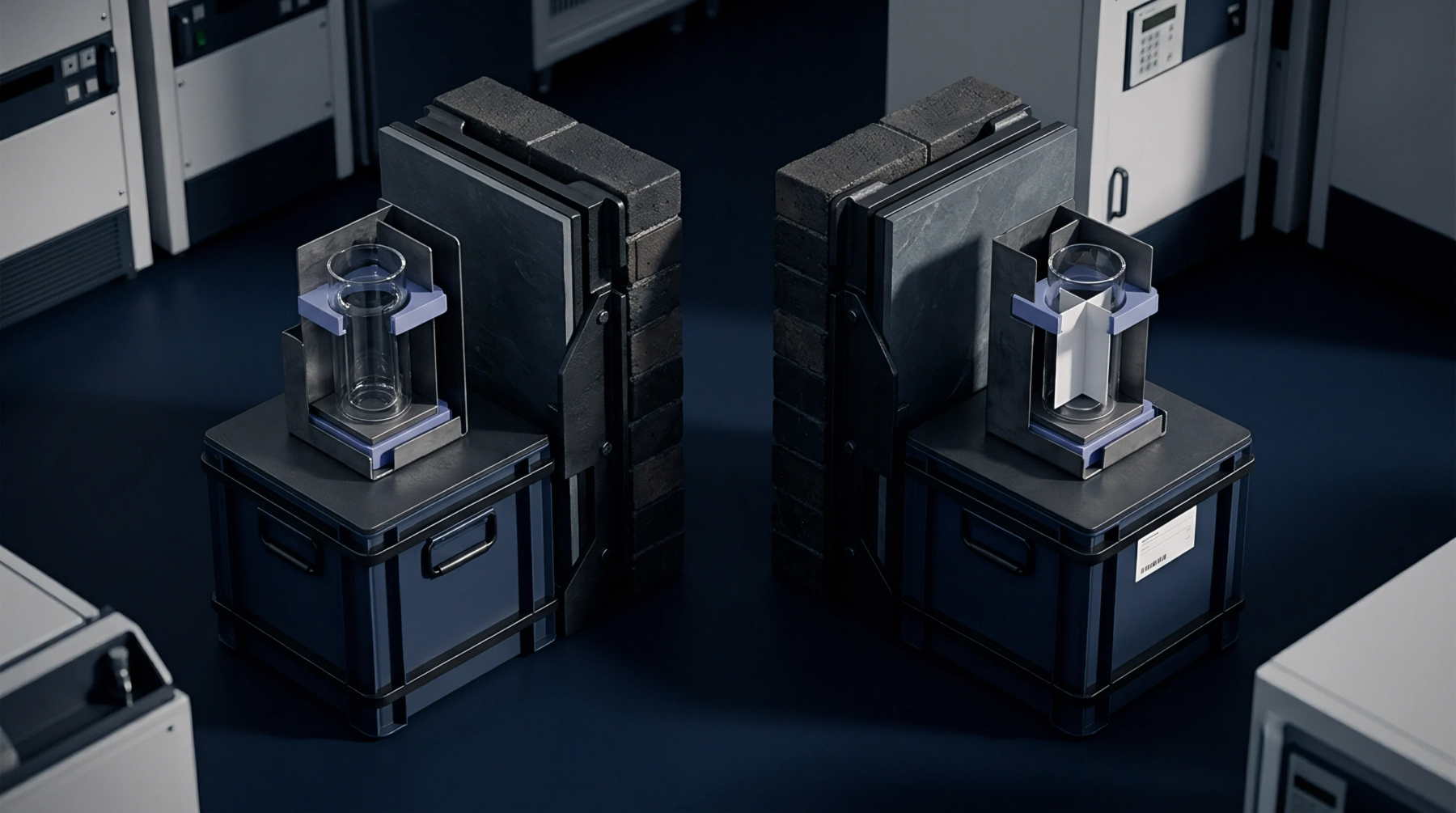
Dynamic vapor sorption isotherm fitting verifies microfibrillated cellulose barrier performance by quantifying moisture-induced plasticization limits.
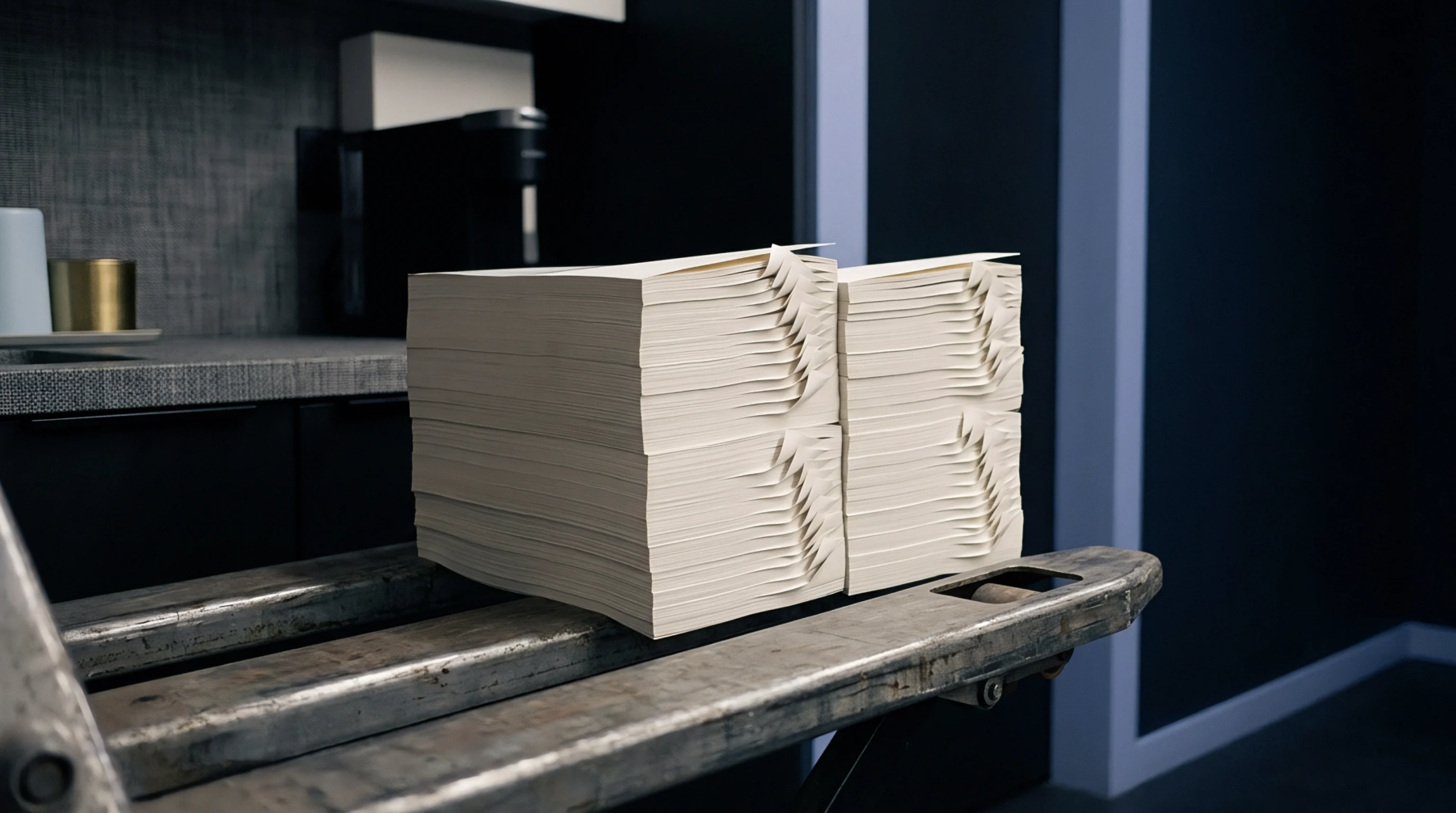
Nonlinear shell formulations integrating hygro-expansion and mechano-sorptive creep predict humidity-driven flute buckling to prevent packaging transit collapse.
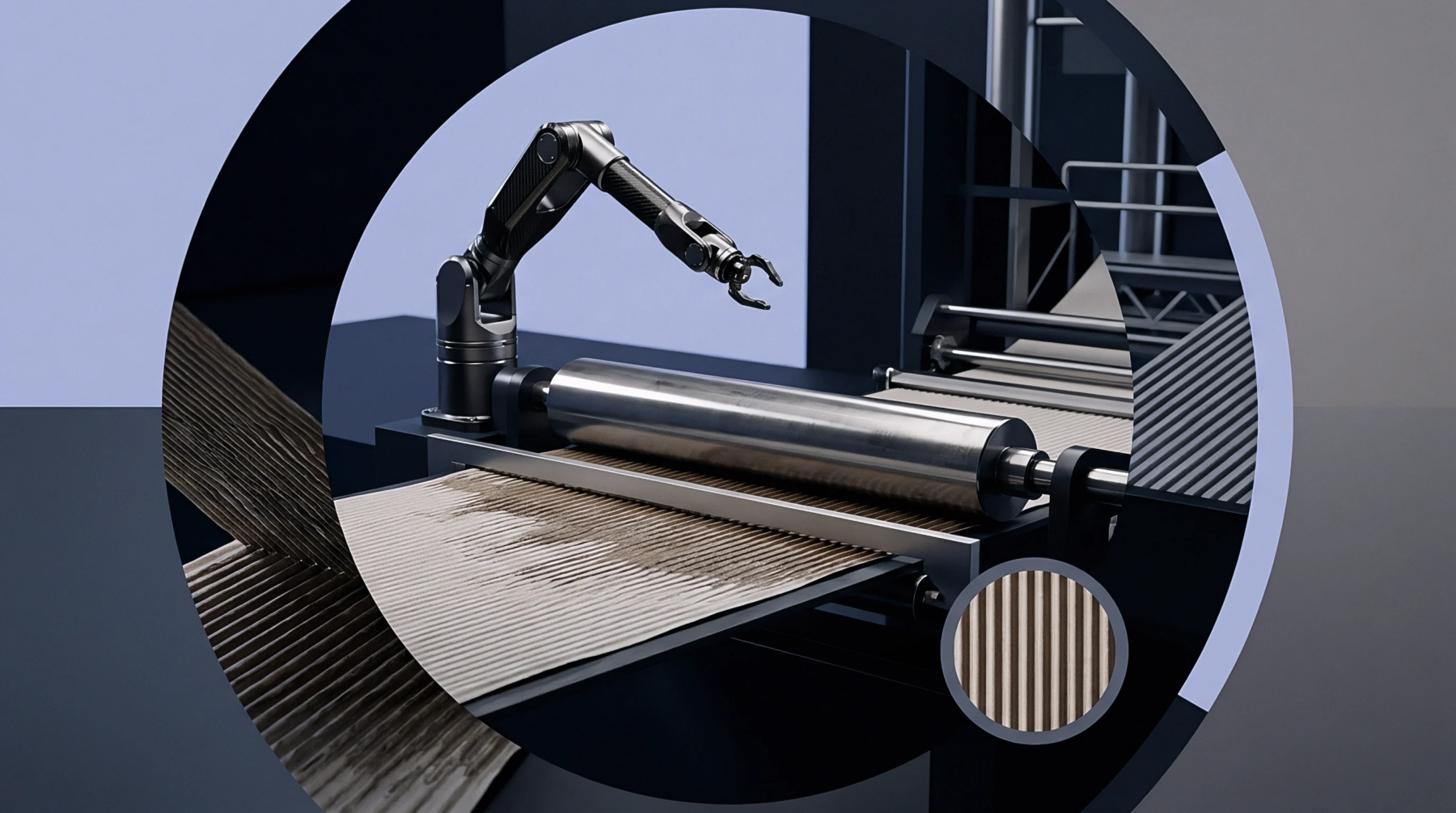
Recycled fluting creep under cyclic humidity causes warehouse pallet collapse unless procurement contracts enforce dynamic hygro-mechanical test thresholds.
Marine container humidity drops paperboard compression by half, requiring virgin kraft furnishes and 4.0 safety factors to prevent column collapse at sea.
Boundary layer condensation drops containerboard compression fifty percent, demanding virgin kraft liners and desiccant capacity sized to total stowage moisture.
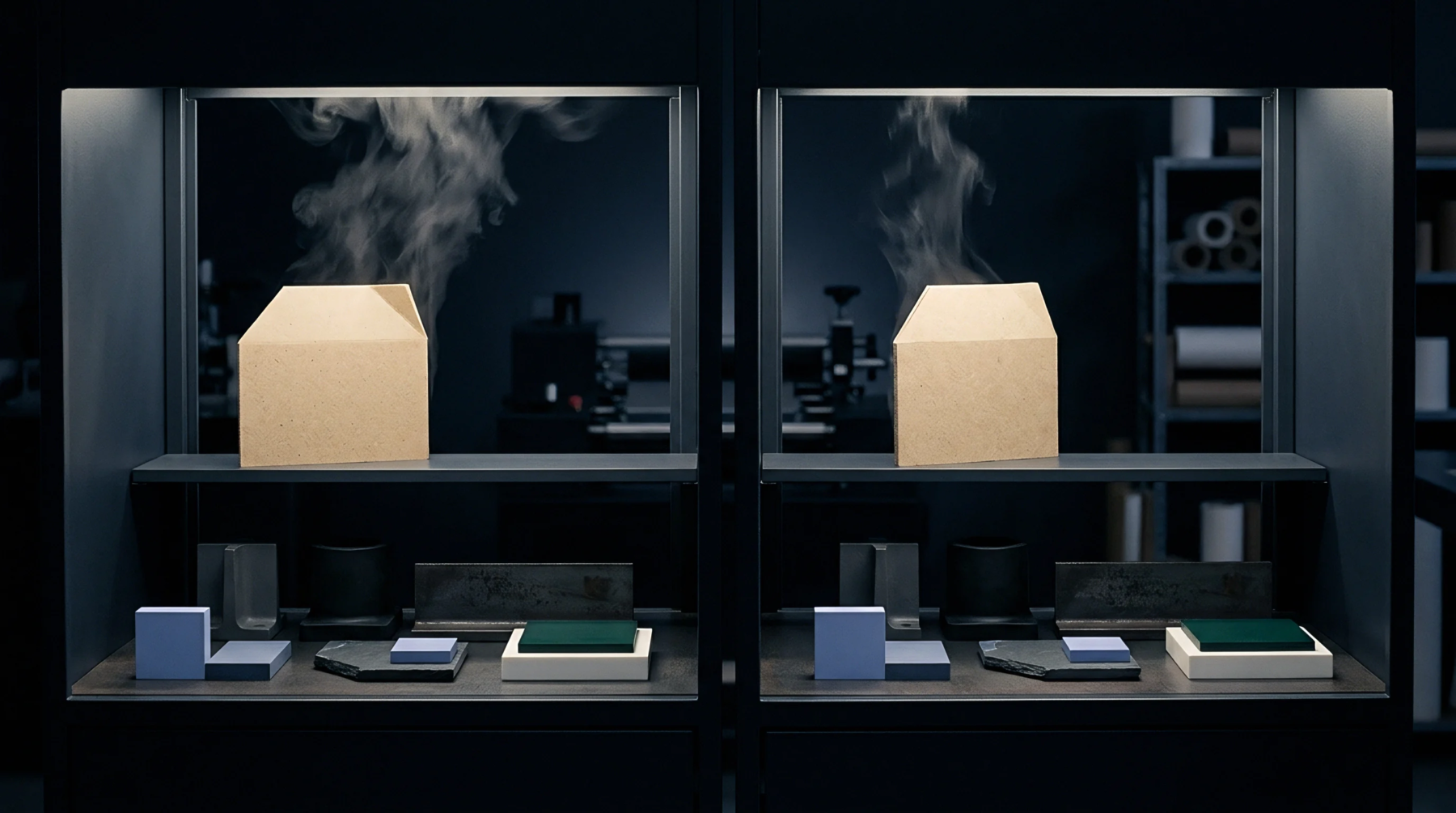
Thermal gradients across stretch-wrapped pallets drive internal vapor to cold perimeters, causing condensation that cuts box strength by over forty percent.
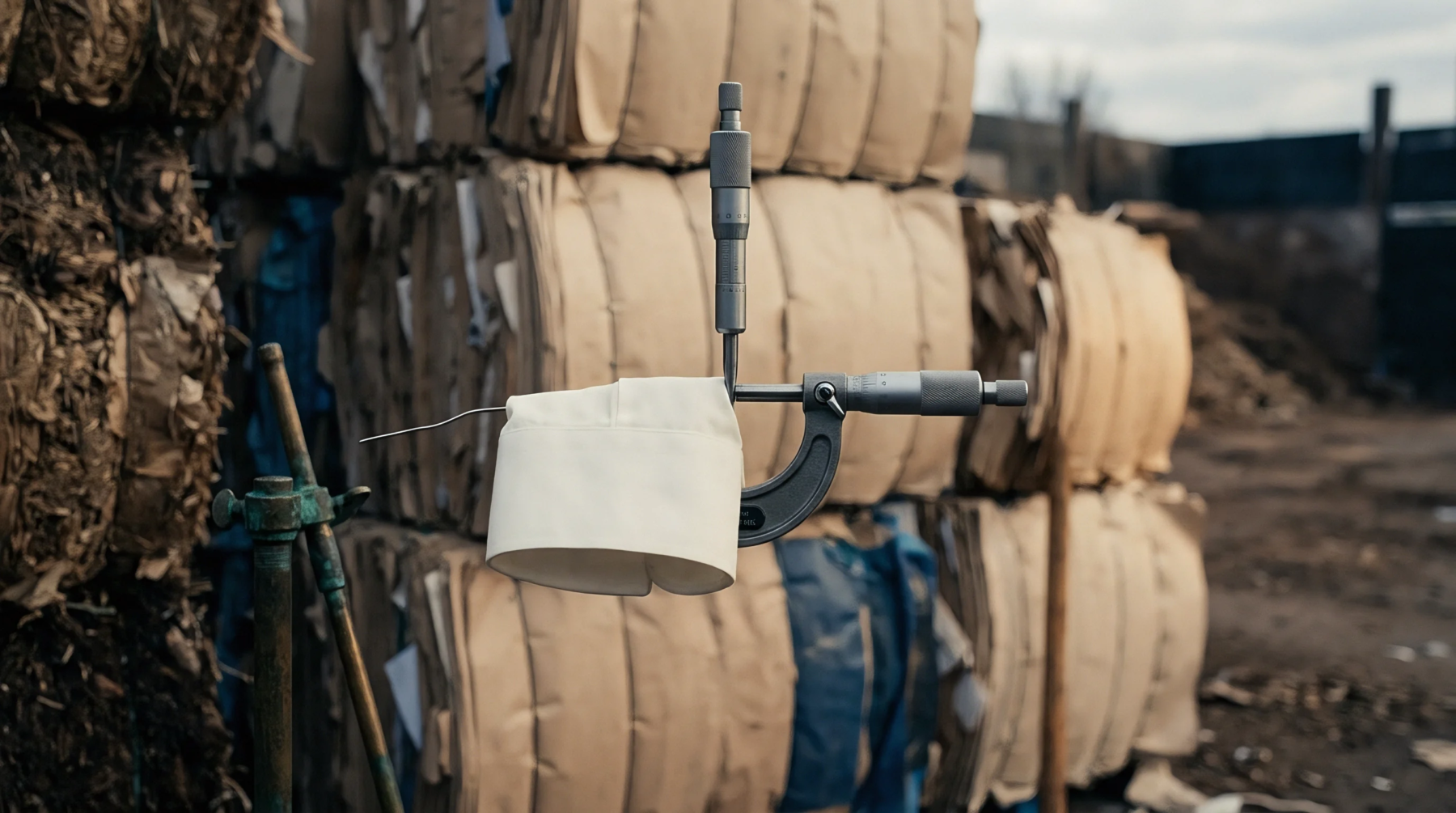
Paperboard expands five to seven times more across the grain than along it, requiring precise humidity control and pass timing to maintain converting register.
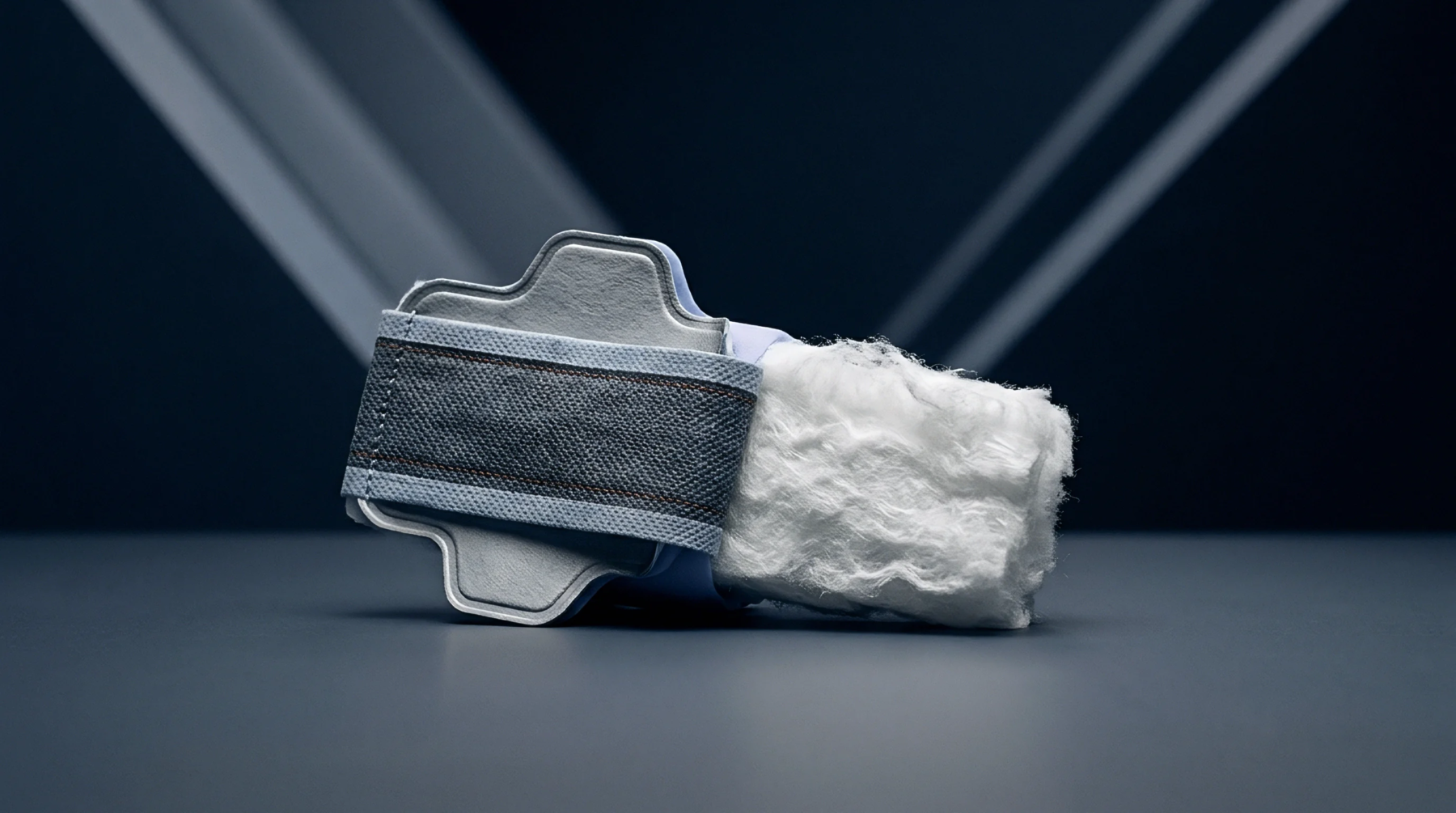
Microfibrillated cellulose moisture sorption degrades barrier performance at high humidity, requiring chemical cross-linking and verified compliance dossiers.
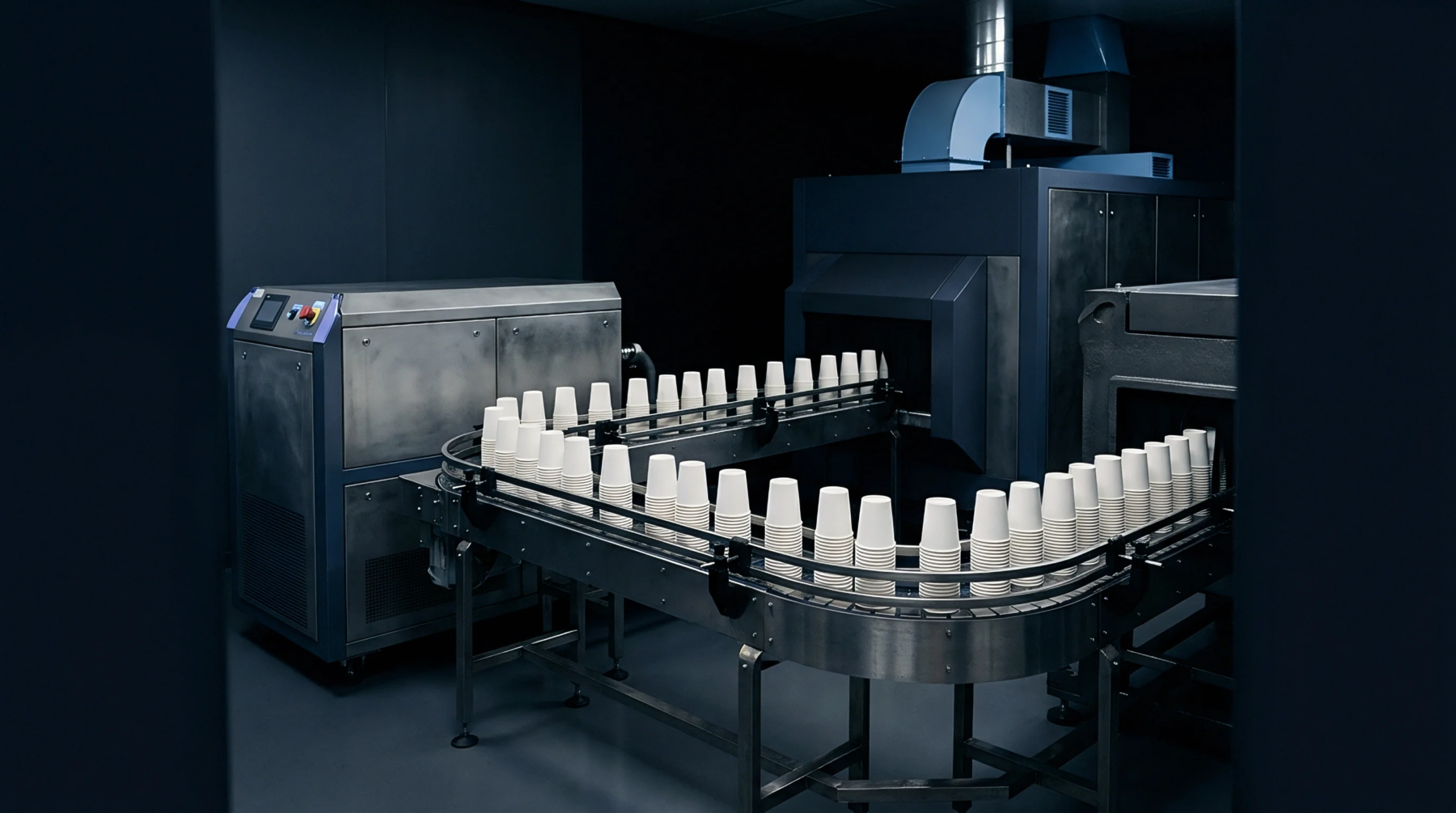
Targeting 5.5 to 6.5 percent board moisture and maintaining 50 percent relative humidity prevents hygroexpansion fan-out, registration drift, and score cracking.
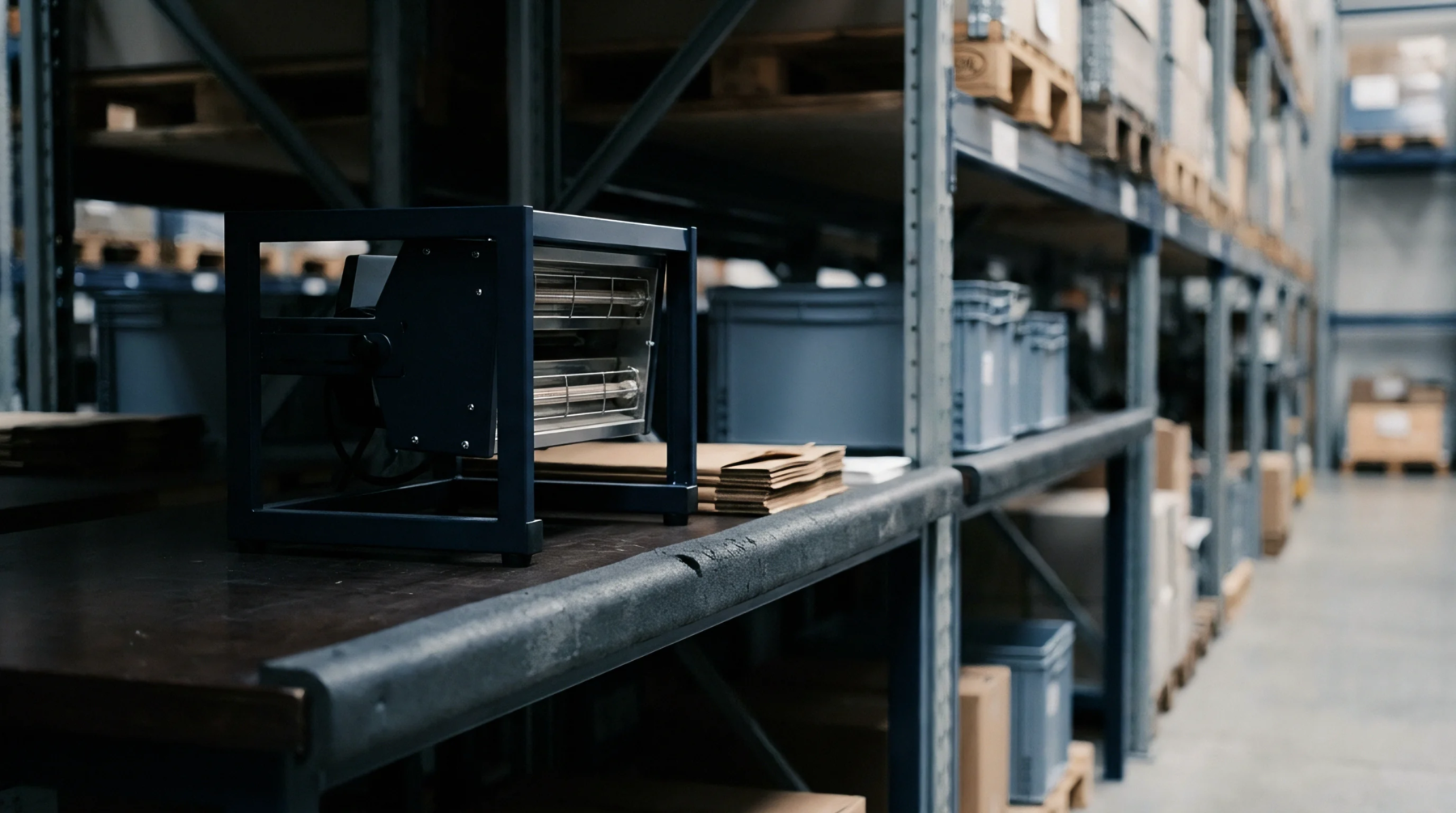
Unheated warehouse storage alters boxboard moisture equilibrium, inducing wavy edges and core bond loss; thermal acclimation before press release prevents spoilage.
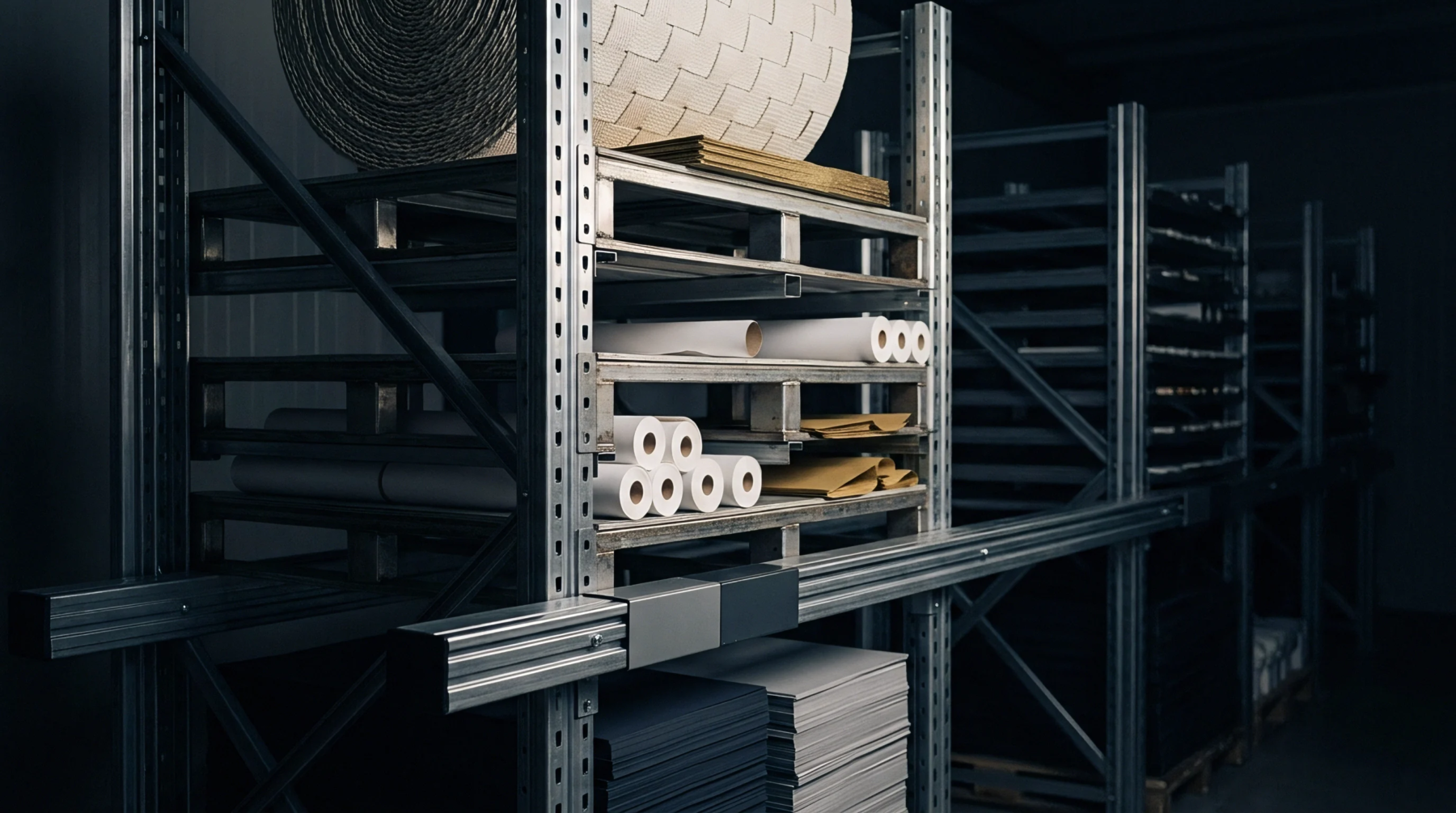
Cold warehouse paperboard equilibrates at rates four times slower than ambient standards, requiring staged thermal reconditioning to prevent moisture edge defects.
Expertise is a utility, not a secret. sentiention™ publishes its working knowledge as open reference: intelligence layer covering the materials it sources, the markets it enters, and the reference that serves both.