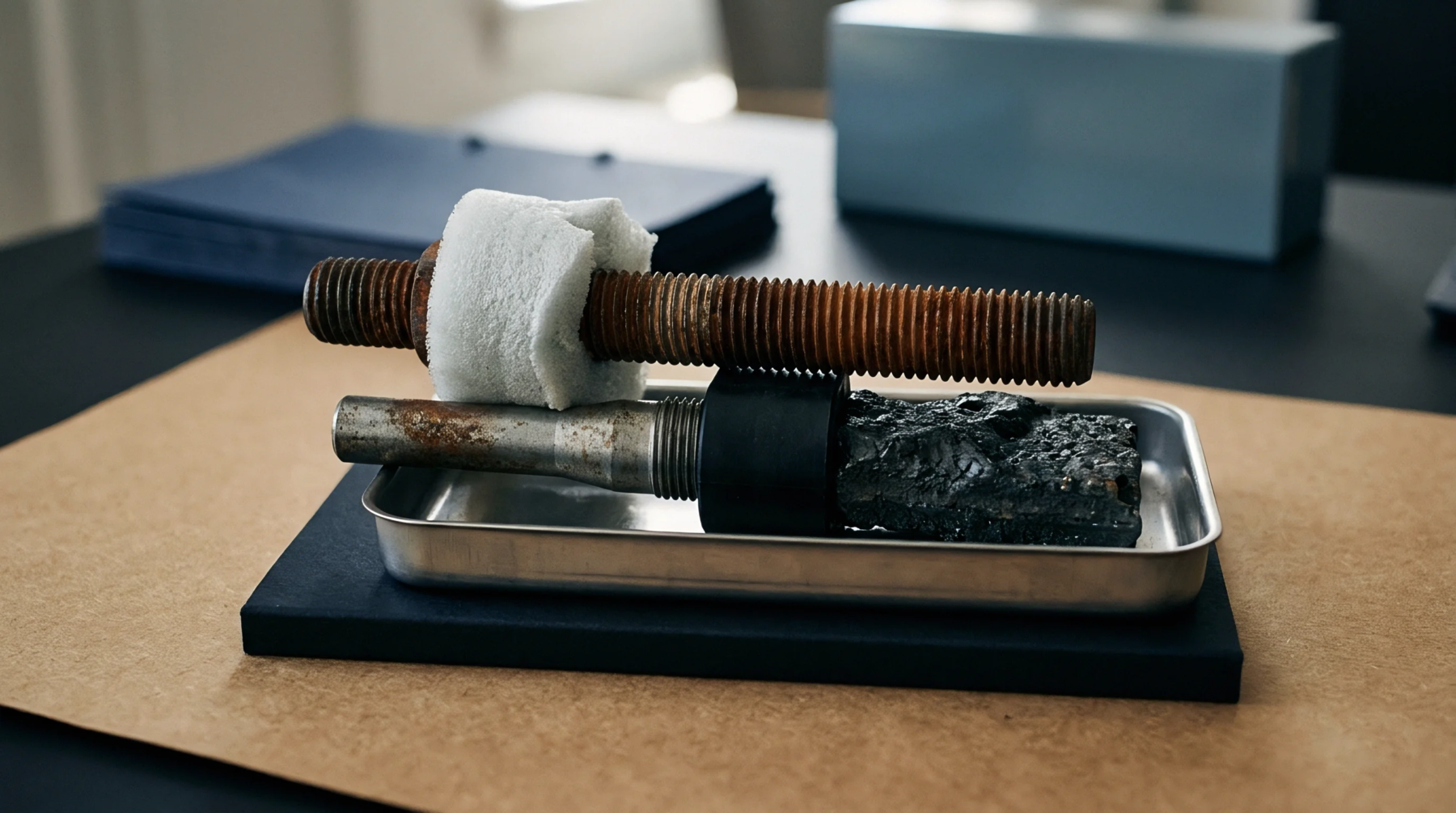
Defibering Defect
Undispersed paper bundles remaining after repulping result from synthetic resin cross-linking that maintains inter-fibre bonds in wet paperboard stock. Presence of wet strength flakes impairs sheet formation and causes surface defects in recycled containerboard manufacturing. High-wet-strength grades such as carrier board and liquid packaging containers resist conventional hydrapulping.
Stock preparation lines must break down these resilient bundles before accepting pulp into machine chest storage.
Repulping Mechanism
Chemical additions of sodium hydroxide or persulfate oxidizers weaken polyamide-epichlorohydrin resins binding the cellulose network. High-temperature repulping at elevated pH accelerates resin hydrolysis, allowing mechanical shear forces to liberate individual fibres. High-density deflakers apply intense fluid shear through narrow rotor-stator gaps to disintegrate remaining wet strength flakes without shortening primary fibres.
Unbroken flakes pass into pressure screens where slotted baskets reject them for re-clearing in secondary repulping loops. Deflaker plate gaps require precise mechanical calibration to maintain throughput while preventing fibre cutting. Converting mills processing heavy wet-strength furnish continuously monitor flake counts using visual handsheet inspection.
Quality Threshold
Tolerances for wet strength flakes in finished paperboard are governed by surface smoothness requirements and printing process limits. Undispersed fibre bundles lead to blade streaks during web coating and cause localized printing voids in gravure packaging print. The condition vanishes when furnish contains exclusively non-wet-treated virgin or recycled fibre stock.