Z-Direction Strength Degradation and Score Line Cracking in Secondary Furnish
Low z-direction strength in hornified secondary furnish causes score cracking unless female matrix channels are widened to 1.8 times board caliper.

Ply
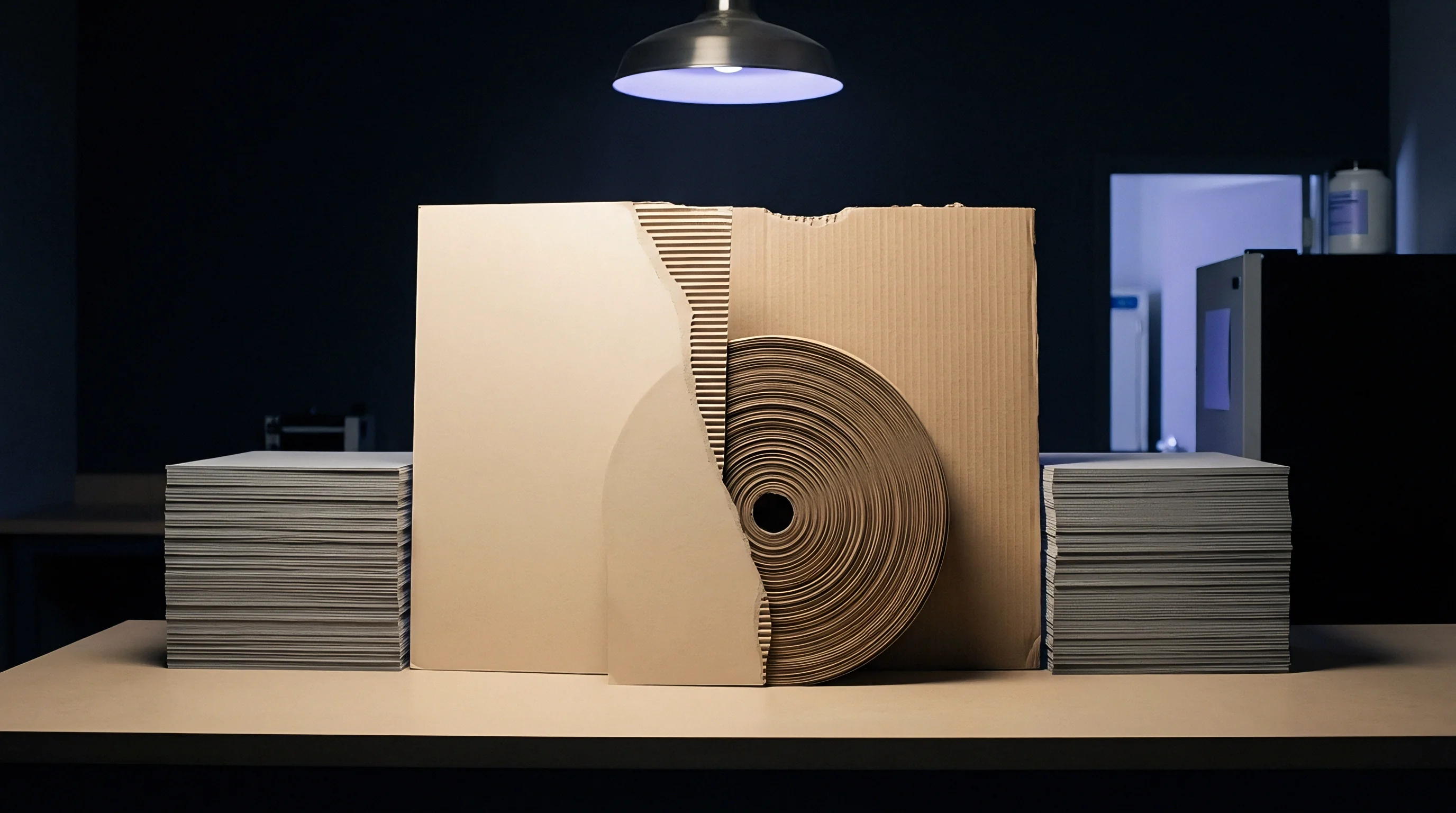
Delamination resistance through the thickness of a paperboard sheet governs its ability to survive ninety-degree and one-hundred-and-eighty-degree folding operations on high-speed folder-gluers. When cartons crack along the outer score line, converting technicians often blame rule sharpness or incorrect counter-die channel dimensions. The failure originates inside the sheet structure.
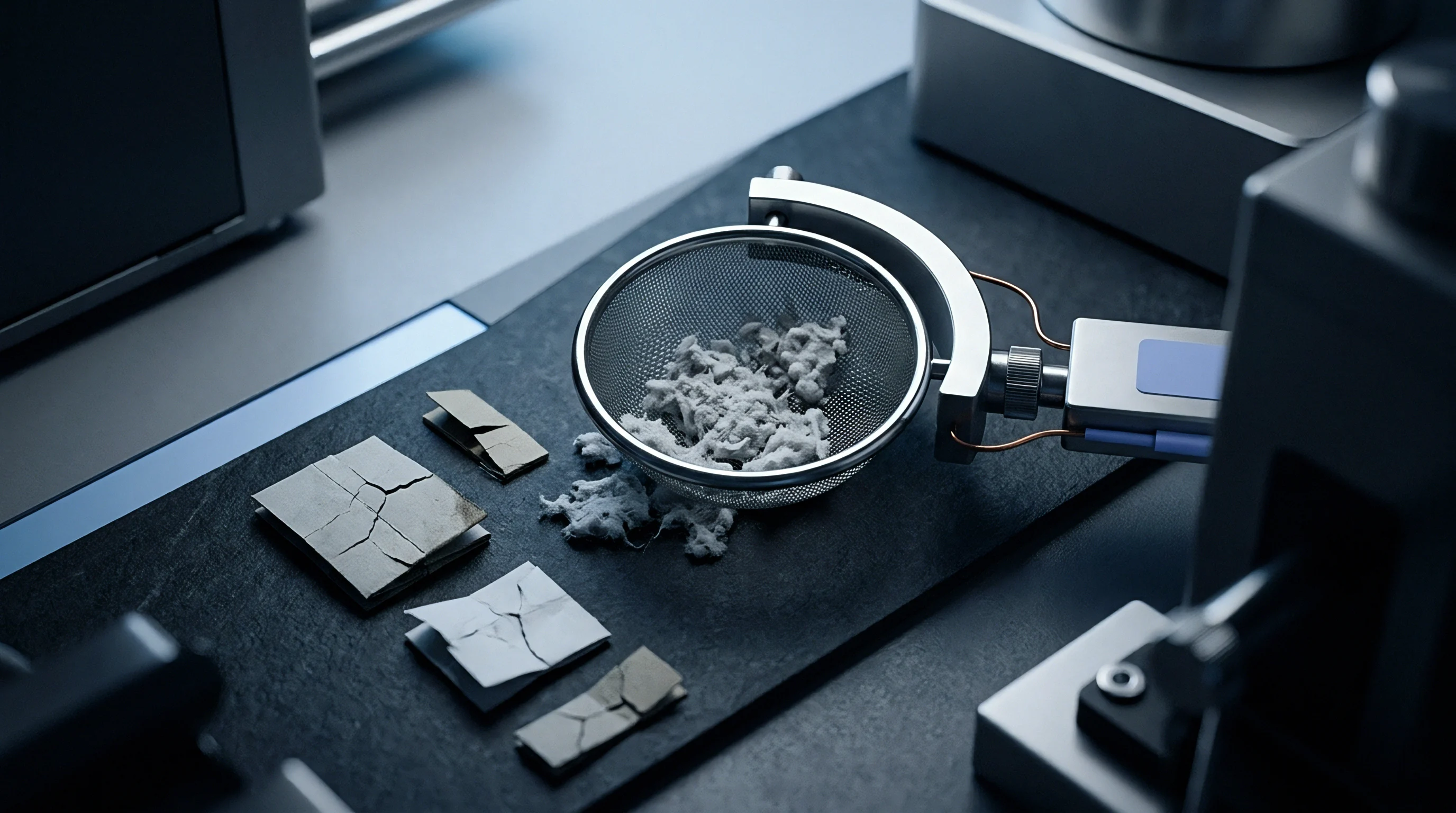
The z-direction tensile strength, measured under TAPPI T 541 or ISO 15754, quantifies the mechanical cohesion between fibre strata. Virgin bleached softwood kraft furnishes deliver z-directional tensile values exceeding 380 kilopascals under standard conditioning of 23 degrees Celsius and 50 percent relative humidity. Secondary furnish pulps, containing high fractions of post-consumer waste and old corrugated containers, frequently yield values below 190 kilopascals.
This structural shortfall dictates whether an indented score line rolls into a controlled internal delamination bulb or fractures through the printable surface liner.

Cohesive Cleavage in Multi-Ply Folding Boxboard
Cross-sectional inspection of a creased folding boxboard reveals three distinct mechanical zones during tool engagement. The male creasing rule drives the board downward into the female counter-channel, subjecting the top liner to transverse tension while the middle layers experience severe shear deformation. In virgin folding boxboard, deliberate micro-delamination within the bulky mechanical or semi-chemical middle ply absorbs this shear displacement.
The sheet separates into several thin sub-plies that slide past each other without shearing the outer bleached liner. In recycled folding boxboards, such as white-lined chipboard or coated duplex board, the recycled core plies exhibit poor internal shear displacement.
The repeated repulping cycles strip secondary fibres of hemicellulose, reducing the contact area available for hydrogen bonding. Rather than separating cleanly into nested layers along the neutral axis, the brittle secondary core shears catastrophically. The outer liner then bears the full tensile strain of the folding action.
When that local strain exceeds the ultimate tensile elongation of the liner, which rarely tops 1.8 percent in secondary sheets, the printed face tears open along the crease line. Secondary furnish increases liner micro-cracking. The crack exposes grey recycled fibres beneath, destroying print aesthetics and weakening top-to-bottom carton compression resistance.
Secondary furnish conditioned at 23 degrees Celsius and 50 percent relative humidity displays a 42 percent reduction in z-directional tensile strength compared to virgin chemical softwood kraft.
Surface coatings compound this mechanical vulnerability. Starch-bound pigment layers create a stiff outer skin that cannot accommodate the elongation demands of a blunt fold when the underlying substrate fails to distribute stress. The fracture manifests as a ragged split along the apex of the crease bead, running parallel to the machine direction where cross-direction extensibility is already minimal.

Measurement of Internal Bond by Dynamic Delamination
Standard quality declarations from recycled board mills cite Scott internal bond values, governed by TAPPI T 569 or ISO 16260, as proof of structural integrity. Scott bond measures internal delamination resistance. The test swings an inverted pendulum against an angle bracket adhered to the sheet with double-sided tape, capturing dynamic cleavage energy in joules per square metre.
Virgin solid bleached sulphate boards register dynamic cleavage numbers between 250 and 340 joules per square metre. Secondary furnish boards routinely post figures between 110 and 160 joules per square metre.
- Uncoated recycled testliner exhibits rapid delamination along the wire-side boundary under dynamic pendulum impact, failing along weak interface fines rather than within fibre cell walls.
- Coated duplex board concentrates failure inside the mechanical groundwood or mixed waste filler plies, leaving the bleached chemical top liner detached from the core.
- Multi-ply solid kraft board sustains higher dynamic delamination energy through long softwood fibril entanglement that arrests crack propagation across adjacent plies.
- Recycled chipboard fractures abruptly along localized pockets of mineral filler and unrefined starch, yielding erratic cleavage readings across single tambour widths.
Static z-directional tensile methods like ISO 15754 reveal true cohesive tensile thresholds by pulling plies apart perpendicular to the sheet plane at controlled crosshead speeds. A mill certificate showing an acceptable Scott bond value can conceal inadequate static z-direction resistance if high concentrations of wet-end starches create surface cohesion while leaving internal plies under-bonded. Sourcing contracts relying exclusively on pendulum metrics leave converters exposed to unannounced furnish changes.
Mill technical service representatives routinely attribute score line splits to ambient converting floor dryness or worn matrix channels rather than acknowledging degradation in furnish cohesion.

Hornification
Chemical pulp fibres undergo irreversible supramolecular restructuring during industrial drying cylinders and converting cycles. Water removal brings adjacent cell-wall microfibrils into intimate contact, establishing irreversible lactone bridges and tight hydrogen bond lattices within amorphous cellulose domains. This phenomenon, known to pulp scientists as hornification, permanently prevents re-swelling during subsequent repulping operations.
Water retention value testing under ISO 23714 tracks this decline: virgin unbleached softwood kraft pulps achieve water retention values between 1.60 and 1.95 grams of water per gram of dry pulp. Post-consumer secondary fibres reclaimed from mixed commercial streams rarely exceed 1.05 grams per gram.
Fibre hornification reduces swollen specific volume.
Loss of cell wall swelling reduces fibre flexibility. Stiff, hornified fibres cannot flatten against one another during wet pressing on the paper machine wire. The available relative bonded area decreases, cutting inter-fibre bond density throughout the three-dimensional sheet matrix.
Fibre hornification reduces swollen specific volume. This deficit manifests directly as suppressed out-of-plane shear modulus and reduced peel resistance.
Does Web Moisture Regulate Internal Shear Delamination?
Equilibrium moisture content within a secondary furnish web directly determines fibre plasticization and inter-fibre bond slippage under creasing tools. At standard laboratory conditioning of 50 percent relative humidity, a typical folding boxboard holds approximately 6.5 to 7.2 percent moisture by weight. In dry seasonal periods or heated converting facilities lacking active humidification, board moisture drifts below 4.5 percent.
Under these conditions, hydrogen-bonded junctions between hornified fibres turn brittle. Low relative humidity accelerates carton delamination. The sheet loses the viscoelastic compliance required to absorb creasing rule penetration.
| Furnish Grade and History | Grammage (g/m², ISO 536) | Caliper (µm, ISO 534) | Scott Bond (J/m², TAPPI T 569) | Z-Direction Tensile (kPa, ISO 15754) | Water Retention Value (g/g, ISO 23714) |
|---|---|---|---|---|---|
| Virgin Solid Bleached Sulphate | 300 ± 4 | 410 ± 8 | 315 ± 15 | 410 ± 20 | 1.82 ± 0.05 |
| Recycled Folding Boxboard (Pass 1) | 300 ± 5 | 445 ± 10 | 210 ± 12 | 285 ± 18 | 1.44 ± 0.04 |
| Recycled White-Lined Chipboard (Pass 3) | 300 ± 6 | 460 ± 12 | 145 ± 10 | 180 ± 15 | 1.12 ± 0.03 |
| Secondary Mixed Waste Board (Pass 5+) | 300 ± 8 | 475 ± 15 | 105 ± 9 | 125 ± 12 | 0.94 ± 0.04 |
Dry board fractures along the bead. When moisture levels drop below 5.0 percent, secondary furnish boards show a sharp spike in score cracking frequency, particularly when creases run parallel to the machine direction. Cross-direction extensibility drops to 1.1 percent or lower.
In-line humidification systems and conditioning curtains on die-cutting platens help mitigate this vulnerability, yet adding surface water cannot fully compensate for irreversible microfibril fusion within internal plies.

Secondary Furnish Fines and Pore Collapse
Mechanical refining of recycled stock generates high proportions of secondary fines, consisting of broken cell wall fragments, inorganic fillers, and peeled fibrils. These fines increase drainage resistance on the fourdrinier table without contributing structural length. Virgin softwood provides essential z-directional compliance.
Secondary furnish pulp slurries exhibit high Schopper-Riegler numbers, often exceeding 45 SR, while maintaining poor out-of-plane cohesive strength. Mineral pigments such as calcium carbonate and kaolin clay, re-introduced through post-consumer coated scrap, deposit between residual fibres, physically interfering with direct cellulose-to-cellulose contact.
Pulp drying collapses secondary cell lumens. The flattened, hollow tubes fail to recover their original cylindrical geometry when rehydrated. The resulting board contains higher bulk density but compromised shear elasticity.
When the board encounters folding tooling, internal plies undergo brittle micro-buckling rather than plastic shear deformation. The sheet cannot accommodate progressive radius shrinkage along the inner corner of the fold, forcing all tension into the outer ply and initiating score fractures.
Virgin chemical softwood maintains crease flexibility through dry winters while hornified secondary furnish splits as soon as indoor humidity drops below target thresholds.

Anvil
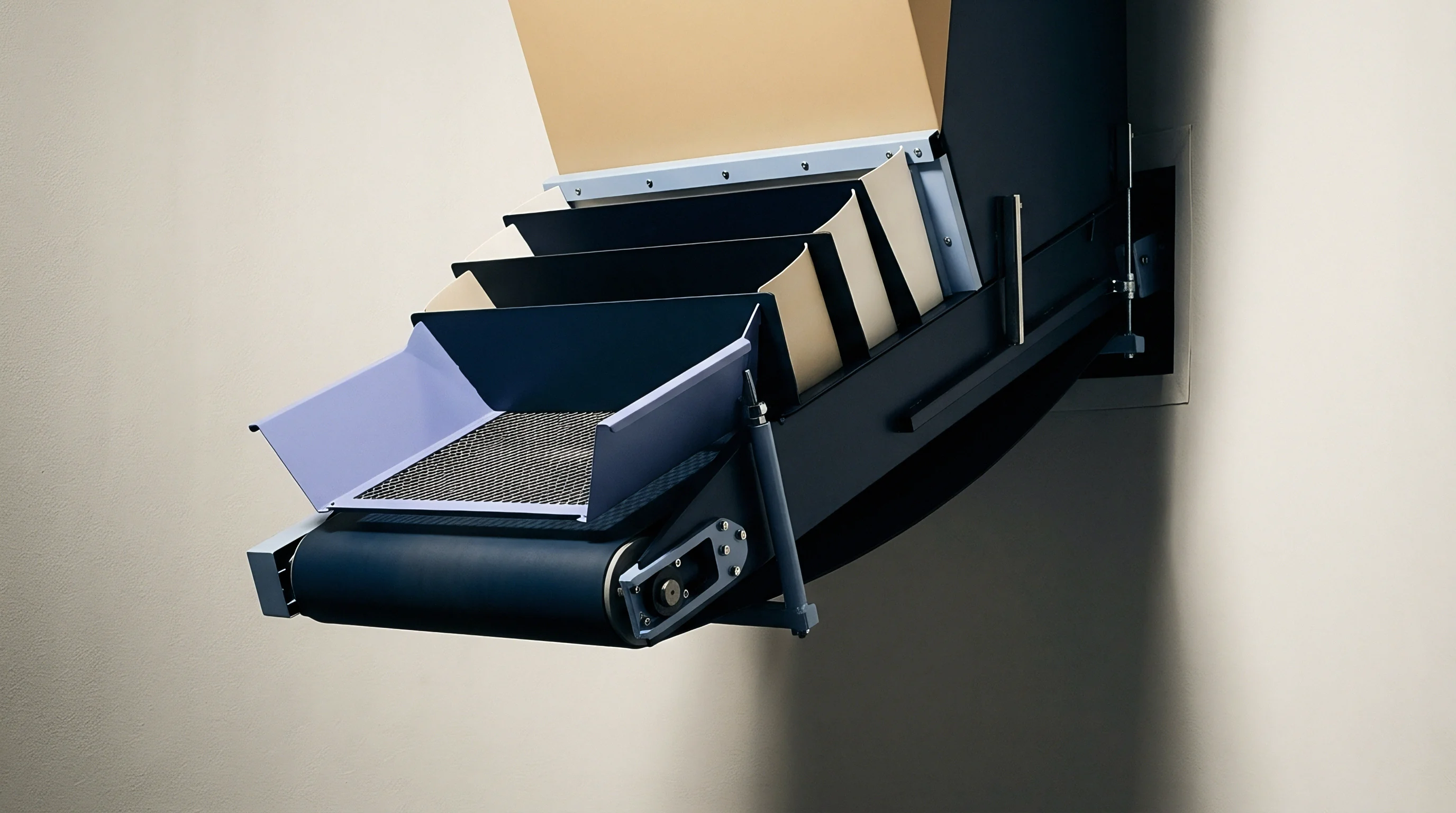
Creasing rule profiles and counter-die channels determine the stress distribution delivered into the paperboard plies during die cutting. In flatbed die-cutting platens, a steel creasing rule strikes the board against a channel routed into a steel, pertinax, or phenolic counter-die counterplate. Platen pressure forces paperboard into dies.
The female channel width and depth must match both sheet caliper and furnish ductility. Standard formulas designed for virgin bleached sulphate board specify a channel width equal to 1.5 times the board caliper plus the rule thickness. For secondary furnish, this calculation fails.
Platen die tooling designed for virgin solid bleached sulphate ruptures recycled board plies by over-compressing the brittle core.
Hornified fibres inside recycled chipboard lack the lateral shear compliance required to depress cleanly into narrow female matrix channels. Unbleached kraft pulp tolerates female anvil shear. Secondary furnish resists channel entry, causing excessive transverse shear stress beneath the creasing edge.
The steel rule acts as a wedge, cutting into the top liner before the bottom liner seats against the base of the counter-channel. Tooling adjustments for recycled substrates call for wider channel clearances to reduce shear concentrations during dynamic impression cycles.

Female Channel Geometry and Penetration Depth
Channel depth in phenolic counter-plates directly controls the extent of permanent vertical deformation established in the board. If the depth is cut too shallow, the male rule bottoms out against the die channel floor, crushing the board core into a dense, embrittled plane that fractures during subsequent folding. If the channel is cut too deep, the board fails to delaminate internally, producing an ill-defined crease bead with low hinge flexibility and high folding resistance.
- Make-ready thickness verification begins with measuring carbon-impression paper across the platen bed to detect uneven impression forces across cutting and creasing rules.
- Counter-plate channel clearing removes accumulated board dust and paper fibres that restrict the effective depth of the channel during continuous high-speed runs.
- Creasing rule profile selection prioritizes round-edge or trapezoidal profiles over sharp radiused edges to distribute mechanical penetration forces over wider surface areas.
- Penetration stop setting establishes mechanical stops on the cutting platen to limit vertical rule travel to eighty percent of compressed board thickness.
- Dynamic folding inspection samples completed cartons directly from the stripping station to confirm internal ply separation without visible liner tearing.
Converting lines running secondary furnish require rigorous setup standards. Recycled newsprint adds fragile short fractions. The absence of long, flexible softwood fibres means that minor depth errors of 0.03 millimetres produce immediate liner splitting on folder-gluers running above 30,000 cartons per hour.

Liner Rupture during High-Speed Folding Sequences
Modern packaging lines impose high strain rates on carton creases. High-speed folding belts slam carton blanks along score lines in milliseconds. Under high strain rates, viscoelastic polymers like moist cellulose exhibit elevated stiffness and lower ultimate elongation.
Creasing rules compress top liner fibres. A score line with micro-cracks from the die platen ruptures completely under dynamic folding hooks on the gluer line. The carton emerges with broken corners, exposed grey board filler, and flaking mineral coatings that contaminate vacuum transport suction cups.
Score cracking on secondary furnish cartons ruins brand aesthetics and compromises structural stackability. Carton compression tests conducted under TAPPI T 804 demonstrate that cartons with ruptured scores lose up to twenty-eight percent of their top-to-bottom compression capacity. The cracked corner hinge cannot maintain perpendicular sidewall alignment, causing early sidewall buckling under warehouse pallet stacking loads.
Mismatched counter-die channel geometry on secondary furnish runs causes liner splits that shut down downstream packaging equipment, generating tens of thousands of rejected folding cartons within minutes.
Allowance
Compensating for low z-direction strength in secondary furnish demands precise dimensional adjustments in counter-die tooling. Converting engineers must expand the traditional envelope of tooling clearances to account for poor internal ply shear and low liner elongation. Modifying the female matrix channel width gives the board core physical space to form a rounded hinge bead without shearing the outer coated layer.
The revised channel width calculation for secondary furnish boards replaces the standard 1.5 factor with a dynamic factor between 1.7 and 1.9, depending on the certified Scott bond rating of the delivered material.

What Channel Depth Governs Caliper Crease Formation?
Determining channel depth depends on compressed caliper behavior under high load. Secondary furnish boards compact unevenly due to variable density profiles and high filler loading. High ash contents depress internal cohesive peel.
Setting the channel depth exactly equal to the uncompressed board caliper yields an under-creased blank with erratic folding resistance. Setting the channel depth too deep strains the liner over female shoulder edges, initiating tensile tear lines along the bead boundary.
| Board Caliper (µm, ISO 534) | Furnish Composition | Creasing Rule Width (pt / mm) | Channel Width (mm) | Channel Depth (mm) | Folding Angle Limit (Degrees) |
|---|---|---|---|---|---|
| 350 ± 8 | 80% Recycled Waste Liner | 2 pt / 0.71 mm | 1.35 ± 0.02 | 0.35 ± 0.01 | 180 (Clean) |
| 450 ± 10 | White-Lined Chipboard | 2 pt / 0.71 mm | 1.55 ± 0.02 | 0.45 ± 0.01 | 180 (Minor Craze) |
| 550 ± 12 | Coated Recycled Duplex | 3 pt / 1.05 mm | 2.05 ± 0.03 | 0.55 ± 0.01 | 90 (Clean) |
| 650 ± 15 | Uncoated Heavy Chipboard | 3 pt / 1.05 mm | 2.25 ± 0.03 | 0.65 ± 0.02 | 90 (Clean) |
These tooling dimensions permit the brittle secondary board core to deflect cleanly into the channel without exceeding outer liner tensile capacity. Cross-direction tear drops sixteen percent. Wider female channels reduce outer liner strain, preventing micro-cracking across pigment coatings and preserving visual barrier integrity.
Converting Adjustments for Low Scott Bond Stock
When incoming pallets register Scott bond values below 130 joules per square metre, converting managers apply immediate operational concessions to preserve runnability. Operating folder-gluers at reduced linear belt speeds allows viscoelastic relaxation in creasing beads, minimizing dynamic peak stresses at fold plows. Applying heated creasing rules running between 55 and 70 degrees Celsius temporarily plasticizes lignin and residual synthetic starches inside secondary fibres, aiding bead formation without fracturing outer plies.
Procurement specifications must establish absolute z-directional tensile thresholds to exclude brittle recycled lots before converting make-ready begins.
Quality assurance personnel at goods-in must run systematic acceptance checks before releasing delivered pallets to press rooms:
- Equilibrium moisture verification checks internal stack moisture with a sword hygrometer, rejecting pallets reading below forty-five percent relative humidity.
- Caliper consistency auditing screens ten sheets per skid to measure thickness variation across cross-direction web profiles against mill specification tolerances.
- Dynamic ply bond sampling measures pendulum impact energy across machine and cross directions, checking compliance against contract Scott bond floors.
- Pre-fold bench verification creases test strips using laboratory punch presses, checking for surface craze lines under a thirty-power optical microscope.
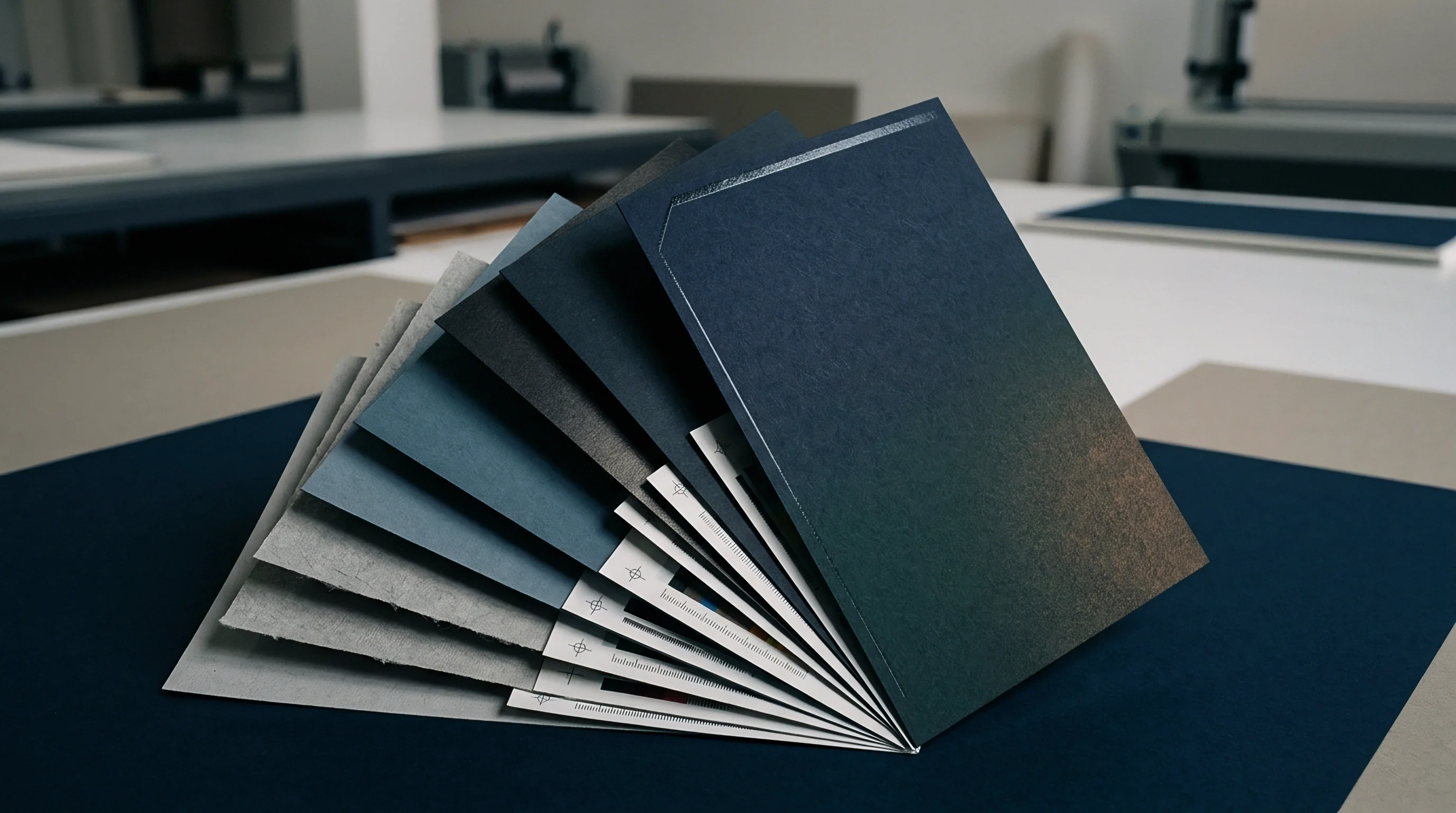
Pallets failing these qualification checks face quarantine. Primary fibres retain transverse conformability. When suppliers deliver hornified, under-bonded secondary furnish lots, no amount of machine adjustment can eliminate score cracking on high-speed lines.
Purchase contracts specifying DIN 55437 score line quality standards require the mill to compensate all converter downtime and tooling rework when delivered board displays z-directional tensile strength below 200 kilopascals.

Margin
Decisions between virgin bleached boards and secondary furnish substrates rest on cost per thousand finished cartons landed at the distribution hub. Mill invoices quote prices per metric tonne, masking the economic impact of density, yield, waste, and converting spoilage. Recycled white-lined chipboard frequently sells at a twenty to thirty percent discount per tonne compared to virgin solid bleached sulphate.
Recycled boards carry higher density and lower bulk, delivering fewer square metres of convertible substrate per purchased tonne. When converted into finished blanks, higher spoilage rates from score cracking can eliminate the initial raw material cost advantage.

Waste Calculations across Recycled Folding Runs
Consider an operational production scenario involving 500,000 cosmetic outer cartons. The blank measures 210 millimetres by 297 millimetres, yielding eight cartons per parent sheet on an autoplaten die-cutter. The job requires 62,500 net parent sheets, representing 7.80 metric tonnes of 350 gram per square metre virgin solid bleached sulphate board priced at 1,450 dollars per tonne landed.
The substrate cost totals 11,310 dollars. Production scrap for virgin board averages 2.5 percent across die cutting and folder-gluing, adding 283 dollars in material loss and requiring 1,563 extra sheets.
Substituting a 350 gram per square metre recycled white-lined chipboard priced at 1,080 dollars per tonne yields an apparent raw material expenditure of 8,424 dollars for 7.80 tonnes. Because secondary furnish exhibits hornified fibres and low z-direction cohesion, converting lines experience elevated score cracking during high-speed folding. Line speed drops by twenty percent to mitigate corner splitting, increasing machine-hour running costs.
Die-cutting make-ready scrap climbs to 7.0 percent, and folder-gluer waste spikes to 5.5 percent due to broken carton hinges, totaling 12.5 percent spoilage. The net material requirement rises to 8.78 tonnes, elevating substrate spend to 9,482 dollars. Additional press downtime and sorting labor add 1,200 dollars in conversion costs, narrowing the final landed carton cost difference to negligible margins while introducing customer rejection risks.
Tonnage Penalties under High Defect Rates
Secondary furnish defects introduce downstream commercial liabilities that rarely appear on initial purchase orders. If a lot with defective score lines passes undetected through converting and reaches an automated pharmaceutical or food cartoning line, carton jams trigger packaging line stoppages. Contract packaging penalties for line downtime range from 1,500 to 5,000 dollars per hour under modern service level agreements.
Starch application restores lost inter-ply peel. Sourcing engineers who purchase secondary furnish solely on paperboard tonnage prices absorb all financial liability for resulting line stoppages.
Converters managing secondary furnish must establish rigorous commercial protections against unannounced furnish downgrades. Grade substitution occurs when mills blend higher fractions of unsorted mixed paper into cores to reduce pulp production costs, severely lowering z-direction strength. Without rigorous testing covenants tied to lot rejection protocols, buyers absorb the financial losses caused by structural ply failures.
Whether secondary furnish mills can develop chemical refortification treatments that permanently prevent score cracking without raising board production costs to match virgin fiber grades remains an open technical challenge for the packaging supply chain.