Establishing Boundary Conditions for Deinking Sludge Allocation in Secondary Fiber Mass Balance Verification
Establishing explicit physical boundary conditions for deinking sludge prevents unverified mineral loss from inflating certified secondary fiber credit ledgers.

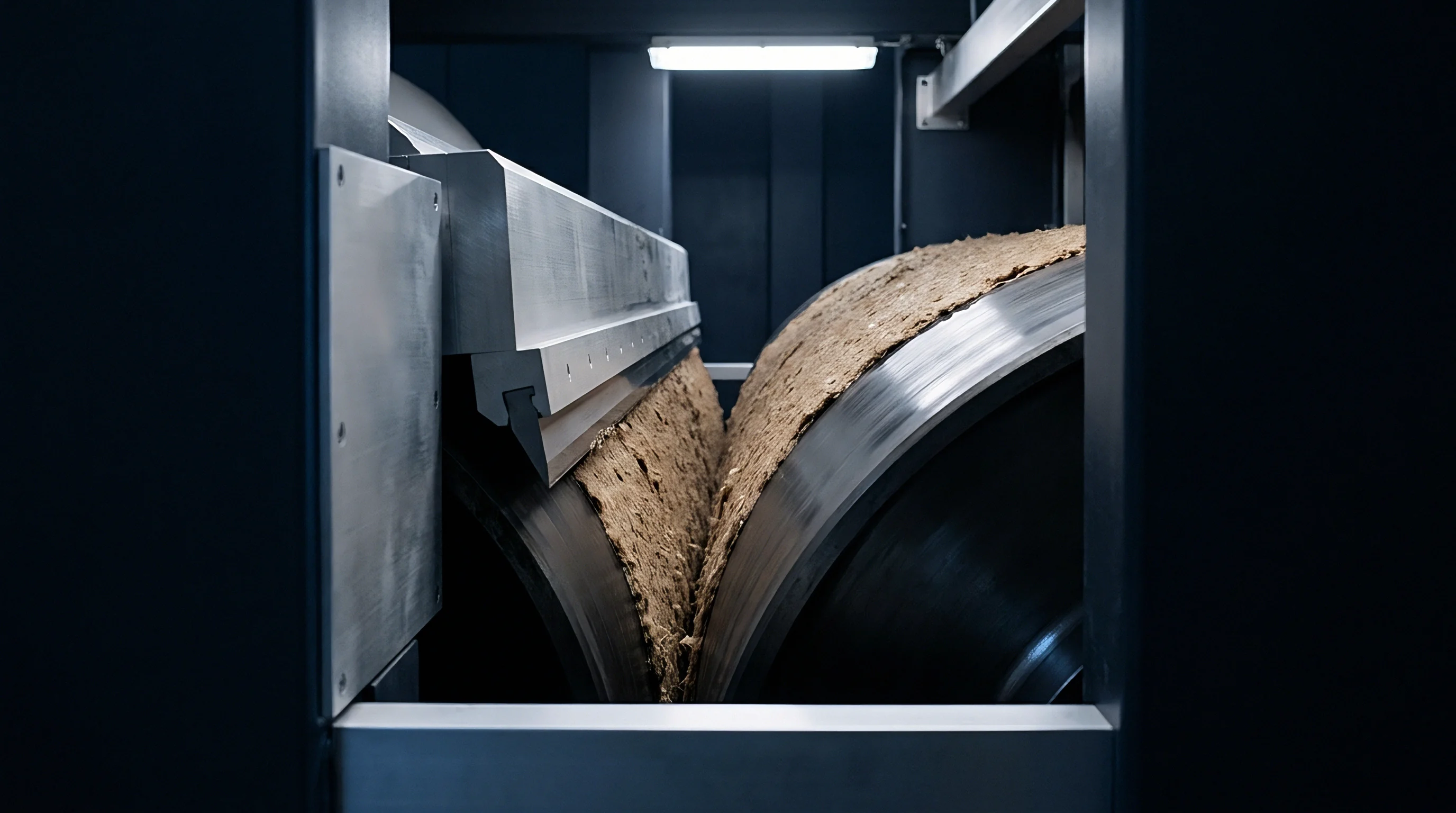
Boundary
Mass balance verification in secondary fiber mills requires an explicit perimeter around the pulping and deinking loop. When recovered paper enters the hydrapulper, the raw tonnage recorded at the weighbridge includes non-cellulosic contaminants, moisture variations, inorganic coatings, and fillers. Deinking processes systematically split this incoming stream into usable secondary pulp and a concentrated residue stream known as deinking sludge.
If the verification perimeter stops at the mill gate rather than the post-deinking decker, non-fiber solids and rejected sludge are erroneously accounted for as recycled fiber yield, inflating the legal recycled content percentage assigned to outgoing rolls.
Establishing the physical system boundary determines whether deinking sludge is classified as a raw material shrinkage loss or an uncredited process residue. Certification schemes such as FSC-STD-40-004 and PEFC ST 2002 mandate that mass balance ledgers accurately reflect net usable fiber yield. When deinking mills apply generic yield factors without isolating the wet weight and dry-solids content of sludge press cakes, audit discrepancies arise during annual credit roll-forward assessments.
Determining system perimeters at the post-wash decker prevents unverified sludge filler from entering secondary fiber yield calculations.
Uncertainty regarding raw material classification creates exposure during regulatory audits under the European Packaging and Packaging Waste Regulation. Defining the verification line prior to deinking units attributes flotation losses to incoming scrap quality, whereas establishing the boundary after secondary clarification ties sludge volume directly to active pulp conversion yield. Misaligning these physical boundaries with ledger entries leads directly to claim rejections, invoice adjustments, and potential customs audits when declared recycled percentages exceed physical mass throughputs.
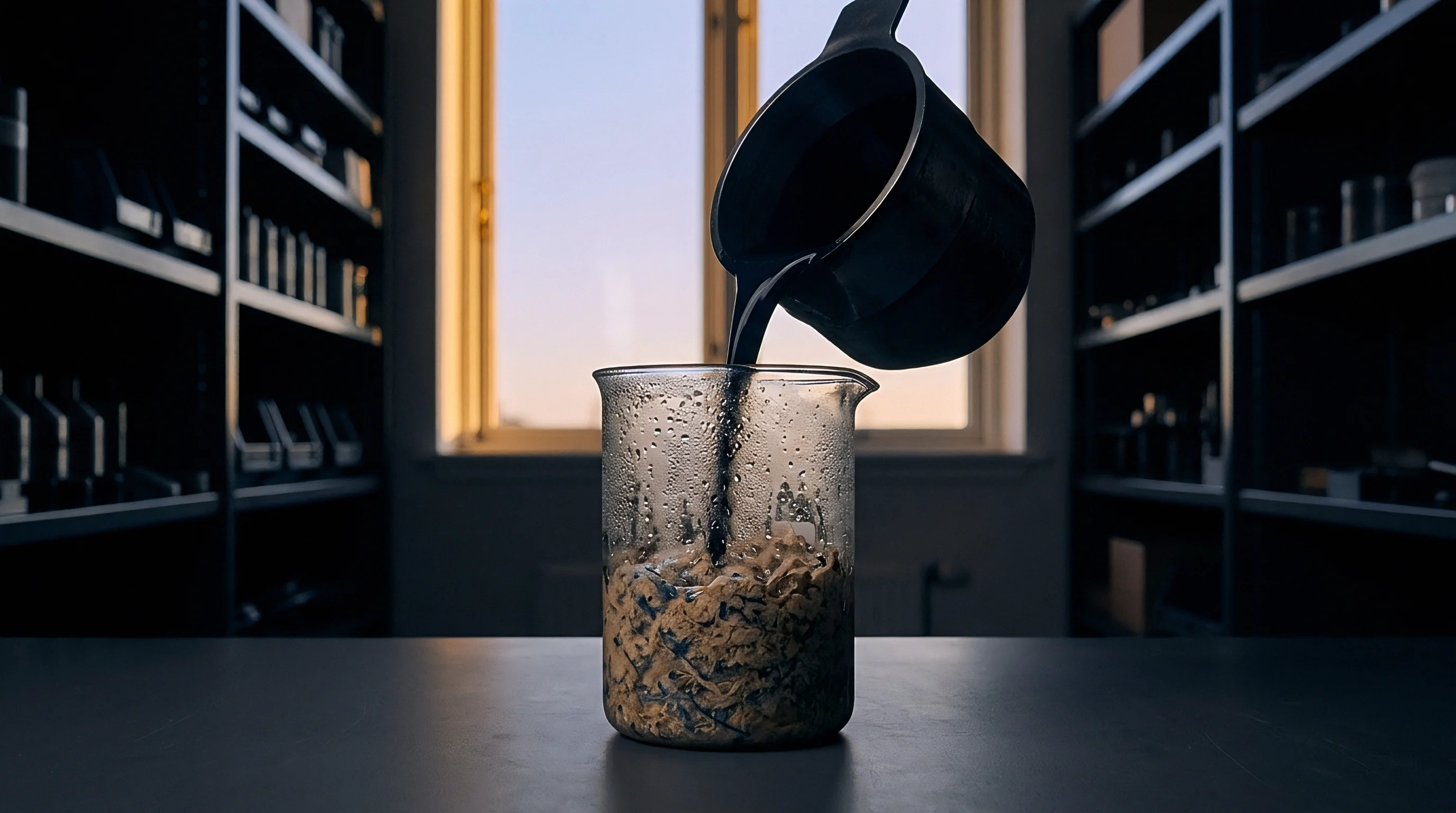
Cake
Deinking sludge exiting press dewatering systems consists of solids suspended in process water, characterized by high ash fractions and variable organic compositions. Analytical laboratory testing separates this material into insoluble inorganic fillers, short wood fibers, colloidal adhesive particles, and water. Laboratory protocols governed by ISO 1762 for ash content at 525 degrees Celsius and ISO 2144 at 900 degrees Celsius isolate the mineral component from organic cellulosic fibers.
Measuring the dry solids percentage of the dewatered sludge press residue establishes the baseline for net dry fiber allocation.
Sludge Composition Analysis Parameters
Determining the precise composition of the dewatered discharge prevents the misclassification of inorganic mineral mass as recycled cellulosic input. Modern flotation deinking lines generate primary flotation sludge rich in calcium carbonate, titanium dioxide, and ink particles, alongside secondary biological sludge from effluent treatment units.
| Parameter | Test Standard | Typical Operating Range | Accounting Impact on Mass Balance |
|---|---|---|---|
| Dry Solids Content | EN 12880 | 35% – 60% w/w | Defines total water mass removal from sludge balance |
| Ash Content at 525 C | ISO 1762 | 40% – 70% w/w (dry) | Isolates inorganic filler losses from cellulosic fiber mass |
| Cellulosic Fiber Fraction | TAPPI T 269 | 15% – 35% w/w (dry) | Measures actual secondary fiber yield loss in flotation |
| Extractable Organics | SCAN-CM 67 | 1.5% – 4.5% w/w (dry) | Identifies binder and adhesive binder discharge volume |
Mill operators frequently cite fluctuating input bale quality and seasonal moisture changes when deinking sludge dry-matter readings deviate from monthly ledger estimations. Relying on nominal discharge figures rather than verified laboratory cake test reports skews the calculated yield ratio of secondary pulp batches.

Shrinkage
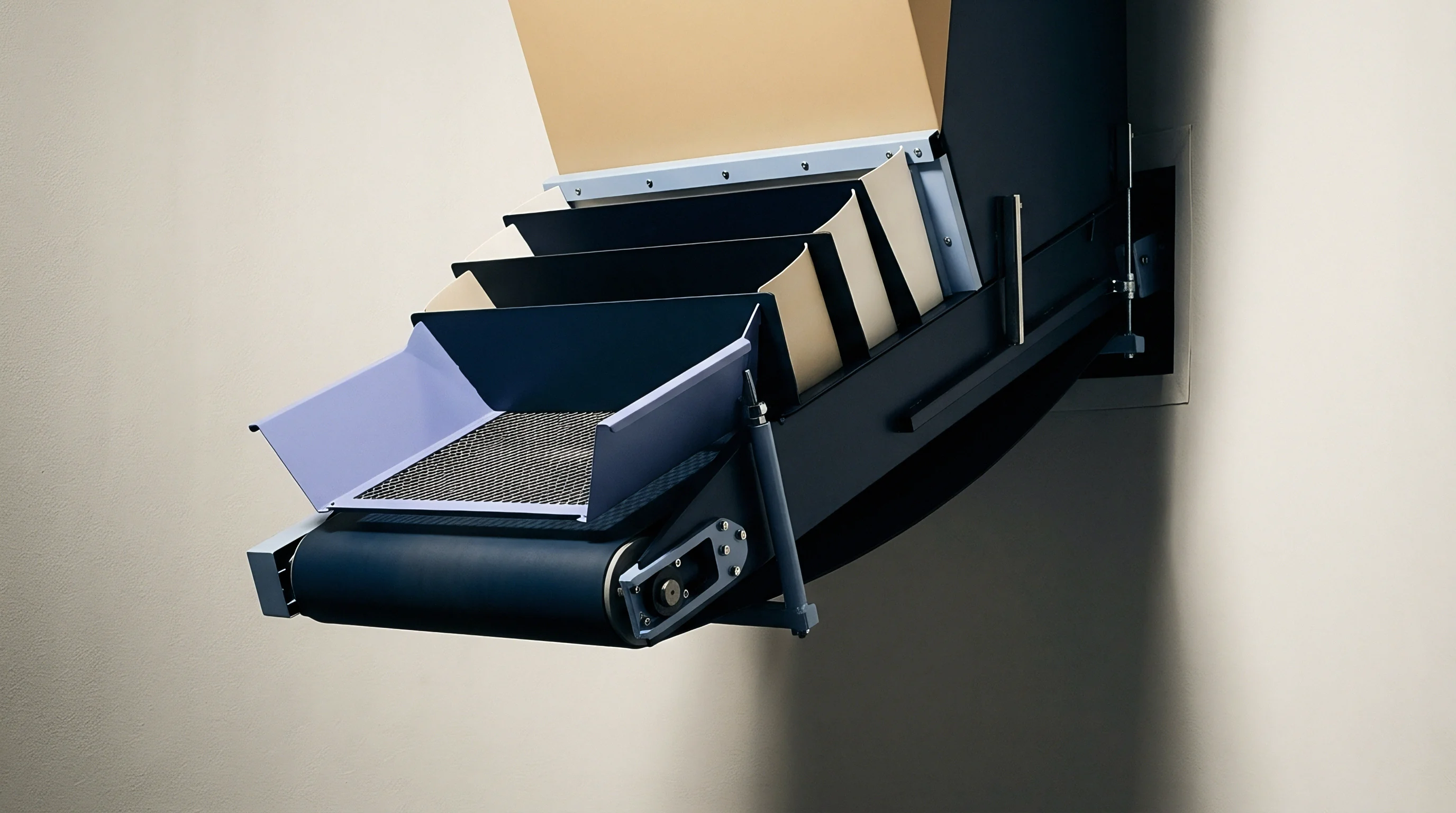
Mass allocation accounting converts gross incoming recovered paper tonnage into net usable recycled fiber through standardized shrinkage equations. Fiber loss during deinking occurs through heavy reject removal, screening, flotation cell skimming, and post-deinking washing. Each stage extracts a specific solid fraction that contributes to total sludge production.

Where Does Sludge Mass Diverge from Credit Claims?
Discrepancies between physical yield and certified ledger claims emerge when mill credit accounts do not adjust for the mineral-to-fiber ratio in deinking sludge. Higher substitution rates of post-consumer graphic paper increase ash rejection volumes, driving down net fiber yield while gross pulp throughput remains unchanged.
- Gross Weighbridge Intake establishes the starting wet mass of recovered paper bales entering the mill storage hall.
- Moisture and Rejection Adjustments convert gross intake tonnage to bone-dry raw material fiber equivalents based on standard sampling protocols.
- Flotation Sludge Extraction removes ink, adhesives, and fine inorganic particles, generating primary sludge mass containing significant dry solids fractions.
- Net Ledger Conversion applies verified shrinkage factors to deduct total dry sludge solids from the secondary fiber mass balance ledger.

Worked Yield Allocation Model
Consider a deinking mill processing 100 metric tonnes of post-consumer print scrap at an incoming moisture content of 10 percent. The bone-dry input mass equals exactly 90 metric tonnes. Deinking operations yield 22 metric tonnes of wet sludge press cake with a dry solids content of 45 percent.
ISO 1762 ash testing demonstrates that the dry sludge consists of 60 percent inorganic mineral filler and 40 percent cellulosic fiber fines.
Calculating total dry sludge mass yields 9.9 metric tonnes (22 tonnes multiplied by 0.45). The cellulosic fiber loss within the sludge equals 3.96 metric tonnes (9.9 tonnes multiplied by 0.40), while the mineral ash removal equals 5.94 metric tonnes (9.9 tonnes multiplied by 0.60). Deducting total dry sludge mass (9.9 tonnes) along with heavy pulper rejects (2.1 dry tonnes) from the initial bone-dry input (90 tonnes) results in a net secondary pulp mass of 78 metric tonnes.
Calculated net secondary fiber yield drops to 86.6 percent when deducting total dry deinking sludge solids from initial bone-dry scrap inputs.
Failing to deduct the dry mineral mass lost through deinking sludge allocation leads to an over-allocation of certified credit claims by 5.94 metric tonnes per 100 tonnes of processed scrap. Audit adjustments subsequently invalidate downstream claim declarations, creating potential compliance breaches for packaging converters.
What remains unaddressed in standard mill mass balance protocols is whether biological sludge from tertiary wastewater clarification can be combined with primary flotation deinking sludge without invalidating raw material conversion factors.

Reconciliation
Periodic auditing reconciles physical stock inventories with certified credit ledgers. Certification schemes mandate balancing mass claims within defined credit periods, typically not exceeding twelve months. Auditors perform physical stock counts, verify sludge disposal tickets, and compare calculated process conversion factors against measured yield data.
Verification Checklist for Sludge Allocation Audits
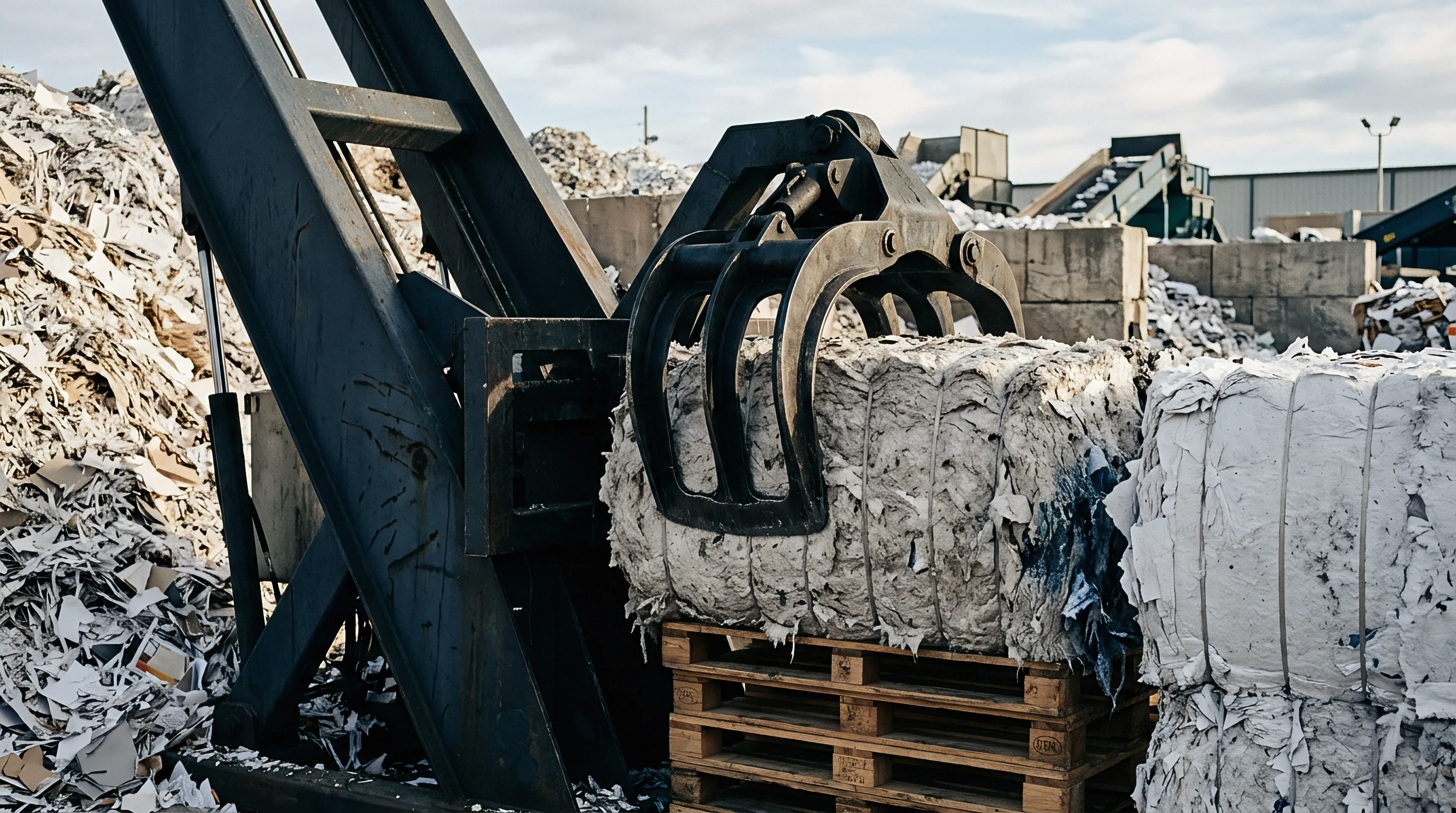
Completing a secondary fiber mass balance audit requires structured document review across physical production logs and administrative credit balance books.
- Calibrated Weighbridge Receipts confirm initial gross mass arrivals against official supplier invoice declarations.
- Laboratory Test Records establish dry solids and ash percentages across representative sludge press cake samples.
- Sludge Manifest Certificates verify external disposal or incineration volumes matching calculated process discharge totals.
- Conversion Yield Schedules demonstrate updated physical-to-ledger adjustment factors applied during the credit period.
In accordance with FSC-STD-40-004 Clause 5.2, certification holders shall adjust mass balance accounts to reflect actual process loss rates, ensuring that credit allocations never exceed the physical volume of certified secondary fiber realized after deinking sludge removal.
Filing
Documentary proof forms the final barrier against regulatory penalties and customs holds. When secondary fiber packaging materials cross international borders, regulatory authorities mandate clear technical dossiers backing up all recycled percentage claims. The technical dossier must link incoming scrap weighbridge tickets, laboratory dry-solids test reports, and deinking sludge disposal manifests directly to the finished product batch numbers.
Incomplete technical files allow enforcement agencies to classify recycled claims as unverified, exposing importers to administrative fines and mandatory repacking orders. As a general rule, maintaining certified ledger adjustments that match physical sludge discharge tickets ensures compliance without risking credit ledger suspensions during annual surveillance audits.