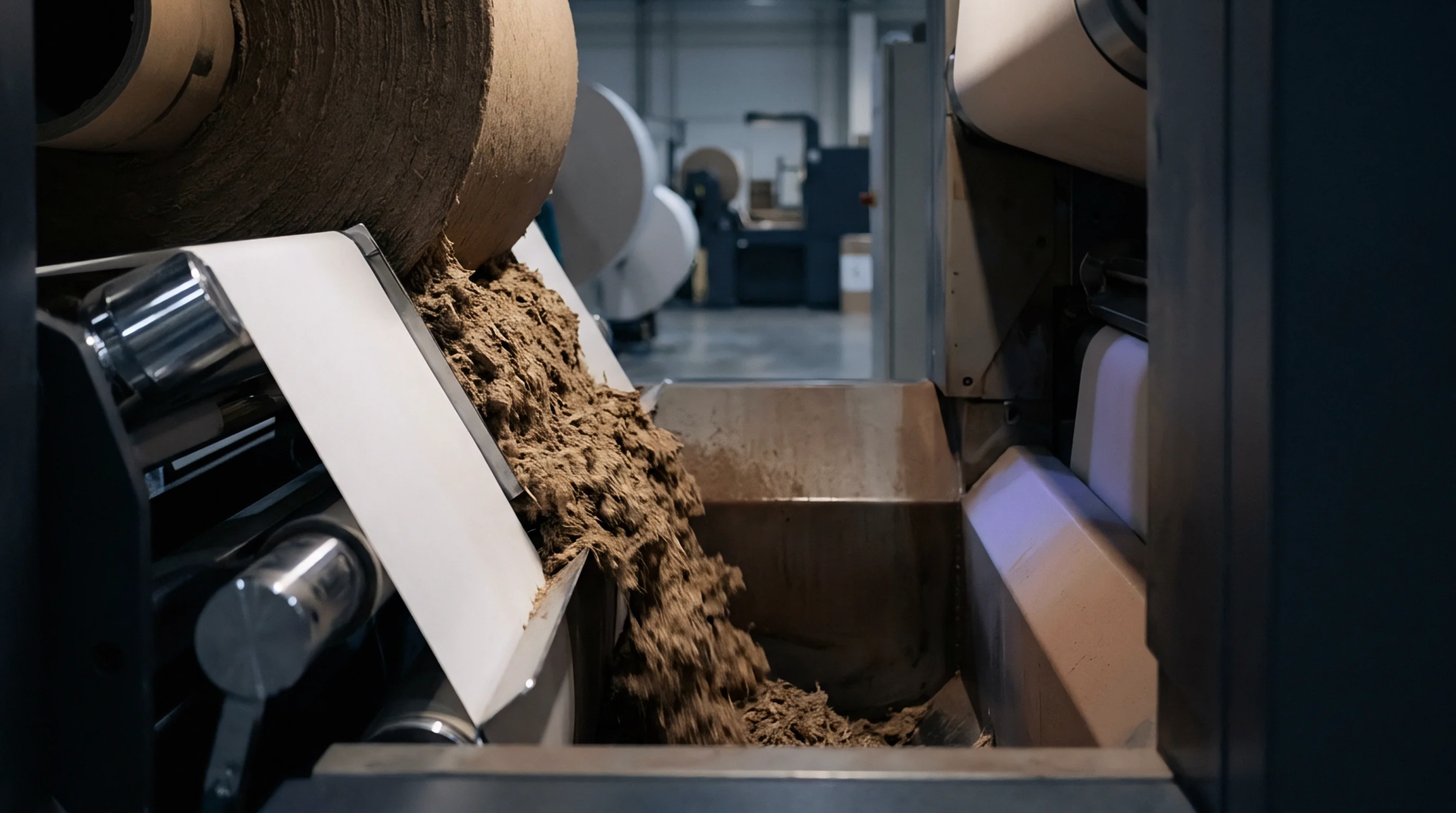
Dynamic Vapor Sorption Mechanics in Recycled Packaging Substrates
Recycled packaging substrates exhibit non-Fickian moisture uptake and severe hysteresis, reducing compressive strength by over 20 percent under cyclic humidity.
Recycled packaging substrates exhibit non-Fickian moisture uptake and severe hysteresis, reducing compressive strength by over 20 percent under cyclic humidity.

Verifying post-consumer recycled claims in folding boxboard requires cross-referencing FSC/PEFC credit accounts with deinking yield losses and MOSH/MOAH markers.
Calibrating process marker attenuation requires site-specific mass loss factors to defend mass balance credits across multi-site chemical recycling chains.

Importers avoid packaging claim penalties by mandating batch-specific laboratory test reports and contractual indemnities prior to customs border entry.

Paperboard chemical retention and migration compliance requires verifying wet-end additive fixation, simulant extractions, and mass transfer kinetic barriers.

Physical molecular markers quantify physical recycled content while mass balance ledgers track administrative credits, requiring strict contractual yield-loss reconciliation.

Commercial landed cost variance depends on sheet yield, press spoilage, and EPR de-inkability fee surcharges triggered by grade substitution.
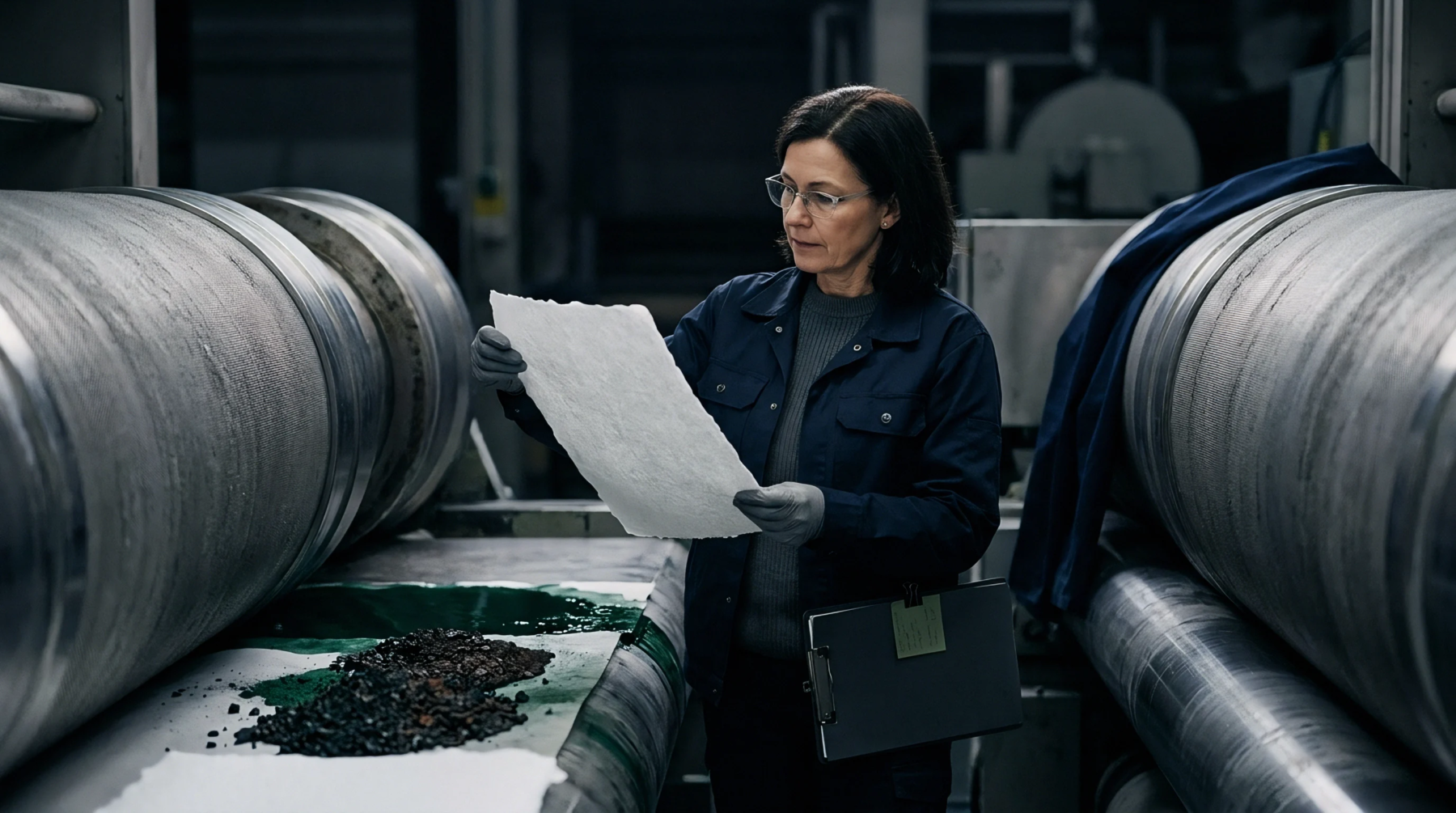
Retailers accept recycled content claims backed by lot-specific chain of custody transaction certificates, valid scope codes, and verified migration test reports.

Matt lamination cracks at the crease because silica matting inclusions reduce film elongation capacity, requiring expanded matrix channels to lower folding strain.

A converter's chain of custody certificate cannot retroactively grant certified status to packaging made from uncertified paper mill substrate.
Expertise is a utility, not a secret. sentiention™ publishes its working knowledge as open reference: intelligence layer covering the materials it sources, the markets it enters, and the reference that serves both.