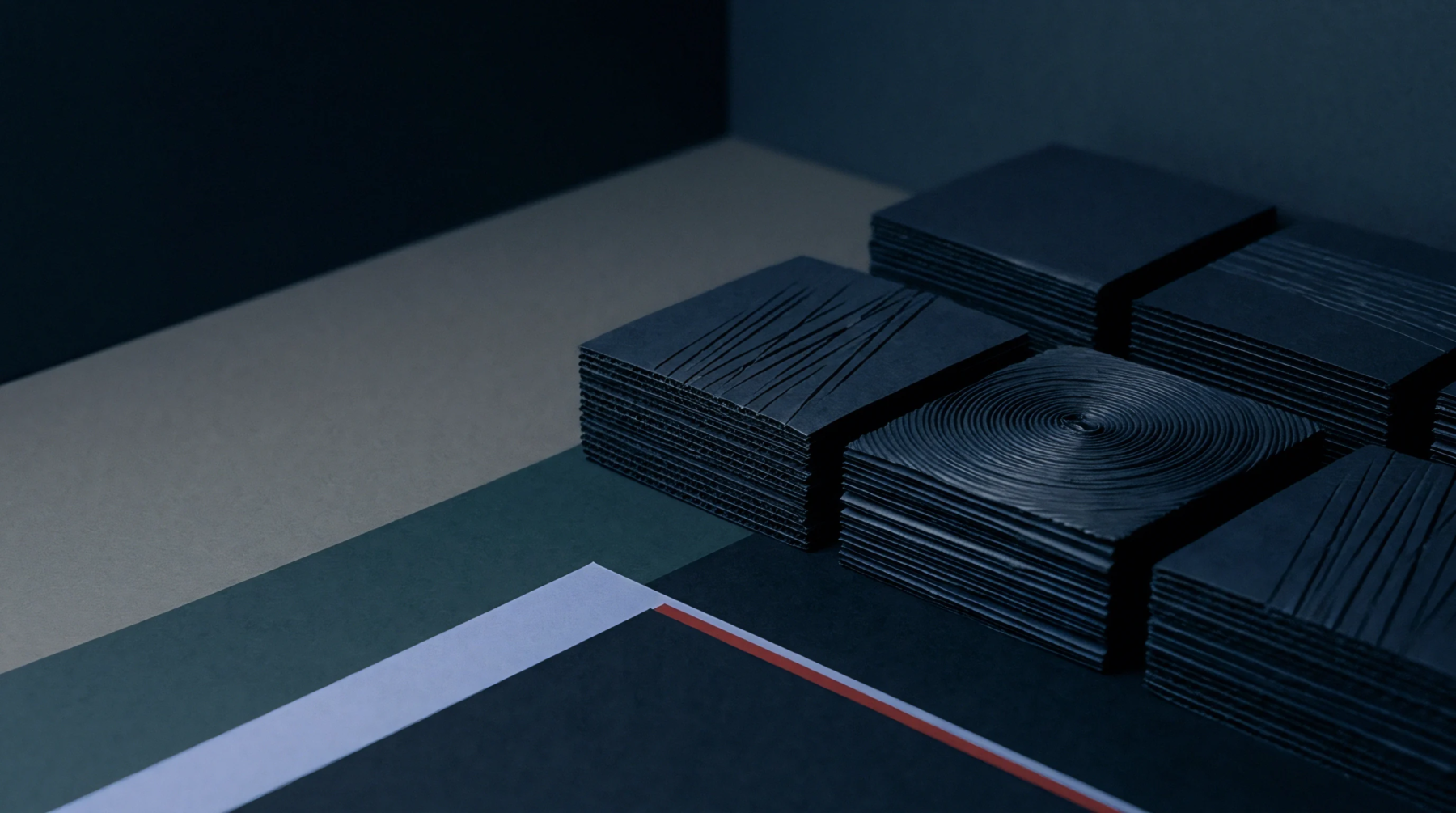
Load Capacity
The maximum force a paperboard material or finished container withstands before structural failure occurs under a steady vertical weight measures the peak load capacity. Testers measure compression strength to evaluate how high a pallet of goods can be stacked in a warehouse without the bottom boxes buckling. This metric accounts for the combined resistance of the linerboard and the fluting medium in corrugated structures.
Structural Failure
Buckling begins when the internal bond between the paper layers fails or when the fibres themselves undergo local crushing. In a laboratory environment, testers apply a constant rate of loading until the specimen reaches its peak resistance and collapses. The orientation of the fibres substantially affects the result, with machine direction typically offering higher resistance than cross direction.
Failure usually appears as a visible crease or a sudden drop in the force recorded by the measuring sensor during the crush test. This loss of stability represents the limit of the material’s service life in a logistics chain.
Environmental Sensitivity
Humidity weakens the hydrogen bonds between cellulose fibres and reduces the overall stiffness of the material. A box stored in a damp environment loses a specific portion of its rated compression strength as the moisture content of the board rises. High moisture levels act as a lubricant between fibres, causing them to slide and fail under the applied load.