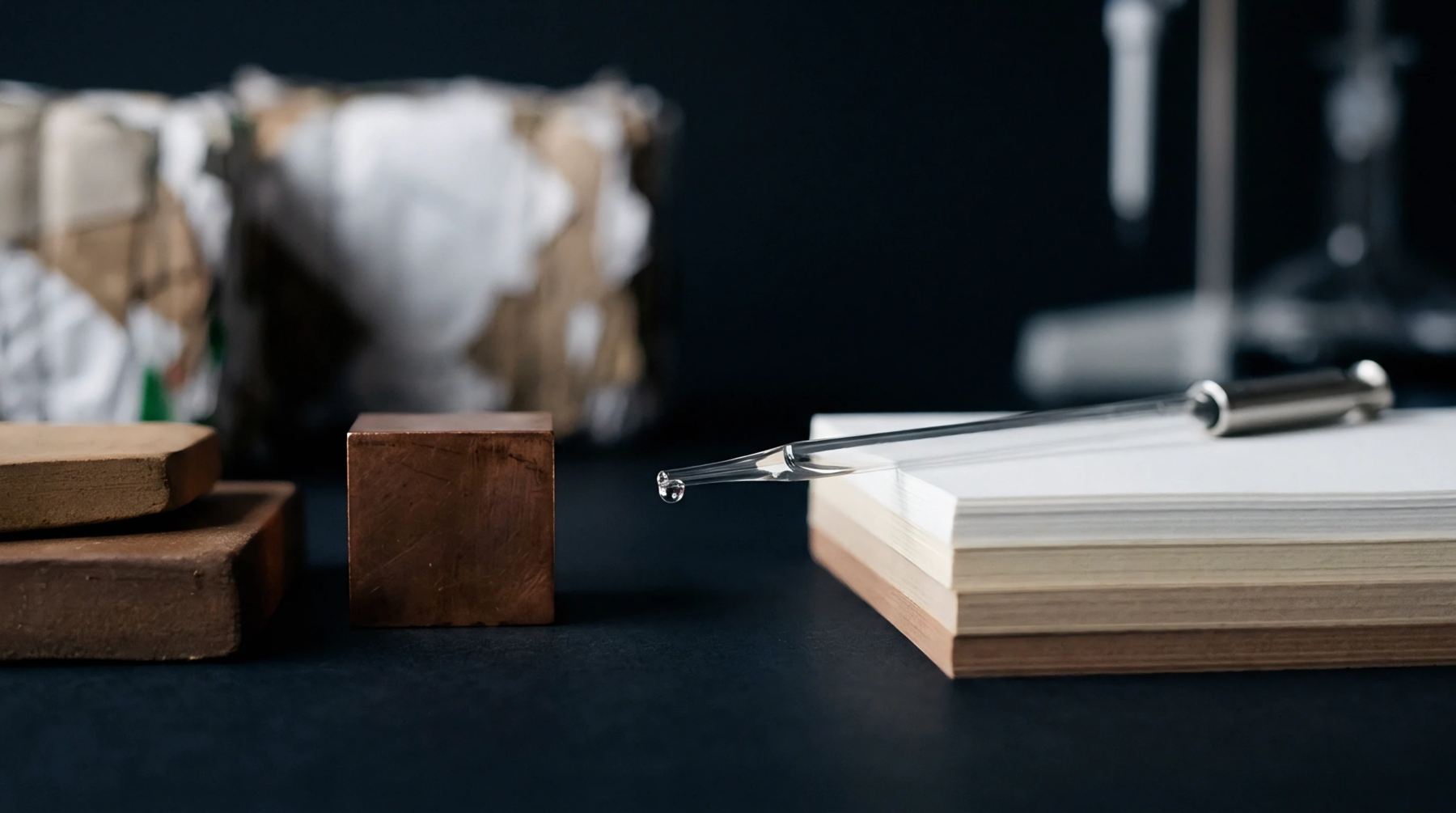
Recycled Cellulose
Raw material sourcing for paper and board manufacturing increasingly relies on recovered paper products to reduce environmental impact. The term secondary fibres describes cellulose fibres that have been reclaimed from pre-consumer or post-consumer paper waste for use in new papermaking. This source is a key component of sustainable packaging.
Structural Degradation
Repeated processing of these fibres reduces their length and bonding capability, which can lower the strength of the resulting paperboard. Each recycling loop shortens the cellulose chains, making the fibers more brittle and less able to form strong hydrogen bonds during sheet formation. To compensate for this loss of strength, mills often blend these reclaimed fibres with virgin kraft pulp or add strengthening polymers.
This blending ensures that the recycled board meets the crush resistance standards of shipping boxes.
Mill Cleaning
Preparation of this reclaimed pulp requires extensive screening, cleaning, and sometimes de-inking to remove contaminants such as inks, adhesives, and coatings. These contaminants can form sticky deposits, known as stickies, which can cause sheet breaks on the paper machine or print defects on the press. By using advanced pulping technology, mills can remove these unwanted materials while preserving the remaining fiber length.
Proper management of this recycled furnish allows the mill to produce high-quality, eco-friendly folding cartonboard that meets both the functional strength and the surface smoothness required for consumer packaging applications.