Dual Tooling
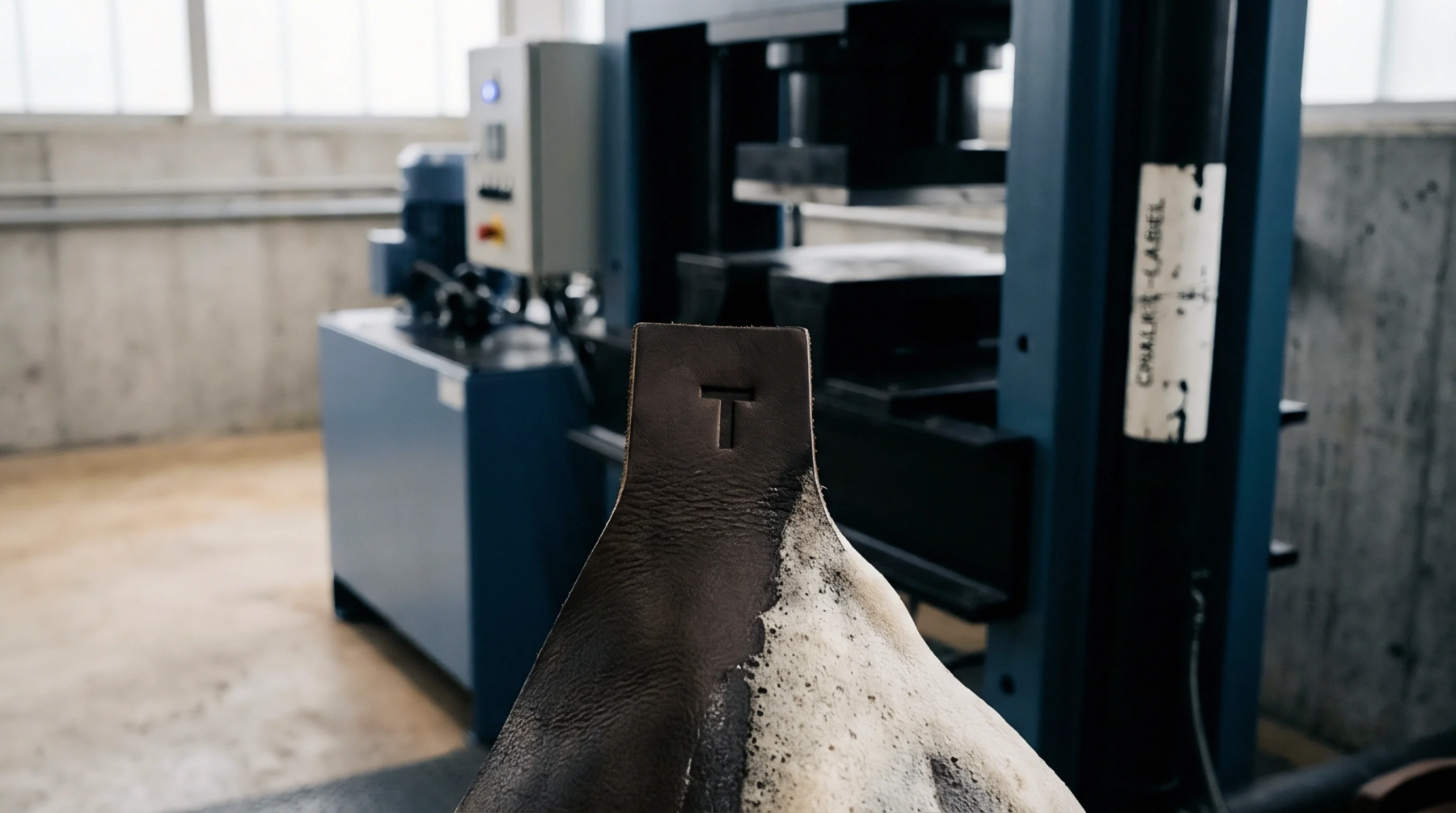
Single-pass finishing tooling combines heat-assisted foil transfer and multi-level structural relief molding into a unified mechanical stamping step. A combination embossing die incorporates relief contours and heated die surfaces to transfer metallized foil while simultaneously raising paperboard fibers. Packaging converters utilize this specialized tooling to eliminate separate registration steps between foil stamping and blind embossing passes on folding cartons.
The operational scope covers paperboard and heavy cover papers, stopping short of thin flexible plastic films that stretch without retaining embossed structure.
Relief Molding
Precision pairing between an engraved male metal die and a counter die creates the required pressure differential to mold paper fibers while adhering heat-activated foil adhesives. Installing a combination embossing die requires precise press setup, because inadequate counter alignment damages delicate relief bevels and causes foil flaking. Heated metal surfaces melt foil release layers at the exact instant that mechanical force pushes paperboard into female tool cavities.
Press pressure and dwell time must synchronize perfectly to deliver clean foil edges alongside crisp dimensional relief.
Substrate Strain
Paperboard fibers undergo simultaneous bending and stretching forces during the single-pass impression cycle. Dense, long-fiber virgin paperboard resists tearing along sharp bevel borders better than short-fiber recycled grades. Excessive relief depth splits the foil carrier film or cracks substrate surface coatings during heavy impression passes.
Tooling designers specify draft angles of at least thirty degrees on embossing bevels to preserve paperboard structural integrity under high pressure.