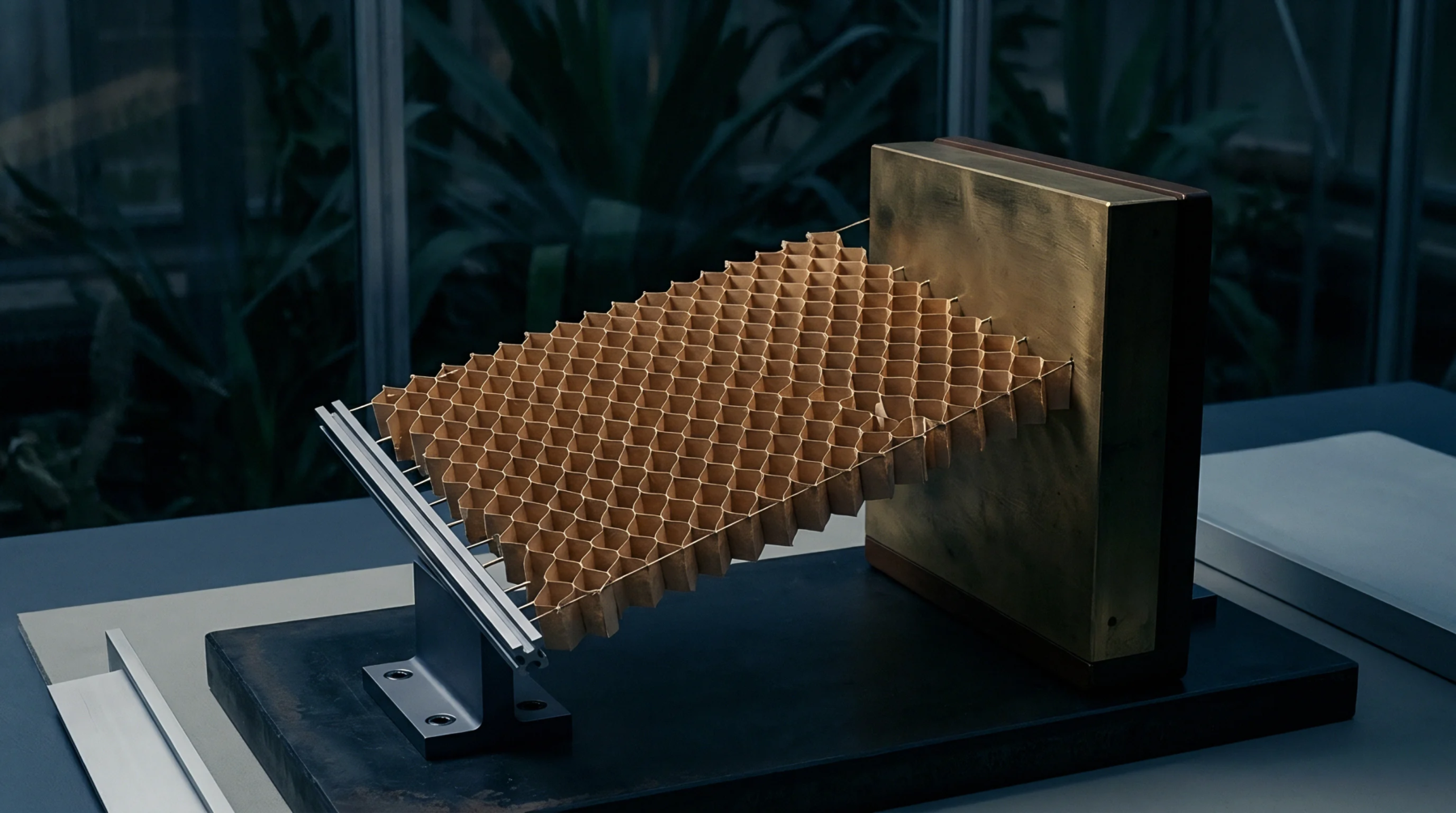
Chemithermomechanical Core Board Creep Mechanics under Distribution Humidity Loads
Chemithermomechanical core plies suffer accelerated mechanosorptive creep under cyclic distribution humidity, collapsing stacks well below static limits.
Chemithermomechanical core plies suffer accelerated mechanosorptive creep under cyclic distribution humidity, collapsing stacks well below static limits.
Dynamic mechanical property verification of recycled containerboard requires dynamic strain testing to prevent packaging transport failure under PPWR mandates.
Dynamic cyclic humidity testing replaces static crush tests to expose mechanosorptive creep failures in lightweight cartons before volume logistics deployment.
Dynamic vapor sorption kinetic modeling quantifies moisture diffusion rates and hysteresis in recycled testliner to prevent transit creep collapse.
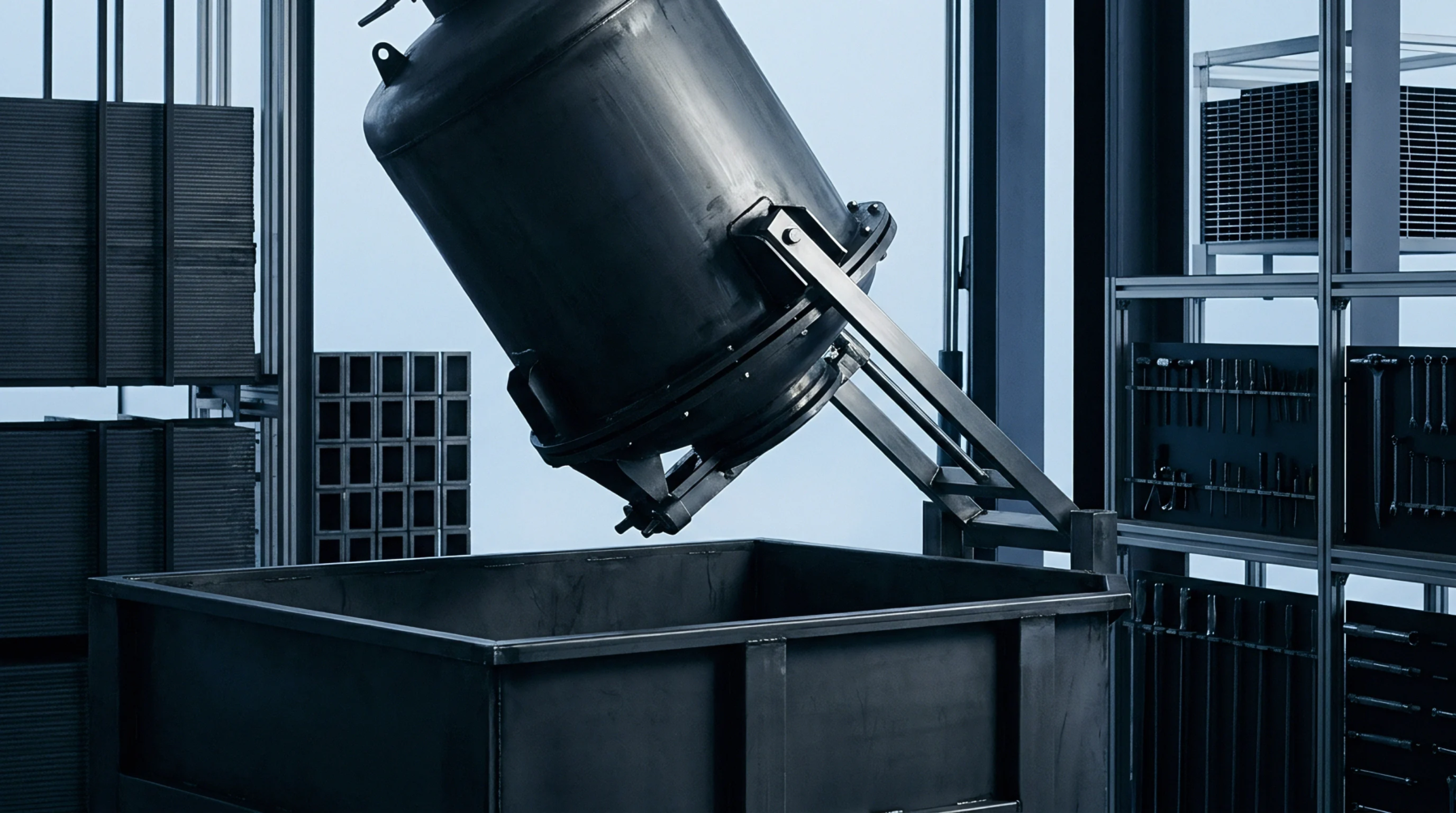
Recycled containerboard loses compressive strength under variable humidity due to fibre hornification and mechanosorptive creep, requiring exact ISO 187 test verification.
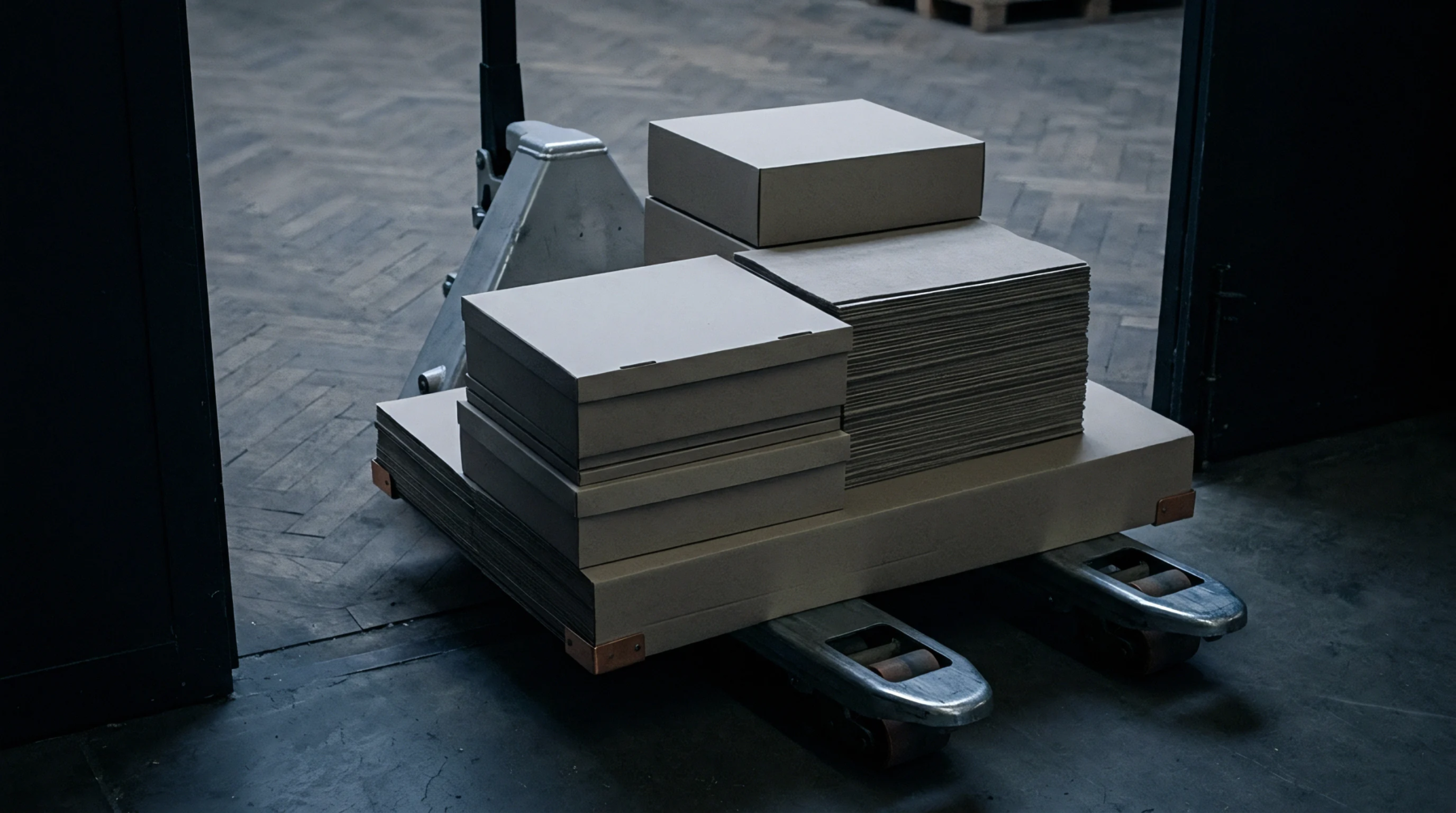
Dynamic relative humidity swings accelerate recycled corrugated creep up to twentyfold, requiring elevated dynamic safety factors to prevent warehouse collapse.
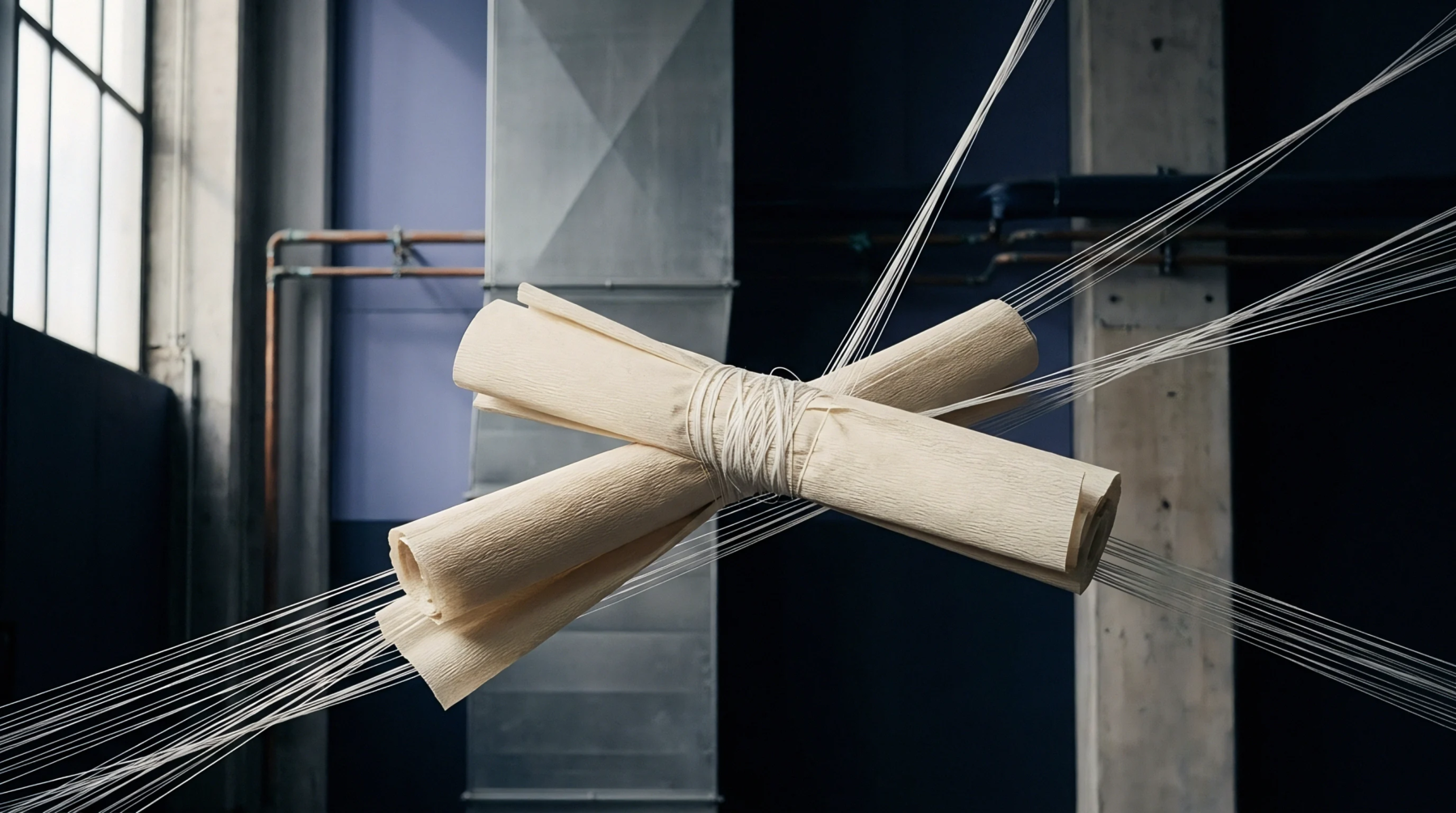
Moisture drives interfacial shear decay in recycled multi-ply board by swelling core fibres, softening spray starch, and breaking inter-ply hydrogen bonds.

Recycled containerboard loses up to sixty-five percent of compression strength under cyclic humidity due to mechanosorptive creep.

Cyclic relative humidity accelerates corrugated stack creep by breaking transient hydrogen bonds, demanding derated safety factors to prevent warehouse collapse.
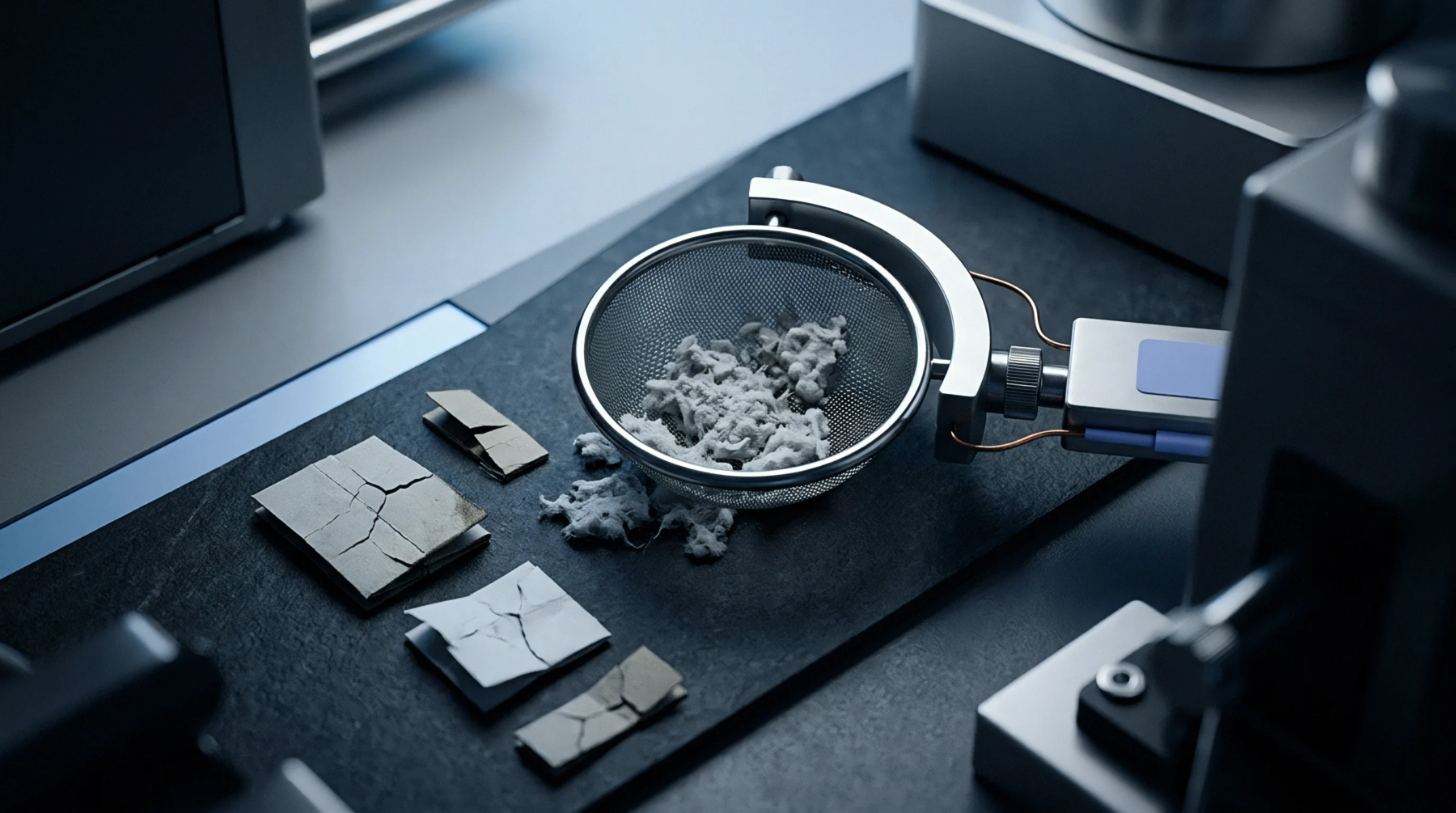
Microfibrillated cellulose barrier integrity relies on controlling moisture-induced plasticization through chemical crosslinking to pass EN 13430 recyclability audits.
Dynamic humidity cycling cuts recycled fluting compression strength by over forty percent, requiring tested creep factors rather than static safety margins.
Dynamic relative humidity cycling accelerates mechanosorptive creep in recycled containerboard, causing structural stack failure below static load limits.
Secondary containerboard specification demands dynamic mechanosorptive compliance factors to prevent stack collapse under dynamic logistics relative humidity
Recycled containerboard loses up to sixty percent of compression strength under moisture cycling due to mechanosorptive creep in shortened secondary fibers.
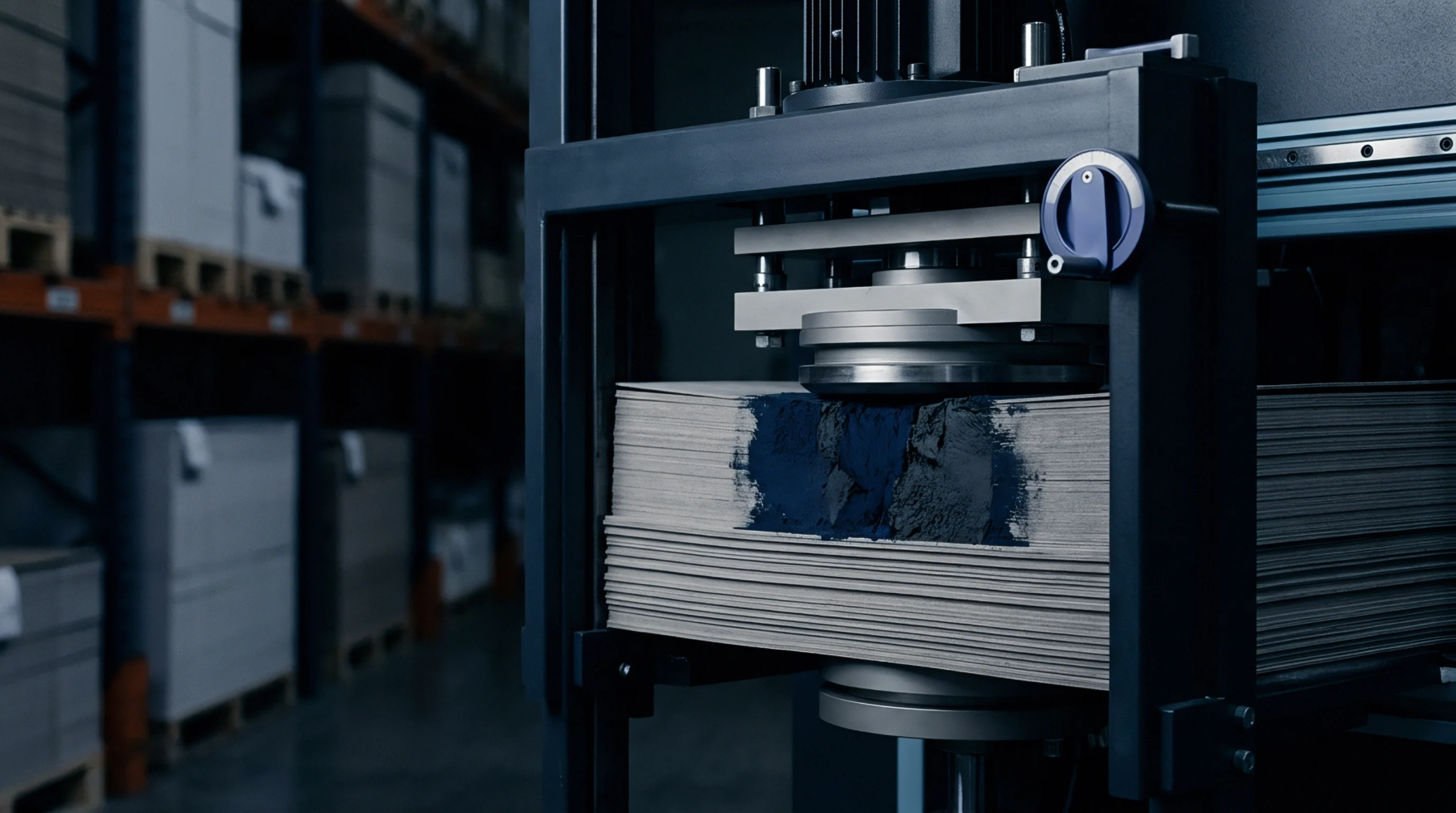
Low-density mechanical pulp cores require doubled dynamic safety factors to prevent fatigue collapse driven by high-void lumen micro-buckling in transit.

Dynamic carrying capacity in recycled board depends on ultrasonic cross-direction elastic stiffness and cyclic creep resistance, not static burst strength.
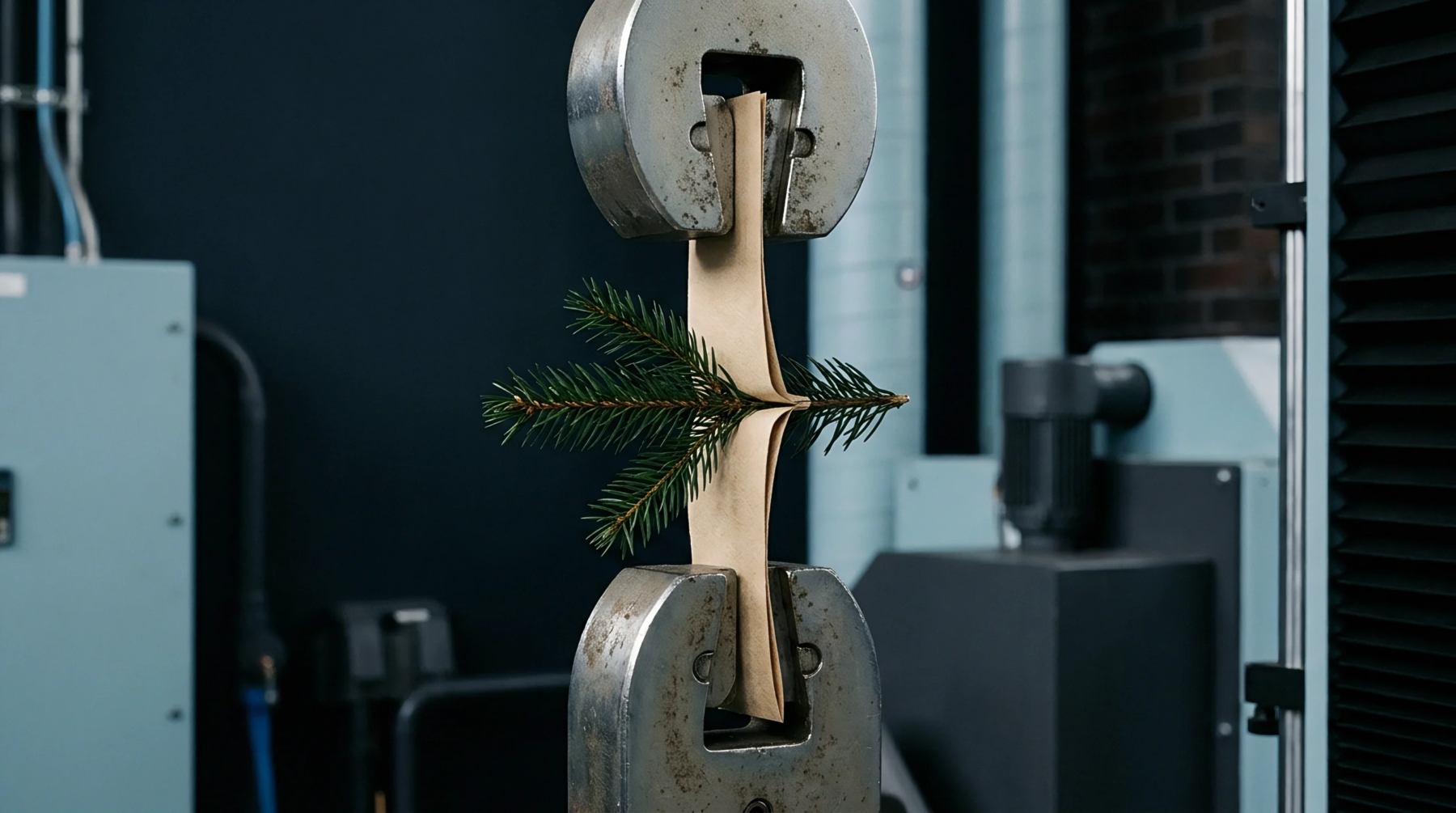
Recycled linerboard loses thirty percent of cross-direction tensile strength during marine humidity cycles, demanding chemical sizing and grammage margins.
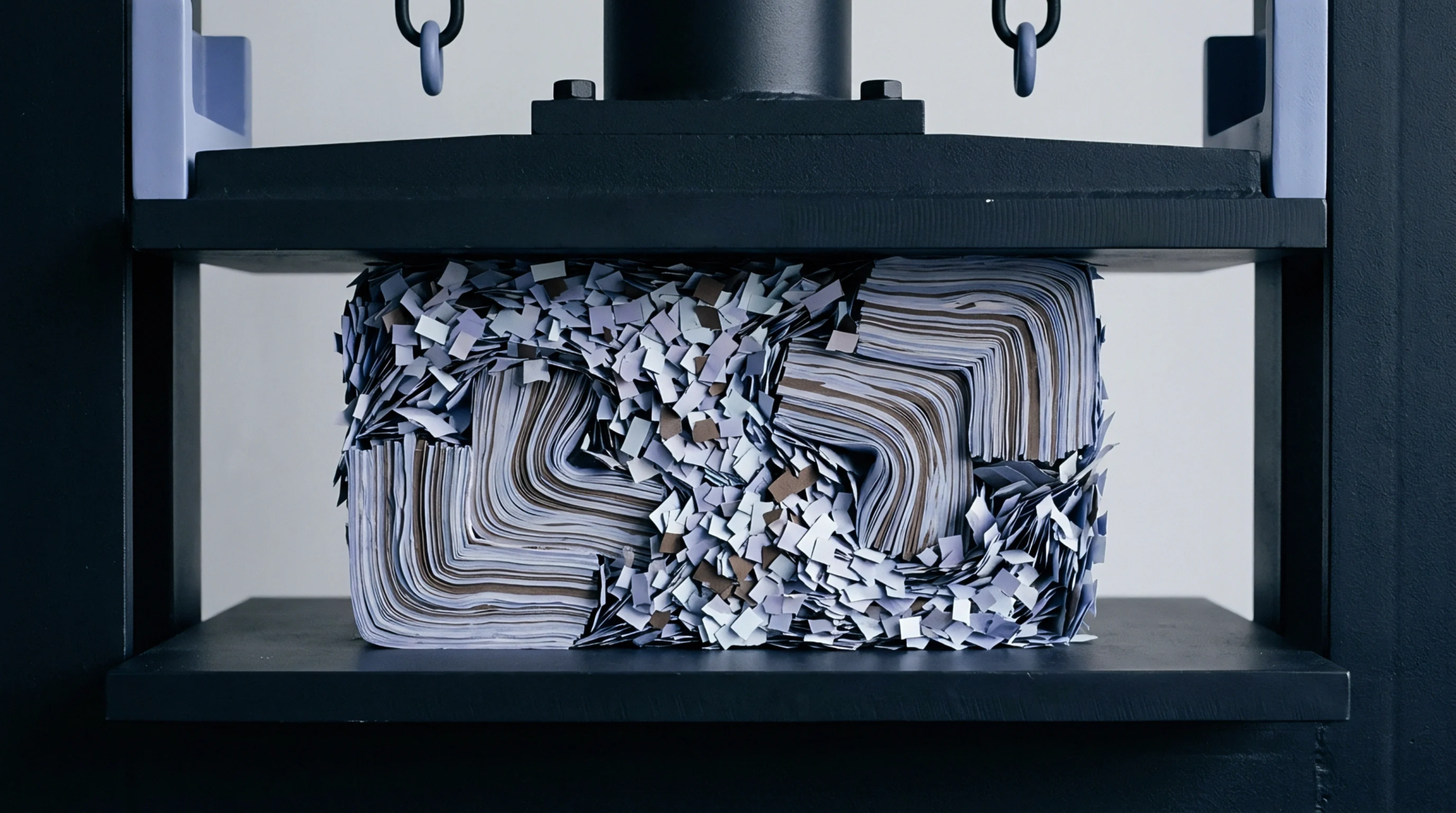
Dynamic mechanical recovery thresholds set the limit where cyclic shear causes permanent ply delamination, dropping box stacking strength in transit.
Thermodynamic moisture transport in corrugated packaging depends on non-Fickian diffusion kinetics, fiber plasticization, and severe mechanosorptive creep.
Dynamic moisture sorption in recycled containerboard accelerates mechanosorptive creep, requiring higher safety factors than virgin stock under cyclic relative humidity.
Paperboard moisture equilibrium dictates converting stability: matching substrate sorption hysteresis to hall humidity prevents carton cracking and register loss.
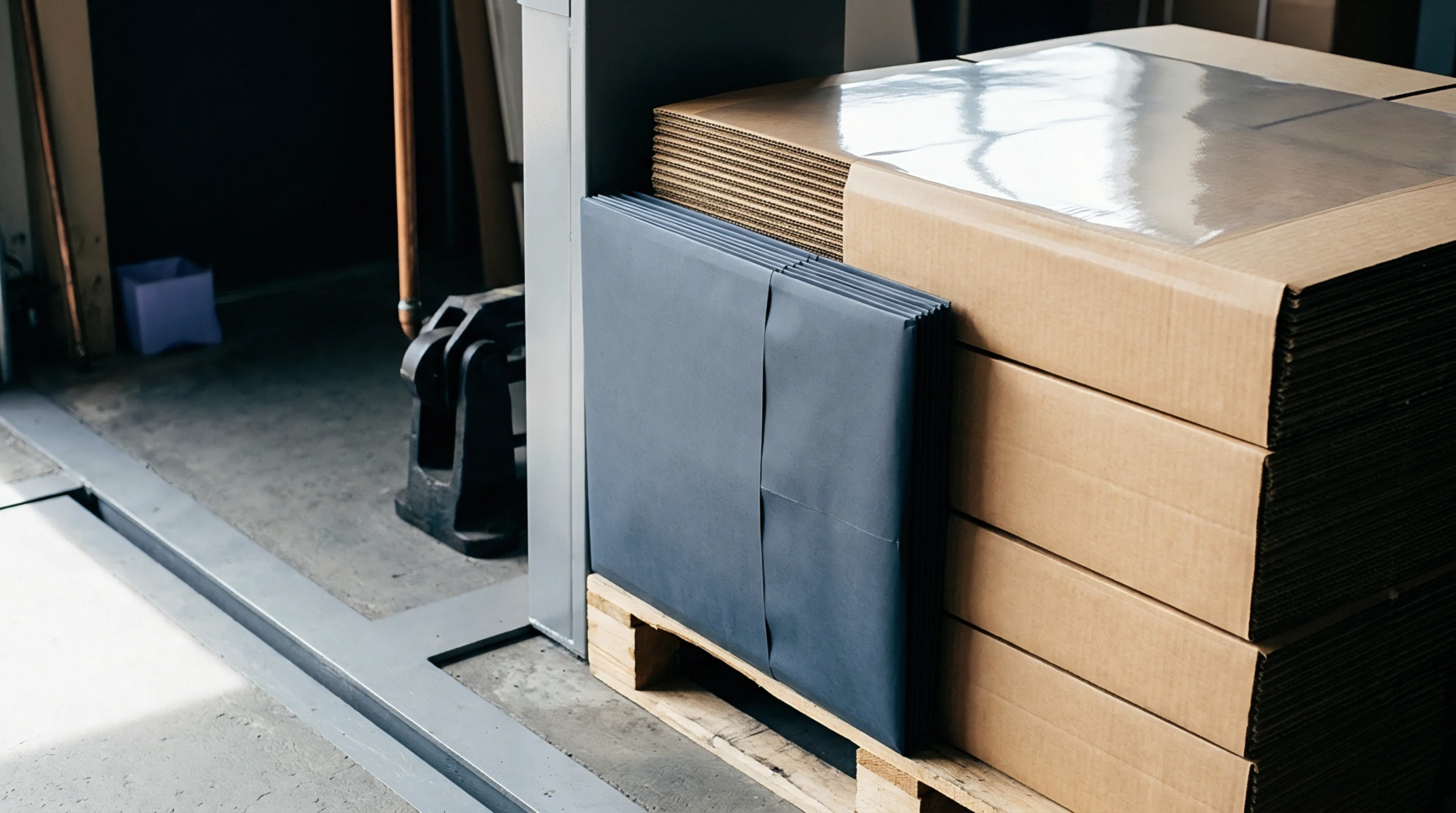
Double wall static compression thresholds drop 40 to 60 percent above 80 percent humidity, requiring safety factor adjustments to prevent warehouse collapse.

Moisture swings accelerate compression creep in recycled board through transient matrix softening and anisotropic thickness swelling that degrades stacking yield.
Viscoelastic transport modeling predicts humidity-driven micro buckling in recycled fluting to protect containerboard compression strength.
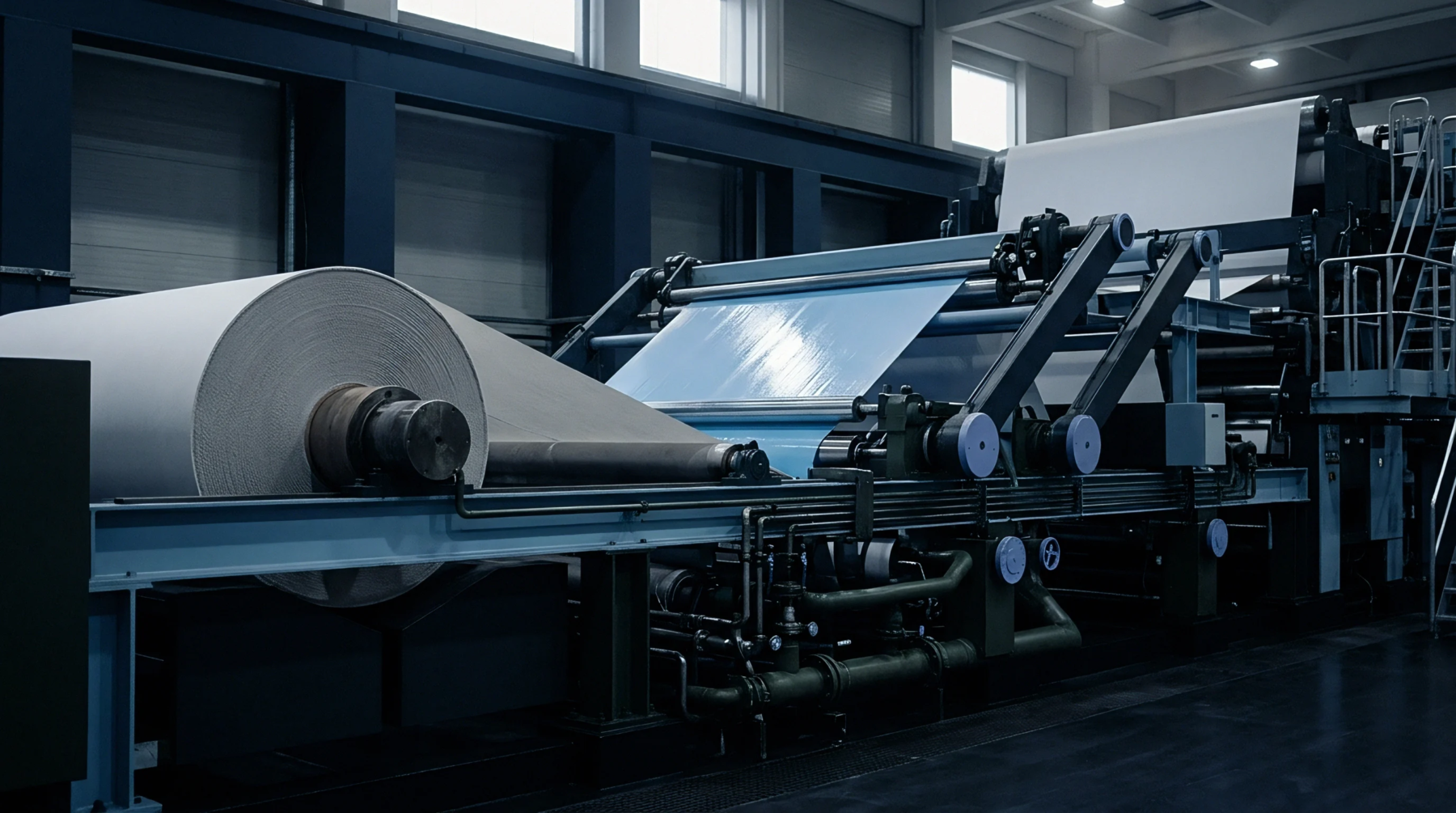
Dynamic climate chamber testing under cyclic relative humidity isolates mechanosorptive creep failure modes that standard static equilibrium conditioning miss.
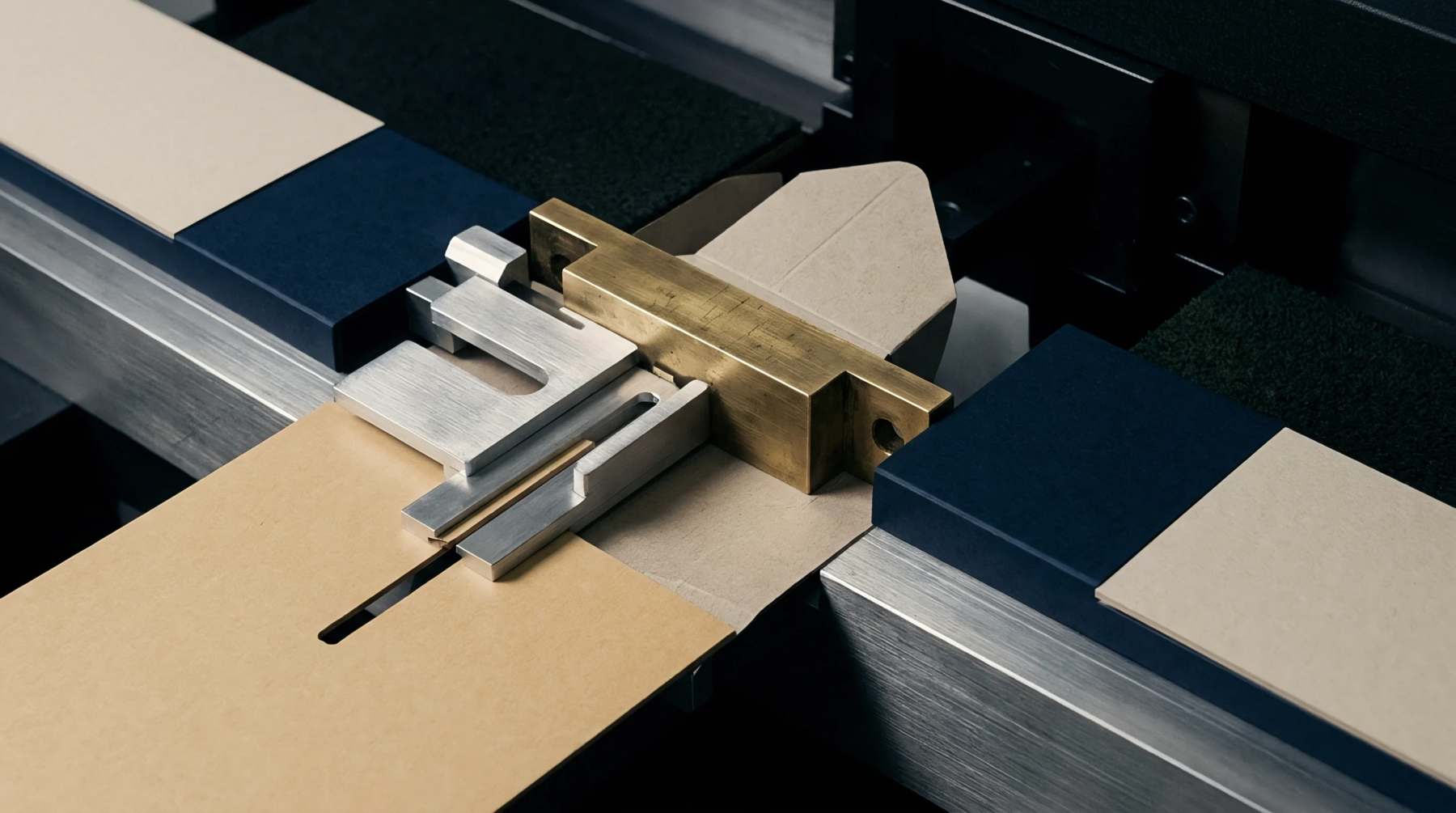
Dynamic mechanical analysis optimizes folding boxboard caliper retention by quantifying out-of-plane storage modulus decay in CTMP cores under high-speed converting loads.
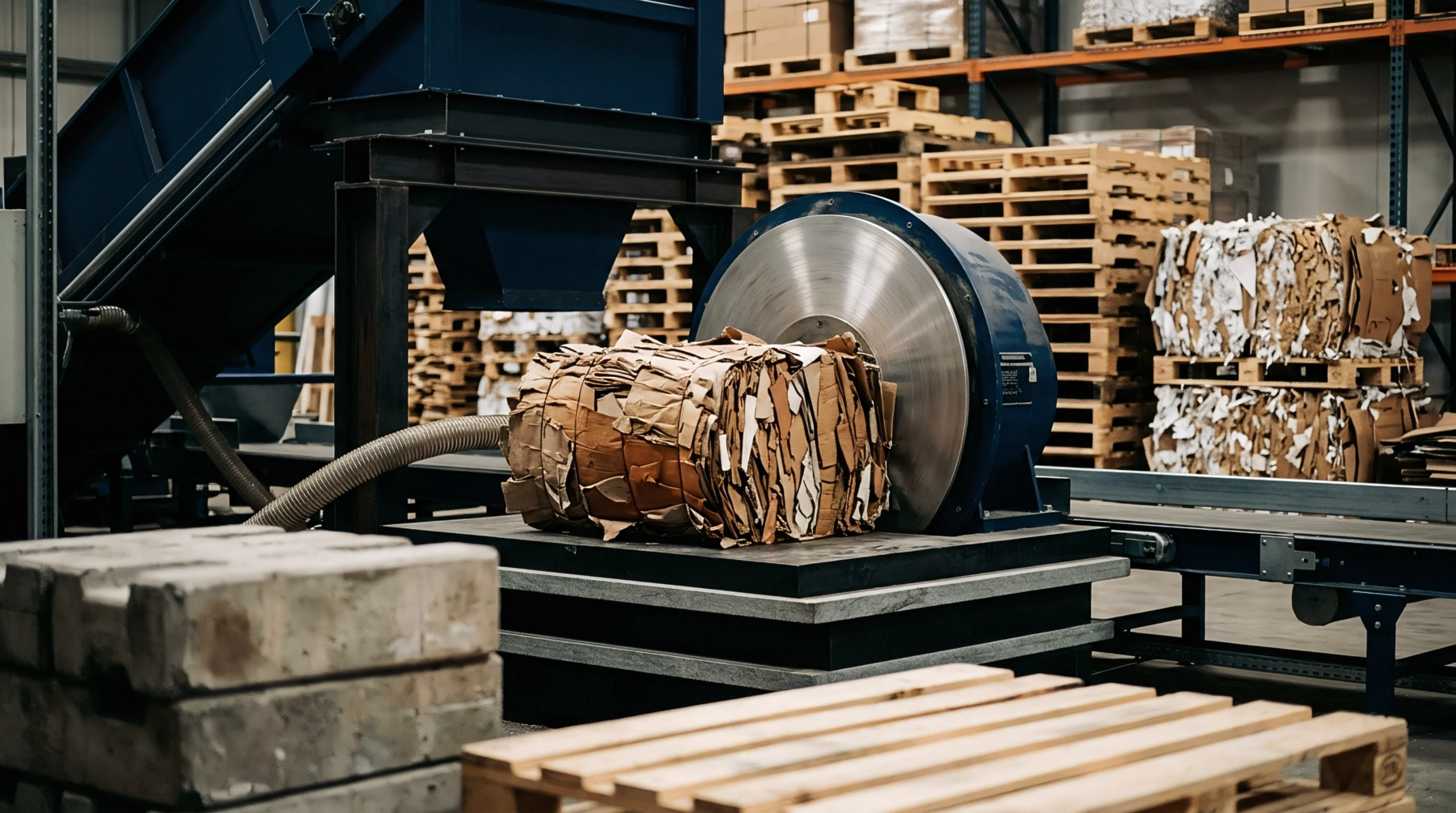
Polyethylene film wraps trap moisture desorbed by paperboard during thermal swings, elevating internal relative humidity and triggering mechanosorptive failure.
Expertise is a utility, not a secret. sentiention™ publishes its working knowledge as open reference: intelligence layer covering the materials it sources, the markets it enters, and the reference that serves both.