Fiber Reclamation
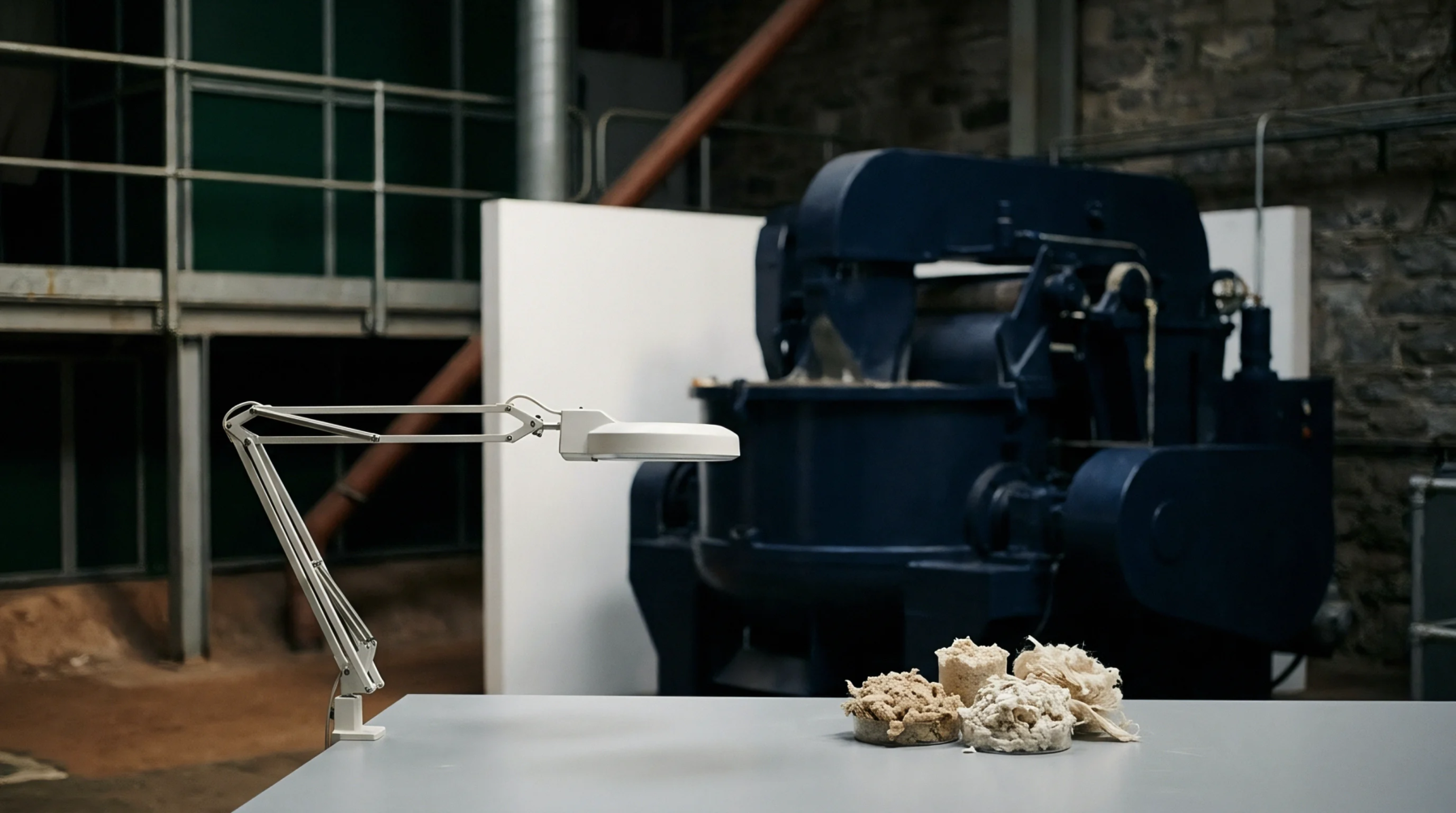
Recovered paper and board streams collected from end-users provide the raw material for manufacturing sustainable packaging grades. In the paper industry, post-consumer recycled furnish is the raw stock made from sorted domestic waste that has been repulped and cleaned for use in new board production. This material significantly reduces the reliance on virgin pulp while introducing unique chemical monitoring requirements.
Contamination Control
Sourcing fibers from diverse consumer waste streams introduces a wide range of non-fibrous substances into the pulper. Because this post-consumer recycled furnish originates from printed newspapers and advertising inserts, it inherently contains residues of offset printing inks and mineral oil hydrocarbons. Mill operators must deploy extensive washing and screening steps to minimize these contaminants.
However, trace amounts of mineral oils often persist, necessitating the use of functional barriers in food packaging to prevent the migration of these chemicals into the food product.
Material Strength
Secondary fibers undergo irreversible structural changes during their first drying and recycling cycle. Repulping post-consumer recycled furnish yields shorter fibers with reduced bonding potential, which affects the burst strength and compression resistance of the finished paperboard. Mills often blend this pulp with long-fiber virgin kraft pulp to meet strength requirements.