Softwood Kraft Digestion Yield Fundamentals and Hemicellulose Degradation
Preserving softwood galactoglucomannan during kraft cooking through redox chemistry increases pulp yield by three percent while reducing refining power.
Cook
When Pinus taeda wood chips enter a continuous digester, thermal exposure triggers immediate structural swelling and chemical solubilization. Softwood fiber cell walls consist of roughly 41 to 43 percent cellulose, 16 to 18 percent galactoglucomannan, 8 to 10 percent arabinoglucuronoxylan, and 27 to 29 percent lignin by dry mass. The kraft process uses aqueous white liquor containing sodium hydroxide and sodium sulfide to break down lignin networks and release fibers for papermaking.
Total mass yield depends directly on carbohydrate retention throughout the digestion cycle.
Pulping operations must balance delignification against polysaccharide loss. Effective alkali charge typically ranges from 16 to 19 percent as sodium oxide equivalent, sulfidity between 25 and 35 percent, and liquor-to-wood ratios from 3.2:1 to 4.0:1. Target H-factors run between 800 and 1400, depending on whether a mill produces bleachable pulp at Kappa numbers near 28 or high-yield linerboard pulps above Kappa 80.
As cooking temperatures rise past 100 °C, white liquor penetrates the chip pores, starting alkali reactions that consume hydroxyl ions and solubilize extractives.
Carbohydrate fractions do not degrade equally. Because of its crystalline microfibrillar structure, cellulose resists dissolution at temperatures below 150 °C. Hemicelluloses have lower crystalline order and lower degrees of polymerization, leaving them vulnerable to rapid alkaline dissolution and chemical cleavage. Galactoglucomannan degrades far more heavily than arabinoglucuronoxylan, driving most of the wood mass loss during early digestion.
Higher effective alkali concentrations accelerate lignin dissolution while stripping hydrophilic glucomannan chains from the fiber wall.
Hitting target Kappa numbers requires strict control over active chemical charge and thermal residence time. Unbleached softwood kraft yield ranges from 45 to 47 percent for bleachable grades, while packaging grades reach 51 to 55 percent. Remaining non-cellulosic solids exit the digester in spent black liquor, feeding recovery boilers to regenerate inorganic chemicals and raise steam.
Digestion Parameter Ranges
Liquor composition sets the driving force for chemical diffusion into the wood chips. Higher effective alkali concentrations speed up delignification but accelerate carbohydrate breakdown. Maintaining sulfidity above 28 percent helps protect carbohydrate chains by supplying hydrosulfide ions that react with lignin, favoring fragmentation before severe alkaline cleavage sets in.
| Digestion Phase | Temperature Range (°C) | Effective Alkali Concentration (g/L as Na2O) | Dominant Chemical Reaction | Solid Yield Loss (%) |
|---|---|---|---|---|
| Impregnation | 80 to 110 | 45 to 60 | Deacetylation and extractive dissolution | 2.0 to 4.0 |
| Initial Cooking | 110 to 140 | 30 to 45 | Primary beta-elimination peeling | 5.0 to 8.0 |
| Bulk Delignification | 140 to 170 | 15 to 25 | Lignin ether cleavage and alkaline hydrolysis | 38.0 to 42.0 |
| Residual Cooking | 165 to 172 | 8 to 12 | Secondary peeling and cellulose chain scission | 2.0 to 3.0 |
Phase Behavior of Kraft Fiber Matrix
Uniform impregnation is necessary for consistent pulping through the core of every chip. Poor liquor diffusion leaves localized zones of low alkali charge, producing uncooked centers, high reject rates, and uneven hemicellulose removal across the digester. Adjusting hydraulic pressure inside the impregnation vessel keeps liquor moving through micro-capillary pathways.
Thorough white liquor impregnation before heating protects native carbohydrate structures from rapid initial dissolution.
Cleavage
Alkaline breakdown of softwood polysaccharides occurs through two distinct chemical pathways across different temperature ranges. Primary end-wise degradation, or the peeling reaction, starts above 80 °C. Hydroxyl ions attack the reducing sugar end-groups of galactoglucomannan and arabinoglucuronoxylan, stripping monomeric units sequentially through beta-alkoxy elimination. Each peeling step yields an enediol intermediate, releasing isosaccharinic acids into the black liquor stream.
Peeling continues along the polymer backbone until a competing stopping reaction halts the process. This stopping reaction converts the terminal reducing sugar into a stable, alkali-resistant carboxylic acid group, mainly metasaccharinic acid. On average, primary peeling strips 40 to 65 monomer units from each unstopped chain before stopping reactions intervene.
This mechanism drives the initial 5 to 8 percent yield loss during digester heat-up.
Above 140 °C, alkaline hydrolysis becomes the main driver of polymer breakdown. Hydroxyl ions attack internal glycosidic bonds along cellulose and hemicellulose backbones, cleaving high-molecular-weight polymers into shorter chain fragments. Every random cleavage creates a fresh reducing end-group, which then undergoes secondary peeling until new stopping reactions occur.
- Primary beta elimination peeling removes terminal hexose units from unstopped glucomannan chains at temperatures between 80 °C and 120 °C.
- Random glycosidic bond cleavage splits main-chain backbone polymers at temperatures exceeding 140 °C, generating secondary reducing ends.
- Secondary peeling initiation rapidly degrades freshly exposed end-groups until conversion into stable metasaccharinic moieties halts chain breakdown.
- Deacetylative dissolution removes native O-acetyl groups from galactoglucomannan, altering chain polarity and forcing polymer migration into black liquor.
- Xylan side-chain stripping cleaves arabinose branches from arabinoglucuronoxylan, decreasing solubility and causing partial re-precipitation onto microfibril outer walls.
Structural differences between softwood hemicelluloses determine how well they survive alkaline liquor. Galactoglucomannan contains beta-1,4-linked D-mannose and D-glucose residues with alpha-1,6-linked D-galactose side branches, carrying native acetyl groups at C-2 or C-3 positions. Rapid deacetylation in alkali increases its solubility, exposing the linear backbone to heavy primary peeling and dissolution.
Over 60 percent of native galactoglucomannan is lost during standard kraft pulping.
Arabinoglucuronoxylan is more resilient. Its backbone consists of beta-1,4-linked D-xylopyranose units substituted with alpha-1,2-linked 4-O-methyl-D-glucuronic acid and alpha-1,3-linked L-arabinofuranose residues. While liquor cleaves the arabinose side groups, glucuronic acid substitutions provide steric hindrance that slows down peeling.
As effective alkali drops during bulk delignification, partially deacetylated xylan re-precipitates onto cellulose microfibril surfaces, raising final surface xylan content.
Alkaline digestion at 165 °C destroys up to 70 percent of native galactoglucomannan while retaining 55 percent of arabinoglucuronoxylan in softwood kraft pulp.
Reaction Kinetics of Glucomannan and Xylan
Dissolution follows pseudo-first-order kinetics relative to carbohydrate concentration in the wood matrix. At 150 °C, the rate constant for galactoglucomannan peeling is roughly four times higher than that of arabinoglucuronoxylan. Controlling temperature ramp rates between 100 °C and 140 °C limits cumulative thermal exposure during the primary peeling window.
Formation of Organic Acid Byproducts
Degradation products accumulate in cooking liquor as low-molecular-weight aliphatic carboxylic acids ~ predominantly formic, acetic, lactic, and alpha- and beta-glucometasaccharinic acids. These species neutralize sodium hydroxide, reducing the effective alkali available for delignification and demanding higher initial chemical charges.
Whether specific sulfur-free catalytic modifiers can completely arrest secondary peeling without slowing delignification remains unsettled in commercial digester design.

Additive
Chemical stabilization of reducing terminal groups directly prevents carbohydrate loss during digester ramp-up. Anthraquinone functions as a redox catalyst in alkaline pulping. Added at 0.05 to 0.10 percent on dry wood weight, it oxidizes the reducing aldehyde end-groups of hemicelluloses into alkali-stable aldonic acid units, arresting primary peeling before extensive monomer loss occurs.
Oxidized anthraquinone converts into anthrahydroquinone, a soluble species that reacts with lignin quinone methides. This accelerates ether bond cleavage in lignin, boosting bulk delignification rates. Anthrahydroquinone then re-oxidizes to anthraquinone, completing a catalytic cycle that raises yield while shortening required cooking times.
Commercial operations achieve total yield gains of 1.0 to 1.5 percent with anthraquinone treatment.
Polysulfide pulping relies on adding elemental sulfur to white liquor to form sodium polysulfide. In orange liquor production, catalytic air oxidation of sulfide ions generates polysulfide sulfur concentrations of 6 to 9 grams per liter. Between 100 °C and 120 °C, polysulfides selectively oxidize aldehyde groups on galactoglucomannan terminals to gluconic acid groups, stabilizing the polymer before thermal peeling begins.

Redox Stabilization via Anthraquinone
Combining polysulfide liquor with an anthraquinone catalyst produces synergistic carbohydrate protection. Polysulfide stabilizes galactoglucomannan at lower temperatures, while anthraquinone continues protecting carbohydrates as temperatures enter the bulk delignification range. Under optimized liquor distribution, overall pulp yield increases of 2.5 to 3.5 percent on wood are attainable.
Should Polysulfide Cooking Liquor Incorporate Anthraquinone Catalysts?
Running both chemical systems alters liquor sulfidity dynamics and increases thermal load on the lime kiln. The operating costs of orange liquor generation plants must be balanced against savings from reduced wood consumption, with mills comparing capital payback periods against local timber price volatility.
| Additive System | Typical Charge Basis | Galactoglucomannan Retention (%) | Total Yield Increase (% on Wood) | Kappa Reduction at Equal H-Factor |
|---|---|---|---|---|
| Baseline Kraft | None | 32 to 36 | 0.0 | 0.0 |
| Anthraquinone (AQ) | 0.05 to 0.08% dry wood | 42 to 46 | 1.0 to 1.4 | 3 to 5 units |
| Polysulfide (PS) | 1.0 to 1.5% PS sulfur | 48 to 54 | 1.8 to 2.3 | 2 to 4 units |
| Combined PS + AQ | 1.2% PS-S + 0.05% AQ | 56 to 62 | 2.8 to 3.4 | 6 to 8 units |
Catalytic oxidation of reducing end-groups protects main-chain polysaccharides from end-wise degradation during high-temperature digestion.
Liquor oxidation system capital costs typically pay back within twelve months through reduced wood chip consumption per air-dry tonne.

Sheet
Fiber wall composition directly governs swelling capacity, inter-fiber bonding density, and strength under load. Retained galactoglucomannan and arabinoglucuronoxylan act as hydrophilic polymers within the secondary wall. Higher hemicellulose retention increases hydration capacity, swelling fibers during stock preparation and lowering resistance to refining.
Preserved hemicellulose chains give fibers greater flexibility during sheet formation. Flexible fibers conform easily to neighboring fibers as water drains on the paper machine wire, increasing relative bonded area throughout the network. Tensile index, burst strength, and Scott internal bond strength all increase with retained hemicellulose content, while re-precipitated arabinoglucuronoxylan provides accessible hydroxyl groups for inter-fiber hydrogen bonding.
In a packaging board mill producing 500 air-dry tonnes per day of unbleached softwood kraft linerboard, baseline pulp containing 11.0 percent hemicellulose requires 180 kilowatt-hours per tonne of disc refining energy to reach 400 milliliters Canadian Standard Freeness. Switching to polysulfide-modified digestion increases pulp hemicellulose content to 14.5 percent at the same Kappa number.
This higher hemicellulose content accelerates fiber swelling, cutting refining energy demand to 132 kilowatt-hours per tonne for the same 400 milliliter freeness target. At an electricity tariff of 0.11 Euros per kilowatt-hour, this saves 5.28 Euros per air-dry tonne of pulp ~ reducing daily energy costs by 2,640 Euros and producing 924,000 Euros in annual power savings over a 350-day operating schedule.
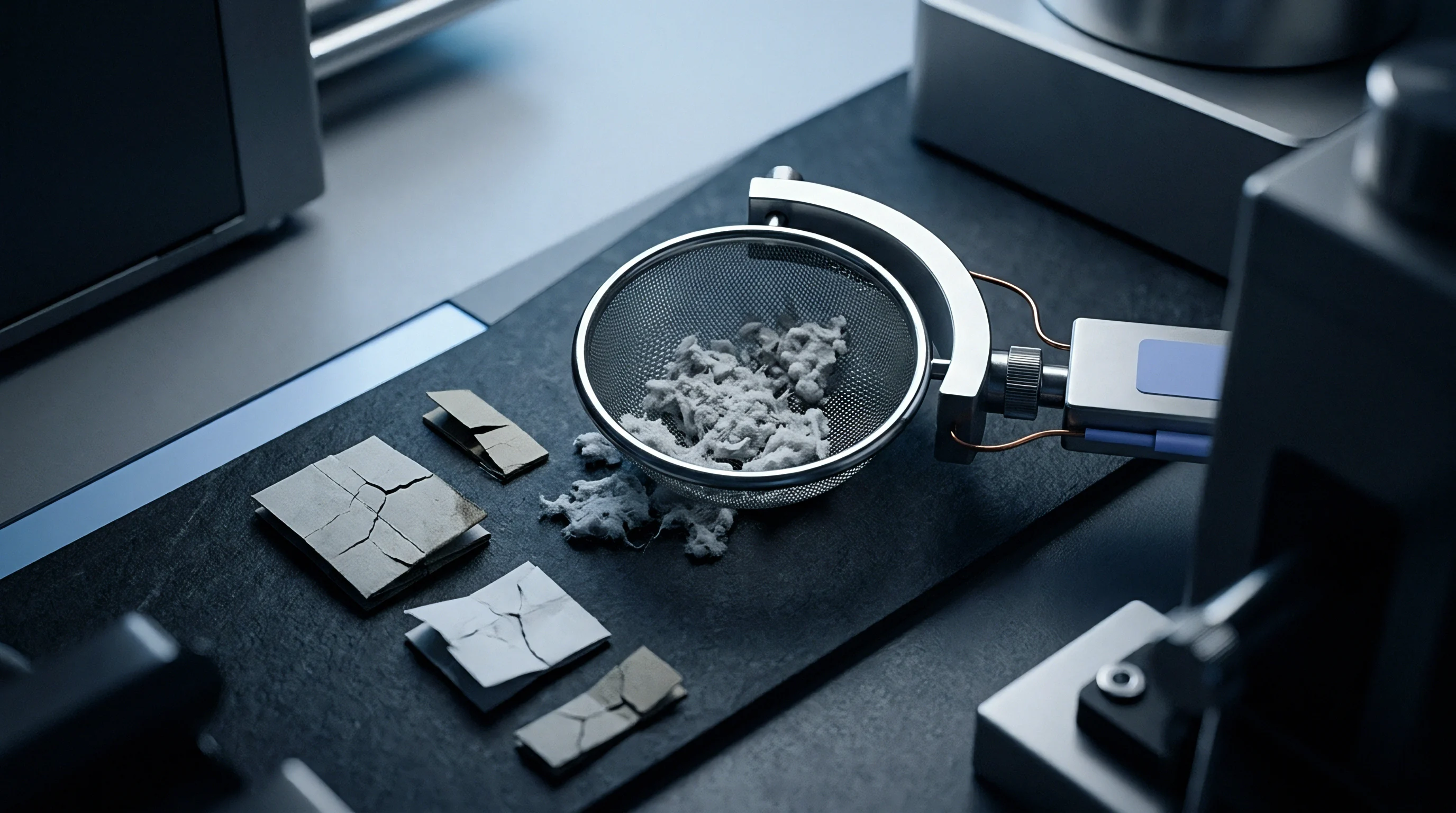
Sheet compression strength improves at the same time. Short-span compression test index rises from 28.5 Newton-meters per gram on baseline pulp to 32.1 Newton-meters per gram on high-hemicellulose pulp. This gain allows box compression targets to be met while reducing sheet grammage from 150 grams per square meter to 142 grams per square meter, representing a 5.3 percent fiber saving in converted packaging production.
- Chip liquor impregnation saturates wood microcavities under hydraulic pressure to establish uniform alkali and temperature gradients before digestion begins.
- Low-temperature end-group stabilization converts aldehyde functions into aldonic acids between 90 °C and 110 °C to prevent early peeling.
- Controlled temperature elevation ramps digester zones to 160 °C while maintaining effective alkali concentrations below 12 grams per liter.
- Blow line mechanical discharge defibrates cooked chips at target Kappa numbers while minimizing fiber wall shearing and structural micro-compressions.
- Mechanical refining optimization applies low-intensity beating forces that hydrate preserved hemicellulose chains without shortening softwood fiber lengths.

Inter-Fiber Bonding and Tensile Energy Absorption
Tensile energy absorption depends on hydrogen bond density and microfibril alignment. Retained galactoglucomannan forms amorphous interstitial zones between crystalline cellulose microfibrils, distributing stress evenly through the fiber wall under strain. Paper webs made from high-hemicellulose pulps show higher tensile energy absorption, cutting web breaks on high-speed converting lines.
Preserving native hemicellulose structure lowers mechanical refining resistance while elevating inter-fiber shear strength in the dry web.

Refining Mechanics and Energy Consumption
Refining transfers mechanical energy into fiber walls through bar-to-bar impacts inside disc refiners. High-hemicellulose pulps have soft, highly hydrated walls that absorb mechanical energy efficiently, promoting internal fibrillation while minimizing fiber shortening and fines generation. Lower fines content improves drainage on the paper machine wire, reducing steam demand in the dryer section.
High digestion temperatures that strip hemicellulose force converting plants to raise sheet grammage to meet minimum compression standards.
Stamp
Certification and regulatory compliance require physical verification of wood inputs against dry pulp production. Chain of custody schemes like FSC-STD-40-004 V3-1 and PEFC ST 2002:2020 mandate precise yield accounting across chemical pulping operations. Mill conversion factors define the ratio of certified roundwood input to certified pulp output credited to physical accounts.
Digester modifications that boost fiber yield directly alter these conversion factors. Under percentage or credit system rules, a mill must update its declared conversion ratios whenever process changes shift pulp yield by more than 1.5 percent. Failing to adjust output credit allocations after yield shifts invalidates downstream chain of custody claims on finished paper products.
Food-contact packaging introduces further testing requirements for unbleached softwood kraft pulps. European Regulation (EC) No 1935/2004 and Recommendation XXXVI of the Federal Institute for Risk Assessment set strict limits on extractable organics. Digestion degradation products, including low-molecular-weight organic acids and residual isosaccharinic acids, must be thoroughly washed from brownstock to prevent migration into dry, moist, or fatty foods.
- Annual yield conversion auditing verifies wood chip dry weight against pulp yield percentages across certified mass balance accounts.
- Water extractables analytical testing quantifies cold and hot water soluble organic constituents in accordance with standard EN 645 and EN 647.
- Non-volatile migration screening confirms compliance with BfR Recommendation XXXVI limits for packaging intended for dry and fatty food contact.
- Chain of custody credit allocations align physical digester yield gains with percentage claim transfers on downstream delivery documentation.
Washing efficiency determines the residual organic load carried to the paper machine stock chest. Operations typically target a Northern European Equivalent washing efficiency factor above 8.0, keeping total dissolved organic solids below 5.0 kilograms per air-dry tonne of washed pulp. Compliance testing follows water extraction procedures under EN 645 for cold extracts and EN 647 for hot extracts, evaluating total organic carbon and specific migration limits.
Chain of Custody Yield Accounting Protocols
Mass balance verification combines bone-dry wood chip scale data with automated pulp bale moisture sampling. Third-party auditors reconcile quarterly wood receipts against pulp production ledgers, and any variance between calculated chip use and physical inventory triggers corrective action protocols under scheme guidelines.
| Regulatory Scope | Test Method Standard | Target Parameter | Compliance Threshold |
|---|---|---|---|
| FSC Mass Balance | FSC-STD-40-004 V3-1 Clause 8 | Input-Output Conversion Factor | Re-calibrated within 1.5% yield shift |
| PEFC Chain of Custody | PEFC ST 2002:2020 Clause 6.3 | Physical Mass Reconciliation | Quarterly audit ratio alignment |
| Food Contact Extractables | EN 645 / EN 647 | Cold/Hot Water Soluble Organics | Less than 10 mg/dm2 paper surface |
| Industrial Compostability | EN 13432 / ISO 14855-1 | Aerobic Biodegradation Rate | 90% disintegration within 12 weeks |

Food Contact Migration Limits and Washing Efficiency
Packaging compostability under EN 13432 evaluates breakdown in industrial composting environments. Preserved hemicelluloses degrade faster under aerobic microbial activity than crystalline cellulose, speeding up physical disintegration of unbleached packaging boards. Organic residues from anthraquinone addition must remain below the maximum concentration thresholds set by regional eco-labeling standards.
Standard FSC-STD-40-004 requires annual re-calibration of conversion factors whenever chemical digestion modifications alter fiber yield by more than two percent.
Clause 6.3.2 of PEFC ST 2002:2020 mandates immediate adjustment of percentage claim outputs upon any digester yield drift exceeding one point five percent over a quarterly accounting cycle.
Margin
The commercial value of softwood kraft pulp directly reflects the balance between raw wood expenditure and fiber output per digester cycle. Raw wood chips account for 52 to 62 percent of total manufacturing cash costs in bleached softwood kraft production, so even small shifts in digester yield strongly influence mill operating margins and overall economics.
A softwood kraft mill producing 500,000 air-dry tonnes of pulp per year consumes roughly 1.08 million bone-dry tonnes of wood chips at a baseline yield of 46.0 percent. At a market cost of 120 Euros per bone-dry tonne, annual wood expenditure totals 129.6 million Euros. Raising digester yield by 2.0 percentage points to 48.0 percent using anthraquinone and polysulfide modification reduces wood consumption to 1.04 million tonnes for the same pulp output.
This yield improvement cuts annual wood purchases by 41,666 bone-dry tonnes, saving 5.0 million Euros directly each year. Further operational savings come from lower black liquor solids loading per tonne of pulp, relieving recovery boiler steam bottlenecks and allowing higher throughput in recovery-limited mills.

Wood Fiber Consumption and Cost Sensitivity
Sensitivity analysis confirms that financial benefits scale directly with local wood pricing. In high-cost timber regions where softwood chip prices exceed 160 Euros per bone-dry tonne, a 1.0 percent yield increase generates over 3.4 million Euros in annual savings for a world-scale market pulp mill.
| Yield Improvement (Percentage Points) | Wood Cost @ €100 / BD Tonne (€) | Wood Cost @ €130 / BD Tonne (€) | Wood Cost @ €160 / BD Tonne (€) | Wood Cost @ €190 / BD Tonne (€) |
|---|---|---|---|---|
| +0.5 % | 1,075,000 | 1,397,000 | 1,720,000 | 2,042,000 |
| +1.0 % | 2,127,000 | 2,765,000 | 3,403,000 | 4,041,000 |
| +2.0 % | 4,166,000 | 5,416,000 | 6,666,000 | 7,916,000 |
| +3.0 % | 6,122,000 | 7,959,000 | 9,795,000 | 11,632,000 |
Contractual Yield Guarantees and Risk Allocation
Pulp supply contracts and chip purchasing agreements increasingly include explicit yield performance terms. Additive suppliers pitch yield-enhancing technologies backed by guaranteed minimum yield increments, where failing to hit specified gains triggers contract penalties that rebate chemical costs to the mill.
Cross-border trade of unbleached coniferous chemical wood pulp under HS code 4703.11 requires consistent chemical characterization. Customs authorities verify declared yield parameters against residual lignin content and alpha-cellulose determinations to confirm tariff classifications. Discrepancies between declared specifications and physical yield markers risk customs holds, exposing importers to demurrage charges and origin verification audits at discharge ports.
Managing commercial risk depends on establishing clear correlation models between white liquor chemical parameters and final pulp composition. Continuous online measurement of effective alkali, dissolved lignin, and liquor density provides real-time feedback for automated digester controls, protecting yield stability while mitigating compliance risks across supply chains.