Calculating Machine Deckle Utilization Efficiency for Uncoated Kraft Linerboard
Calculate machine deckle efficiency by dividing total slit customer roll widths by maximum trimmed web width, factoring in edge shrinkage and repulping waste.
Calculate machine deckle efficiency by dividing total slit customer roll widths by maximum trimmed web width, factoring in edge shrinkage and repulping waste.
Retain board bulk and bending stiffness by applying surface moisture gradients to lower outer ply glass transition temperatures before soft nip compression.
Polymer barrier coating performance relies on balancing extensional viscosity to prevent misting with rapid thixotropic recovery to eliminate pinhole defects.

Chemithermomechanical core compliance modeling predicts time-dependent box compression decay under changing humidity by coupling viscoelastic Prony series with shear kinematics.
Dynamic Mechanical Analysis quantifies z-axis caliper loss under dynamic converting loads to prevent carton collapse and protect structural bending stiffness.
Matrix channel width equals creasing rule thickness plus board caliper multiplied by grade constants ranging from 1.4 for SBB to 1.7 for WLC.
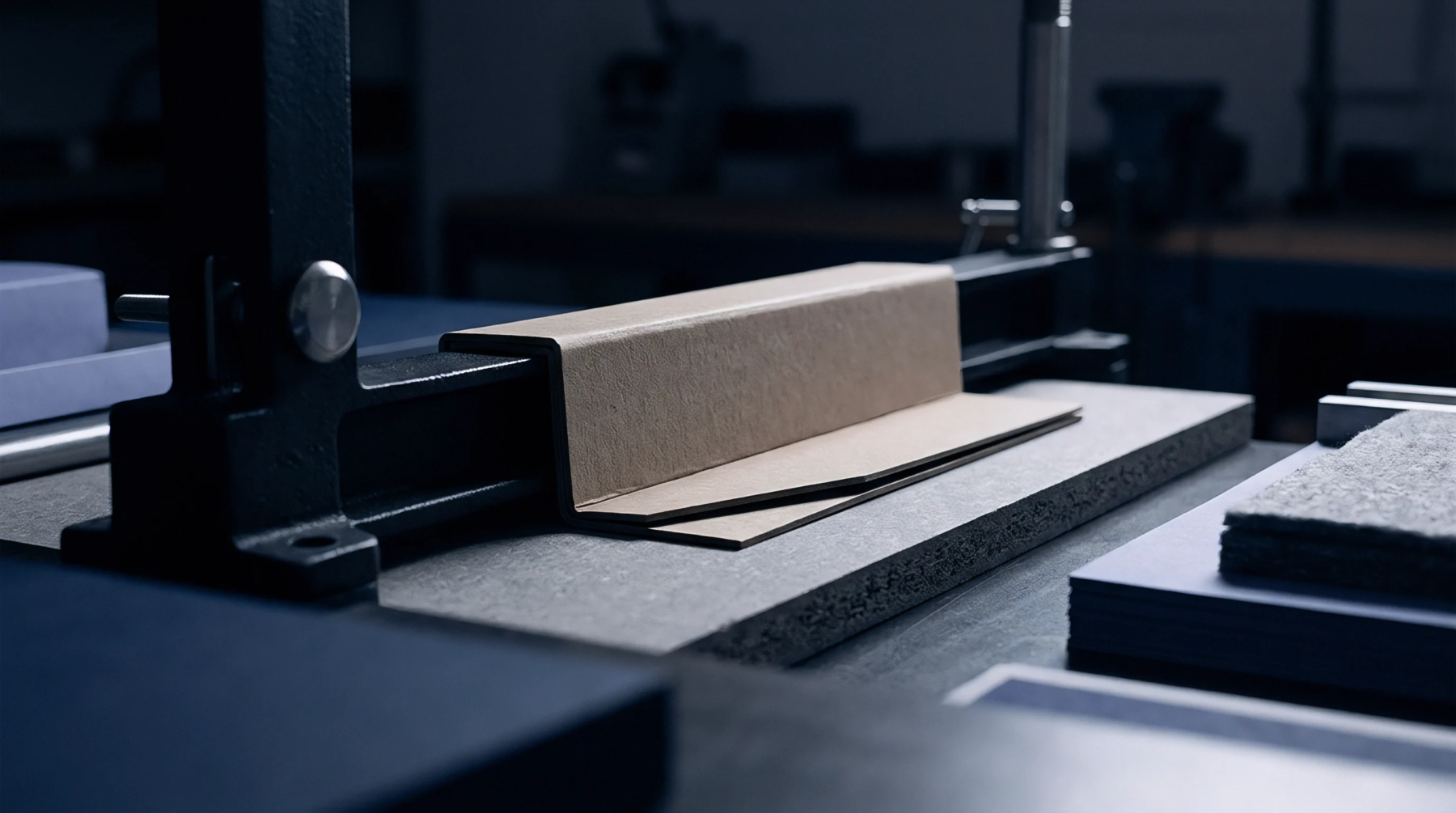
Recycled folding boxboard requires expanding matrix channel width from 1.5 to 1.8 times caliper plus rule thickness to prevent top-liner rupture.

Subsurface light penetration introduces up to 25 micrometers of optical drift in laser triangulation, requiring cross-polarization and grade-specific ISO 534 calibration.
Dynamic pass line vibration cancellation restores laser caliper gauge resolution down to sub-micron accuracy by eliminating phase-lag z-axis position errors.

Dual beam telecentric triangulation delivers non-contact web caliper measurement by cancelling flutter and eliminating lens magnification errors across moving webs.
Substrate compression ratio measures z-axis compaction, balancing tool impression depth against fiber strain limits to maximize embossing height without shearing.
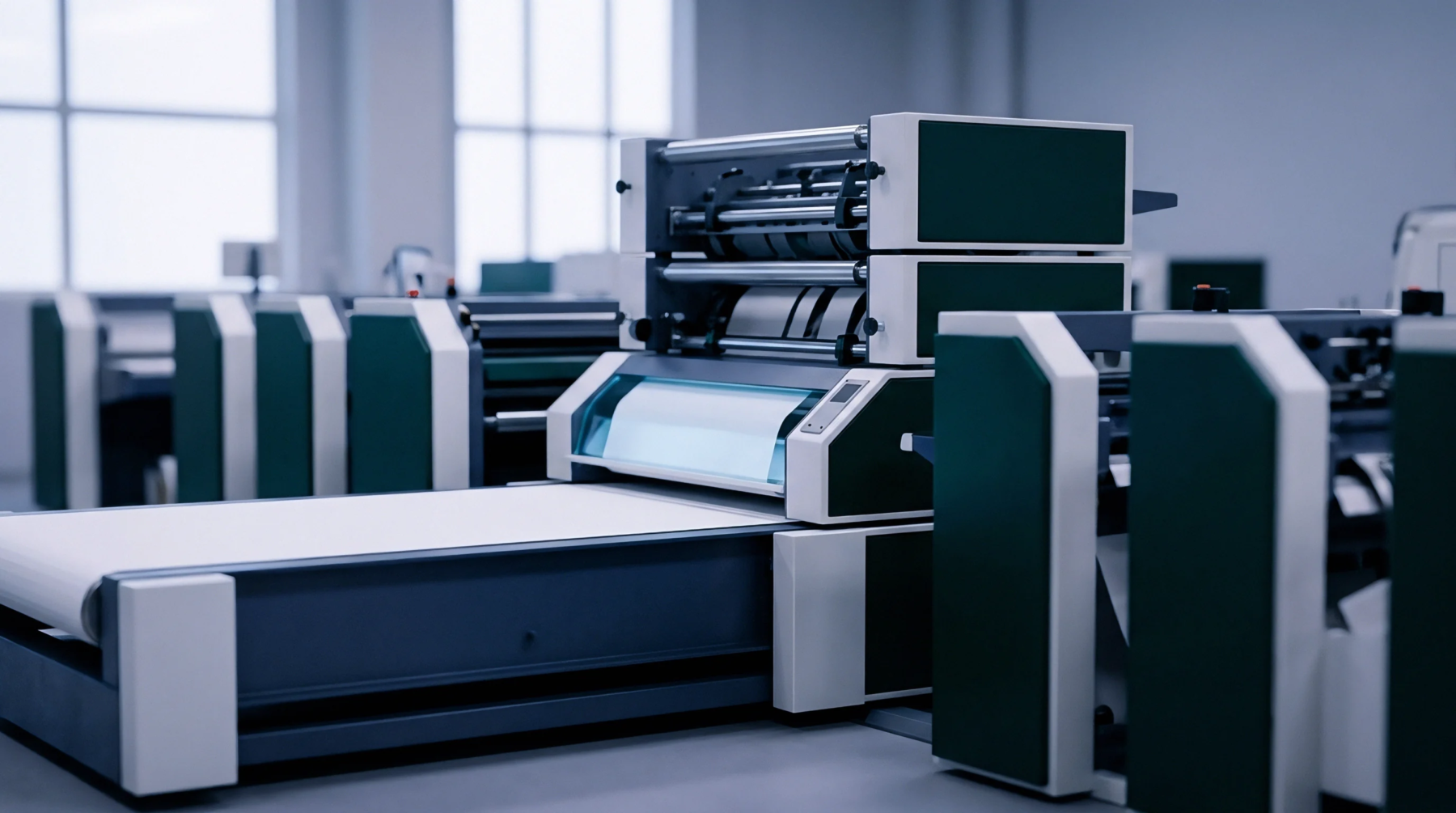
Converting formulas combine deckle trim efficiency, multi-pass spoilage allowances, freight mass shifts, and scrap recovery to determine landed blank costs.
High erection speeds induce inter-ply shear strain that causes carton delamination when Z-direction bond strength drops below 180 Joules per square metre.

Optimizing multi-ply boxboard caliper requires balancing mechanical core thickness against chemical skin elastic modulus to maximize bending stiffness per unit weight.
Predicting package panel bulge demands measuring multi-ply out-of-plane shear stiffness C44 via ultrasonic wave dispersion to prevent high-speed line failures.
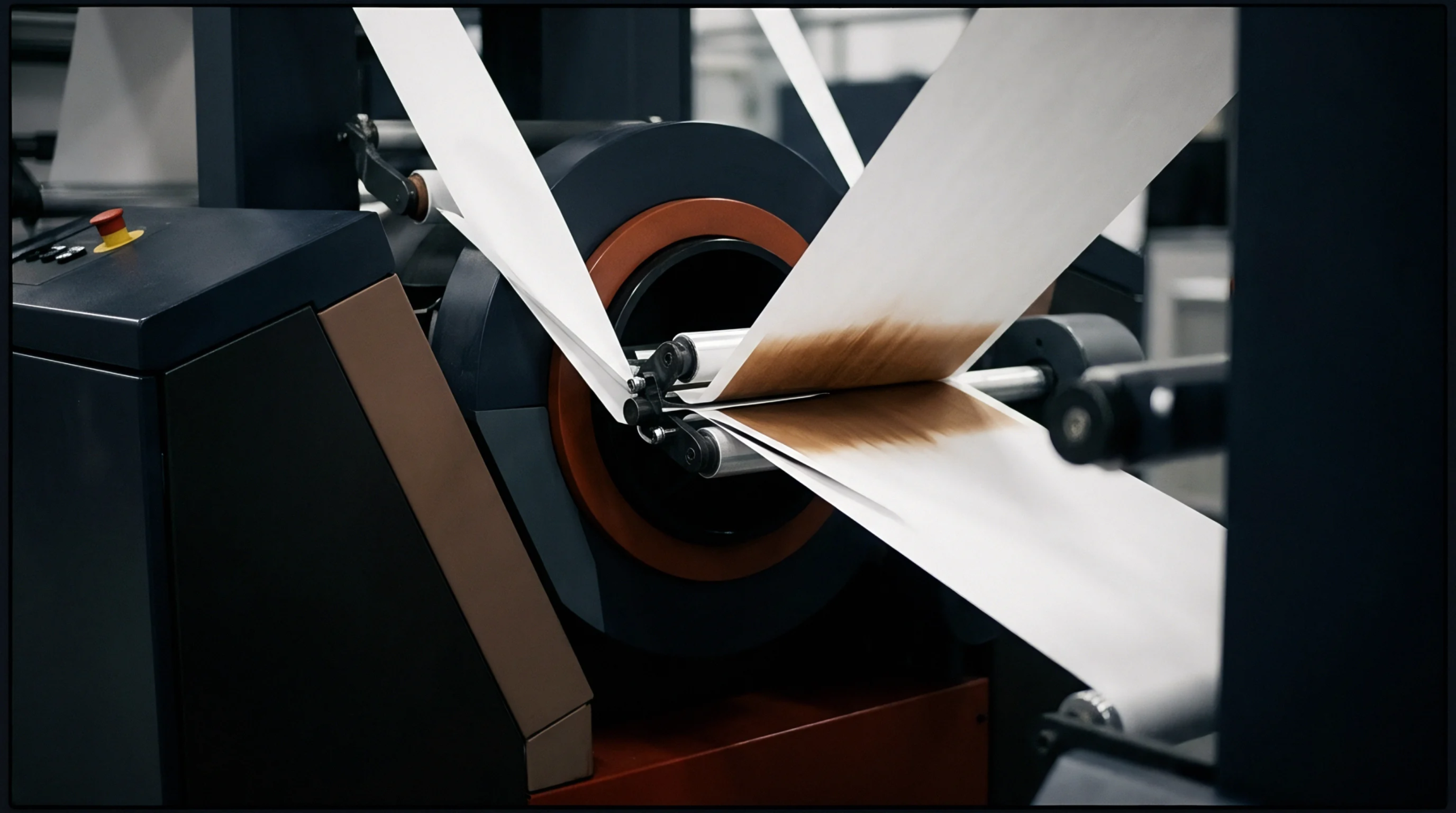
Non-contact thickness gauging uses optical or nuclear sensors to deliver real-time caliper profiles, enabling basis weight down-gauging while meeting ISO 534 limits.
Moisture swings accelerate compression creep in recycled board through transient matrix softening and anisotropic thickness swelling that degrades stacking yield.
Dynamic mechanical analysis identifies hemicellulose moisture thresholds that prevent score cracking during high speed converting of mechanical pulp middle plies.
Middle ply CTMP bulk provides structural moment of inertia, while short-span compression bench testing quantifies network collapse risks under load.
Female cavity depth equal to compressed bulk caliper and counter clearance matching substrate compressed thickness prevent fiber shear during embossing.
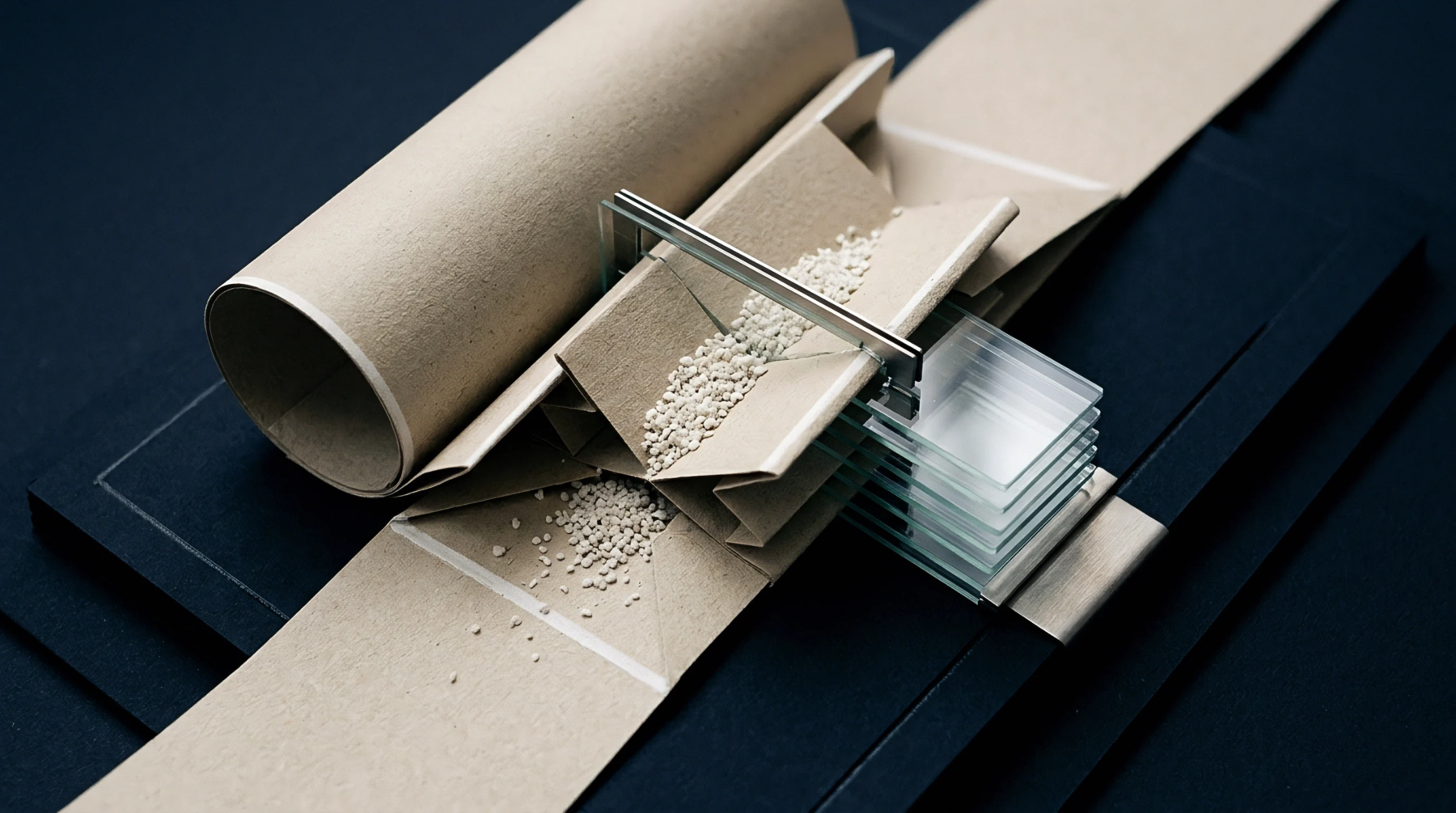
Cross direction creasing of chemical pulp requires expanding matrix channel width to 1.5 to 1.7 times board caliper plus rule width to prevent liner cracking.

Dynamic paperboard creasing requires speed-adjusted tooling channel geometry to prevent barrier micro-fracturing and maintain shelf-life performance.

Eucalyptus fiber collapse and hydrogen bond density dictate sheet tensile strength, bulk retention, and landed sheet cost in commercial packaging grades.

Core layer mechanical pulp distribution controls folding boxboard bulk and bending stiffness, enabling weight reduction while preserving box structural integrity.
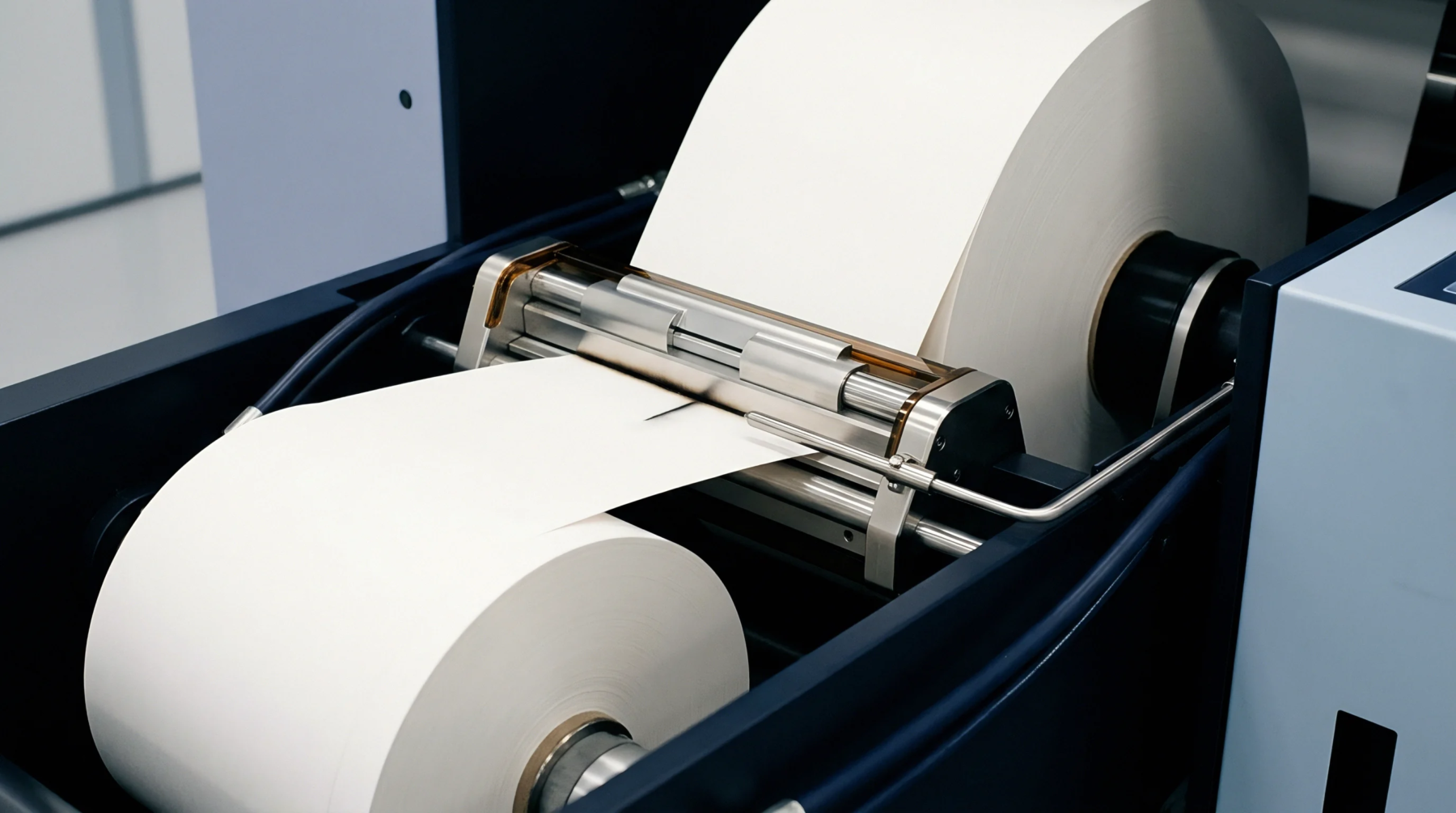
High-bulk BCTMP cores maintain boxboard bending stiffness during caliper downgauging while chemical wet-end additives prevent delamination under score creasing.
Hardwood pulp substitution increases sheet density but reduces caliper, dropping bending stiffness cubically and eroding high-speed converting line speed headroom.
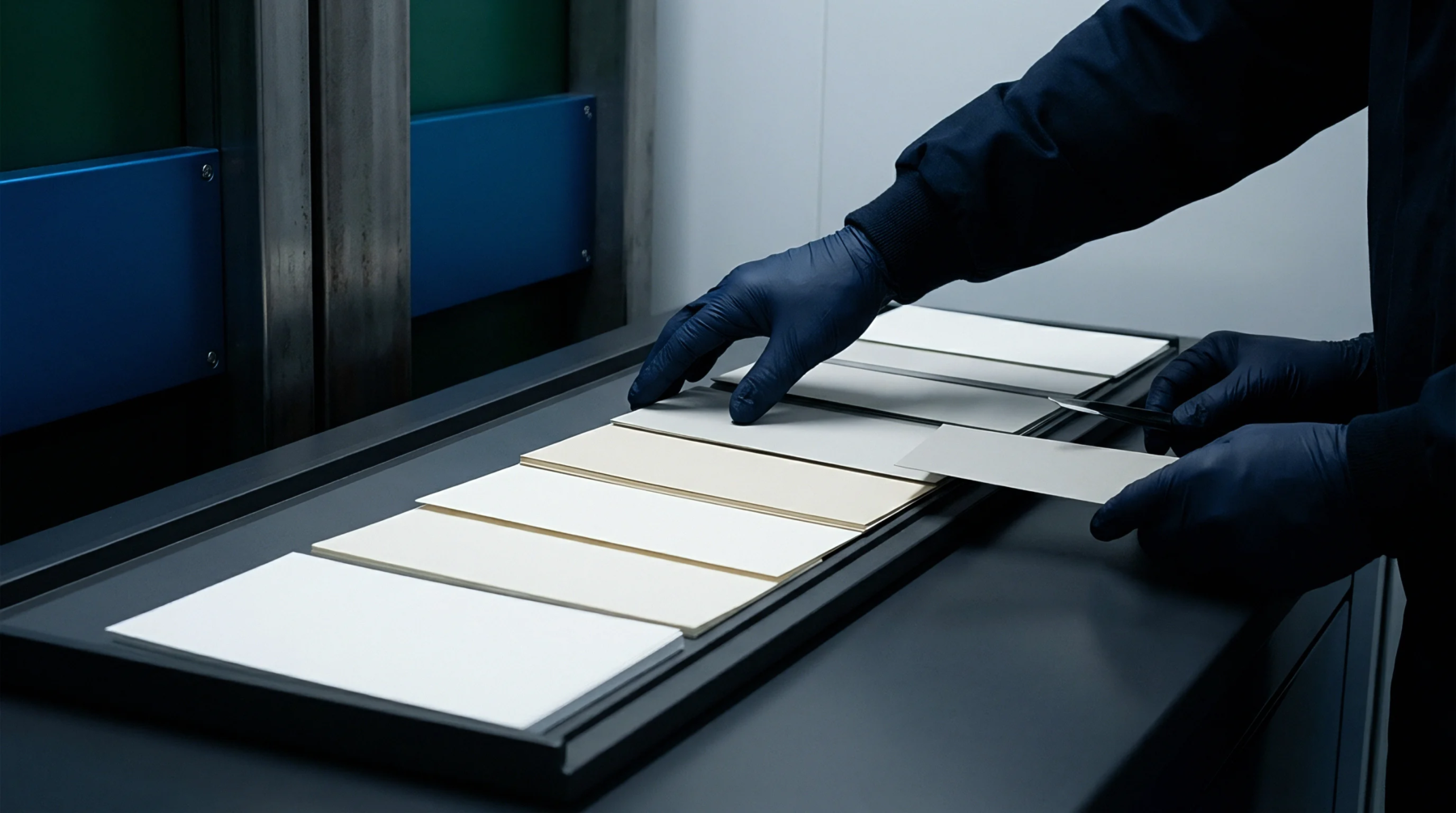
Paperboard physical property verification requires strict ISO 187 conditioning and standardized test methods to ensure compliance and prevent customs holds.
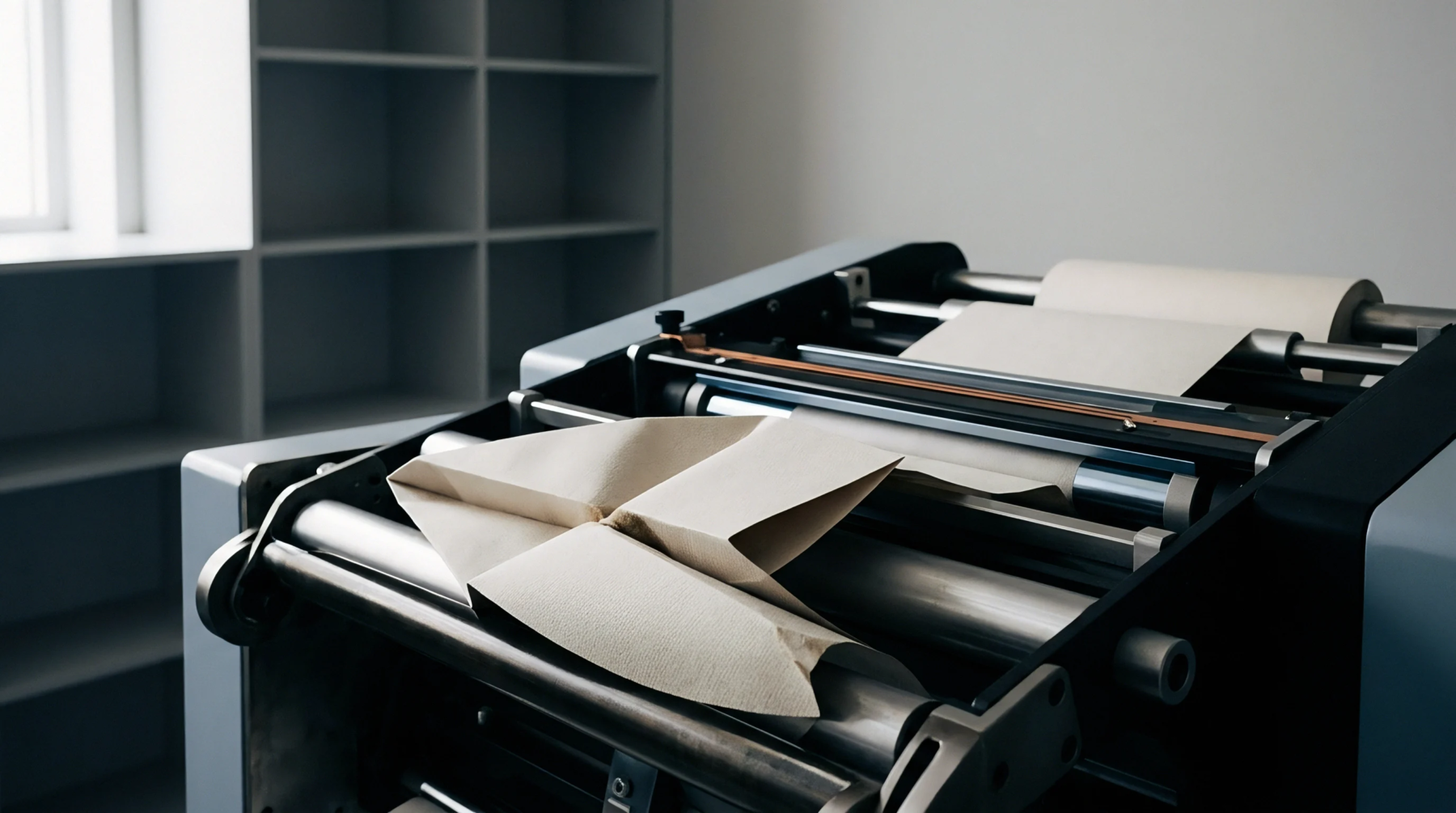
Uncoated folding boxboard requires matrix channel width equal to creasing rule thickness plus 1.8 times caliper to prevent top liner cracking during folding.
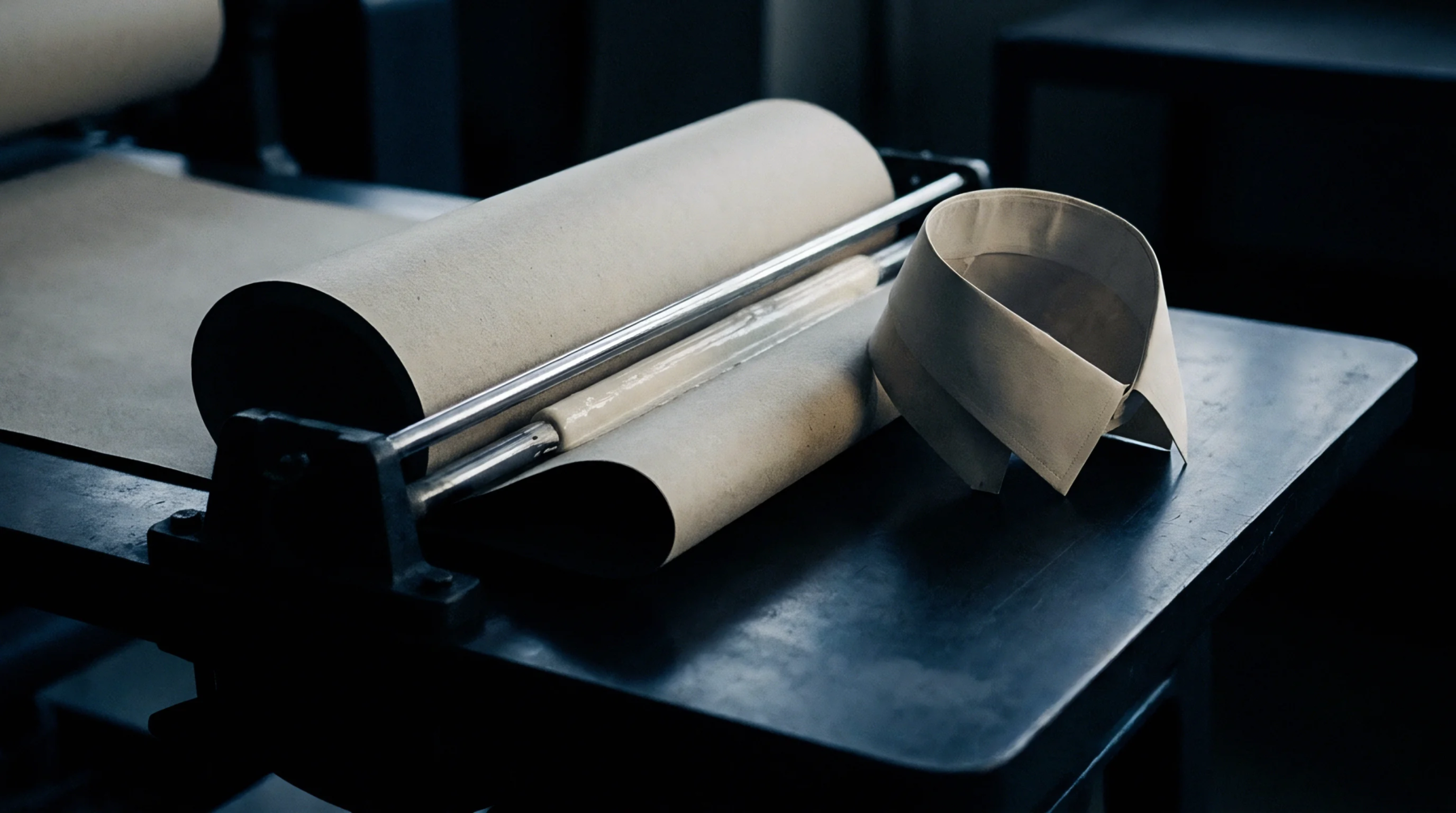
Swapping dense SBS for bulky FBB preserves bending stiffness through thickness retention while cutting material weight by fifteen to twenty percent per carton.
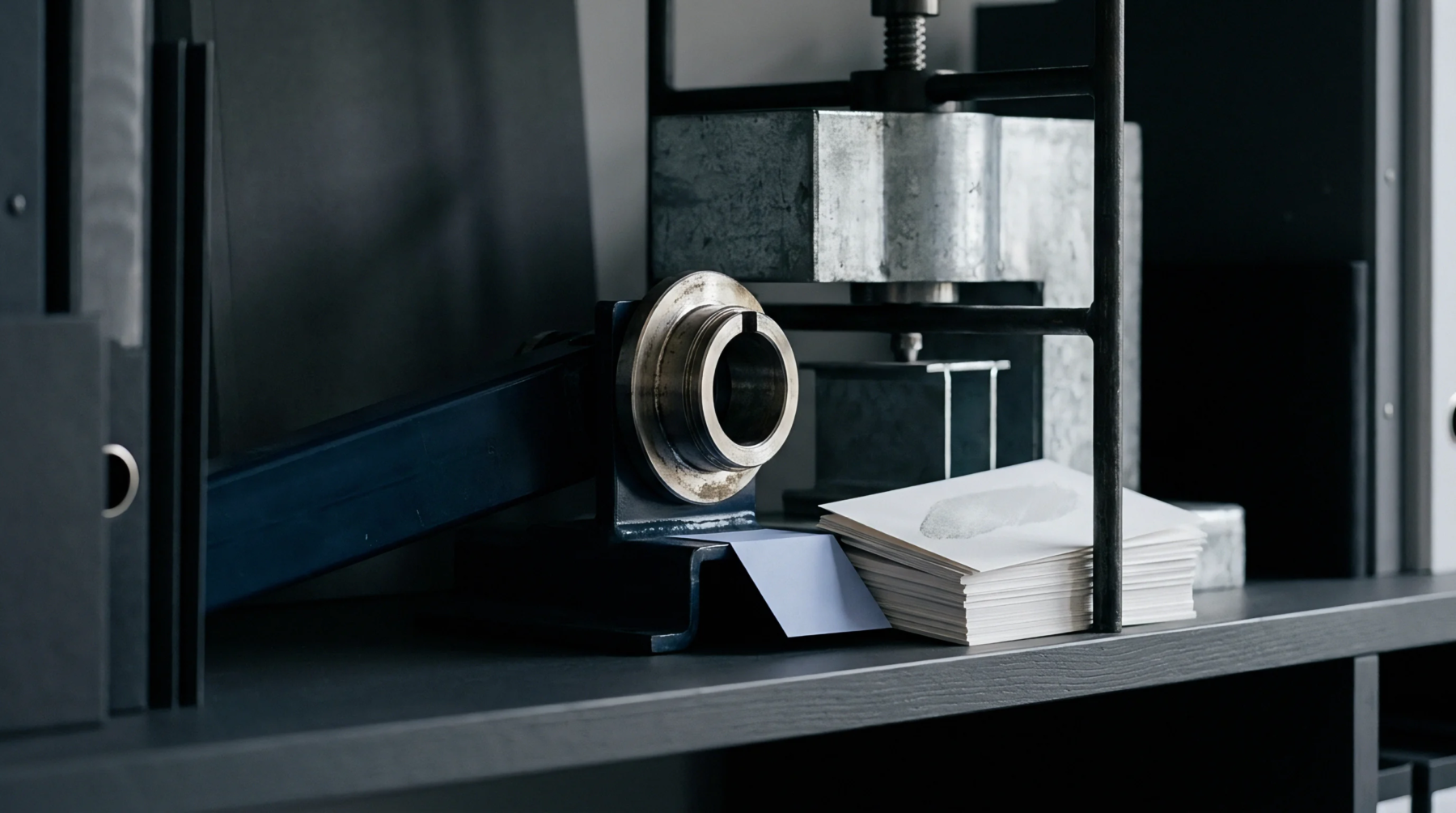
Widening matrix channel width to 1.7 times board caliper mitigates score cracking on recycled board by promoting controlled internal ply delamination.
Expertise is a utility, not a secret. sentiention™ publishes its working knowledge as open reference: intelligence layer covering the materials it sources, the markets it enters, and the reference that serves both.