Cell Discharge
Fluid transfer efficiency during gravure printing depends on anilox cell release, which describes how completely liquid ink empties from laser engraved microstructures before paper contact. Ceramic roller walls hold millions of microscopic cavities containing pigmented coatings, and surface tension forces constantly fight against centrifugal acceleration. Machine speeds exceeding two hundred metres per minute demand rapid evacuation rates because slow drainage causes ink starvation inside printing plates.
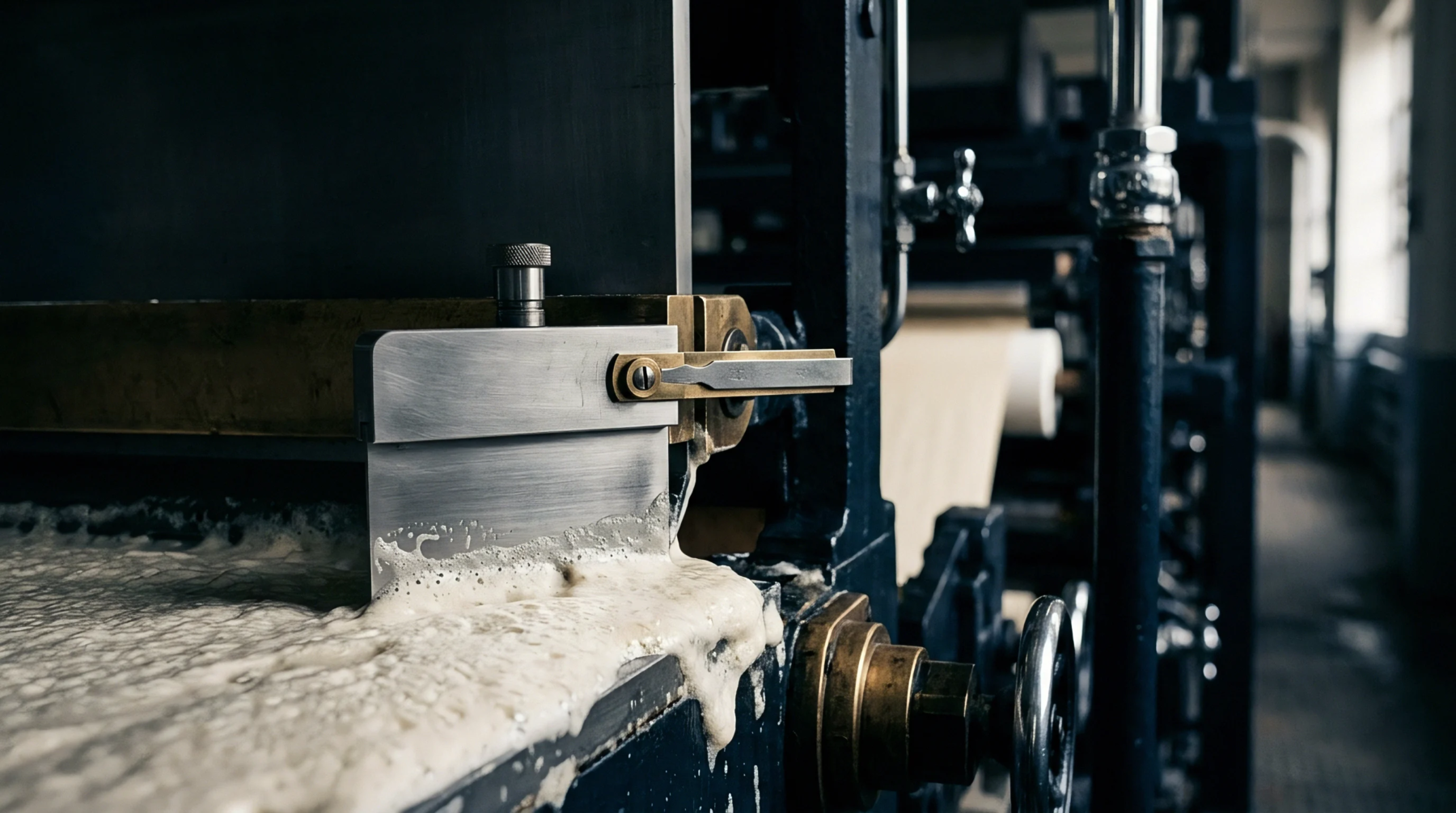
Doctor blades wipe excess fluid from polished roller faces while remaining volumes travel toward substrate contact zones. Gravure cylinders rely on microscopic geometry parameters including wall angle and screen count to govern overall liquid evacuation capacity.
Volume Variance
Measured carrying capacities frequently exceed practical transfer levels because fluid dynamics trap residual films inside microscopic corners. Pigment viscosity variations alter drainage mechanics considerably as high molecular weight binders resist sudden centrifugal expulsion forces. Closed doctor blade chambers seal pressurized fluid directly against roller surfaces to force complete cavity emptying during high speed folding carton production.
Paper board porosity gradients create capillary suction pulls that assist liquid evacuation during direct contact phases. Roller wear reduces cavity depth over extended operating cycles which ultimately decreases total transfer capability across heavy packaging substrates.
Transfer Mechanics
Surface energy differentials between engraved walls and carrier solvents dictate total liquid evacuation success during high speed web offset converting runs. Silicone coatings applied to roller interiors reduce adhesive friction forces and encourage complete drainage without leaving dried residues behind. Defective engraving profiles trap residual pigments inside base corners, which generates speckled printing defects across glossy folding box board surfaces.
Modern ceramic engraving methods utilize variable laser pulse frequencies to create smooth interior walls that eliminate fluid retention problems entirely.