Groundwork for Evaluating Porous Absorption in Recycled Containerboard
Evaluating containerboard porous absorption via dynamic contact angles and Cobb limits prevents adhesive starvation, reduces starch consumption, and optimizes run rates.
Evaluating containerboard porous absorption via dynamic contact angles and Cobb limits prevents adhesive starvation, reduces starch consumption, and optimizes run rates.

Downgauged recycled cartonboard requires precise rate-dependent shear delamination modeling to prevent liner cracking and costly folder-gluer jams.
Subzero equilibrium in recycled containerboard takes up to 35 days at -18C, shifting equilibrium moisture by 2.4% higher than virgin kraft grades.
Dynamic shear thresholds in recycled paperboard collapse under impact speeds; verify Mode II fracture energy at high strain rates to prevent carton delamination.
Physical recycled packaging validation requires combining ISO 17025 accredited laboratory assays with batch-level EN 15343 physical segregation custody dossiers.

Verify Scott Bond above 120 J/m² and ZDT above 220 kPa under ISO 187 conditioning to prevent blanket delamination and score splitting on recycled cartonboard.

Inter-ply shear energy dissipation in recycled calipers depends on wet-end starch bonding to prevent outer liner cracking during scoring operations.

Characterizing porous absorption in recycled paper requires measuring dynamic capillary wicking and pore size distribution to control ink set times and glue bonds.
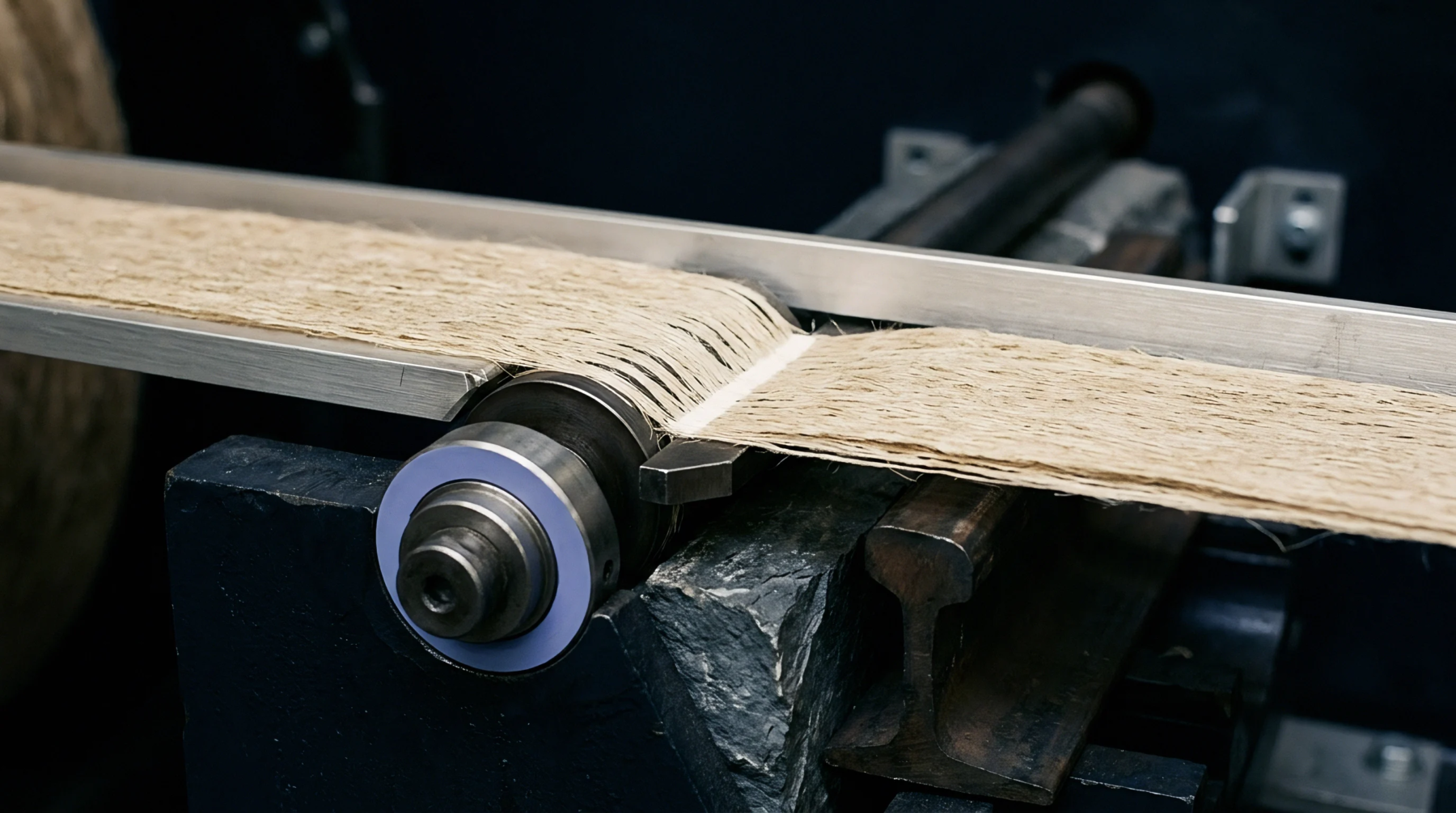
Low-fibre recycled board requires widening female matrix channels to 1.8 times caliper and reducing penetration depth to prevent top-liner rupture.

Matching dynamic Scott Bond energy above 120 J/m² prevents high-speed folder-gluer delamination and reduces net carton cost through lower line scrap.
Expertise is a utility, not a secret. sentiention™ publishes its working knowledge as open reference: intelligence layer covering the materials it sources, the markets it enters, and the reference that serves both.