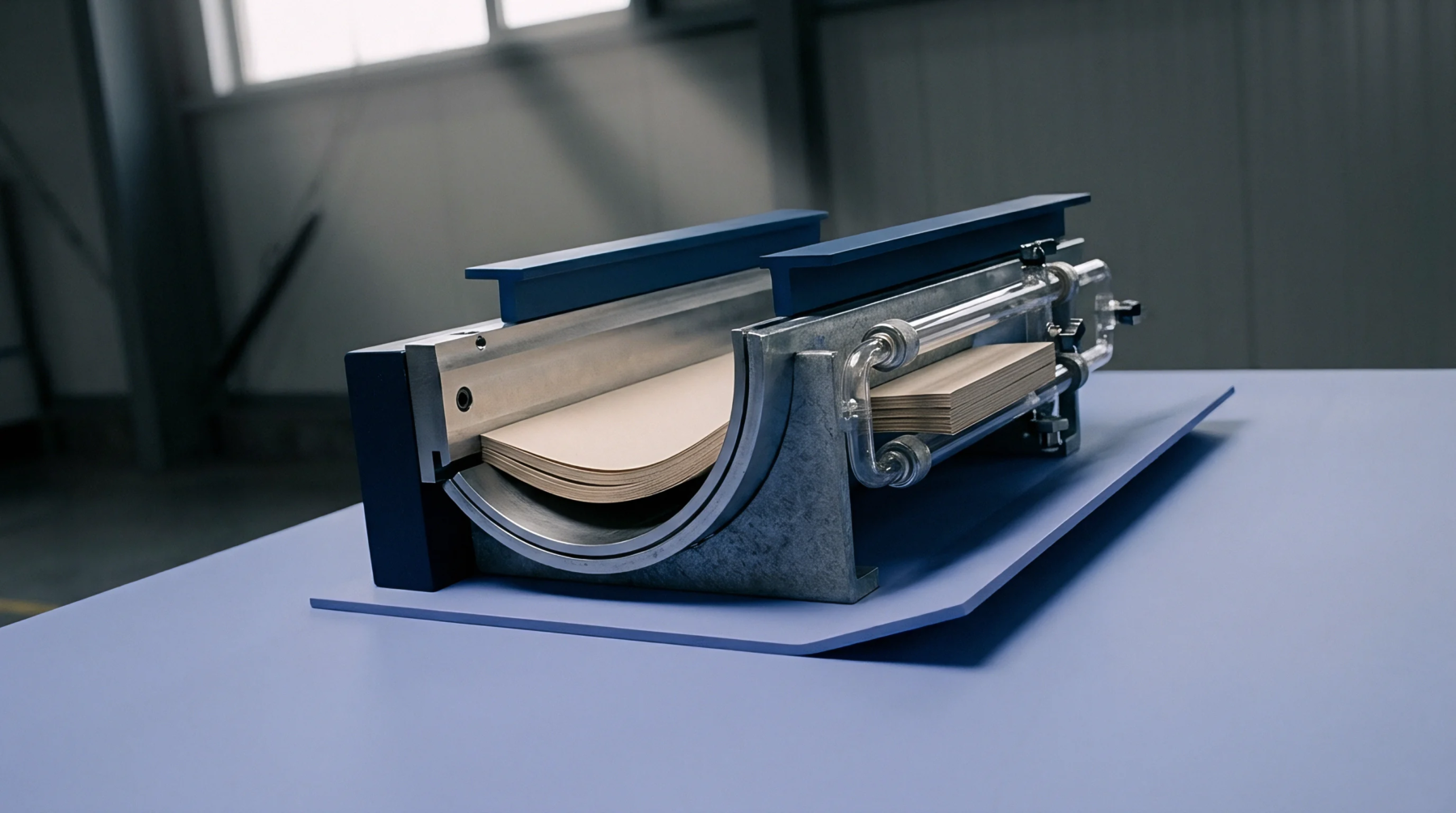
Quantifying Physical Recycled Content in Mass Balance Paper Ledgers
Mass balance paper ledgers attribute recycled credits across production runs, requiring strict dry-fiber yield reconciliation to survive compliance audits.
Mass balance paper ledgers attribute recycled credits across production runs, requiring strict dry-fiber yield reconciliation to survive compliance audits.

Spectroscopic online pulper sensors decouple mineral filler spikes from fiber shortening, automating chemical dosing and defending mill yield against bad bales.
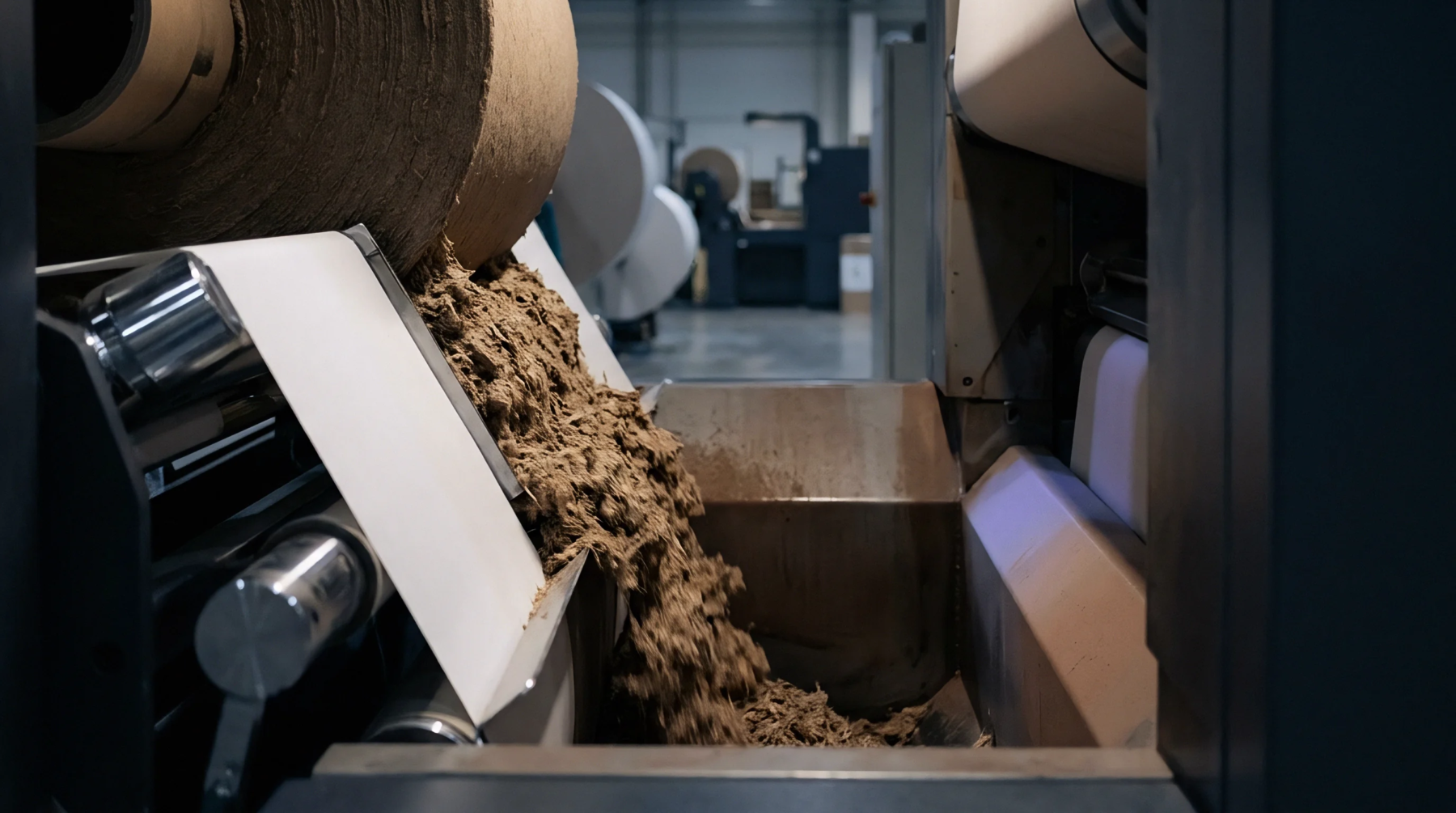
Laboratory pulp fractionation isolates fiber length and contaminant fractions to substantiate yield declarations, chain of custody records, and border taxes.

Unrefined eucalyptus sheet formation demands short, low-coarseness fibres to limit the crowding factor, prevent flocculation, and ensure uniform pore density.

Long softwood fibers maximize board bending resistance by increasing elastic modulus on outer plies while maintaining the caliper needed for flexural stiffness.

Real-time NIR spectroscopy coupled with automated divert gate algorithms stabilizes furnish quality, rejecting off-spec recycled stock before pulper entry.
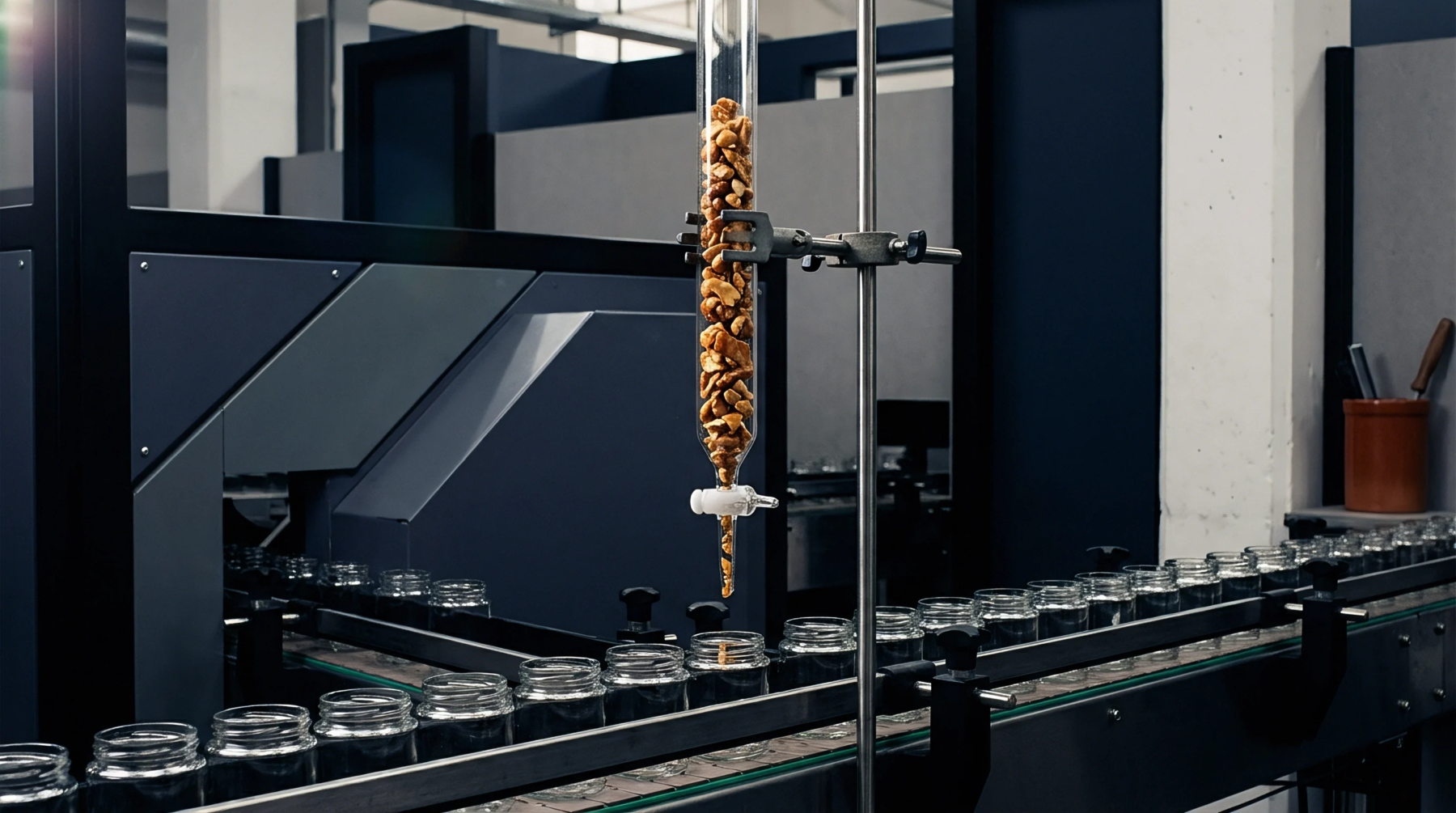
Analytical testing verifies physical furnish markers and migration safety, while administrative chain records prove legal recycled content claims.

Fractionating recycled furnish prior to low-consistency refining preserves boxboard caliper while meeting internal bond targets at reduced energy consumption.

Recycled fibre shortening and hornification limit bending strain, requiring wider matrix channels and virgin top layers to prevent score cracking.
Expertise is a utility, not a secret. sentiention™ publishes its working knowledge as open reference: intelligence layer covering the materials it sources, the markets it enters, and the reference that serves both.