Viscoelastic Shear Thresholds for Polymer Matrix Degradation under High Contact Pressures
Exceeding polymer viscoelastic shear thresholds under high nip pressure causes molecular chain scission, reducing adhesion and triggering score cracking.
Nip
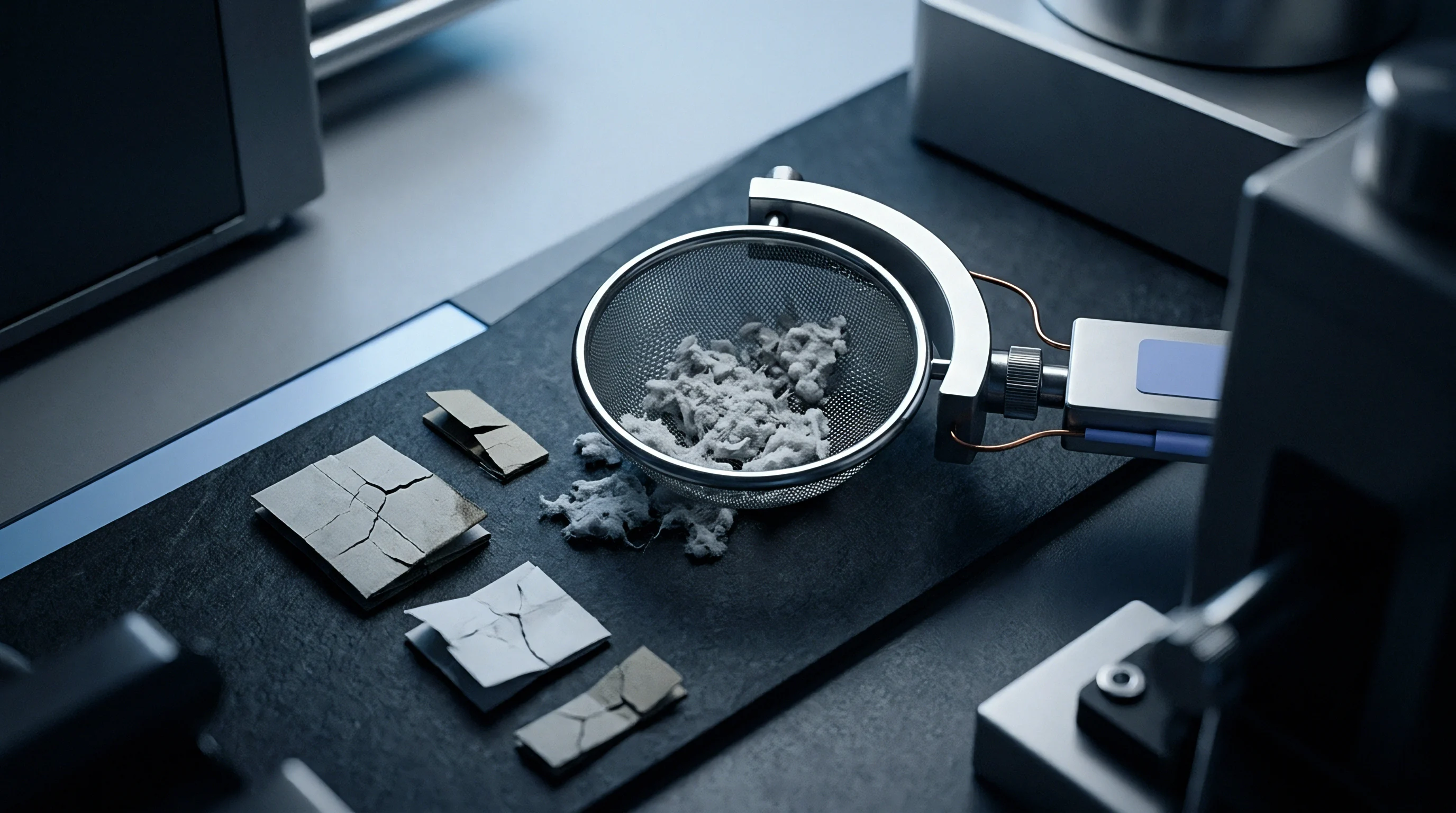
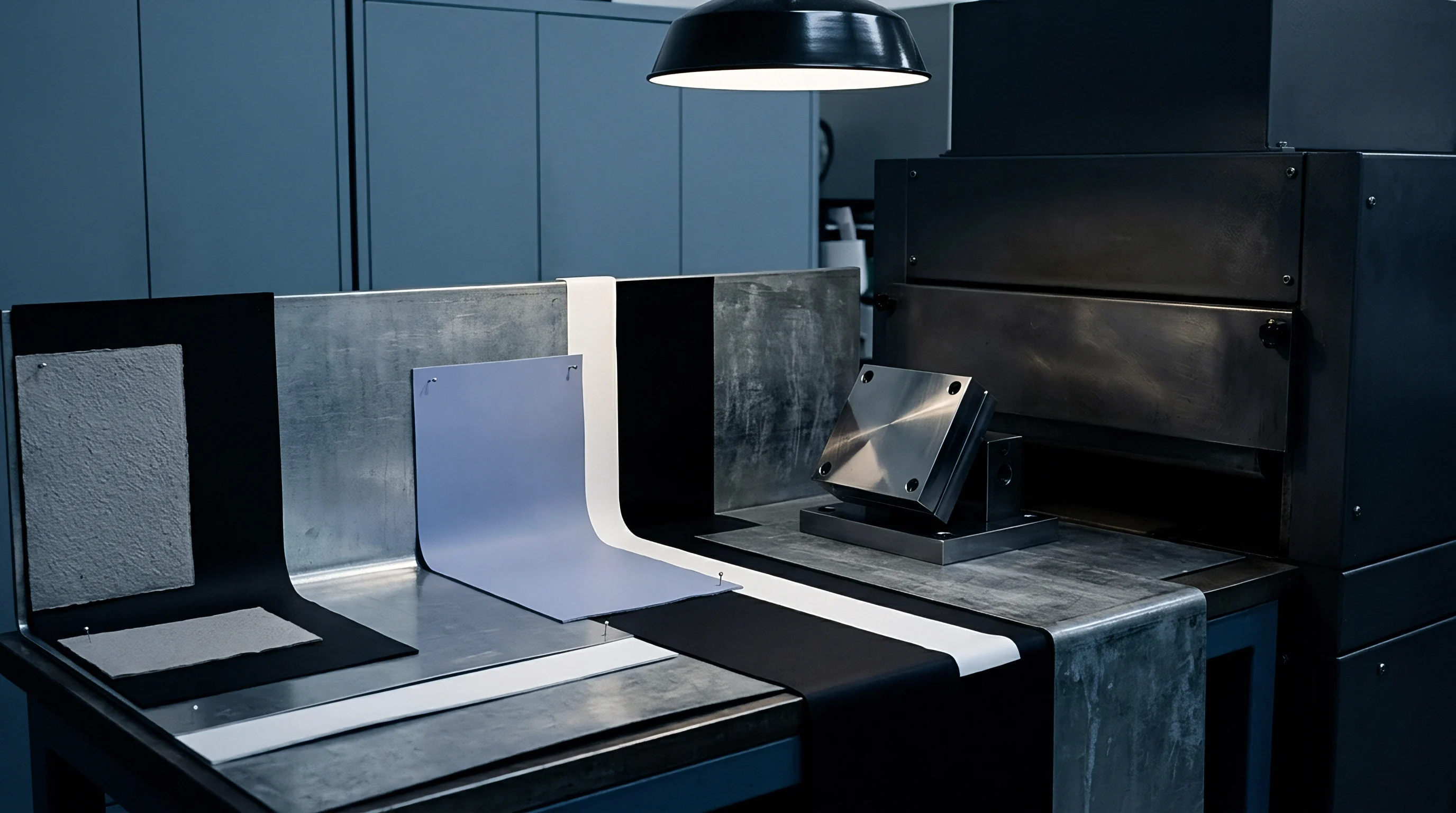
Thermal laminating rollers apply compressive stresses exceeding 35 MPa directly to molten polyolefin layers during paperboard combination. Under these conditions, the polymer matrix transitions from a linear viscoelastic response into non-Newtonian shear thinning, with shear rates in narrow processing gaps reaching 10,000 to 100,000 reciprocal seconds. Mechanical force overcomes carbon-carbon bond energy along the polymer backbone, initiating mechanochemical chain scission before thermal equilibration allows macromolecules to relax under intense stress gradients.

Mechanochemical Chain Scission in Thermal Rollers
High-pressure processing of polyolefins subjects long-chain molecules to severe mechanical stress within restricted flow channels, physically stretching polymer chains beyond their entropic elasticity threshold. Carbon-carbon single bonds along the main polymer chain possess a dissociation energy near 345 kilojoules per mole. High local shear stress concentrates energy into these covalent bonds, causing homolytic cleavage that generates macroradicals and rapidly lowers viscosity as the molecular weight distribution narrows and weight-average molecular weight drops significantly.
Matrix degradation under mechanical shear alters physical properties throughout the combined sheet. Free radicals produced during chain scission react with dissolved oxygen to form hydroperoxides, carbonyl groups, and low molecular weight volatile compounds, which lowers the glass transition temperature of the laminated film layer. This reduced molecular weight weakens film toughness, leaving the protective surface prone to embrittlement during secondary processing passes.
- Free radical propagation initiates secondary oxidation cycles within the molten adhesive layer, generating polar carbonyl species that alter surface energy.
- Molecular weight truncation reduces long-chain entanglements, shifting the viscoelastic spectrum toward premature viscous flow under thermal stress.
- Volatile organic generation introduces micro-cavities along the substrate interface, weakening mechanical bond strength across the converted web.
Thermal laminating matrices exposed to contact pressures above 40 MPa at 130 degrees Celsius exhibit a 22 percent drop in weight-average molecular weight.
The precise relationship between shear-induced backbone degradation and the rate of primary free radical recombination in pressurized calender gaps remains an active area of investigation among polymer scientists.

Clamp
Flatbed tooling and rotary stamping cylinders subject coated packaging boards to localized forces up to 120 MPa across dwell periods between 15 and 80 milliseconds. These high contact pressures drive the polymer matrix well beyond its yield point, causing structural deformation in both the synthetic coating and the underlying cellulose fiber network. Excess pressure degrades the coating matrix before the impression completes.
At What Pressure Does Chain Scission Occur?
Rheological testing indicates primary degradation initiates when localized stress values exceed 2.8 MPa within the contact zone. Contact pressure distributes unequally across textured stamping dies, creating extreme pressure peaks along sharp relief edges where local shear rates exceed the relaxation capacity of the polymer matrix, forcing the material into irreversible mechanical breakdown.
| Matrix Polymer Type | Glass Transition Temp (°C) | Critical Shear Stress (MPa) | Max Contact Pressure (MPa) | Mechanical Failure Mode |
|---|---|---|---|---|
| LDPE Extrusion Coating | -120 | 2.8 | 45.0 | Chain Scission & Micro-crazing |
| EVA Thermal Adhesive | -35 | 1.9 | 30.0 | Cohesive Yield & Squeeze-out |
| Acrylic UV Varnish | 45 | 4.2 | 85.0 | Brittle Fracture & Flaking |
| Polyurethane Lamination Adhesive | -45 | 3.5 | 60.0 | Interfacial Decoupling |

Setting up Stamping Line Pressure Limits
Machine operators balance tonnage and thermal input to avoid structural breakdown during continuous runs, requiring a strict sequence to protect matrix integrity.
- Measure baseline substrate caliper and coating coat-weight using ultrasonic gauges prior to loading the die cylinder.
- Set impression cylinder clearance to leave an initial gap matching total sheet caliper minus ten percent.
- Heat the die face to operating temperature and perform a static pressure film test to verify impression uniformity.
- Increase tonnage in five percent increments until transfer achieves total coverage without polymer squeeze-out.
Excessive platen heat lowers the shear stress required to rupture polymer backbones under pressure.
Lowering impression tonnage while elevating surface temperature preserves polymer backbone integrity during high-speed stamping operations.


Slip
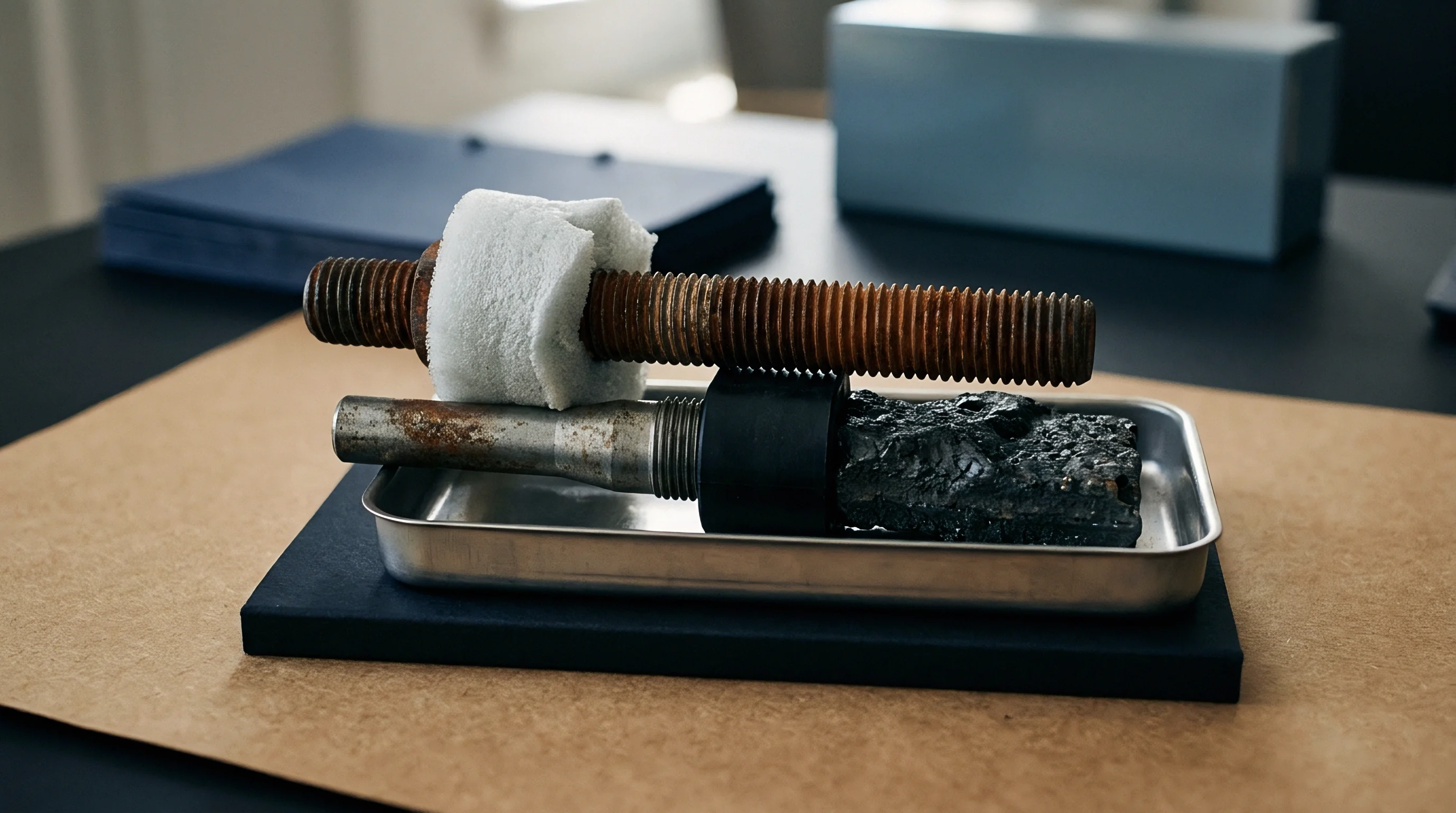
Degraded polymer networks lose structural coherence, leading to interfacial peeling and micro-fracturing along folded edges of finished cartons. Mechanically damaged matrices fail to redistribute stress during secondary converting passes, causing adhesion to decay as fractures propagate along lines of maximum compressive deformation.
Interfacial Bond Decay and Score Cracking
Lower molecular weight fractions migrate toward the board surface, disrupting chemical cross-linking. Extrusion coatings damaged by contact shear demonstrate reduced peel strength when subjected to mechanical scoring, which crushes cellulose fibers while forcing the coating through acute bending angles. While intact polymer chains absorb this bending energy through entropic unraveling, truncated chains formed under high pressure lack the length needed for entanglements, causing the surface film to split along the score line.
| Processing Condition | 180-Degree Peel Strength (N/m) | Surface Energy (mN/m) | Score Resistance Index | Matrix Condition |
|---|---|---|---|---|
| Unprocessed Control | 245.0 | 38.2 | 0.95 | Intact Chain Network |
| Moderate Pressure (20 MPa) | 210.0 | 36.5 | 0.88 | Minor Entanglement Loss |
| High Pressure (50 MPa) | 145.0 | 31.0 | 0.62 | Moderate Chain Scission |
| Extreme Pressure (90 MPa) | 82.0 | 26.4 | 0.31 | Severe Degradation & Voiding |
Optical Clarity and Haze Generation
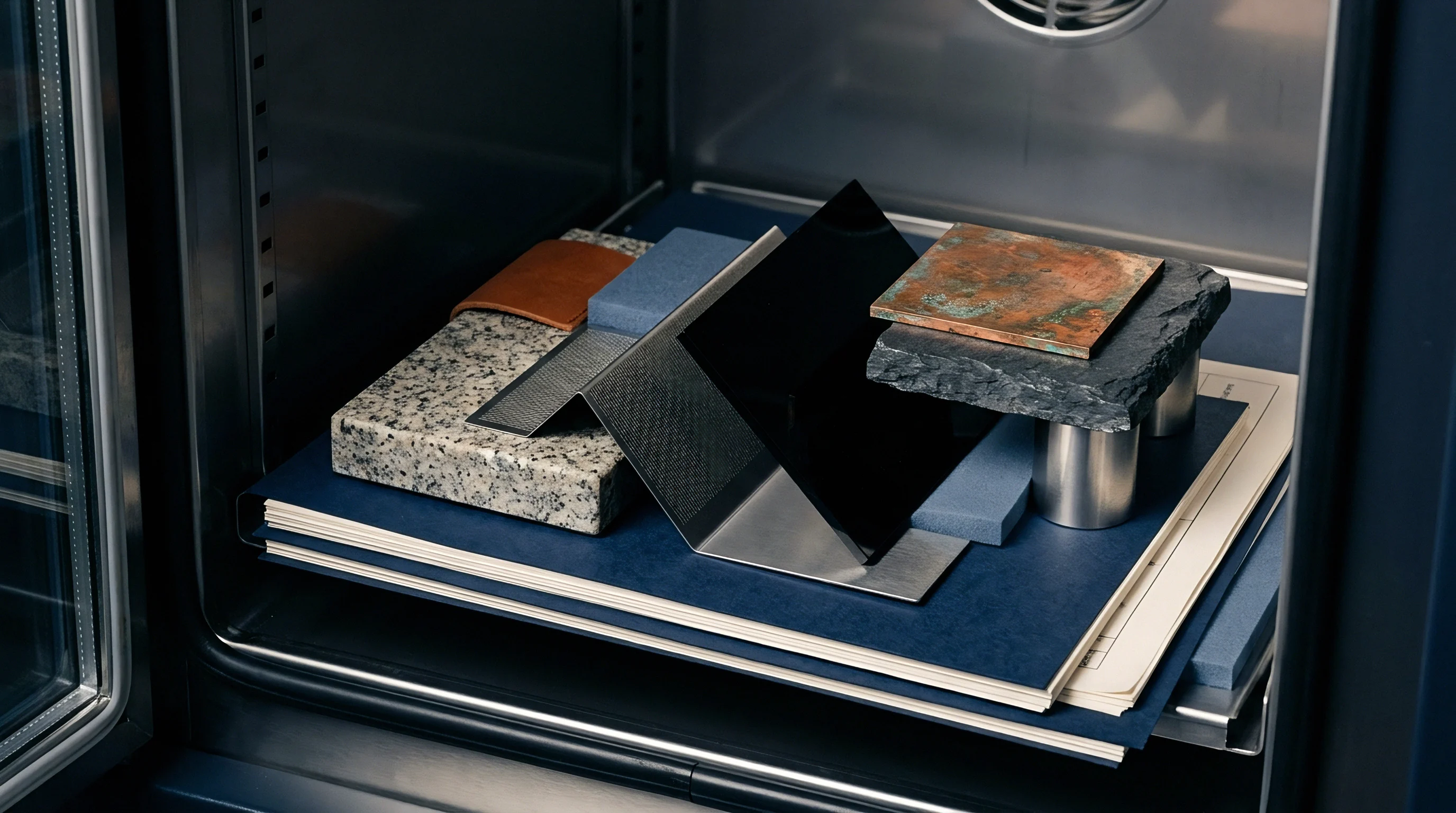
Micro-voiding within damaged film layers scatters light across the visible spectrum. High contact pressure breaks homogenously mixed polymer phases into distinct domains with varying refractive indices, diminishing optical clarity and causing thermal laminates to lose gloss when exposed to excessive nip forces during production.
Specifications governed by ISO 11339 dictate a minimum peel strength of 180 Newtons per meter to prevent structural delamination during automated carton erection.
Operating hot-stamping equipment above critical pressure thresholds causes micro-flaking along package edges, generating fine plastic debris that fouls packaging machinery during high-speed filling.

Scrap
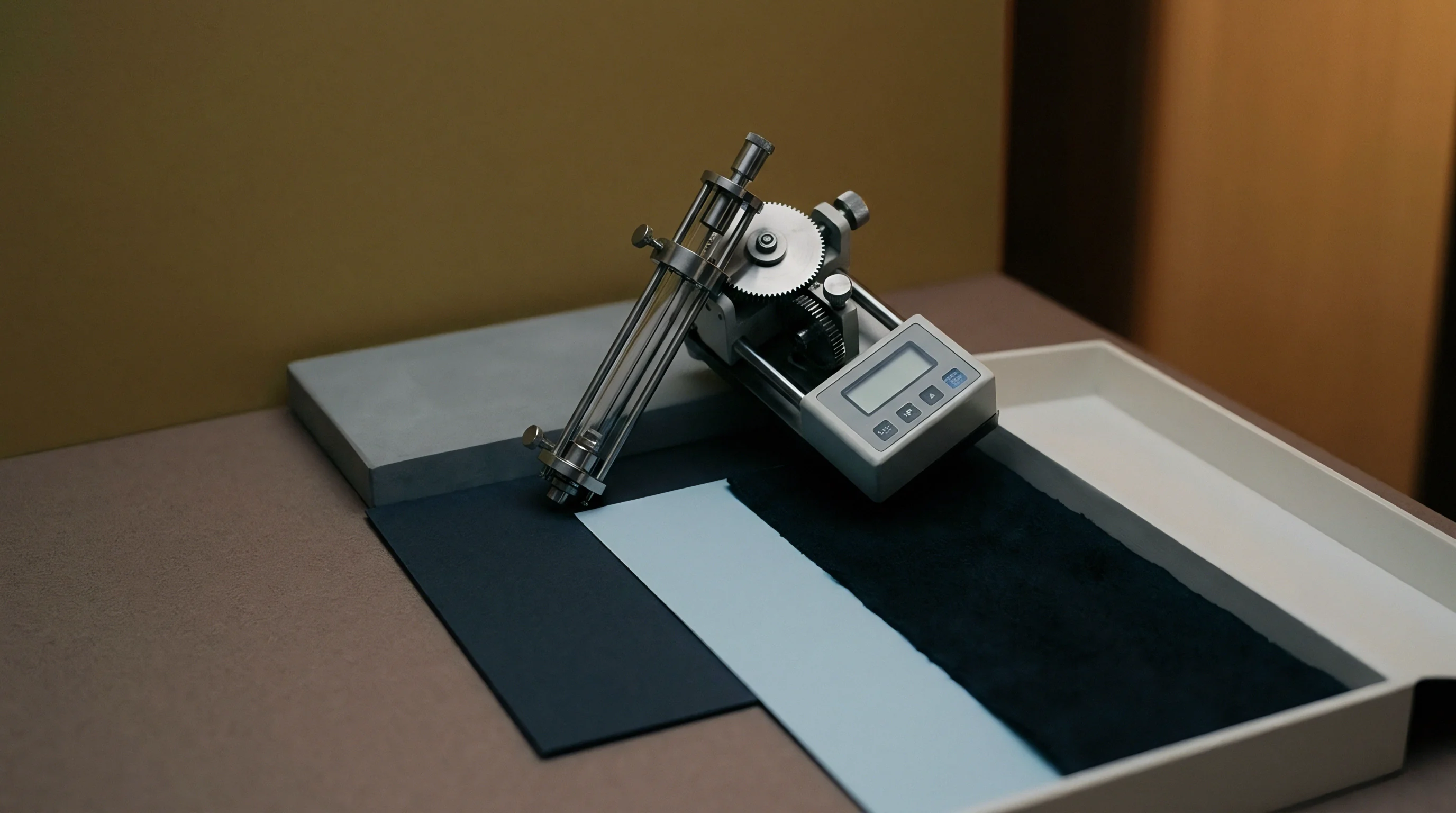
Identifying degraded varnish matrices during live production demands continuous monitoring of melt behavior and surface friction coefficients, allowing online inspection systems to evaluate structural continuity before damaged rolls enter converting passes where tooling wear accelerates and waste rolls accumulate.
Quality Verification Protocols for Coated Board
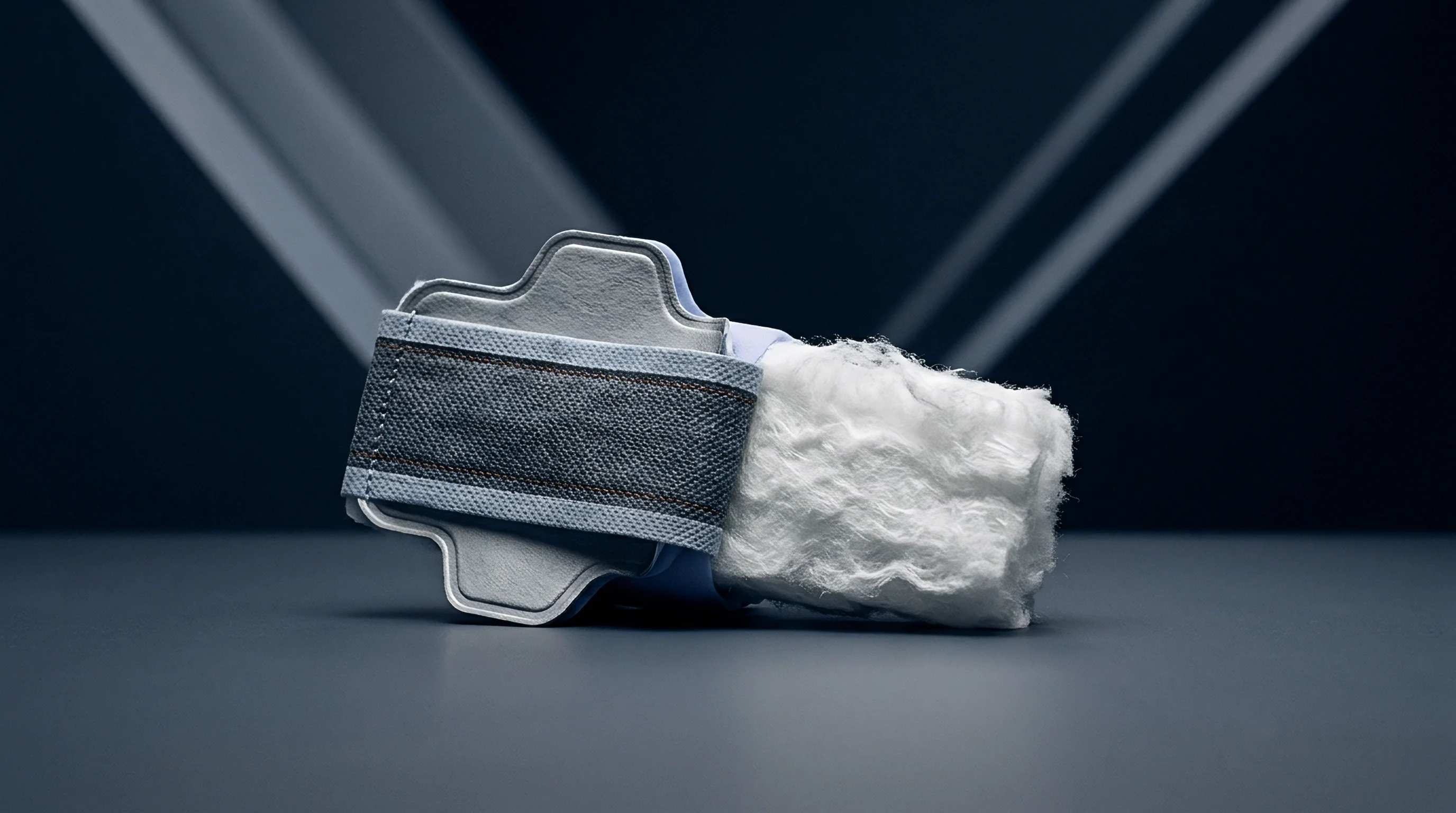
Offline testing confirms structural degradation before mass finishing continues. Quality managers evaluate material samples using precise physical and spectroscopic methods.
- Melt flow rate shifts indicate significant decreases in molecular weight resulting from chain cleavage under high shear stresses.
- Attenuated total reflectance spectroscopy identifies carbonyl peak growth at 1715 inverse centimeters, tracking matrix oxidation levels.
- Solvent gel fraction analysis measures loss of cross-linked density in UV-curable varnishes exposed to excessive contact pressure.
Shear degradation during finishing operations manifests as unpredicted film delamination after forty-eight hours of ambient storage.
Surface cracking along creased board edges can result from improper board moisture content rather than shear-induced coating degradation during lamination.


Outlay
Financial penalties attached to compromised barrier performance emerge long after production sheets exit the delivery pile. Degraded polymer matrices fail standard barrier tests, admitting oxygen and moisture vapor into sensitive packaging environments, which reduces product shelf life and increases total job costs through scrapped batches.
Commercial Consequences under Recycling Regulations
Modulated eco-contributions under modern European waste legislation penalize degraded polymer matrices. Packaging regulations classify severely degraded polyolefin coatings as non-recyclable contaminants due to reduced repulpability efficiency, as low molecular weight polymer fragments attach to cellulose fibers during hydrapulping to lower recycled paper yield and raise recycling fees.
Unit Pricing and Food Contact Compliance
Low molecular weight degradants migrate into dry food simulants during standard storage periods when contact pressure breaks non-migratable long-chain polymers into mobile oligomers. Migration values exceeding 10 milligrams per square decimeter invalidate Commission Regulation EU 10/2011 compliance declarations, rendering finished packaging unsuitable for direct food contact and doubling production expenditure per thousand units to replace non-compliant stock.