Folding Resistance
Resistance to structural fatigue determines the performance of a score profile during repeated cycles of mechanical stress. This physical measurement tracks how a localized area of substrate maintains bond integrity after the creasing operation. Precise geometry within the crease ensures that the fibres remain intact rather than fracturing under tension.
High stress tolerance depends on both the moisture content of the sheet and the depth of the physical indentation.
Creasing Tolerance
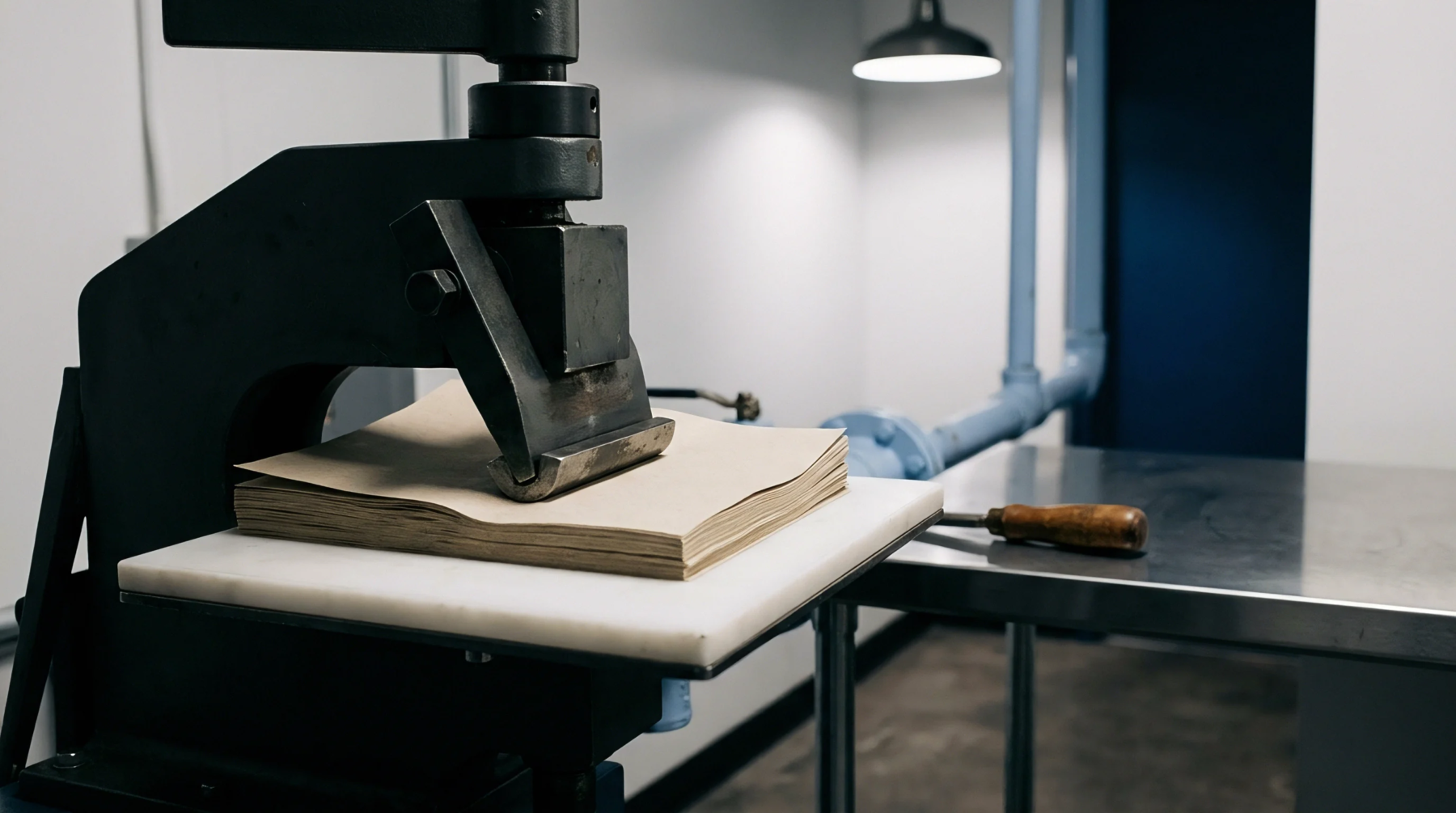
Production machinery applies specific force to create a weakened hinge point for consistent folding. A score profile functions as the target geometry for the rotary die or the platen press during the converting stage. Variations in the width of the channel or the hardness of the matrix material force the stock to deform in ways that deviate from the design specifications.
Tight tolerances protect the integrity of the surface coating, preventing cracks that expose the underlying raw fibre to environmental moisture or ink contamination.
Substrate Performance
Material stiffness creates a direct impact on the longevity of the finished carton when stacked in high volumes. Rigid boards require a deeper score profile to prevent the material from springing back against the closure mechanism during assembly. Engineers calibrate the relationship between the board caliper and the die channel dimensions to account for the resistance of the internal wood fibres.
Effective creasing maintains the structural shape of a package under the weight of external loads.