Polymer Synthesis
Polyhydroxyalkanoates represent a class of biobased linear polyesters accumulated inside bacterial cytoplasm as intracellular carbon and energy reserves under nutrient limitation. Microorganisms synthesize these thermoplastic materials through controlled fermentation using renewable agricultural feedstocks or industrial waste streams. Converting facilities process these biopolymers into moisture barriers and heat seal layers for paperboard coatings.
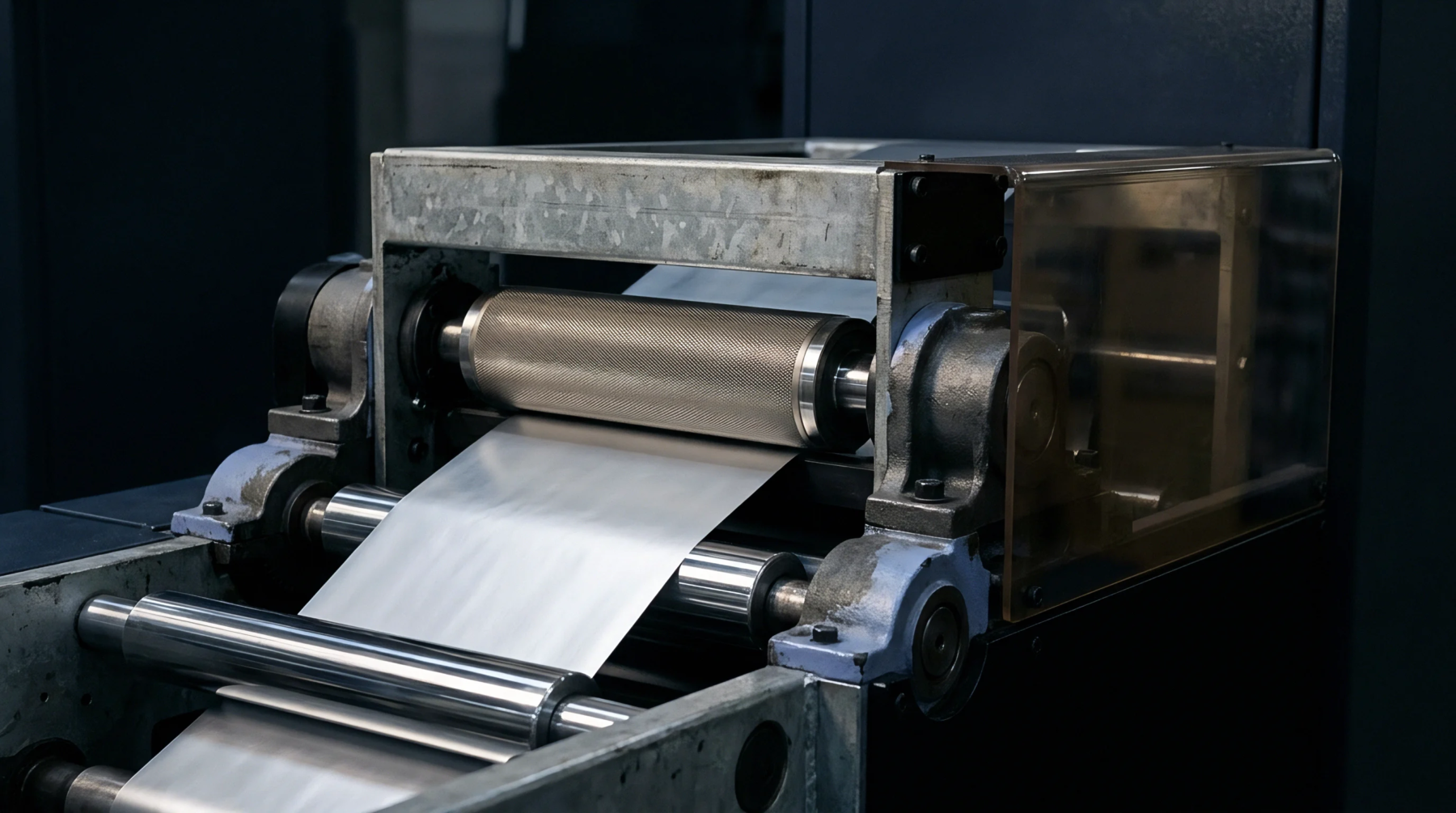
Extrusion equipment applies the liquid dispersion onto heavy kraft paper substrates at temperatures strictly calibrated to prevent thermal degradation during production runs. The molecular weight distribution governs melt strength across high speed laminating lines, determining whether the coated paper maintains structural integrity during folding operations.
Barrier Performance
Water vapor transmission rates dictate the commercial viability of these biopolymers in rigid packaging markets. Crystallinity percentages within the polymer matrix dictate oxygen permeability values across various relative humidity conditions. Converters measure barrier resistance using gravimetric test methods on finished sheet samples prior to commercial dispatch.
Plasticizer additives alter elongation properties, preventing surface cracking during die cutting and creasing processes on folding carton presses. Thermal processing windows remain narrow during extrusion coating runs, requiring precise temperature controllers on heating cylinders to avoid chain scission within the polymer backbone. Surface tension pretreatment via corona discharge prepares the laminated board for subsequent water based printing inks without compromising underlying barrier functionality.
End Degradation
Environmental biodegradation kinetics depend upon microbial enzymatic activity within specific disposal infrastructures. Municipal composting facilities provide conditions where active soil bacteria cleave ester bonds, converting the polymer mass into carbon dioxide and water residues. Industrial composting standards require complete disintegration within a set timeframe to satisfy regional eco labeling criteria for compostable packaging materials.
Marine environments exhibit lower ambient temperatures and reduced microbial populations, slowing biological breakdown rates compared to terrestrial soil settings. Chemical recycling methods break down the polymer chains into original monomer units via alcoholysis, returning material feedstocks to polymerization reactors for reprocessing into virgin grade substrates without quality loss.