Establishing Standardized Protocols for Quantifying Non-Intentionally Added Substances in Bio-Based Barrier Coatings
Quantifying NIAS in bio-based coatings requires single-side solvent extraction paired with high-resolution GC/LC-QTOF screening calibrated to toxicological concern thresholds.


Stock
Bio-based barrier coatings applied to paper and board packaging substrates possess complex chemical architectures. Biopolymers synthesized from agricultural feedstocks or harvested directly from plant matter, including polylactic acid, polyhydroxyalkanoates, microfibrillated cellulose, modified starches, and thermoplastic proteins, undergo multiple chemical and physical steps before forming a continuous barrier layer. During synthesis, processing, storage, and converting, secondary chemical reactions generate a dynamic profile of non-intentionally added substances.
These compounds represent molecular species that are not functional additives or structural polymers, yet reside within the coating matrix and exhibit potential for migration into dry, aqueous, fatty, or acidic food media.

Chemical Origins of Coating Contaminants
Thermal processing on converting lines subjects biopolymers to mechanical shear and elevated temperatures, initiating melt degradation and oxidative side reactions. Polylactic acid coatings, applied via extrusion coating at temperatures exceeding 210 degrees Celsius, undergo thermal depolymerization via transesterification and intramolecular rearrangement. This thermal exposure breaks long-chain poly-L-lactic acid chains into cyclic L-lactide monomers, meso-lactide, and linear lactide oligomers ranging from dimer structures up to higher octamers.
Polyhydroxyalkanoates, specifically poly(3-hydroxybutyrate-co-3-hydroxyvalerate), exhibit thermal instability near their melting point, undergoing beta-elimination mechanisms that produce crotonic acid, 2-pentenoic acid, and associated volatile alkenoic oligomers.
Aqueous dispersion coatings utilizing starch derivatives or protein networks rely on chemical crosslinkers to achieve water and vapor resistance. Glyoxal, ammonium zirconium carbonate, polyamide-epichlorohydrin, and polyfunctional aziridines establish covalent bonds between biopolymer chains. Unreacted residues from these crosslinking agents, along with hydrolysis products such as epichlorohydrin, 1,3-dichloro-2-propanol, and free aldehydes, remain trapped in the dried film.
These small polar molecules migrate rapidly under food contact conditions due to their high solubility in aqueous food simulants.
Solvent extraction at elevated temperatures alters biopolymer crystallinity, causing artificially high migration readings that fail to reflect actual food contact conditions.
Natural agricultural feedstocks carry variable trace constituents that survive chemical refining and enter the final barrier formulation. Vegetable oils used as raw materials for bio-based plasticizers or alkyd dispersion coatings contain trace levels of erucic acid, oxidized fatty acid species, and phytosterols. Lignin residues in unbleached cellulosic barrier dispersions introduce low molecular weight phenolic compounds, including vanillin, syringaldehyde, and guaiacol derivatives, into the finished packaging structure.

Side-Stream and Breakdown Failures
Breakdown profiles vary based on polymer backbone chemistries and functional additives. Chemical changes during processing create distinct failure modes in compliance files:
- Thermal Depolymerization yields cyclic ester oligomers in polylactic acid and polyhydroxyalkanoate films that pass standard gas chromatography volatile screens but migrate significantly into fat simulant iso-octane.
- Crosslinker Hydrolysis releases free chloropropanols and unreacted aziridine monomers when bio-based barrier paperboard packaging contacts aqueous or acidic food products over extended storage periods.
- Autoxidation of Plant Lipids generates unsaturated aldehydes, ketones, and aliphatic dicarboxylic acids that alter food organoleptic properties at concentrations below legal specific migration limits.
- Secondary Amide Formation occurs when fatty acid slip agents interact with residual crosslinking nitrogen chemistry during high-temperature drying tunnels on converting equipment.
Suppliers frequently present the purity of raw biopolymer resin as evidence that finished barrier paperboard complies with food safety thresholds. This justification ignores the chemical transformations, thermal breakdown products, and crosslinking residues created during coating application and board drying.


Extraction
Analytical quantification of migrant species requires isolating volatile, semi-volatile, and non-volatile compounds from the biopolymer matrix without damaging the underlying cellulose substrate. Cellulose fibers interact strongly with organic solvents, absorbing liquid and causing cell wall swelling that releases pulp additives, rosin size, and process chemicals not originating from the barrier layer itself. Standardized sample preparation separates matrix components cleanly to prevent mass spectrometry ion suppression and instrument contamination.
Solvent Selection and Matrix Swelling
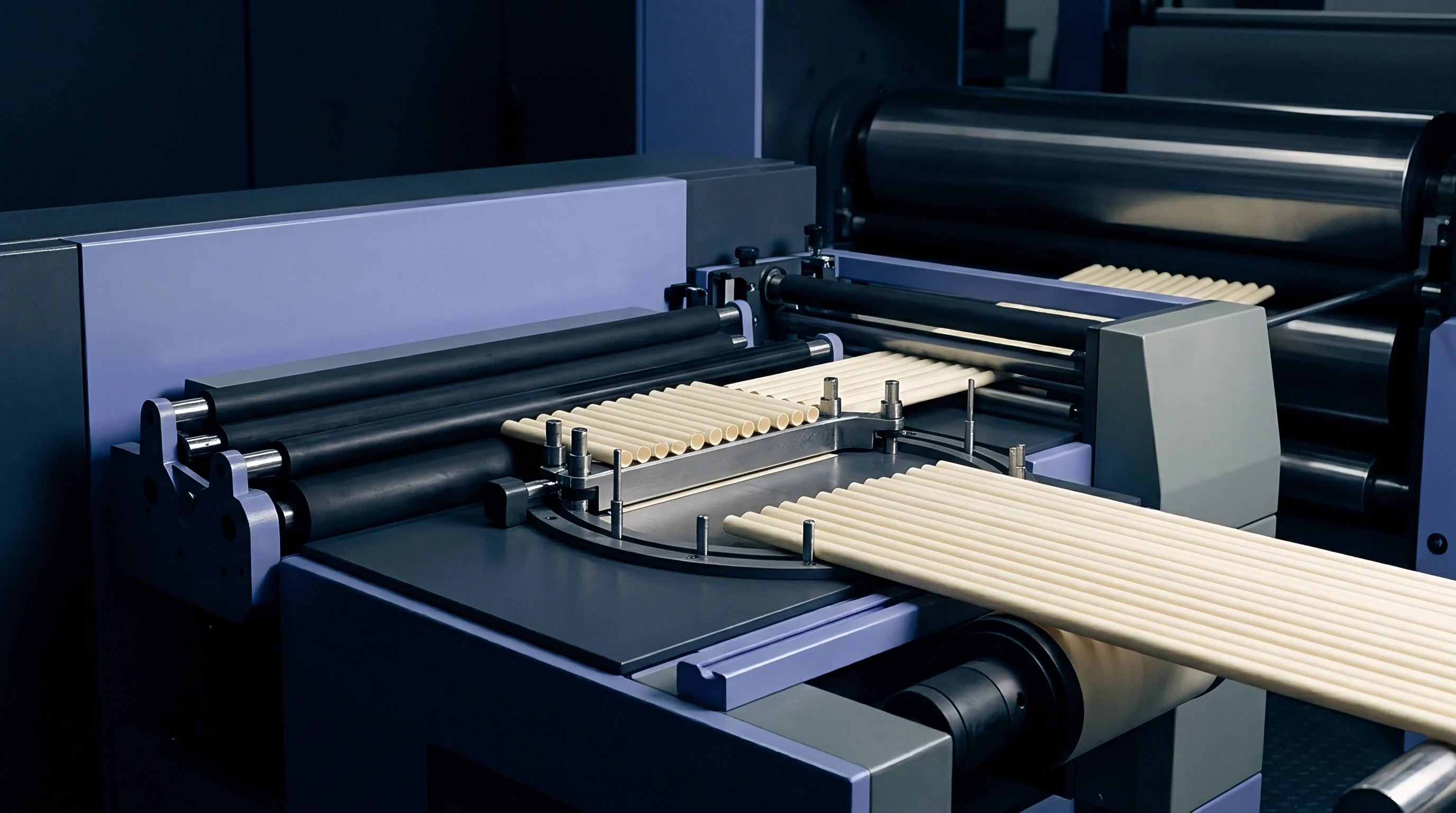
Direct solvent immersion of coated paperboard samples extracts chemicals from the entire substrate thickness, masking barrier layer contaminants behind a mass of paper mill additives. Single-side extraction cells isolate the bio-based barrier surface, limiting solvent contact strictly to the functional face intended for food contact. Selection of extraction solvents depends on matching polarities with target analytes while avoiding structural dissolution of the biopolymer coating.
Dichloromethane provides total extraction efficiency for low molecular weight synthetic oligomers and lipid breakdown products from polylactic acid and polyhydroxyalkanoates. This aggressive chlorinated solvent causes matrix swelling, altering the polymer free volume and leaching embedded additives rapidly. Ethanol-water mixtures at 95 percent volume ethanol emulate fatty food contact per European Union regulatory testing guidelines, capturing semi-volatile migrants without dissolving microfibrillated cellulose or crosslinked starch networks.
Iso-octane serves as a volatile fat simulant, performing rapid extraction of non-polar functional additives, wax components, and fatty acid derivatives within shorter contact times at reduced temperatures.
| Solvent System | Target Compound Class | Contact Time and Temp | Matrix Interaction Mode | Recovery Range (%) |
|---|---|---|---|---|
| 95% Ethanol / Water | Polylactic acid oligomers, plasticizers | 10 days at 60 °C | Moderate swelling, zero polymer dissolution | 88.5 to 96.2 |
| Iso-octane | Non-polar fatty acid esters, wax species | 2 days at 20 °C | Surface leaching, minimal matrix distortion | 91.0 to 98.4 |
| Dichloromethane | Total semi-volatiles, synthetic additives | 24 hours at 23 °C | High matrix swelling, potential dissolution | 94.2 to 102.1 |
| Distilled Water / 3% Acetic Acid | Residual crosslinkers, polar aldehydes | 10 days at 40 °C | Cellulose fiber hydration, starch swelling | 82.1 to 91.5 |
Standardized handling sequences ensure reproducible recovery during sample preparation before chromatographic injection:
- Punch precise circular specimens measuring 100 square centimeters from converted paperboard stock, avoiding cut edges within 20 millimeters of the reel margin.
- Mount the specimen securely in a stainless steel single-side extraction cell, positioning the functional bio-based barrier layer toward the solvent chamber.
- Fill the chamber with 100 milliliters of pre-conditioned solvent, ensuring a surface area to volume ratio of precisely 1 square decimeter per 100 milliliters of liquid.
- Seal the cell with inert fluoropolymer gaskets and place the assembly in a climate-controlled incubator at test temperature for the duration specified by migration standards.
- Decant the solvent extract, spike with deuterium-labeled internal standards, and concentrate the volume down to 1 milliliter using a gentle nitrogen stream evaporative manifold.
- Filter the concentrated extract through a 0.22 micron polytetrafluoroethylene syringe filter directly into an amber autosampler vial for immediate chromatographic analysis.
Incomplete solvent evaporation during specimen concentration concentrates background impurities alongside target migrants, rendering quantitative results invalid.


Spectra
Chromatographic separation coupled with high-resolution mass spectrometry forms the backbone of non-intentionally added substance quantification. Target screening identifies and quantifies known coating additives, catalysts, and residual monomers using authentic reference standards. Non-target screening evaluates unknown chromatographic peaks, establishing structural identifications and estimated mass concentrations for compounds lacking reference standards.

Chromatographic Separation Architectures
Gas chromatography coupled to mass spectrometry targets volatile and semi-volatile migrants with molecular weights below 500 Daltons. Capillary columns equipped with 5-percent phenyl-methylpolysiloxane stationary phases separate cyclic lactide oligomers, residual crosslinking byproduct chloropropanols, and lipid autoxidation products. Solid-phase microextraction combined with gas chromatography-mass spectrometry isolates volatile headspace compounds, such as hexanal, octanal, and crotonaldehyde, without requiring liquid solvent extraction.
Ultra-high performance liquid chromatography coupled to electrospray ionization quadrupole time-of-flight mass spectrometry captures polar, non-volatile, and high molecular weight species up to 1200 Daltons. This instrument architecture resolves higher cyclic ester oligomers from bio-polyesters, polyaziridine degradation adducts, and complex surfactant packages used in aqueous biopolymer dispersions. Positive and negative electrospray ionization modes run in parallel, ensuring detection of both basic nitrogenous crosslinkers and acidic fatty breakdown compounds.
| Analytical System | Stationary Phase | Mobile / Carrier Phase | Ionization Source | Detection Limit |
|---|---|---|---|---|
| GC-QTOF-MS | HP-5MS (30m x 0.25mm x 0.25µm) | Helium at 1.2 mL/min | Electron Ionization (70 eV) | 0.005 mg/kg |
| Headspace GC-MS | DB-WAX (60m x 0.25mm x 0.50µm) | Helium at 1.5 mL/min | Electron Ionization (70 eV) | 0.001 mg/kg |
| UPLC-QTOF-MS | C18 Reverse Phase (100mm x 2.1mm x 1.7µm) | Water / Acetonitrile + 0.1% Formic Acid | ESI Positive / Negative | 0.002 mg/kg |
GC-MS screening with a 10 ppb limit of quantification captures 92% of cyclic polylactic acid oligomers under 1000 Daltons in 95% ethanol migration testing at 60 degrees Celsius for 10 days.

How Are Unidentified Chromatographic Peaks Calibrated for Exposure Assessment?
Unidentified peaks missing from mass spectral libraries demand semi-quantitative calibration rules. Analytical laboratories assign semi-quantitative values by comparing the peak area of the unknown compound to the peak area of an internal standard added to the extract at a known concentration. Deuterated toluene, d10-anthracene, and 2-ethylhexanoic acid-d15 serve as internal standards across different chromatographic retention windows.
Response factor variation between internal standards and unknown molecules introduces significant quantitative uncertainty. Non-polar aliphatic hydrocarbons produce strong signal responses in electron ionization gas chromatography, while oxygenated cyclic oligomers exhibit lower response factors under identical conditions. Analysts apply a conservative response factor correction multiplier of 2.0 to non-targeted peak areas, preventing underestimation of migrant concentrations when evaluating safety thresholds.
High-resolution accurate mass measurements narrow candidate molecular formulas for unknown peaks. Quadrupole time-of-flight analyzers achieving mass accuracy below 2 parts per million determine elemental compositions containing carbon, hydrogen, oxygen, nitrogen, and phosphorus. Isotopic pattern matching confirms candidate formulas, enabling tentative structural assignment against public chemical registries before toxicological evaluation begins.
Whether structural identification of cyclic biopolymer oligomers can achieve full confidence without synthesized reference standards remains an active dispute between testing facilities and regulatory agencies.


Toxicology
Safety assessment of non-intentionally added substances hinges on converting chromatographic peak concentrations into toxicological exposure risks. Complete toxicological datasets, including acute toxicity, sub-chronic toxicity, mutagenicity, and carcinogenicity studies, exist for only a small fraction of identified barrier coating degradation products. Regulatory compliance demands systematic evaluation frameworks to establish safety limits for unstudied chemical species.

Threshold of Toxicological Concern Integration
The Threshold of Toxicological Concern concept establishes human exposure thresholds below which a chemical possesses an exceedingly low probability of posing adverse health risks. Analysts utilize chemical structure classification according to the Cramer decision tree to categorize non-targeted migrant species into one of three structural classes.
Cramer Class I structures consist of simple chemical substances with efficient metabolic pathways and low oral toxicity, such as linear acyclic aliphatic hydrocarbons and common food-grade fatty acids. Cramer Class II represents intermediate structures featuring functional groups that are less common in human metabolism but lack explicit indicators of toxicity. Cramer Class III encompasses structures containing complex functional groups, aromatic rings, heterocyclic systems, or reactive moieties that suggest potent biological activity.
| Structural Classification | Cramer Class | TTC Human Exposure Threshold | Equivalent Food Concentration | Required Analytical Action |
|---|---|---|---|---|
| Low Toxicity Potential | Class I | 1800 µg/person/day | 3.0 mg/kg food | Semi-quantitative tracking |
| Moderate Toxicity Potential | Class II | 540 µg/person/day | 0.9 mg/kg food | Identification confirmation |
| High Toxicity Potential | Class III | 90 µg/person/day | 0.15 mg/kg food | Structural identification required |
| Genotoxic Structure Alert | Genotoxic Category | 0.15 µg/person/day | 0.0005 mg/kg food | Absolute quantification and risk assessment |
Quantitative structure-activity relationship software models, including Derek Nexus and Vega QSAR, screen identified mass spectral molecular formulas for structural alerts indicative of mutagenicity and genotoxicity. Alerts such as aliphatic epoxide groups, aromatic amines, unhindered aziridines, and alpha,beta-unsaturated carbonyl moieties trigger the genotoxic threshold of 0.15 micrograms per person per day. Any migrant containing a genotoxic alert that exceeds a food migration concentration of 0.0005 milligrams per kilogram requires immediate toxicological review and chemical mitigation within the coating formulation.
Compliance with Article 3 of Regulation 1935/2004 demands documented toxicological risk assessment for any chromatographic peak exceeding 10 micrograms per kilogram of food simulant.
Calculating the Margin of Exposure compares toxicological points of departure, such as benchmark dose lower confidence limits derived from animal testing, against estimated human intake levels derived from migration measurements. A Margin of Exposure value exceeding 10,000 for genotoxic substances or 100 for non-genotoxic compounds confirms an acceptable level of consumer safety. Failing to account for response factor variations in non-targeted screening leads to inaccurate exposure estimates, causing toxicological models to greenlight hazardous migrants or triggering costly product recalls when regulatory surveillance testing reveals unquantified genotoxic impurities.

Ledger
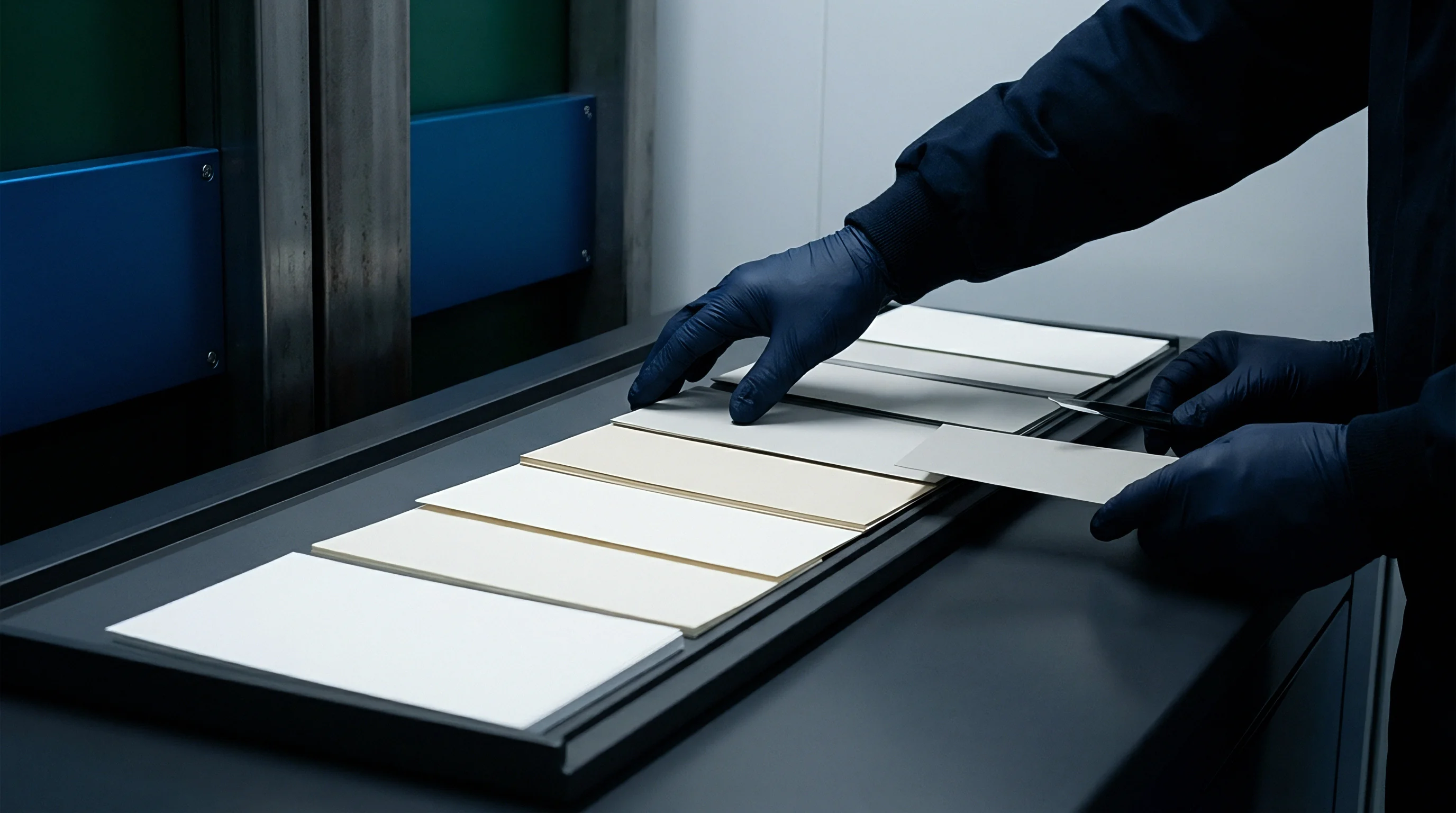
Documenting regulatory compliance for bio-based barrier coatings requires assembling comprehensive technical files that trace chemical safety from raw material suppliers to converted packaging manufacturers. Paper packaging supply chains involve multiple commercial entities, increasing the risk of missing toxicological data or untracked chemical substitutions. Standardized reporting formats maintain data integrity across every stage of board manufacture, coating application, and converting.

Declaration Structure and Technical Dossier Requirements
Framework Regulation European Commission 1935/2004 Article 15 mandates written declarations of compliance for food contact materials placed on European markets. For bio-based barrier coatings, this declaration relies on specific supporting documentation that proves non-intentionally added substances have undergone screening and safety evaluation. Supporting technical dossiers include raw material chemical inventories, thermal breakdown assessments, chromatographic screening reports, and toxicological evaluation records.
A legally defensible compliance dossier contains precise documentation across four critical structural areas:
- Biopolymer Chemistry Inventory detailing monomer purity levels, functional additive concentrations, crosslinker addition ratios, and processing aids used during resin synthesis and dispersion formulation.
- Analytical Screening Reports presenting gas and liquid chromatography mass spectrometry results, including internal standard recovery rates, instrument detection limits, and identified structural spectra.
- Toxicological Risk Assessments recording Cramer structural classifications, quantitative structure-activity relationship model outputs, and Threshold of Toxicological Concern comparisons for all non-targeted peak concentrations.
- Batch Traceability Records linking specific chemical lot numbers to board machine production runs, coater operating logs, and converted packaging shipment documentation.
National regulatory frameworks, such as German Federal Institute for Risk Assessment Recommendation XXXVI for paper and board food contact materials and United States Food and Drug Administration Code of Federal Regulations Title 21 Section 176.170, establish specific substance lists and migration limits. Bio-based barrier developers must confirm compliance with these specific recommendations alongside general non-intentionally added substance evaluations.
Under the European Union Packaging and Packaging Waste Regulation, packaging declarations must verify that hazardous substances, including residual coating breakdown products, remain below strict heavy metal and dangerous chemical thresholds. Failure to maintain an updated technical dossier invalidates food contact compliance declarations, subjecting brand owners to immediate market withdrawal orders and severe regulatory fines at European customs entries.
The standard supply contract clause states that the coater warrants full compliance of all barrier formulations with Regulation European Commission 1935/2004 Article 3 and maintains complete non-intentionally added substance toxicological assessment dossiers accessible to border inspection authorities upon five business days notice.


Landed
Quantifying non-intentionally added substances adds measurable operational and financial commitments to the commercialization of bio-based barrier packaging materials. Brand owners, paper mills, and coating converters must integrate testing budgets, analytical lead times, and risk-allocation mechanisms into their landed packaging cost calculations. Skipping robust analytical screening reduces initial qualification expenses but creates astronomical financial exposure when non-compliant packaging reaches commercial distribution.

Analytical Cost Drivers in High-Resolution Screening
Comprehensive chromatographic profiling of bio-based barrier coatings demands specialized laboratory instrumentation and experienced analytical chemists. Initial non-targeted screening combining gas chromatography quadrupole time-of-flight mass spectrometry, liquid chromatography quadrupole time-of-flight mass spectrometry, and headspace analysis costs between 3,500 and 6,000 Euros per coating sample. Structural identification of unknown peaks exceeding toxicological thresholds incurs additional costs of 800 to 1,500 Euros per individual compound.
Routine production verification relies on targeted testing packages that monitor known breakdown products, such as cyclic lactide oligomers or crosslinker residuals. Targeted gas chromatography and liquid chromatography workflows carry lower costs, ranging from 600 to 1,200 Euros per production lot. Establishing a baseline compliance dossier for a new bio-based coating resin formulation requires an initial investment of 15,000 to 25,000 Euros in analytical testing, independent of physical performance testing or machinery trial expenses.
Commercial contracts allocate these analytical costs across supply chain partners through clear risk-sharing structures. Biopolymer resin synthesis companies absorb raw material characterization and baseline thermal breakdown screening expenses. Coating converters and paperboard mills fund single-side extraction testing, migration studies, and converting-line breakdown profiling.
Brand buyers require suppliers to provide certified compliance dossiers, shifting financial liability for non-compliant batches upstream through explicit warranty and indemnification terms.
When custom coater lines alter drying oven temperature profiles or increase machine line speeds by 15 percent, altered thermal history changes the breakdown kinetic rate, generating new chemical migrant profiles that demand complete re-qualification of the barrier paperboard lot.