Secondary Substrate
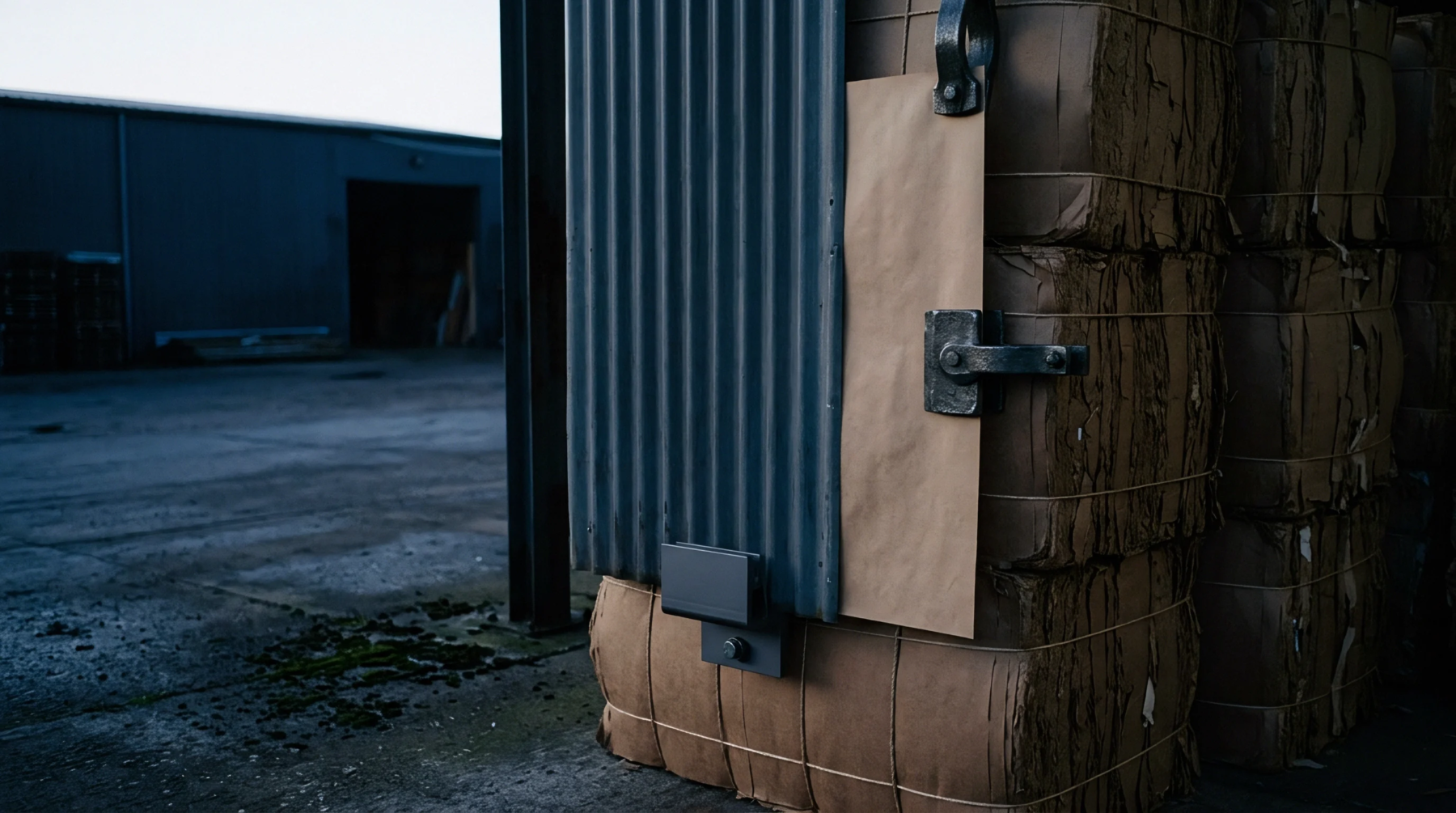
Cellulosic fibre material reclaimed from finished paper and paperboard products that have completed their intended service life with commercial entities, institutional facilities, or individual households forms a base stock for packaging conversion. Manufacturing post-consumer recycled paper entails collecting discarded corrugated cases, newsprint, office files, and cartons, followed by mechanical repulping, cleaning, de-inking, and refining to rebuild a papermaking slurry. This furnish category strictly excludes post-industrial or pre-consumer waste, such as mill broke, converting off-cuts, and trimming scraps diverted within the manufacturing site before consumer reach.
The material primarily serves in folding cartons, linerboard, fluting, paper bags, and moulded fibre packaging. Using recycled stock reduces virgin timber harvesting and diversion to municipal landfills, though repeated re-pulping cycles progressively shorten fibre length, weaken intrinsic inter-fibre bonding, and lower the final burst and tensile strength.
Repulping Operations
Processing recovered paper requires intensive cleaning stages to isolate functional cellulose from non-paper contaminants. Baled recovered paper enters high-consistency hydro-pulpers, where mechanical shear and warm water disintegrate the paper structure into an aqueous fibre suspension. Heavy debris, including wire, plastics, and glass, separates out via centrifugal cyclonic cleaners, whereas fine pressure screens with micron-scale slots isolate adhesive agglomerations known as stickies.
Flotation de-inking systems inject air bubbles through surfactant-treated slurry, floating hydrophobic ink particles to the surface where mechanical skimmers remove them. Dispersion systems heat and knead remaining hot-melt adhesives and wax fractions, breaking them into sub-microscopic dimensions to prevent visible specks or weak spots on the paper machine wire.
Performance Boundaries
Packaging produced from secondary furnish presents mechanical and structural variations absent in virgin kraft alternatives. Fibre shortening diminishes folding endurance and z-direction tensile strength, prompting mills to incorporate chemical dry-strength resins such as cationic starches or polyacrylamides to achieve target Ring Crush and Box Compression Test ratings. Permeability and oil-resistance decrease as well, because the damaged fibre network resists uniform surface sizing holdout, requiring heavier aqueous barrier coatings or laminating films when intended for grease-resistant or moisture-sensitive applications.
Food packaging made with post-consumer recycled paper requires functional barriers or exhaustive chemical migration assessments to prevent legacy printing inks, mineral oils, and packaging adhesives from migrating across the packaging boundary into consumer food products.