Process Efficiency
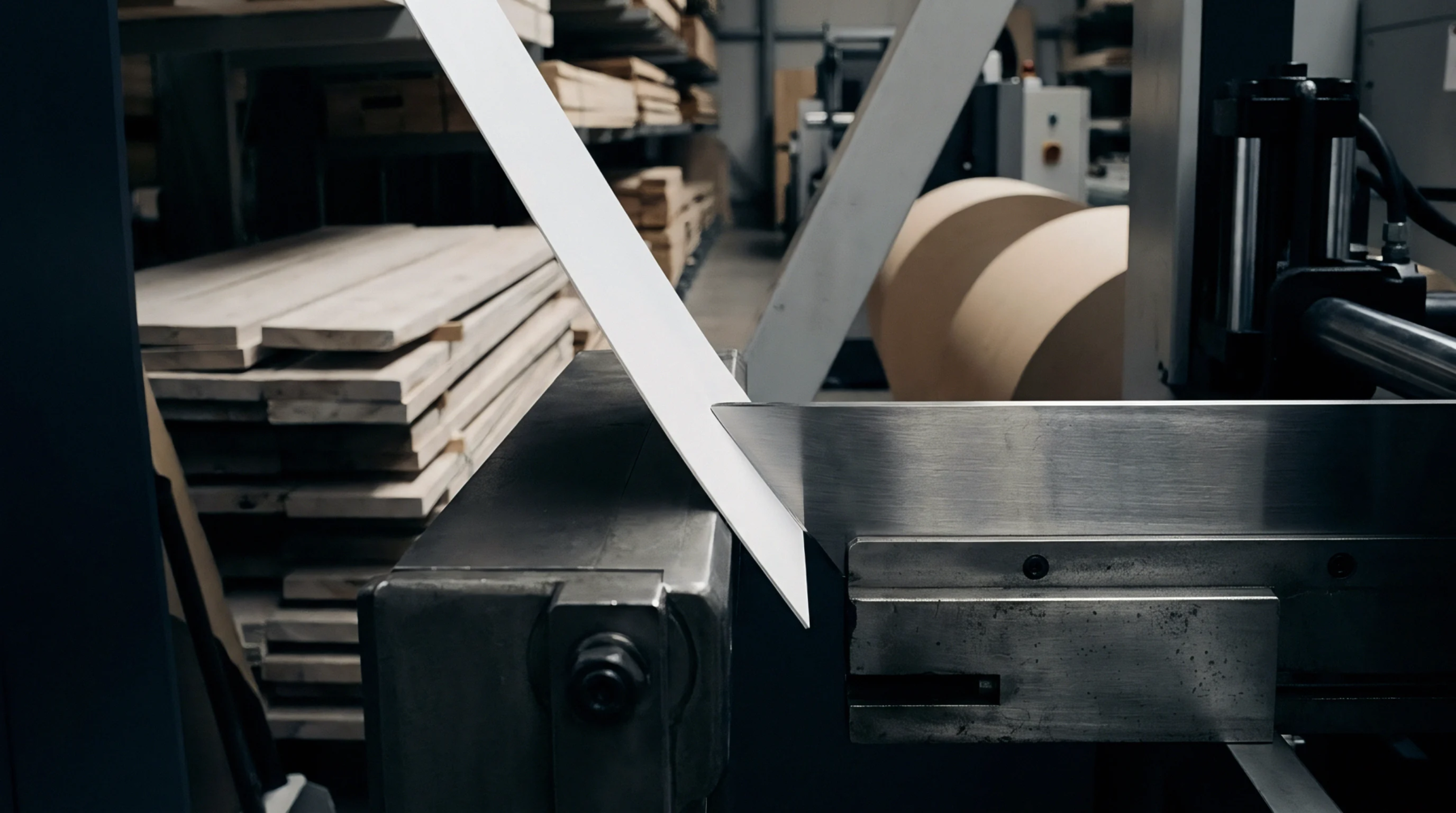
Operational performance measures the uninterrupted flow of paperboard sheets through high-speed printing and converting machinery. Pressroom engineering defines sheet-fed press runnability as the mechanical suitability of a paperboard substrate to pass smoothly through feeder units, printing stations, and delivery piles without misfeeds, double-sheet stops, or jams. Substrates with consistent physical properties minimize costly press downtime.
Mechanical Interaction
Sheet feeding systems rely on vacuum suction heads and air blasts to separate individual sheets from the delivery pile and transport them onto the press feed board. Consistent sheet flatness, uniform caliper, and clean trimmed edges prevent double-sheet detector trips and feeding interruptions. Board curl caused by hygral stresses or two-sided moisture absorption disrupts vacuum pick-up and leads to sheet skewing.
Surface strength must resist picking forces exerted by high-tack inks, while surface dust or loose fibers contaminate blanket cylinders and force frequent wash stops. Static electricity charges accumulated during sheeting or storage cause sheets to cling together, disrupting separation mechanisms at the press feeder. Proper substrate selection and press settings maintain high production speeds across long offset print runs.
Environmental Boundary
Pressroom logs track press speed, feed stoppage frequencies, and net hourly output to quantify substrate performance across different board batches. Unacceptable runnability increases waste rates, raises labor costs, and delays delivery schedules for commercial printing plants. Sheet-fed press runnability defines the operational efficiency of paperboard substrates during commercial offset printing.