Material Allowance
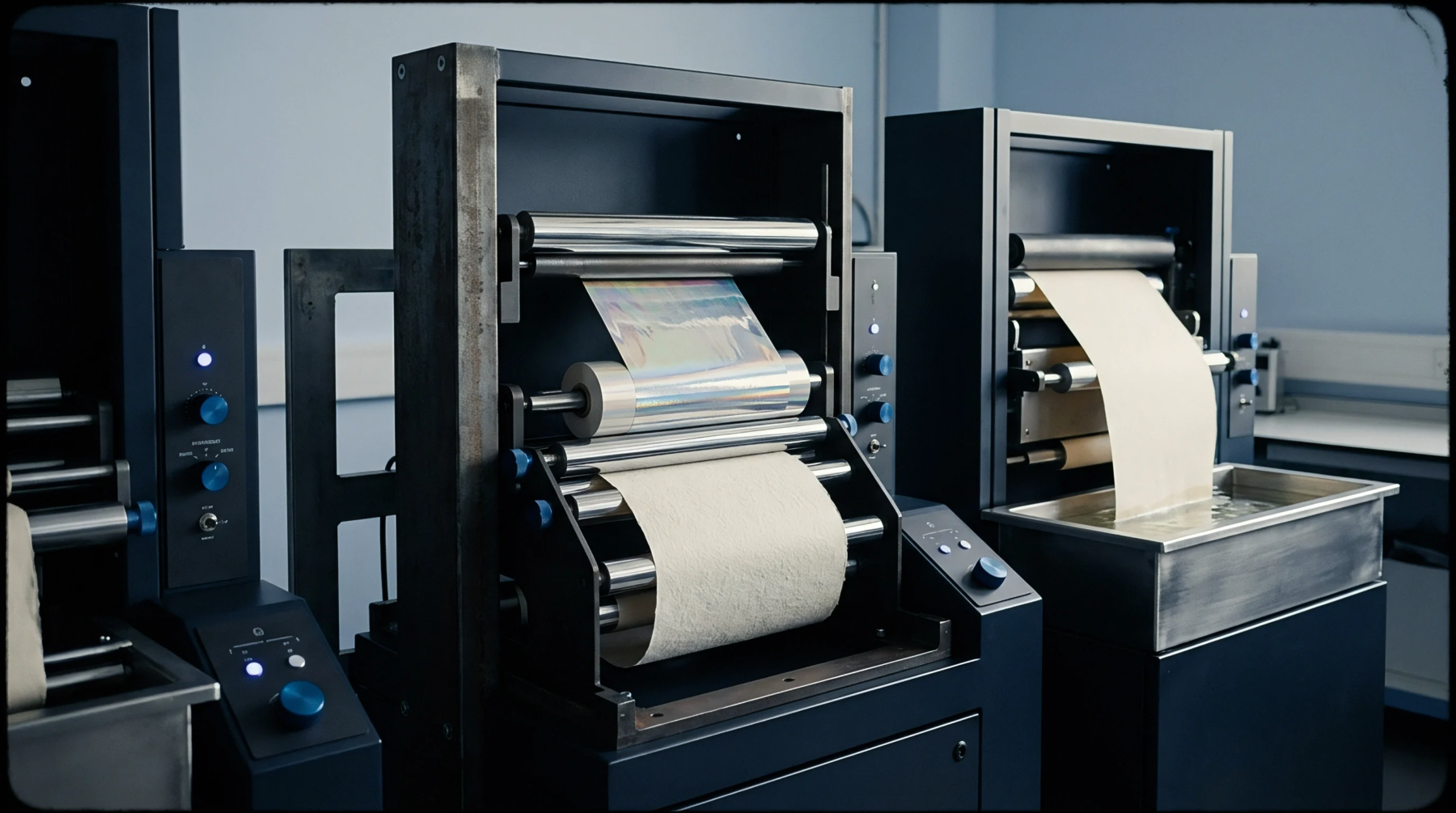
Industrial waste metrics quantify the amount of paperboard lost during mechanical processing and printing operations. This necessary allowance, often termed converting spoilage, accounts for the substrate destroyed during setup, registration, die-cutting, and gluing phases. In typical folding carton lines, this loss is calculated as a percentage of the total sheet run, with complex multi-station layouts showing higher rates of destruction than simpler straight-line configurations.
Generation Driver
Machine startup cycles generate the majority of this material loss due to the time required to stabilize ink viscosity and register die-cuts. When converters start a high-speed press, the initial sheets do not meet quality standards. Rapid speed increases and tension adjustments also cause web breaks or misalignments that add to converting spoilage.
Fast-running modern folders and gluers compound this issue during make-ready stages. Every stoppage for plate cleaning or blanket washes requires another short run of waste sheets to re-establish the ink-water balance, directly increasing the total quantity of discarded paperboard.
Process Threshold
Operational margins in high-volume packaging converting restrict acceptable waste levels to narrow ranges. In a standard production run, a spoilage rate of three percent is often the maximum tolerated threshold before the run becomes unprofitable. Accurate calculation of converting spoilage ensures that paperboard ordering formulas supply sufficient extra stock to fulfill the final carton order without leaving costly excess material in the warehouse.