Plasticizing Compound
Low-molecular-weight esters of phthalic acid serve as secondary plasticizers in specialty inks, lacquers, and polyvinyl acetate adhesives used across paper converting applications. Industrial recycling streams introduce diisobutyl phthalate into secondary fibre pulps when reclaimed packaging, office waste, and adhesive-bound materials re-enter papermaking circuits. The low molecular mass facilitates rapid dispersion into polymeric coatings to impart flexibility, prevent adhesive joint cracking, and control glass transition temperatures.
Regulatory frameworks treat the compound as a substance of very high concern due to reproductive toxicity hazards, setting strict specific migration limits for paper and board destined for contact with aqueous, fatty, and dry foods. Its structural identity ceases where high-molecular-weight polymeric plasticizers or bio-based citrate esters substitute into the chemical formulation.
Recycling Accumulation
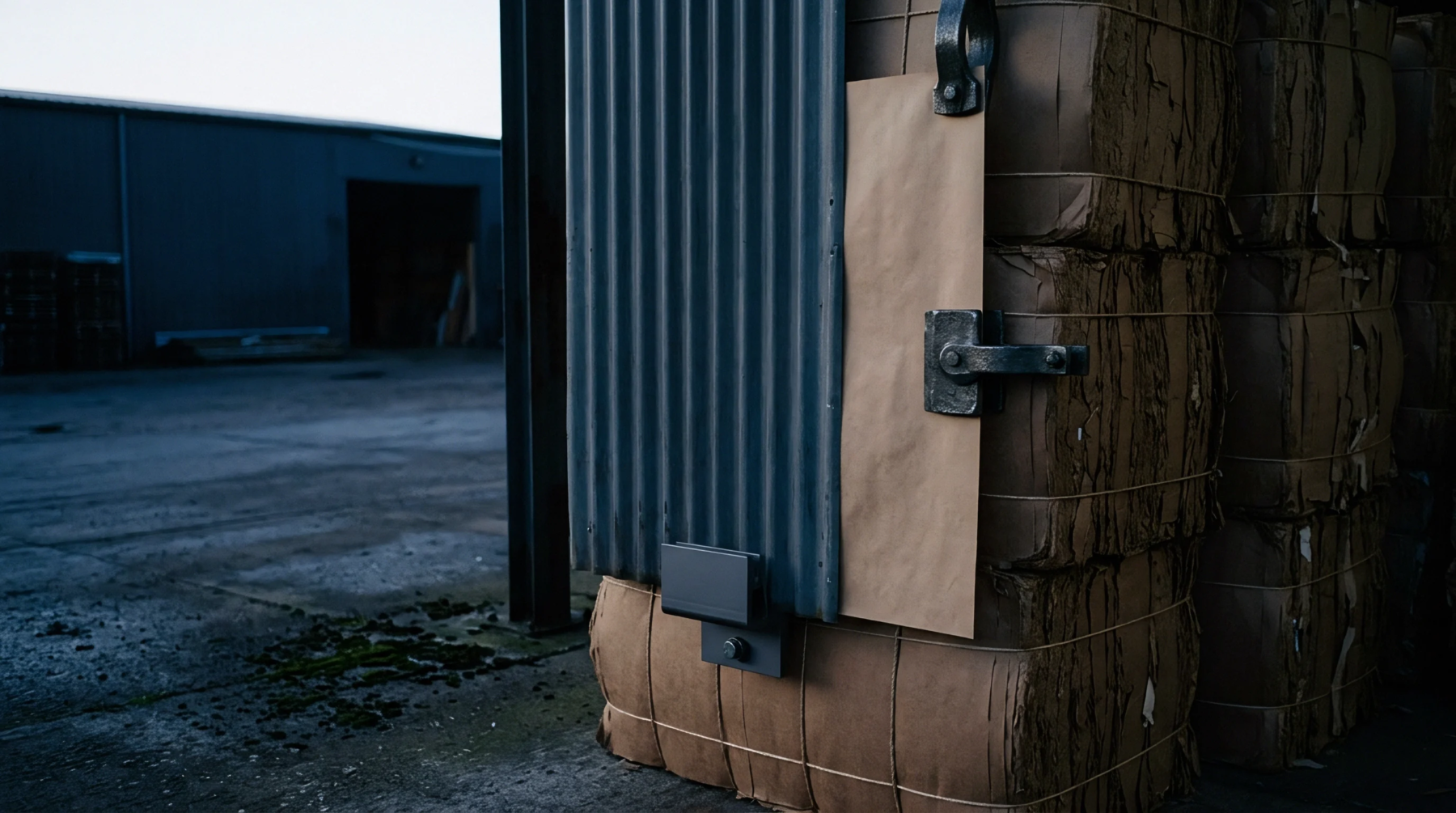
Deinking processes and mechanical screeners fail to fully wash phthalate residues out of recovered cellulose slurries. Secondary paperboard operations handling post-consumer waste concentrate diisobutyl phthalate inside recycled linerboard, chipboard, and greyboard structures. Elevated papermaking drying cylinder temperatures volatilize a portion of the chemical, yet residual concentrations absorb into virgin cellulose fibers via process water loops.
When corrugated boxes constructed from contaminated fluting package dry foods, the chemical desorbs across air gaps and condenses directly into the packaged product. Barrier plies containing ethylene vinyl alcohol or dense micro-fibrillated cellulose coatings are laminated to the board interior to arrest gas-phase transfer.
Analytical Screening
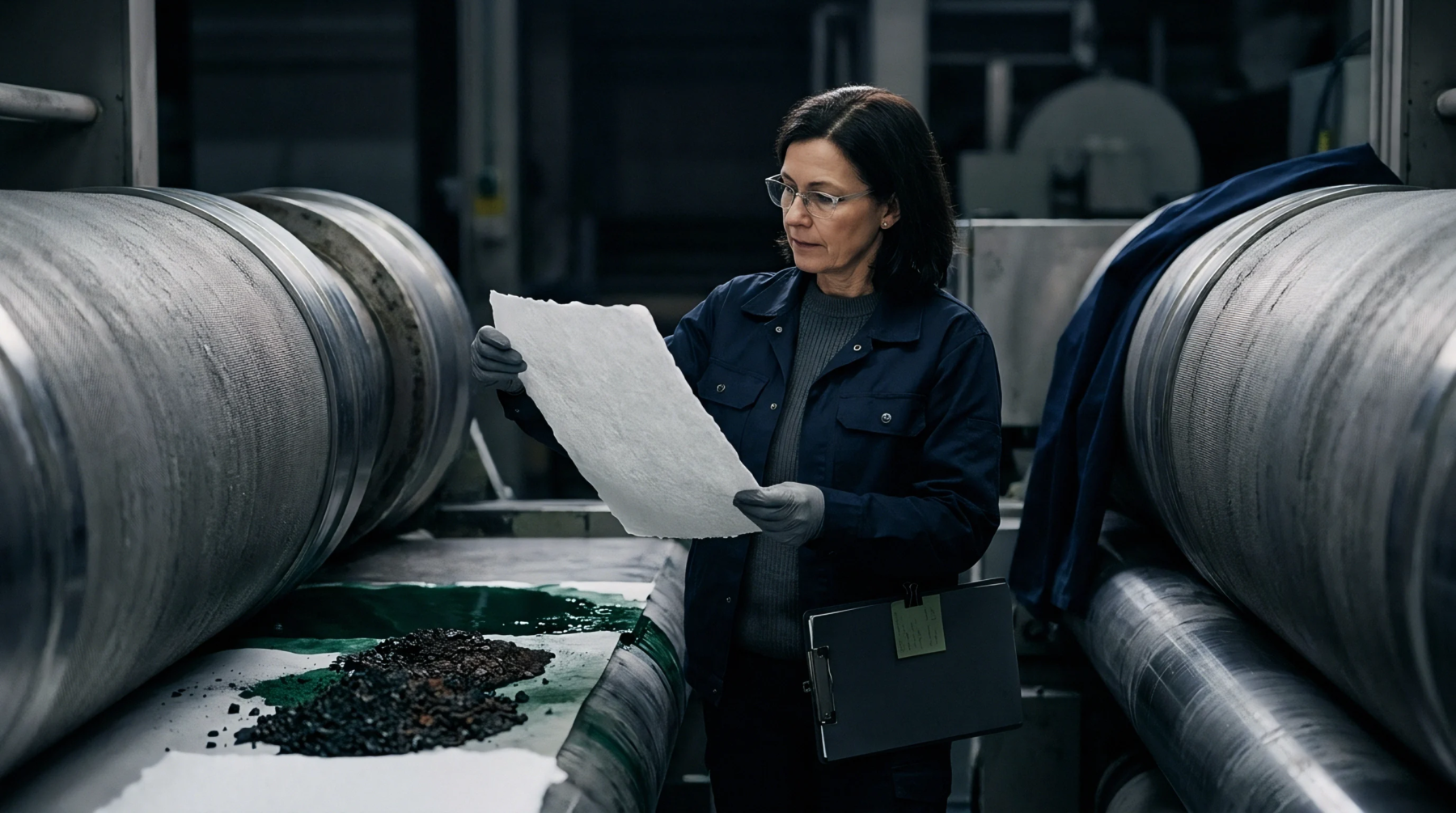
Quantitative determination requires selective solvent extraction of board samples followed by gas chromatography coupled with tandem mass spectrometry. Testing procedures established by food safety agencies extract paper fragments using organic solvents like ethanol or isooctane to establish total extractable mass fractions. Migration testing places board specimens against modified polyphenylene oxide or tenax food simulants inside migration cells held at standard thermal conditions to mimic extended shelf life.
Packaging producers specify threshold limits in supplier declarations of compliance to ensure finished folding cartons satisfy migration thresholds. Raw material controls require recycled pulp furnish testing to verify that incoming fiber bales meet chemical purity requirements for direct food packaging.