Caliper Depression
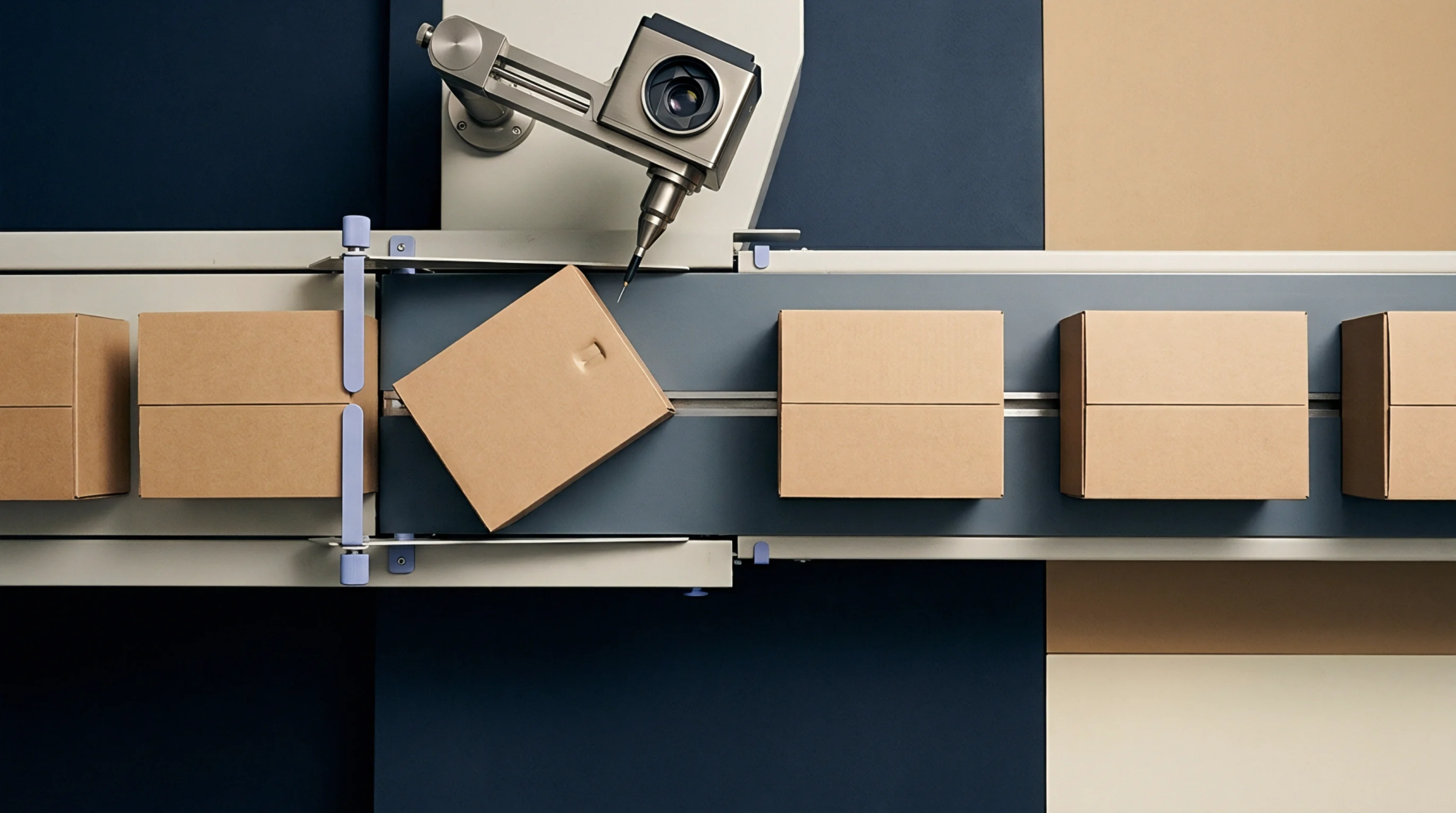
Folding boxboard performance relies heavily on how a score bead creates a clean hinge on automated packaging lines. This mechanical protrusion on the rotary rule presses into the paperboard to displace internal fibres along a defined axis. Tool thickness and counter channel width determine the resulting crease geometry which must accommodate the specific caliper of the substrate without fracturing the outer liner.
Excessive pressure during this operation shears the cellulose network instead of bending it, destroying the structural integrity required for high speed box erection.
Resistance Ratio
Line tension during conversion dictates how a score bead maintains its depth across varying moisture contents within the stock. Paperboard manufacturers measure torque variance along the cylinder axis to prevent premature cracking during blank separation. Enclosed rotary systems apply consistent force onto laminated layers while preventing delamination caused by abrupt caliper changes.
Substrates containing high recycled content demand wider channel clearances to absorb displaced material without bulging the adjacent print surface.
Hinge Torque
Carton closing angles depend entirely on the elastic recovery exhibited by the score bead after initial deformation. Crease depth retention drops significantly when ambient humidity exceeds standard converting tolerances, softening the compressed internal fluting. Packaging engineers evaluate folding resistance by recording the force required to rotate the glued panel through ninety degrees on automated erecting machinery.
Correct tool calibration ensures that corrugated and solid board grades retain structural rigidity while maintaining low mechanical resistance at the hinge.